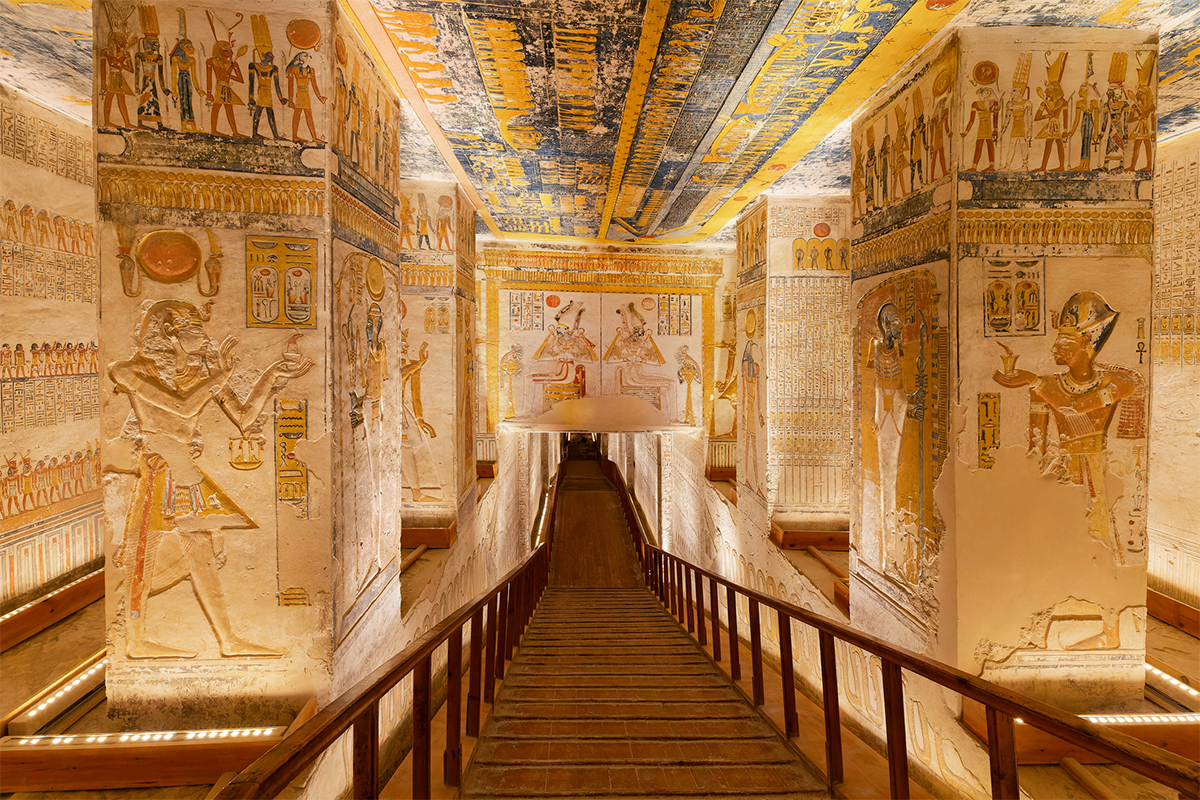
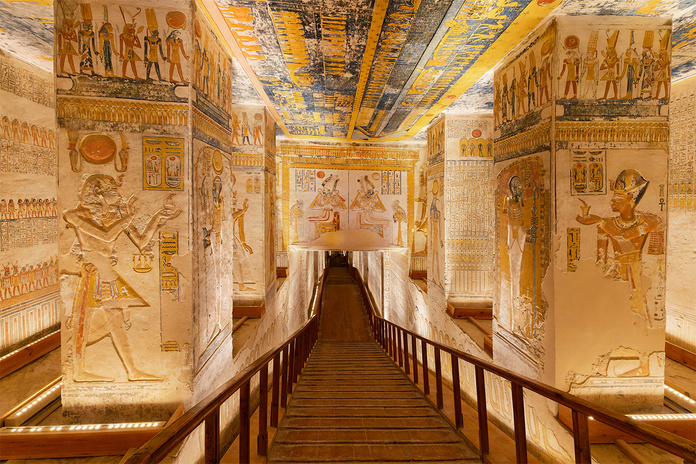

In a region where destinations open and close at the pace of crises, Egypt stands out as an exception. Year after year, the country continues to welcome travelers from around the world, propelled by an undeniable asset: 5,000 years of history, an archaeological heritage of incomparable richness, and a capacity for renewal that keeps the destination at the heart of current events.
In 2025, Egypt welcomed nearly 19 million tourists, a rise of 21% compared to the previous year. This performance places the country well above the global average for sector growth. The stated goal: 30 million visitors by 2030.
In 2025, Egypt welcomed nearly 19 million tourists, a rise of 21% compared to the previous year. This performance places the country well above the global average for sector growth. The stated goal: 30 million visitors by 2030.
An Unparalleled Guardian of Heritage
Rare are the countries that unite under one authority the promotion of tourism and the preservation of archaeological heritage. Egypt took the step in 2019, merging its Ministry of Tourism and Antiquities into a single entity. An architecture built on a simple fact: in Egypt, heritage and tourism are inseparable. Every archaeological discovery becomes a world event. Every surge of visitors raises questions of conservation. Steering one without the other has never been an option.
The Ministry’s mission thus covers the entire chain: national tourism strategy, supervision of excavations and restoration, museum oversight, regulation of the hotel sector, promotion of the destination on international markets. A scope that makes this institution one of the most integrated public tourism actors in the world.
The Ministry’s mission thus covers the entire chain: national tourism strategy, supervision of excavations and restoration, museum oversight, regulation of the hotel sector, promotion of the destination on international markets. A scope that makes this institution one of the most integrated public tourism actors in the world.
A Living Heritage That Continues to Reveal Itself
What distinguishes Egypt from most heritage destinations is that its heritage is not static. It continually renews itself. In 2020, the unearthing of more than 100 intact sarcophagi at Saqqara, dating back 2,500 years, made headlines worldwide. In 2021, the discovery of the “lost golden city” of Luxor was described by some Egyptologists as the most important find since Tutankhamun’s tomb in 1922. In 2023, new excavations at Saqqara revealed tombs adorned with remarkably well-preserved paintings.
These discoveries are not the product of chance. They result from a proactive policy by the Ministry, which has relaunched and structured excavation programs across the country, in collaboration with international archaeological missions. This ongoing flow fuels global interest in Egypt and keeps the destination in the media spotlight. For tourism professionals, this effect is tangible: every major discovery triggers a rise in online searches, press articles, and public interest. Archaeology functions here as an organic promotional tool, unmatched in the sector.
It is this ability to continually renew itself that makes Egypt a destination apart. Where other heritage destinations rely on a stock of attractions, Egypt keeps discovering itself.
These discoveries are not the product of chance. They result from a proactive policy by the Ministry, which has relaunched and structured excavation programs across the country, in collaboration with international archaeological missions. This ongoing flow fuels global interest in Egypt and keeps the destination in the media spotlight. For tourism professionals, this effect is tangible: every major discovery triggers a rise in online searches, press articles, and public interest. Archaeology functions here as an organic promotional tool, unmatched in the sector.
It is this ability to continually renew itself that makes Egypt a destination apart. Where other heritage destinations rely on a stock of attractions, Egypt keeps discovering itself.
The Grand Egyptian Museum: A New Major Asset
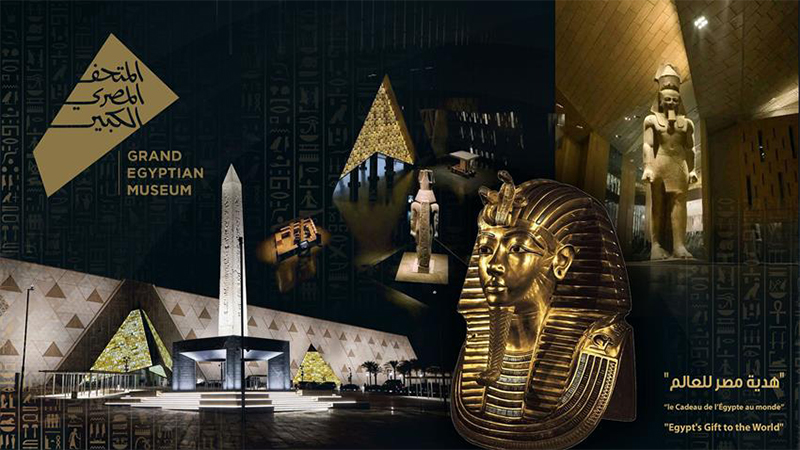
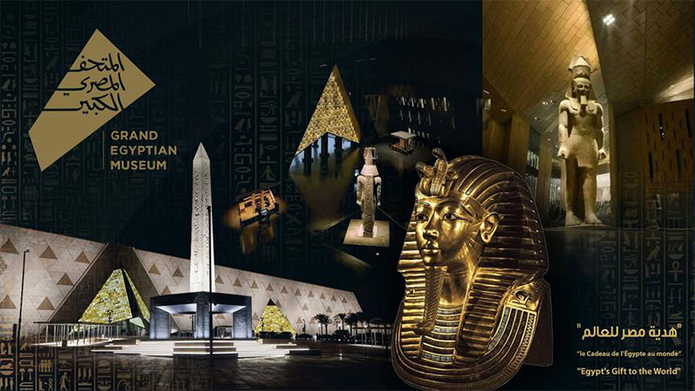
The Grand Egyptian Museum is the centerpiece of this strategy. Located two kilometers from the Pyramids of Giza with a direct view of the plateau, it is the largest archaeological museum in the world, dedicated to a single civilization. The entire treasure of Tutankhamun, more than 57,000 objects, is gathered there for the first time in one place after having been dispersed for a century. Since its opening, the GEM has attracted nearly 500,000 visitors in a single month.
For a tour operator planning Egypt, the GEM concretely changes the product. It transforms the classic half-day “pyramids + Sphinx” into a full-day experience with high added value. It enables themed itineraries that deepen the stay. And it creates an internationally renowned cultural entry point that repositions Cairo alongside museums such as the Louvre or the British Museum.
For a tour operator planning Egypt, the GEM concretely changes the product. It transforms the classic half-day “pyramids + Sphinx” into a full-day experience with high added value. It enables themed itineraries that deepen the stay. And it creates an internationally renowned cultural entry point that repositions Cairo alongside museums such as the Louvre or the British Museum.
A Diversifying Offering
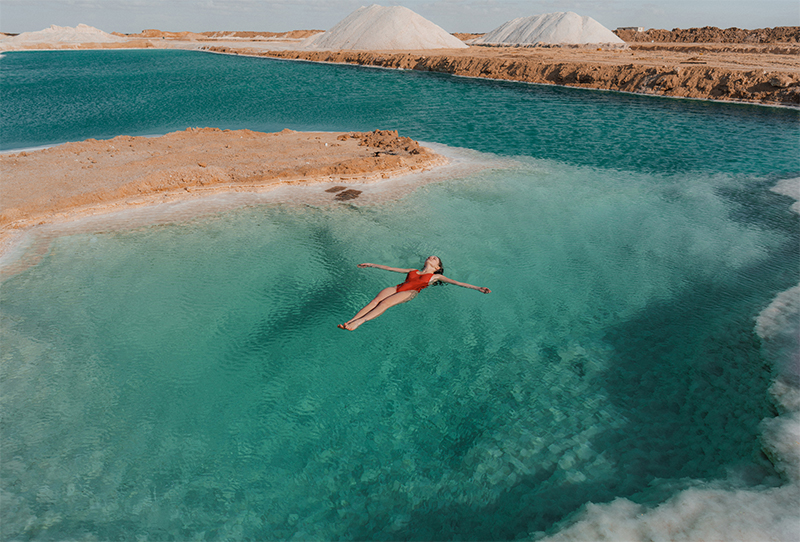
Beyond its pharaonic heritage, Egypt broadens its palette. The Red Sea coast continues to upscale for seaside and diving experiences, with occupancy rates exceeding 90% in peak season. New destinations are emerging and greatly enriching programming possibilities: the Fayoum Oasis for travelers seeking nature and authenticity, Siwa for its unique character at the gates of the Libyan desert, Alexandria for its Mediterranean heritage. The coastal city of New Alamein has established itself as a major new hub, with a dramatic rise in charter traffic.
This diversification enables professionals to craft stays that combine ancient culture, seaside, adventure, and discovery, all in one destination reachable in 4 hours 30 minutes from Paris. For agencies and tour operators, it’s a strong argument: Egypt is not a single-product destination; it is a country with multiple entry points, capable of meeting a wide range of expectations.
This diversification enables professionals to craft stays that combine ancient culture, seaside, adventure, and discovery, all in one destination reachable in 4 hours 30 minutes from Paris. For agencies and tour operators, it’s a strong argument: Egypt is not a single-product destination; it is a country with multiple entry points, capable of meeting a wide range of expectations.
A Laboratory for Global Tourism
Learn More
Ministry website:
www.presidency.eg
Egypt Experience website:
www.experienceegypt.eg
www.presidency.eg
Egypt Experience website:
www.experienceegypt.eg
 |
 |
 |