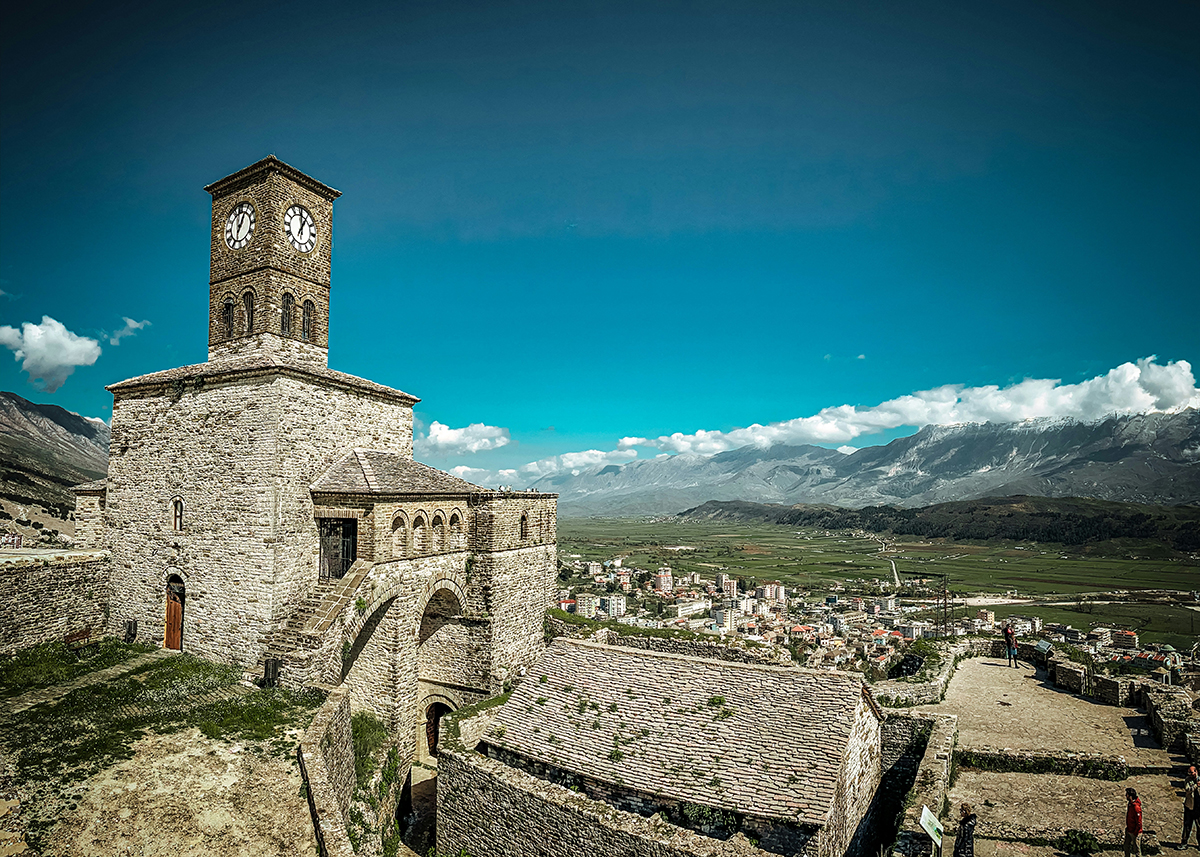
Gjirokastra and Berat: two UNESCO treasures Europe has not yet discovered
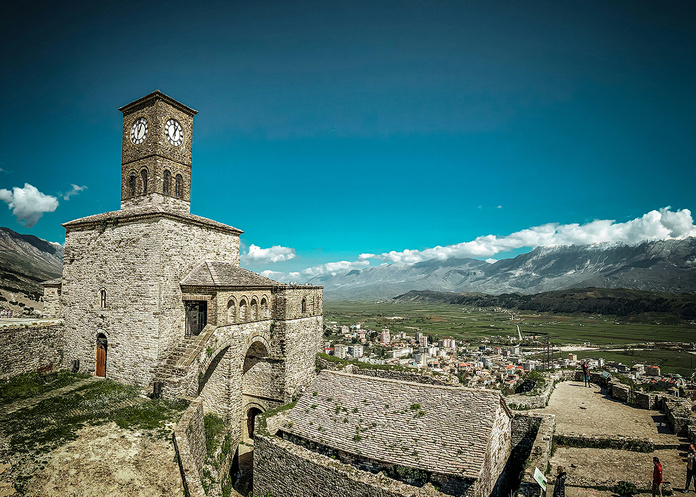

Përmet, the Nivica Gorges, and the Zagori Valley: Albania unseen by most
Between the historic towns and the coast, there exists an Albania that very few travelers take the time to explore. The Përmet region and its surroundings — the Zagori valley, the Lengarica gorges, the Nivica canyon — is probably the most pristine part of the country.
Përmet is a small town perched on the Vjosa, one of the last great wild rivers in Europe, recently protected as a national park. The Vjosa flows freely from its Greek source to the Adriatic, with not a single dam along its course. Its waters are unexpectedly clear.
Around the town, the trails of the Zagori valley traverse ancient beech forests, villages almost deserted perched at 800 meters, meadows where shepherds work according to ancestral methods. The Sheper hike toward Përmet, with a 1,200-meter descent, is among the most beautiful we recommend.
The Nivica Gorges
In the depths of a canyon carved at the edge of the Butrint National Park, the Nivica Gorges are among those places you wonder how they managed to stay so confidential. The limestone walls plunge into a turquoise river; the rock corridors seem carved to measure. In spring, the current is powerful and spectacular. In summer, natural pools form in the hollows.
The number of visitors remains low. That is precisely what makes it worth the detour.
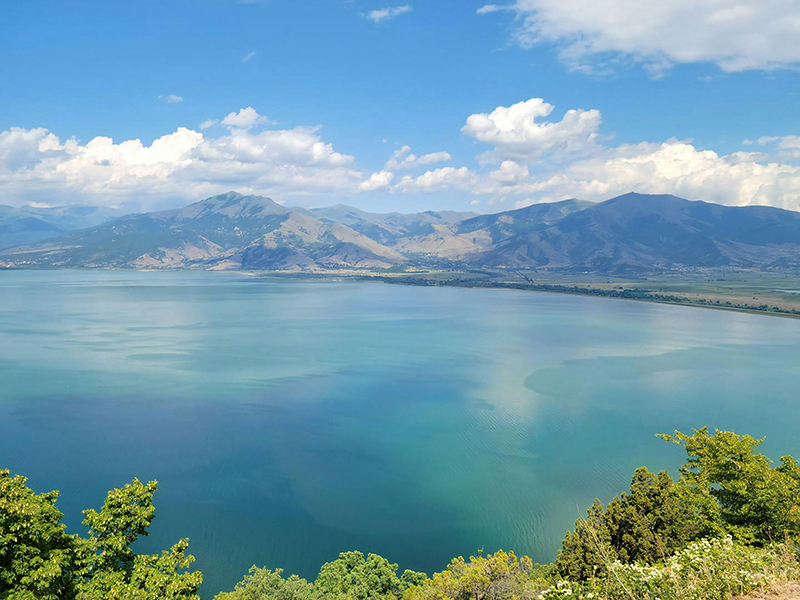
At the eastern edge of the territory, where Albania, Greece, and North Macedonia meet, Prespa Lake stretches its waters across a landscape from another era. Inscribed on UNESCO’s heritage list for its transboundary dimension, the site houses a troglodyte church carved into the rock, decorated with remarkable frescoes, accessible after an easy walk. A view of the island of Golem Grad, distant mountains, and a lake that almost no tour itineraries mention.
Local fishermen work with techniques handed down from generation to generation. The region is designated a nature reserve. Few places in Europe are as silent.
The besa: hospitality as a moral commitment
The Albanian hospitality.
This isn’t a tourism mechanism. It is the besa: an ancient moral principle, inscribed in the Kanun code that governed Albanian society for centuries. Besa means keeping one’s word, but in concrete terms it implies this: welcoming a stranger under your roof is a sacred duty. Refusing hospitality would be a shame. Causing harm would be an unforgivable fault.
Concretely, this translates into gestures that confuse European travelers: a stranger stopping you in a alley to offer you coffee, a mountain family inviting you to lunch when you were just asking for directions, an old man in a bazaar who spends twenty minutes telling you the history of his town, with nothing to sell or promote.
Albania Opens Up — but Not Like Its Neighbors
[email protected]
breatheintravel.com
>> Breathe in Travel in the DESTIMAG Directory