New Caledonia, this archipelago located in Oceania, captivates with its white-sand beaches, lush vegetation, and unique culture. This French territory, tucked in the South Pacific, offers remarkable natural diversity, from UNESCO-listed lagoons to emerald mountains. During your trip, you may be wondering which activities to explore first. This detailed guide offers an immersion into the heart of the essential experiences in New Caledonia.
1. Explore Nouméa and its Surroundings
Start your journey in Nouméa, the island’s dynamic capital. Discover the Tjibaou Cultural Centre, which provides a deep dive into Kanak art and culture. The Aquarium des Lagons allows visitors to admire the marine richness of the Pacific Ocean. For a stroll, the Place des Cocotiers is ideal, surrounded by cafés where you can sip a drink. Do not miss the Anse Vata and Baie des Citrons beaches, renowned for swimming and water sports. A day trip to the Amédée Lighthouse offers snorkeling and marine exploration.
2. Stay on the Isle of Pines
Nicknamed “the island closest to paradise,” the Isle of Pines is a must-see. Swim in the Natural Pool of Oro, a stunning natural aquarium. The bays of Kuto and Kanumera offer postcard-perfect landscapes. Join the Queen Hortense Cave for a fascinating underground adventure. Hop aboard a traditional pirogue to discover the island’s beauty in an authentic and eco-friendly way.
3. Discover the Loyalty Islands
The Loyalty Islands (Lifou, Ouvéa, Maré) each constitute a world of their own. In Lifou, explore the Jinek Bay for snorkeling, and admire the Jokin Cliffs. Ouvéa captivates with its endless Fayaoué Beach, bordered by turquoise waters, while Maré invites you to explore the Guerrier Jump and its natural pools. Each island offers unique cultural experiences through encounters with its residents and the discovery of their way of life.
4. Hiking on Grande Terre
Grande Terre, beyond Nouméa, is the ideal playground for nature lovers and hikers. The Blue River Provincial Park is a must, where you can spot the Cagou, the island’s emblematic bird, or go mountain biking. Explore the West Coast with its wide-open spaces and ranches, or the East Coast, known for its lush vegetation and stunning waterfalls. Poé Beach is a renowned spot for kitesurfing, and the New Caledonian Lagoon Natural Reserve is the perfect place for diving.
5. Cultural Immersion and Local Encounters
It is impossible to visit New Caledonia without immersing yourself in its rich and diverse culture. Take part in Kanak customs, a traditional welcome practice, and explore the local tribes to understand their ways of life. You can also try the local cuisine, discovering dishes such as bougna, the Caledonian specialty, made with meat or fish wrapped in banana leaves.
6. Lifou Island
Exploring Lifou, one of the Loyalty Islands of New Caledonia, helps to better understand the archipelago’s cultural and natural wealth. This island, accessible from Nouméa, offers a preserved setting between limestone cliffs, white-sand beaches, and living traditions. In Lifou, each village is an occasion for direct contact with the locals, immersion in local customs, and discovery of an ancient way of life. A destination that embodies authenticity and respect for island rhythms.
7. Visit the Tjibaou Cultural Centre
The Tjibaou Cultural Centre, located in Nouméa, is an essential stop to grasp Kanak identity in its historical and contemporary depth. Designed by architect Renzo Piano, this symbolic venue houses exhibitions, artistic installations and documents related to New Caledonia’s indigenous culture. It is a space where architecture, memory and transmission engage in dialogue to serve a guided vision of heritage. An essential visit to understand the cultural complexity of this island territoire.
8. Set Sail for the Amédée Lighthouse
Accessible by boat from Nouméa, the Amédée Lighthouse rises in the middle of a protected coral islet, offering a day trip to the heart of a UNESCO World Heritage-listed lagoon. At 56 meters high, this metal lighthouse, built in France and transported piece by piece, is visitable and affords a panoramic view of the surrounding turquoise waters. The islet is also suitable for swimming, snorkeling, and observing sea turtles, in a protected and educational natural environment.
9. Stay on the Îlot Maître
The Îlot Maître, located about twenty minutes by boat from Nouméa, is renowned for its overwater accommodations and tranquil beaches. The site, included in a marine reserve, offers a rare balance between tourist comfort and environmental preservation. It suits travelers looking to combine seaside relaxation, water sports, and observation of local species. This place appeals for its easy access, quality facilities, and the richness of its ecosystem.
10. Enjoy the Baie des Citrons Beach
The Baie des Citrons Beach, south of Nouméa, is one of the city’s most frequented beaches, due to its central location and its calm waters protected by the bay. This urban beach, lively by day and by night, allows safe swimming, access to cafés and restaurants, and a pleasant stroll along the shore. It is a popular starting point for those wishing to combine coastal discovery with immersion in the Neo-Calédonian city ambiance.
In conclusion, New Caledonia offers a variety of activities for every type of traveler, whether you are drawn to natural landscapes, vibrant culture, or encounters with locals. This far-off territory provides unforgettable experiences rooted in the beauty of nature and the richness of its traditions. Make the most of your trip by exploring every facet of this unique archipelago.
What is the best time to visit New Caledonia?
Planning a trip to New Caledonia requires a good understanding of its climate to choose the best period. Located in the South Pacific, between Australia and Polynesia, this destination enjoys a temperate tropical climate. The ideal period runs from May to October during the dry season, when temperatures are mild and rainfall is low.
It is then that the grand landscapes of Grande Terre, the Pacific atolls such as the Nokanhui Atoll, the dream beaches of Ouvéa or Lifou, and the enchanting places like the Natural Pool offer their finest scenery.
Visitors can then fully enjoy a Lifou catamaran trip or an exploration of the Rivière Bleue, the Ouen Toro hill, or the Amédée lighthouse under the best conditions.
This period is also favorable for whale watching or for manta ray viewing off the coasts. Outside this window, the humid heat can make certain excursions less pleasant. For those who wish to explore each place in depth and experience the discovery of emblematic sites, it is therefore crucial to carefully choose their starting point in the season.
Is it worth going to New Caledonia?
Asking whether it is “worth it” to go to New Caledonia is asking a question whose answer quickly becomes obvious. Yes, this exceptional destination is worth every detour, especially for those seeking a postcard-perfect backdrop, enchanting places, or unspoiled nature. The archipelago blends sumptuous landscapes, the Lékiny cliffs, the Kanumera Bay, and dream beaches that leave little to be desired. Whether you explore the beautiful Pacific atolls, walk along the coast to the forgotten shore, or visit cultural venues like the Tjibaou Cultural Centre or the ruins of the penal colony, New Caledonia impresses with its diversity. It is a rare gateway to a mosaic of identities and ecosystems — between Kanak traditions, exceptional marine biodiversity, and colonial heritage. Lifou, the Îlot Maître, the Mouli Bridge, and the Poule de Hienghène offer immersive experiences. Even activities like the Ouvéa kayak, lagoon jumps, or swims near the Nouméa Lagoon Aquarium add to the overall appeal. This is not just a trip, but an immersion in a place rich with discoveries.
What budget should you plan for a trip to New Caledonia?
A trip to New Caledonia requires careful budget planning. This destination is not among the most affordable, notably due to its remoteness. International flights can represent a considerable cost, especially from mainland Europe.
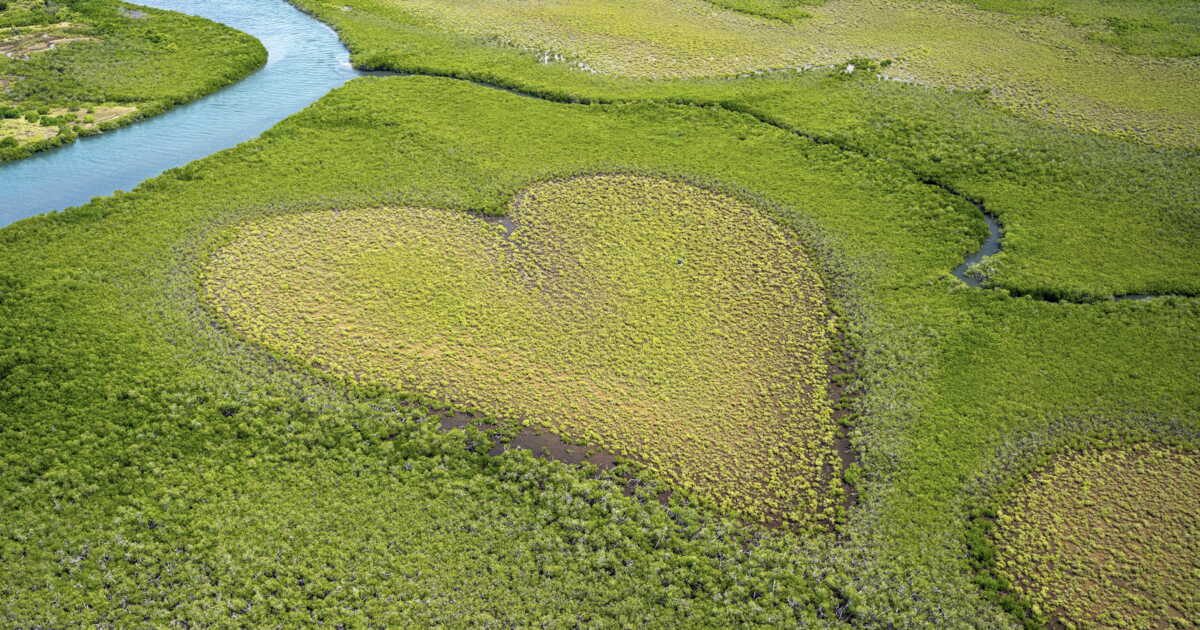
On-site, places such as Ouvéa, Lifou or the Îlot Maître offer accommodations ranging from simple bungalows to more luxurious complexes, with rates varying by season. Access to natural sites such as the Natural Pool, the Blue River, or the Cœur de Voh is often free, but certain activities — catamaran outings, kayaking, guided excursions — carry a price.
The overall budget thus depends on the type of stay: nature immersion, lounging, or exploring cultural sites. Plan roughly €3,000 to €10,000 per person for a two-week trip, depending on the level of comfort and the mode of transport (car rental, inter-island transfers).
A cost-efficient starting point can be aiming for the high season to optimize conditions while still enjoying exceptional marine activities such as manta ray watching. The dream beaches are always there, regardless of budget.
Can We Travel to New Caledonia Right Now?
Yes, it is currently possible to travel to New Caledonia, but it is essential to check the local situation before departure. This overseas territory, although linked to France, has its own social, political, and environmental dynamics. Access conditions can vary depending on weather events (cyclones, wet seasons) or occasional social movements. In general, flights from France operate via Nouméa’s international airport, and connections with islands such as Ouvéa, Lifou, or Grande Terre are well organized.
On-site, enchanting places such as the Baie des Citrons, the Amédée Lighthouse, or the Bac de la Ouaième remain accessible. The theaters and cultural centers like the Tjibaou Centre are places where a sense of place also takes on a political and cultural dimension. For a calm starting point, it is advised to consult the travel advisories updated by French authorities. Once there, discovering the places and dream beaches is always a reward in itself.
Why is the Natural Pool a Must-Visit Step in New Caledonia?
The Natural Pool of the Isle of Pines is one of the most iconic enchanting places in New Caledonia, often described as an open postcard setting. Surrounded by columnar pines and protected by a coral barrier, this sea-water pool offers an unparalleled swimming experience in the Pacific Ocean. Its calm, clear waters host marine life easily observable with fins, masks and snorkels, ideal for those who want to observe aquatic life in a serene environment.
This preserved natural site, easily accessible from Grande Terre, represents for many travelers an ideal starting point for discovering the territory’s marine wonders. Integrated into collective memory as a showcase of Caledonian beauty, it embodies what sumptuous landscapes and dream beaches are like in the region. The Natural Pool is far more than a simple swimming spot: it is the tangible expression of the destination’s exceptional and unique character. Swimming there means entering into a sense of place with respect and wonder.
This article was drafted with the help of artificial intelligence, then edited, completed and validated by the newsroom journalists.