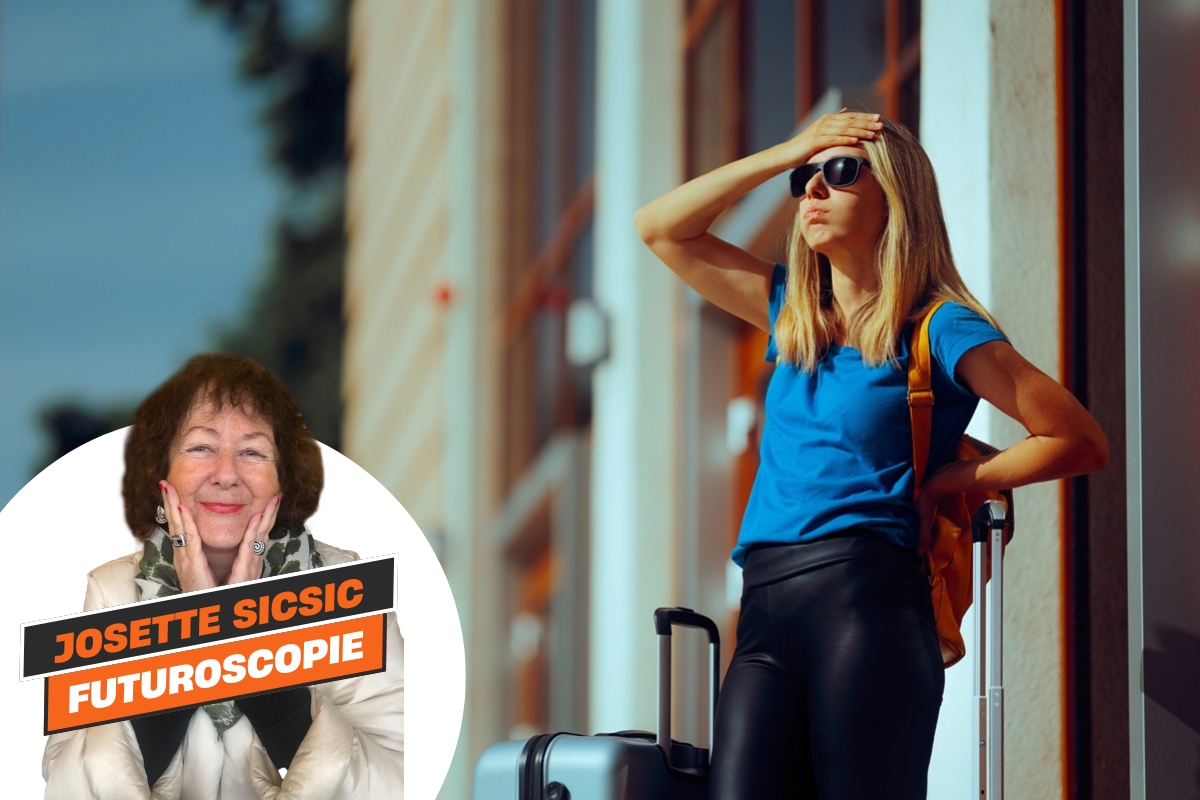


Departing inevitably creates a change, hence cognitive dissonance all the more serious when the journey takes place in a foreign, distant, little-known country.
Who doesn’t feel a twinge of apprehension when packing their backpack before boarding the plane for a “terra incognita”?
Even the most experienced backpackers admit this small pang on the way to the airport…
And then, and above all, let us not forget that there exists a category of individuals totally averse to the idea of traveling. These people suffer from hodophobia. Such are anxiety disorders totally irrational but impossible to control, which manifest through a variety of symptoms such as palpitations, headaches, dizziness, breathing troubles…
Generated most often by a complicated personal history involving exile and separation (divorces), this pathology is all the more difficult to treat as it is rarely identified as such or confused with fear of flying, which indeed affects more people.
Who doesn’t feel a twinge of apprehension when packing their backpack before boarding the plane for a “terra incognita”?
Even the most experienced backpackers admit this small pang on the way to the airport…
And then, and above all, let us not forget that there exists a category of individuals totally averse to the idea of traveling. These people suffer from hodophobia. Such are anxiety disorders totally irrational but impossible to control, which manifest through a variety of symptoms such as palpitations, headaches, dizziness, breathing troubles…
Generated most often by a complicated personal history involving exile and separation (divorces), this pathology is all the more difficult to treat as it is rarely identified as such or confused with fear of flying, which indeed affects more people.
The contradictions of a traveler in search of safety
 Another finding: although an immense majority of travelers consider safety as a priority (89%), 1 in 3 admits not taking out specific insurance!
 A paradox difficult to explain since about a third of travelers surveyed by Safertourism have already faced health issues related to the following situations:
– either, an extreme heatwave (39%)
– or, a illness requiring medical intervention (32%)
– or fatigue resulting from exceeding their physical limits (22%).
This paradoxical laxity can also be attributed to the exaggerated optimism of many travelers who consider health problems to concern “others” and rely on their lucky star.
But it is also linked to economic issues. Insurance is perceived as expensive and sometimes unnecessary. Many people indeed imagine they are already insured by their bank, their home insurance, etc.
Food, allergies, insects and other ordinary fears
Another finding of interest: legions of fears that are not new and have always been part of traditional apprehensions whenever one travels.
Thus, while dining is one of the most appealing aspects of travel, an increasing number of people fear issues related to a diet that is too exotic for their stomachs. They are at least 39% in this case. And this, despite precautions many of them do not hesitate to take.
The risks related to drinking water are also increasingly mentioned and not only in distant countries. In Europe, people are beginning to worry about it too. Rightly so.
Just as concerns grow about the quality of swimming waters, whether fresh or salty. And then there is the air we breathe, especially in large Asian metropolises like Bangkok or New Delhi.
Likewise, the endless list of allergies! Rarely mentioned a decade ago, these have become an invisible foe that can force some people to cut their travels short.
Finally, insect bites, particularly mosquitoes, are so well publicized that they’ve climbed the charts of major fears and now come with comprehensive medical kits and vaccines. Big enough to spoil a stay, they are becoming tougher and are not likely to disappear.
Thus, while dining is one of the most appealing aspects of travel, an increasing number of people fear issues related to a diet that is too exotic for their stomachs. They are at least 39% in this case. And this, despite precautions many of them do not hesitate to take.
The risks related to drinking water are also increasingly mentioned and not only in distant countries. In Europe, people are beginning to worry about it too. Rightly so.
Just as concerns grow about the quality of swimming waters, whether fresh or salty. And then there is the air we breathe, especially in large Asian metropolises like Bangkok or New Delhi.
Likewise, the endless list of allergies! Rarely mentioned a decade ago, these have become an invisible foe that can force some people to cut their travels short.
Finally, insect bites, particularly mosquitoes, are so well publicized that they’ve climbed the charts of major fears and now come with comprehensive medical kits and vaccines. Big enough to spoil a stay, they are becoming tougher and are not likely to disappear.
Watch out for falls!
There is also a longstanding fear shared by vacationers in general, but especially by older people: the fear of falls and other slips that can sometimes prevent continuing a trip.
These risks account for more than a third of bodily incidents.
Not to mention the car accidents whose shadow remains ever-present in travelers’ minds.
These risks account for more than a third of bodily incidents.
Not to mention the car accidents whose shadow remains ever-present in travelers’ minds.
Fears linked to a shifting geopolitics
And the female travelers: “She Travel Safe”, a campaign for them
A distinct category, though overrepresented among travelers, women more and more often speak of their fears of traveling solo in certain countries with a dubious reputation but also in Western countries plagued by all sorts of acts of delinquency.
Estimated to represent half of female globetrotters, these women benefit from the campaign “The she travel safe” launched by the Safertourism foundation to encourage them to take precautions.
Moreover, they are already more numerous than men in taking out insurance. Just in case!
In the meantime:
Estimated to represent half of female globetrotters, these women benefit from the campaign “The she travel safe” launched by the Safertourism foundation to encourage them to take precautions.
Moreover, they are already more numerous than men in taking out insurance. Just in case!
In the meantime:
– 64% say they avoid returning home alone in the evening ;
– 56% avoid places they have been advised against ;
– 48% do not go out at night ;
– 27% admit they do not take taxis or rideshares driven by male drivers.
That shows the globetrotter is still far from combining travel with serenity. Hence their preference for guided getaways and group trips with “girlfriends”!
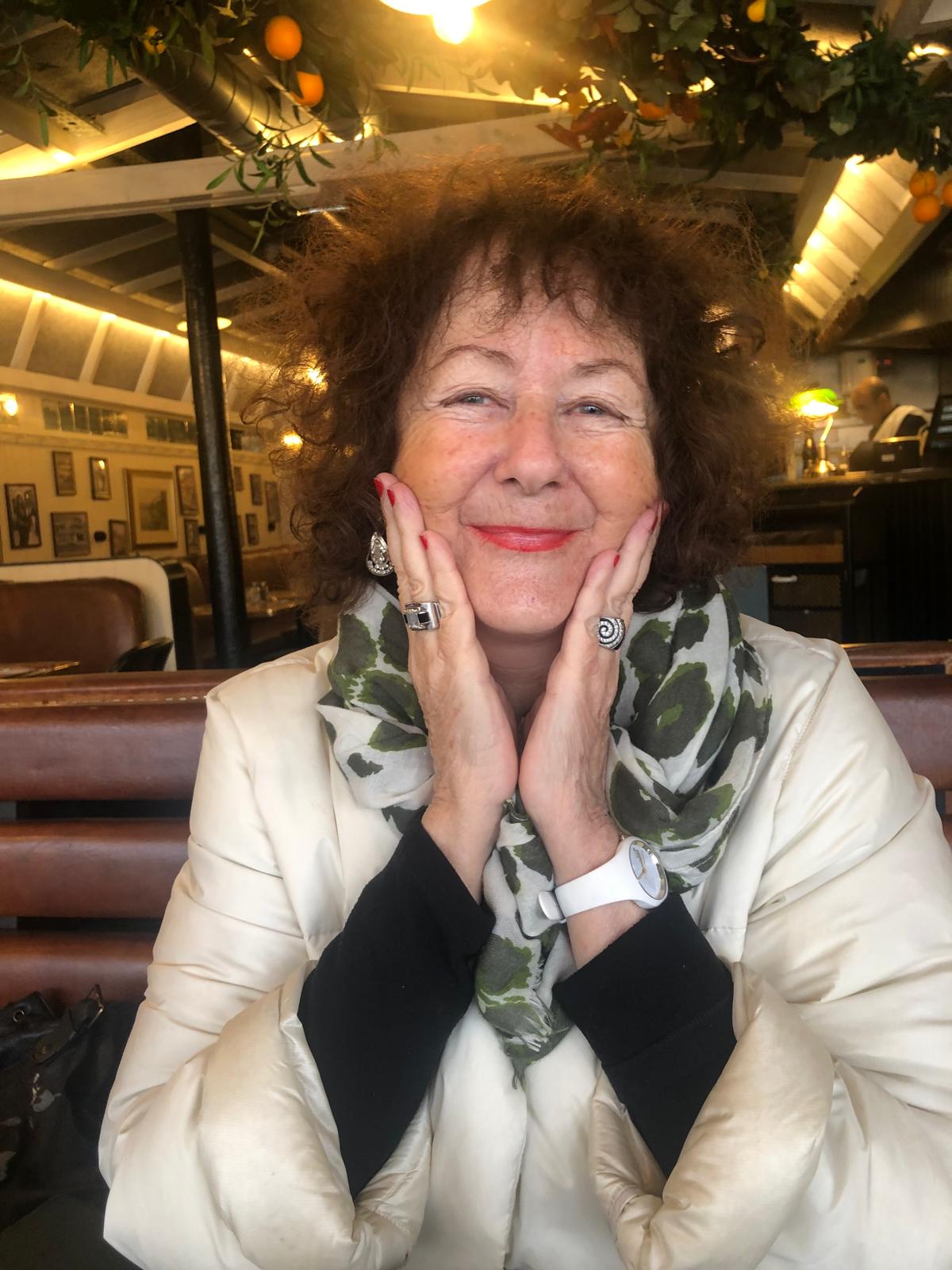
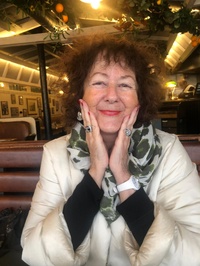
Journalist, consultant, speaker, Josette Sicsic has been observing the world’s changes for over 25 years in order to analyze their consequences for the tourism sector.
After having developed for more than 20 years the magazine Touriscopie, she remains at the forefront of current events where she decodes the present to forecast the future. On the site www.tourmag.com, in the Futuroscopie section, she publishes prospecting and analytical articles several times a week.
Contact: 06 14 47 99 04
Mail: [email protected]
After having developed for more than 20 years the magazine Touriscopie, she remains at the forefront of current events where she decodes the present to forecast the future. On the site www.tourmag.com, in the Futuroscopie section, she publishes prospecting and analytical articles several times a week.
Contact: 06 14 47 99 04
Mail: [email protected]