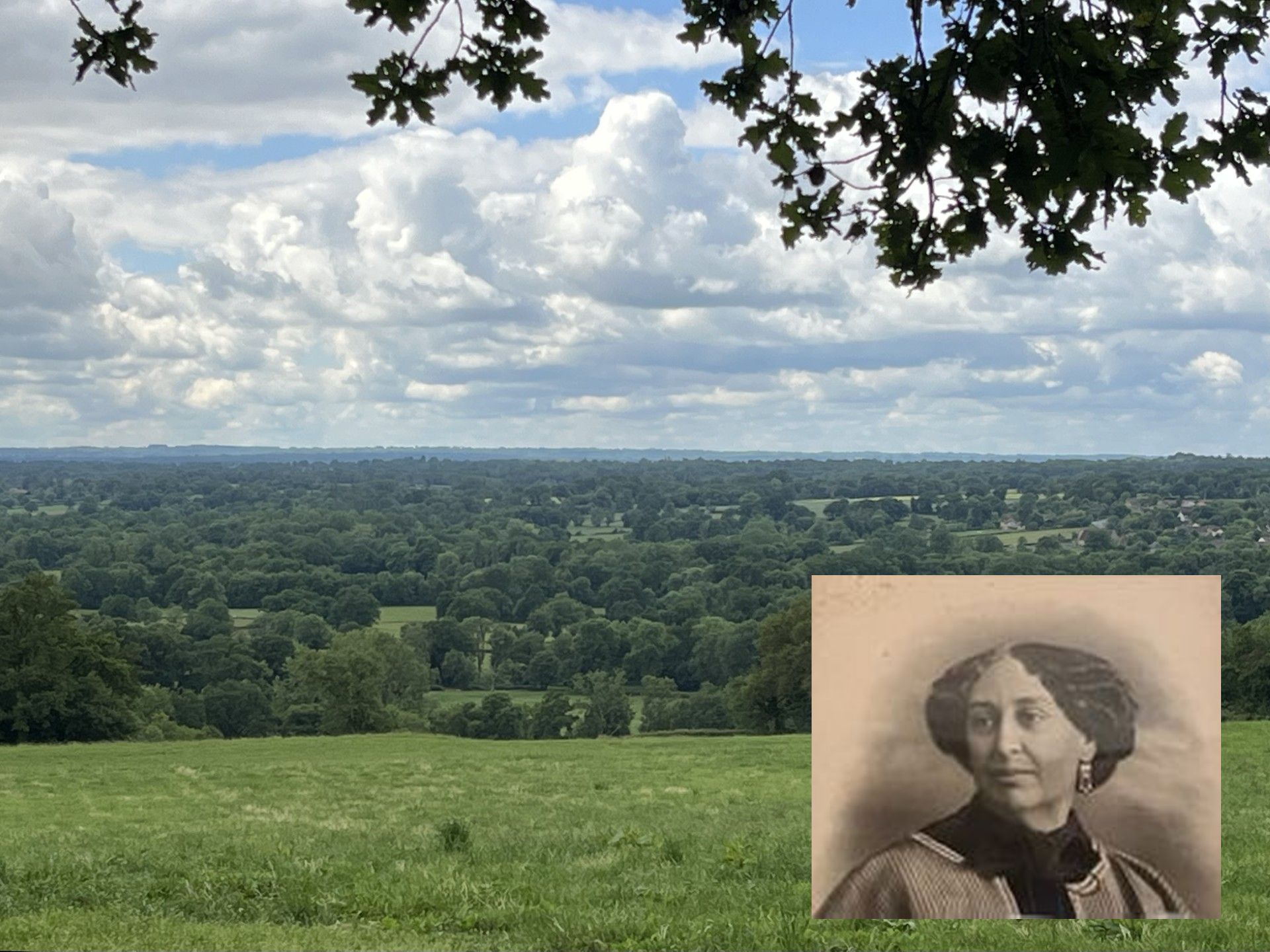


There are writers who are inseparable from a territory. George Sand is among them.
Fifteen decades after her death, on June 8, 1876, in her home at Nohant where she spent most of her life, the green landscapes of Boischaut-sud — this region of the Berry lies in the Indre department and thus in the Loire Valley region — are not spectacular. Yet they remain inextricably linked to the writings of this committed woman.
It is a land of hedgerows and pastures where white cows and sometimes reddish ones graze. The winding little roads and sunken lanes bordered by hedges lead to towns and hamlets topped with small tiles, each crowned by churches with pointed spires.
From Vallée-Noire to Gargilesse — in the Creuse valley —, passing through Nohant, Vic, La Châtre and Sarzay, this emerald setting that George Sand loved so much has not lost its mystery, nor its beauty.
Of course, this territory is less populated than in the past, but the nature here is very beautiful, the air is pure and the quiet deep, which makes it an ideal destination to unwind, recharge, go cycling or walk.
Fifteen decades after her death, on June 8, 1876, in her home at Nohant where she spent most of her life, the green landscapes of Boischaut-sud — this region of the Berry lies in the Indre department and thus in the Loire Valley region — are not spectacular. Yet they remain inextricably linked to the writings of this committed woman.
It is a land of hedgerows and pastures where white cows and sometimes reddish ones graze. The winding little roads and sunken lanes bordered by hedges lead to towns and hamlets topped with small tiles, each crowned by churches with pointed spires.
From Vallée-Noire to Gargilesse — in the Creuse valley —, passing through Nohant, Vic, La Châtre and Sarzay, this emerald setting that George Sand loved so much has not lost its mystery, nor its beauty.
Of course, this territory is less populated than in the past, but the nature here is very beautiful, the air is pure and the quiet deep, which makes it an ideal destination to unwind, recharge, go cycling or walk.
George Sand’s Country: A Delight for Hikers and Pilgrims
In this year of high fuel prices, hence less inclined to long trips, there is even more reason to go there since several walking routes — including a Regional Route (GR de Pays) — invite you to follow in the writer’s footsteps.
Added to this, in this 2026 George Sand anniversary year, are theme-based hikes. Check the Berry Province Tourist Office website for details.
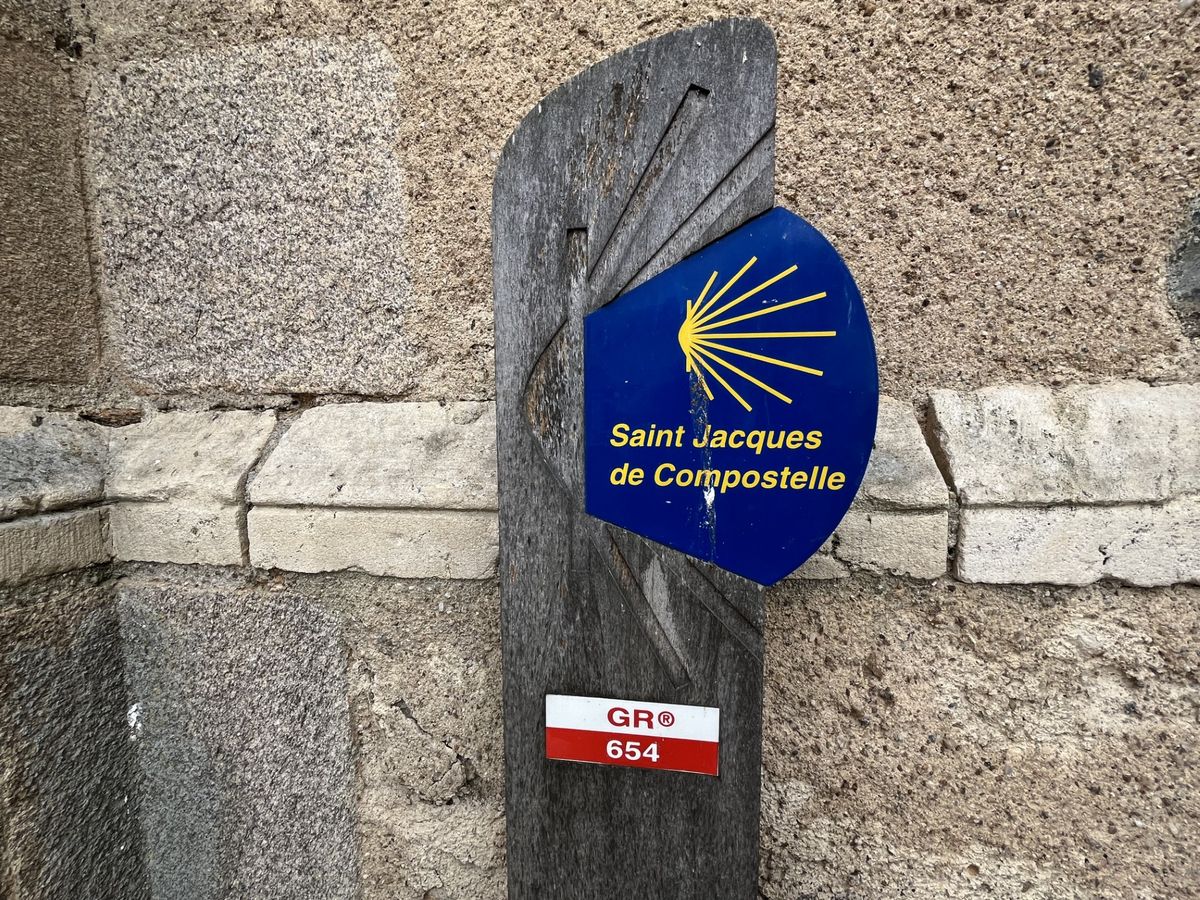
The Vézelay Way (GR 654), Saint-Jacques de Compostelle paths also pass through here, with a highlight stop: Neuvy-Saint-Sépulchre, whose collegiate church is UNESCO World Heritage listed precisely as part of the Saint-Jacques routes.
This remarkable edifice comprises a basilica dedicated to James, the Apostle of Galicia, and a three-level rotunda built after the model of Jerusalem’s Holy Sepulchre.
Since 1257, in a reliquary there, three drops of the “Precious Blood of Christ” have been kept, the origin of a pilgrimage on Easter Monday.
Added to this, in this 2026 George Sand anniversary year, are theme-based hikes. Check the Berry Province Tourist Office website for details.
The Vézelay Way (GR 654), Saint-Jacques de Compostelle paths also pass through here, with a highlight stop: Neuvy-Saint-Sépulchre, whose collegiate church is UNESCO World Heritage listed precisely as part of the Saint-Jacques routes.
This remarkable edifice comprises a basilica dedicated to James, the Apostle of Galicia, and a three-level rotunda built after the model of Jerusalem’s Holy Sepulchre.
Since 1257, in a reliquary there, three drops of the “Precious Blood of Christ” have been kept, the origin of a pilgrimage on Easter Monday.
The Preserved Home of the Good Lady of Nohant
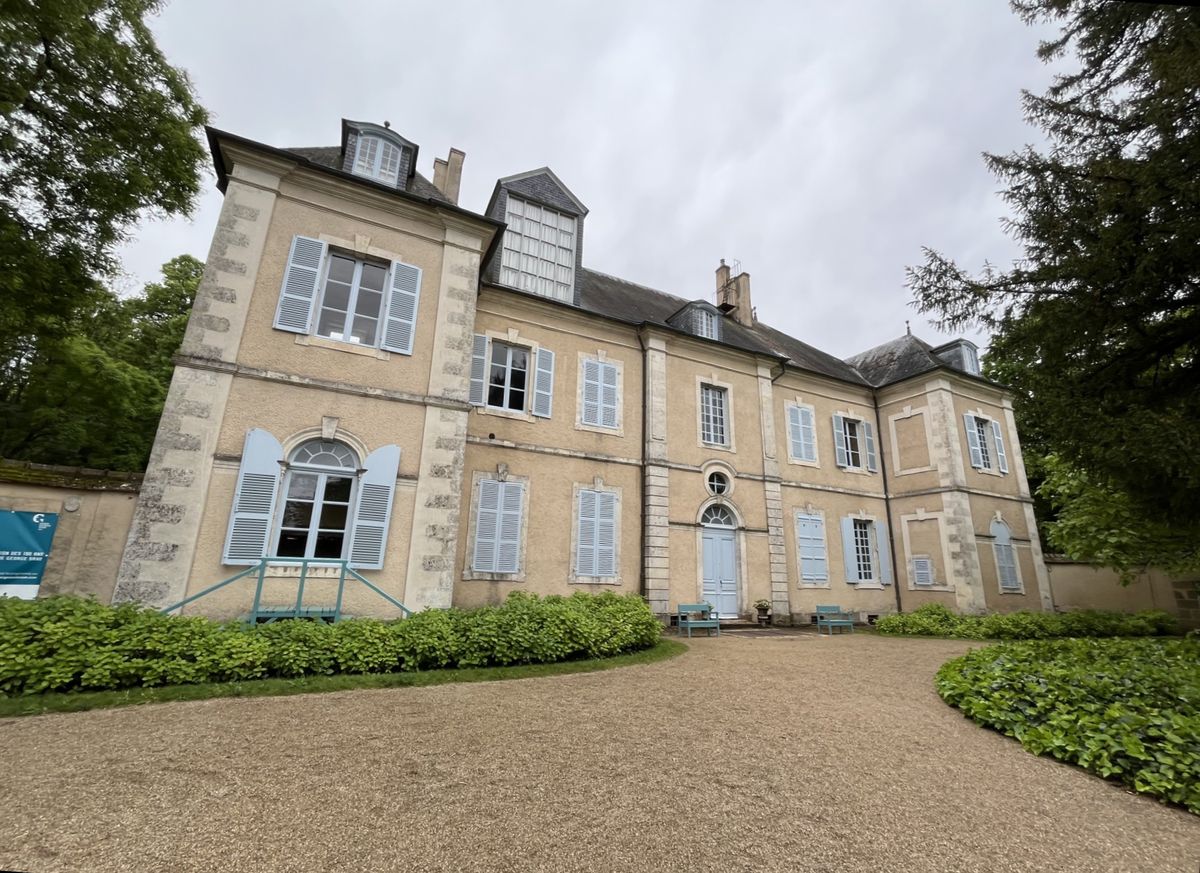
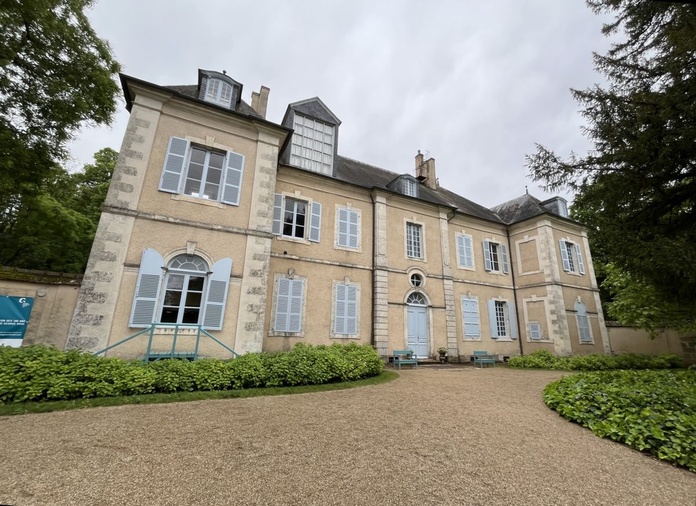
Whatever mode you choose to discover this territory, it will surely be an opportunity to step into George Sand’s intimate world.
First stop, the village of Nohant, where she rests among her kin in the small family cemetery, just separated by a fence from the parish church. It lies at the edge of the expansive park where the writer’s house stands, sheltered by high walls.
It is not a castle, but still a lovely home. The guided visit (allow about an hour) brings back to life the relatively privileged lifestyle and the complexity of a woman who claimed — and won — her freedom in a century that offered almost nothing to women.
All her life, Aurore Dupin — her real name — was marked by a double heritage: noble on her father’s side, very modest on her mother’s side. It is in Nohant, however, that she grew up, beside a learned paternal grandmother.
Later, she married a failed union with Baron Dudevant, with whom she had two children — Solange and Maurice — and soon separated from him before obtaining, in 1836, a separation of body and property (divorce did not exist at the time).
Thus, she was able to return to her Nohant estate, inherited in 1821 after the death of her grandmother.
First stop, the village of Nohant, where she rests among her kin in the small family cemetery, just separated by a fence from the parish church. It lies at the edge of the expansive park where the writer’s house stands, sheltered by high walls.
It is not a castle, but still a lovely home. The guided visit (allow about an hour) brings back to life the relatively privileged lifestyle and the complexity of a woman who claimed — and won — her freedom in a century that offered almost nothing to women.
All her life, Aurore Dupin — her real name — was marked by a double heritage: noble on her father’s side, very modest on her mother’s side. It is in Nohant, however, that she grew up, beside a learned paternal grandmother.
Later, she married a failed union with Baron Dudevant, with whom she had two children — Solange and Maurice — and soon separated from him before obtaining, in 1836, a separation of body and property (divorce did not exist at the time).
Thus, she was able to return to her Nohant estate, inherited in 1821 after the death of her grandmother.
An Extraordinary Individual
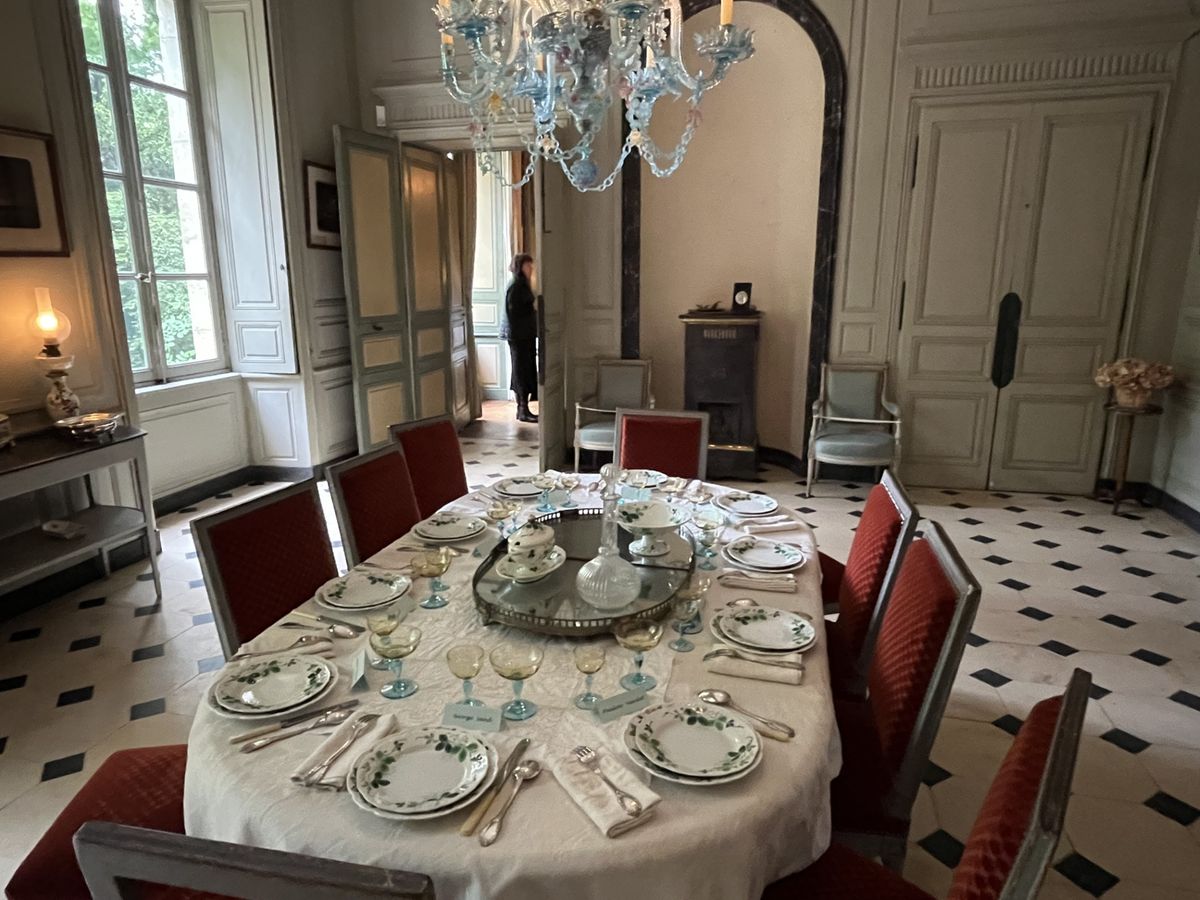
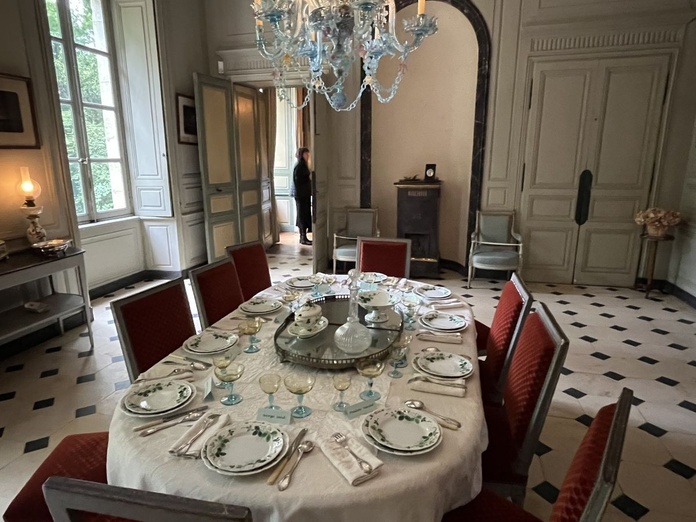
From then on, as the anecdotes recounted by the guide during tours of the furnished and decoratively time-honored rooms show, this remarkable woman rooted her life here, though it was punctuated by stays in Paris and travels to Italy, Switzerland and Spain.
On site, George Sand lived with several of her lovers, including Chopin who composed a large portion of his work in the upholstered room set up for him.
She also cultivated close friendships with major artists such as Liszt, Musset, Flaubert, Balzac, Théophile Gautier, Fromentin and Delacroix.
In a world shaped by and for men, this woman defied taboos and the prevailing misogyny with her great freedom of conduct and expression, wearing trousers, smoking, cutting her hair short and, to be published, taking a masculine name — George Sand — which has gone down in history.
First woman to live by her pen, she wrote more than 70 novels, but also very political texts, advocating especially for gender and class equality, proclaiming herself “a republican of all devils” and throwing herself into the 1848 Revolution…
On site, George Sand lived with several of her lovers, including Chopin who composed a large portion of his work in the upholstered room set up for him.
She also cultivated close friendships with major artists such as Liszt, Musset, Flaubert, Balzac, Théophile Gautier, Fromentin and Delacroix.
In a world shaped by and for men, this woman defied taboos and the prevailing misogyny with her great freedom of conduct and expression, wearing trousers, smoking, cutting her hair short and, to be published, taking a masculine name — George Sand — which has gone down in history.
First woman to live by her pen, she wrote more than 70 novels, but also very political texts, advocating especially for gender and class equality, proclaiming herself “a republican of all devils” and throwing herself into the 1848 Revolution…
A True Passion for the Garden
After the house, take a stroll through the bookshop on the ground floor of the former carriage shed (horse-drawn, of course) and upstairs, where the numerous puppets carved by Maurice, the writer’s son, are exhibited; he adored these shows, but also developed talent in drawing and painting learned in Delacroix’s workshop.
The walk is free in the park, whose layout hasn’t changed since George Sand.
It comprises a rose garden — renovated in 2023 —, a cutting garden, a vegetable garden, an orchard, and a wilder, more romantic space crossed by winding paths and populated with large boxwoods and five remarkable trees — including a vast Japanese Sophora — that the writer knew.
George Sand had a true passion for this garden, dedicating several hours here each day, even managing to grow – with success – pineapples in the small conservatory.
Afterward, a short tour through the village of Nohant, with its low, sturdy houses, lime-washed and topped with slate or small tiles, where little has changed!
On the paved square, the small Romanesque church still seems prepared for the writer’s funeral, announced by a facsimile of her death notice and noted by a Figaro article posted on a panel.
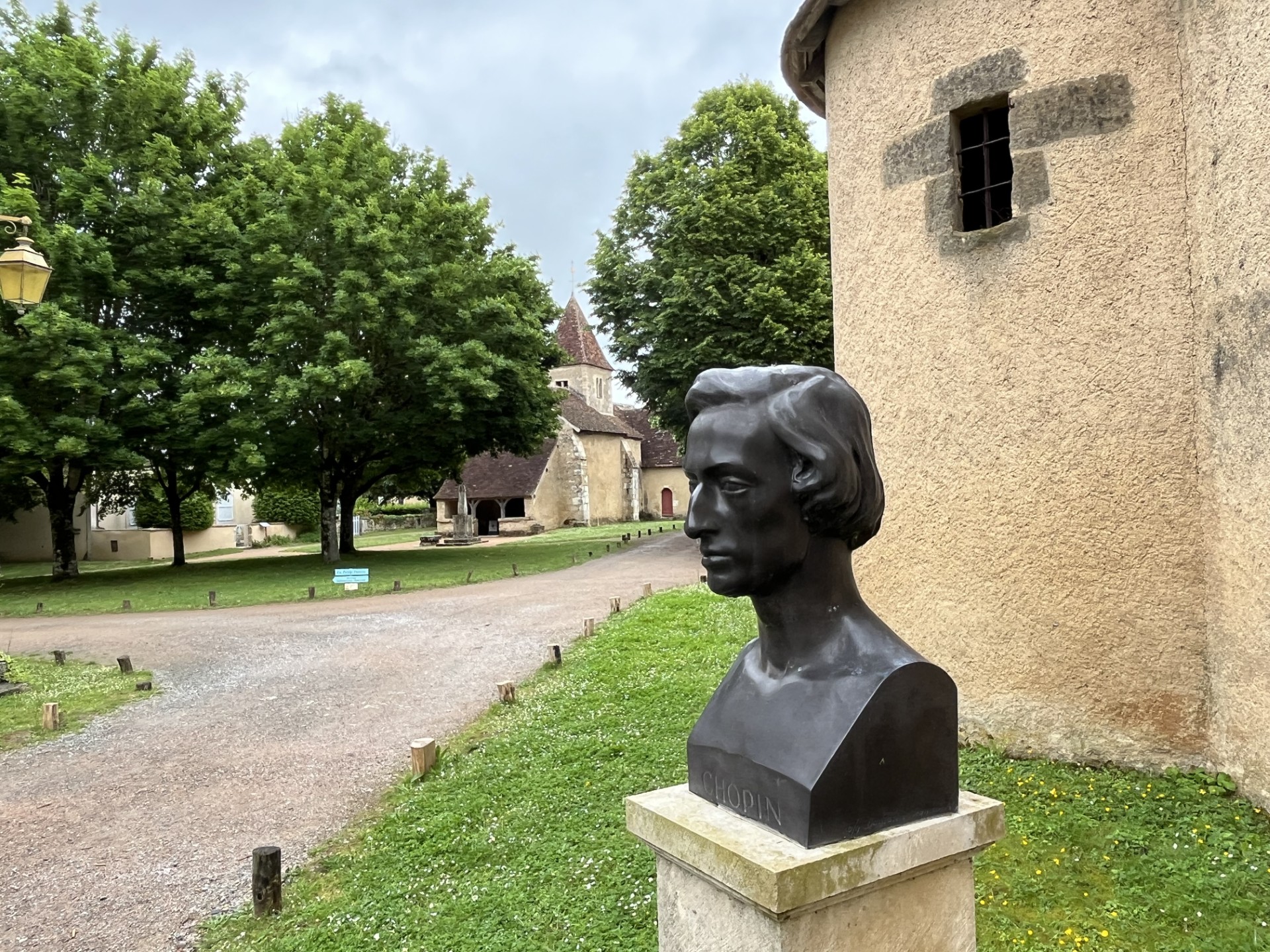
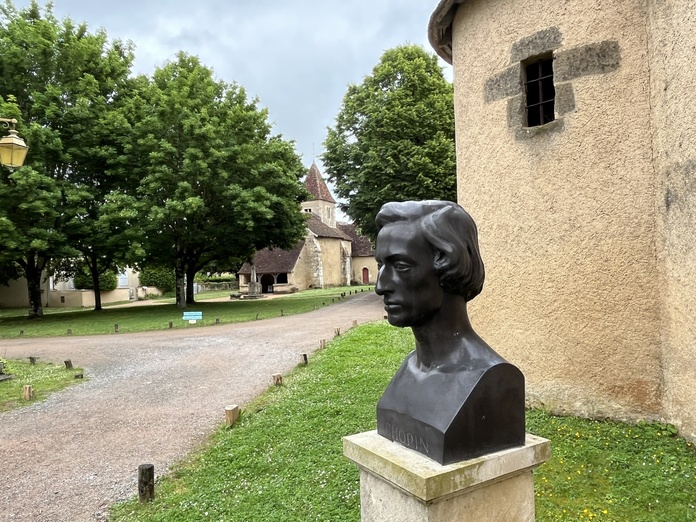
At the end of the street — in the Frédéric Chopin alley — which leads to RD 943, stands a bronze bust of the Polish pianist, who died in 1849, two years after his separation from George Sand.
The walk is free in the park, whose layout hasn’t changed since George Sand.
It comprises a rose garden — renovated in 2023 —, a cutting garden, a vegetable garden, an orchard, and a wilder, more romantic space crossed by winding paths and populated with large boxwoods and five remarkable trees — including a vast Japanese Sophora — that the writer knew.
George Sand had a true passion for this garden, dedicating several hours here each day, even managing to grow – with success – pineapples in the small conservatory.
Afterward, a short tour through the village of Nohant, with its low, sturdy houses, lime-washed and topped with slate or small tiles, where little has changed!
On the paved square, the small Romanesque church still seems prepared for the writer’s funeral, announced by a facsimile of her death notice and noted by a Figaro article posted on a panel.
At the end of the street — in the Frédéric Chopin alley — which leads to RD 943, stands a bronze bust of the Polish pianist, who died in 1849, two years after his separation from George Sand.
Sarzay Castle, Medieval Jewel of the Black Valley
Countless Places Featured in Her Novels
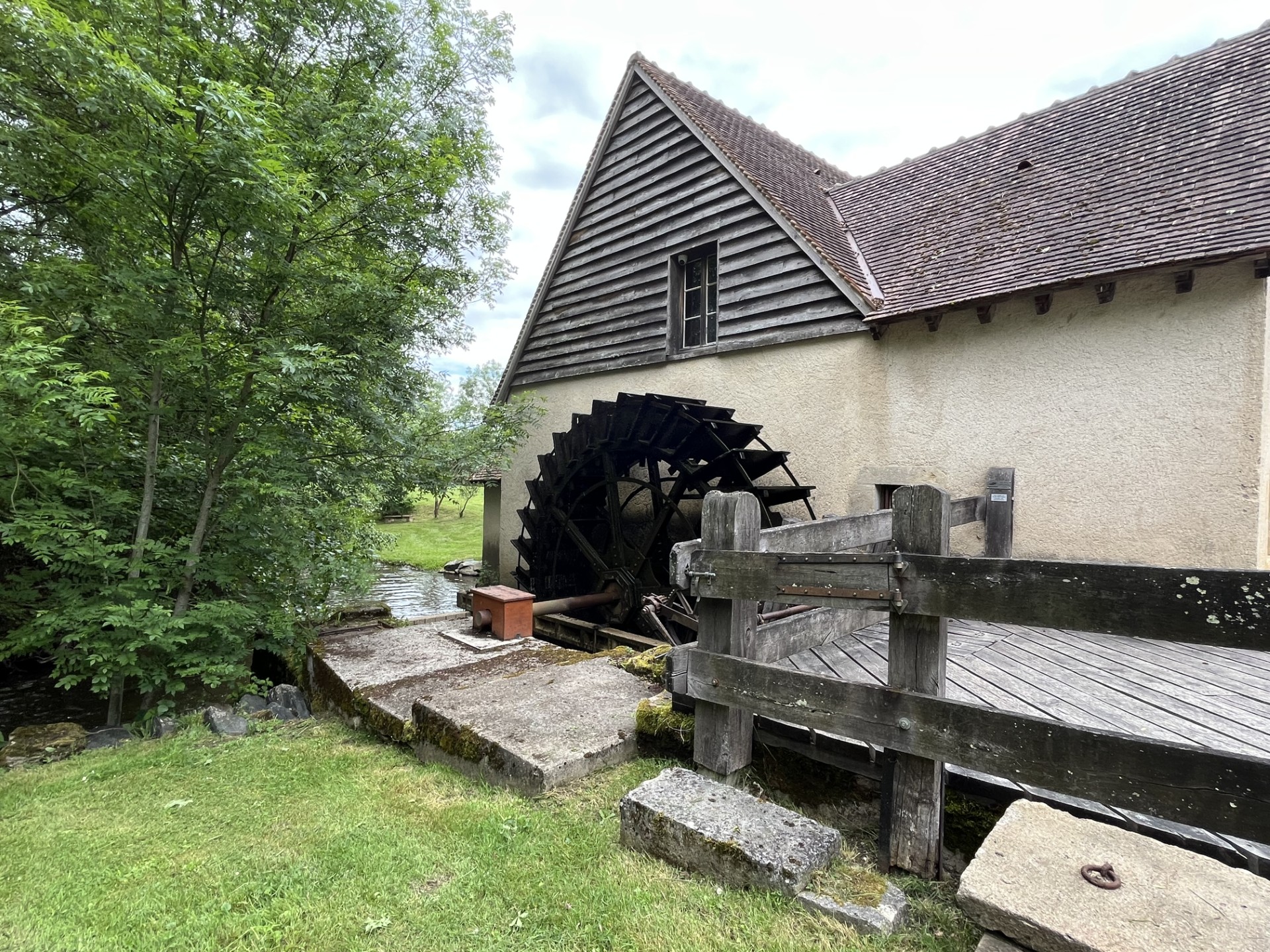
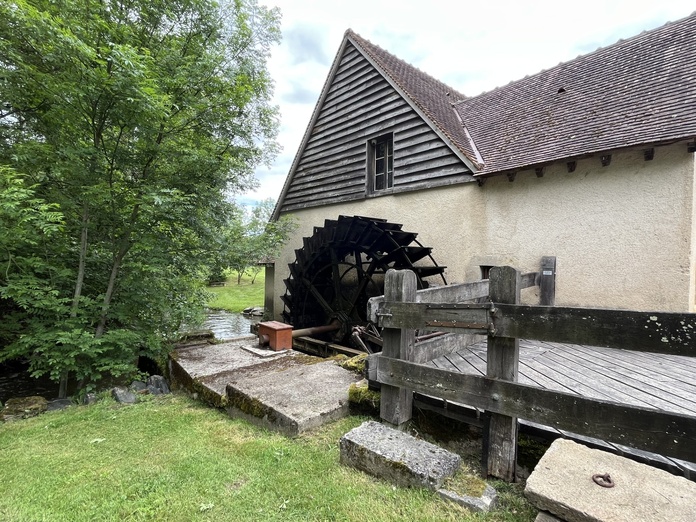
The Sarzay Castle can be visited, just as, not far away, at Montipouret, the mill where George Sand set the plot of her “The Miller of Angibault.”
Bordered by the Vauvre river, now part of a beautiful 7-hectare natural area, this mill renovated in 2016 is the last one in Indre still able to grind.
As you wander there, you better understand why George Sand wrote: “there are places that dispose us to an invincible tenderness…”
Just two kilometers away, in Mers-sur-Indre, in the Chanteloube woods, lies the mysterious “Mare au diable” that inspired the famous novel of the same name.
It is a pastoral intrigue in the Berry peasant world that George Sand often portrays with benevolence, not failing to keenly critique its flaws.
Bordered by the Vauvre river, now part of a beautiful 7-hectare natural area, this mill renovated in 2016 is the last one in Indre still able to grind.
As you wander there, you better understand why George Sand wrote: “there are places that dispose us to an invincible tenderness…”
Just two kilometers away, in Mers-sur-Indre, in the Chanteloube woods, lies the mysterious “Mare au diable” that inspired the famous novel of the same name.
It is a pastoral intrigue in the Berry peasant world that George Sand often portrays with benevolence, not failing to keenly critique its flaws.
In La Châtre, Eating Like George Sand
Next destination, La Châtre. This charming small town nestles along the Indre. Its museum dedicated to George Sand is unfortunately closed for renovations during the anniversary year.
By contrast, the Lion d’Argent hotel offers a “George Sand menu” (60€) but only… on holidays or by order.
Indeed, the dishes of the bourgeois cuisine dear to George Sand require lengthy preparation: Queen Margaux cream, Pistachio chicken quenelles, Sandre with Nantes butter, Beef hash in crust, Soft brioche cake…
This is a venture not undertaken by “La Table de Cérestine,” the excellent Lebanese restaurant in Chassignoles, which nevertheless pays homage to George Sand with a mini-exhibit.
By contrast, the Lion d’Argent hotel offers a “George Sand menu” (60€) but only… on holidays or by order.
Indeed, the dishes of the bourgeois cuisine dear to George Sand require lengthy preparation: Queen Margaux cream, Pistachio chicken quenelles, Sandre with Nantes butter, Beef hash in crust, Soft brioche cake…
This is a venture not undertaken by “La Table de Cérestine,” the excellent Lebanese restaurant in Chassignoles, which nevertheless pays homage to George Sand with a mini-exhibit.
Gargilesse, “the Most Beautiful Village in France”
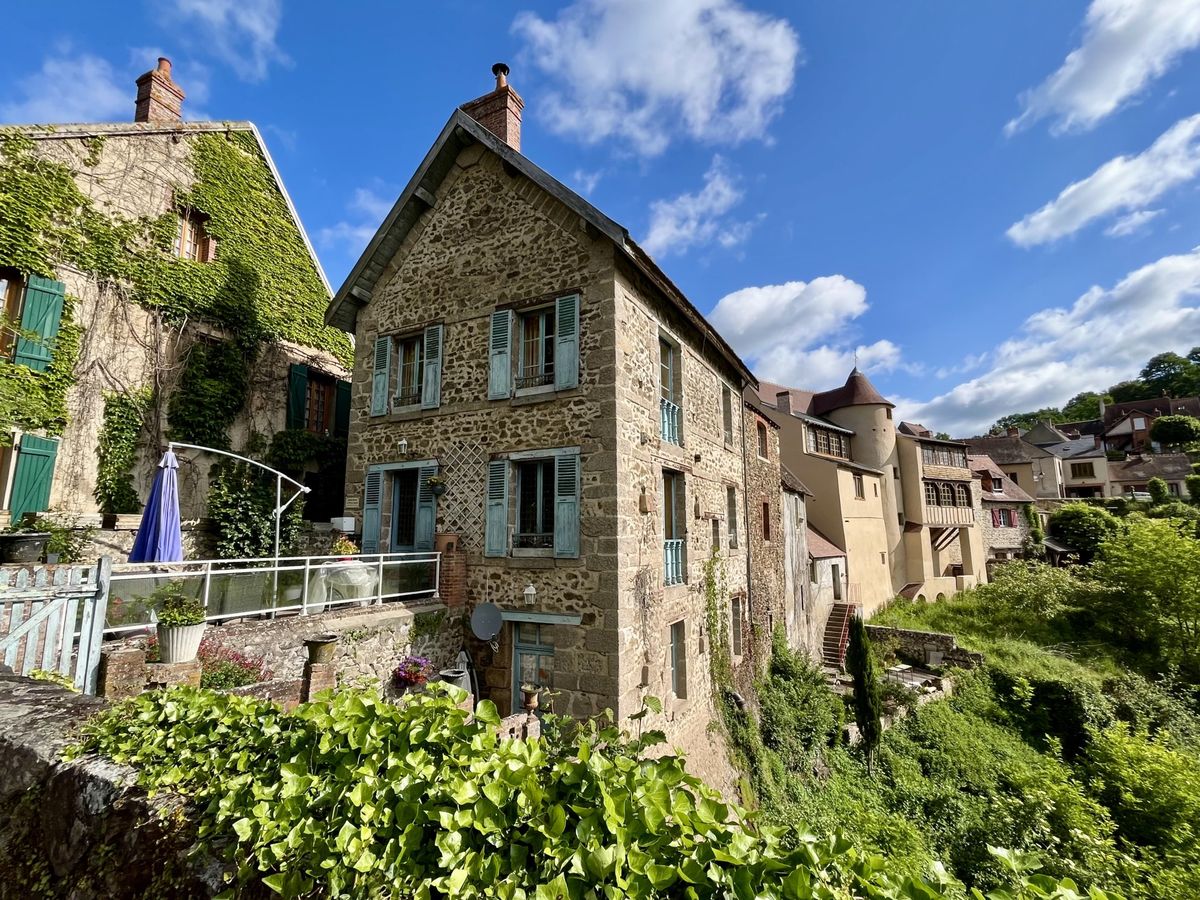
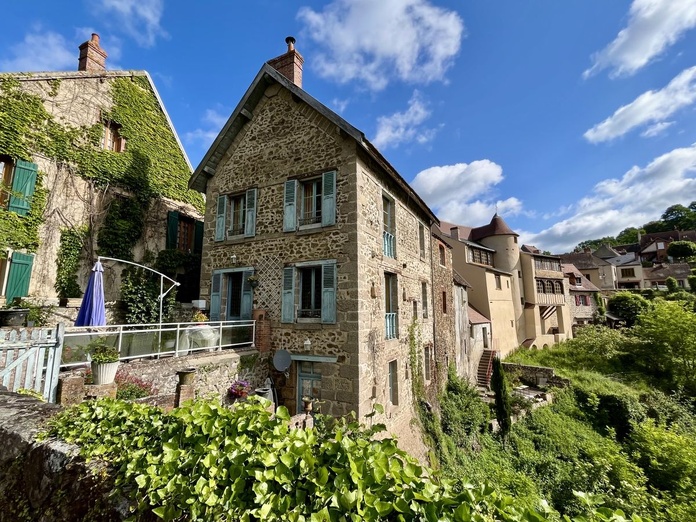
Final stop of this journey through a land home to countless castles, including the Château de la Rose with its elegant guest rooms: Gargilesse. It is one of the “Most Beautiful Villages in France”.
It clings to a slope in the Creuse valley where Armand Guillaumin, Léon Detroy, and also Claude Monet once set up their easels.
Lovers of nature, plants, insects and stones, George Sand and her last companion, the engraver Alexandre Manceau, stayed here several times before, in 1857, falling in love with Gargilesse.
Manceau quickly bought a cottage there, soon named Algira after a butterfly discovered during a walk.
This charming little house — slightly expanded later — furnished with period pieces houses natural history collections and objects belonging to the writer, as well as drawings by her son Maurice.
It is open for visits, in the company of the tireless Catherine Lienard, a friend (and heiress) of Christiane Sand, wife of the adopted son of George Sand’s granddaughter.
It clings to a slope in the Creuse valley where Armand Guillaumin, Léon Detroy, and also Claude Monet once set up their easels.
Lovers of nature, plants, insects and stones, George Sand and her last companion, the engraver Alexandre Manceau, stayed here several times before, in 1857, falling in love with Gargilesse.
Manceau quickly bought a cottage there, soon named Algira after a butterfly discovered during a walk.
This charming little house — slightly expanded later — furnished with period pieces houses natural history collections and objects belonging to the writer, as well as drawings by her son Maurice.
It is open for visits, in the company of the tireless Catherine Lienard, a friend (and heiress) of Christiane Sand, wife of the adopted son of George Sand’s granddaughter.
“George Sand, the Soul of the Landscapes”
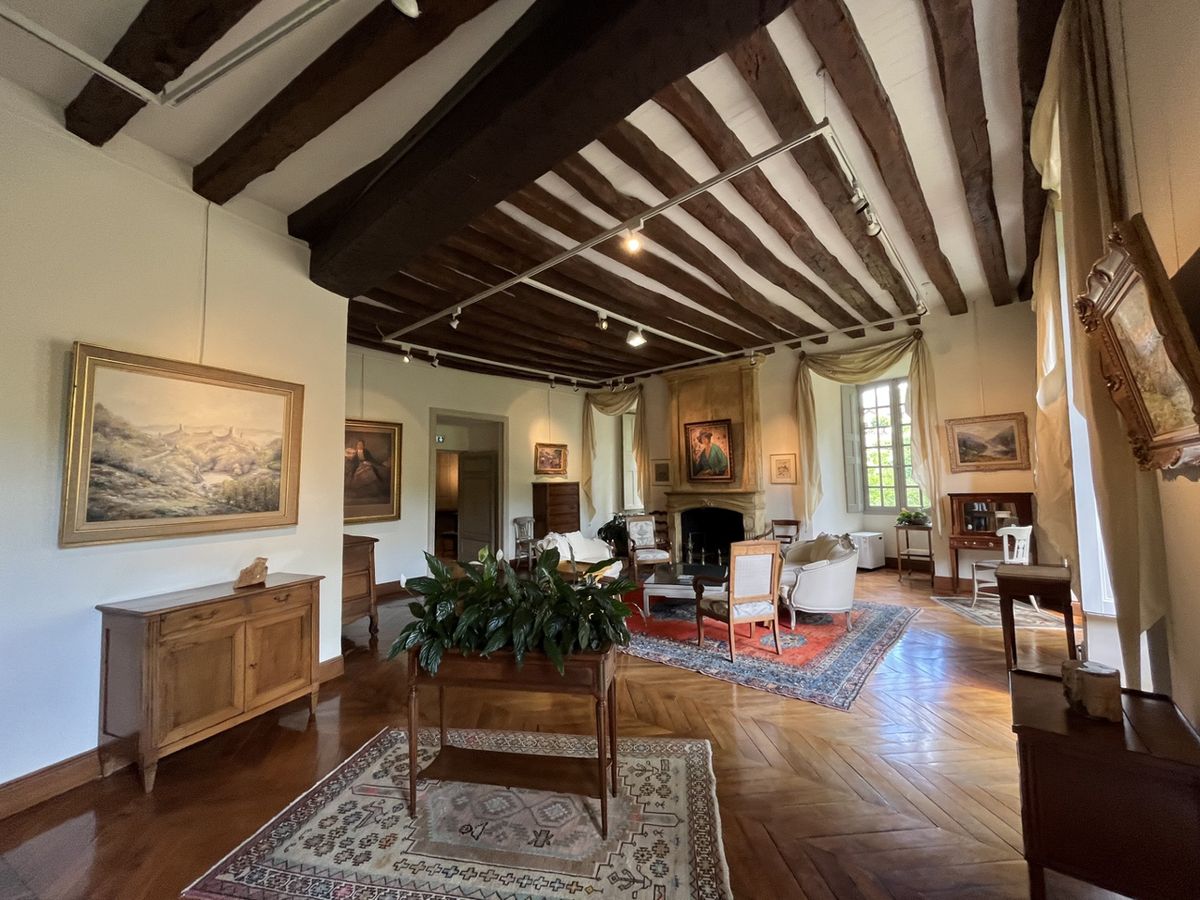
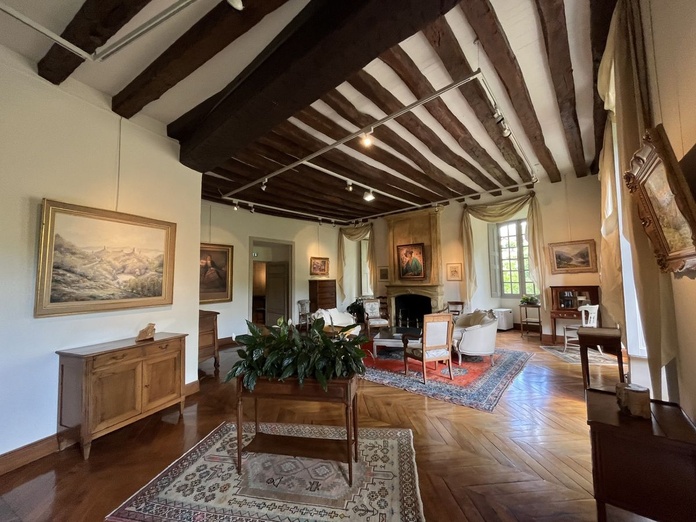
Set along the route of Saint-Jacques de Compostelle (and on the GR 100), well kept and flowered, Gargilesse (40 inhabitants) naturally has its own George Sand hotel-restaurant. It is a village of potters and artisans and, as Hélène Texier, deputy mayor, insists, “the harp capital.”
Adjacent to a oversized church (in the crypt, fine 12th-century frescoes), its 12th-century fortified castle, rebuilt in the 18th century, hosts from June 6 to September 20, 2026, in partnership with the La Châtre museum, “one of the most important events of the year-long anniversary 2026,” a year that will be marked by more than 110 events.
The purpose of this exhibition titled “George Sand, the Soul of the Landscapes” is — as curator Carine Stahl notes — to show that beyond their influence on her work, the writer’s attachment to the Berry landscapes also reflected her commitment to rural life and to nature.
George Sand, an eco-friendly pioneer before her time? Judging by her writings, it seems quite possible.
Adjacent to a oversized church (in the crypt, fine 12th-century frescoes), its 12th-century fortified castle, rebuilt in the 18th century, hosts from June 6 to September 20, 2026, in partnership with the La Châtre museum, “one of the most important events of the year-long anniversary 2026,” a year that will be marked by more than 110 events.
The purpose of this exhibition titled “George Sand, the Soul of the Landscapes” is — as curator Carine Stahl notes — to show that beyond their influence on her work, the writer’s attachment to the Berry landscapes also reflected her commitment to rural life and to nature.
George Sand, an eco-friendly pioneer before her time? Judging by her writings, it seems quite possible.
 Published by Paula Boyer Head of the LuxuryTravelMaG section – TourMaG.com
 See all articles by Paula Boyer


Ajoutez TourMaG à votre flux Google Actualités