A heatwave has settled over Europe since the end of May 2026. It strikes populations in suffocating waves as the summer holidays begin. A new vacation trend is already emerging—the “coolcation.” The idea: travel to places where the heat does not crush the mind and body. And this tourism reality in the midst of climate change has also reached Asia, which, according to the World Economic Forum, is warming twice as fast as the rest of the world.
In Japan—where temperature records had already been broken in the summer of 2025—CNN reports that this new reality has even given rise to a new word: kokusho-bi or “cruelly hot day.” But beyond the semantics, it is the whole range of tourism practices that is evolving in Asia. More and more travelers are willing to engage in activities very early in the morning or in the evening to avoid the daytime heat, for example. The company Get Your Guide has already noted a 70% surge in these time slots, CNN reports.
Last-Chance Tourism Is Taking Shape
It is hard to give up certain activities or outings because of the heat when you have come from very far—and paid a lot—to discover a region of the world. Especially since some destinations are widely threatened by climate change and are certainly in their last years as tourist destinations. This is the case for the Maldives, or the Pacific islands, for example.
To remain competitive and attractive despite heat waves, floods, or storms, all induced by global warming, destinations must redouble their ingenuity. In some countries, tourists are redirected from one region to another, milder between June and August—a period during which most of the Northern Hemisphere is on vacation. This is how, for example, the Hokkaido region in Japan has seen an increase in visitation in recent years.
Mongolia: A New Leading Asian Destination?
Tourist sites face another problem: the lack of regularity in the seasons and the difficulty of forecasting variations in climate and temperature. In Nepal, hotels have hired staff responsible for assessing climate risks year-round. Some hiking routes are thus closed for long months.
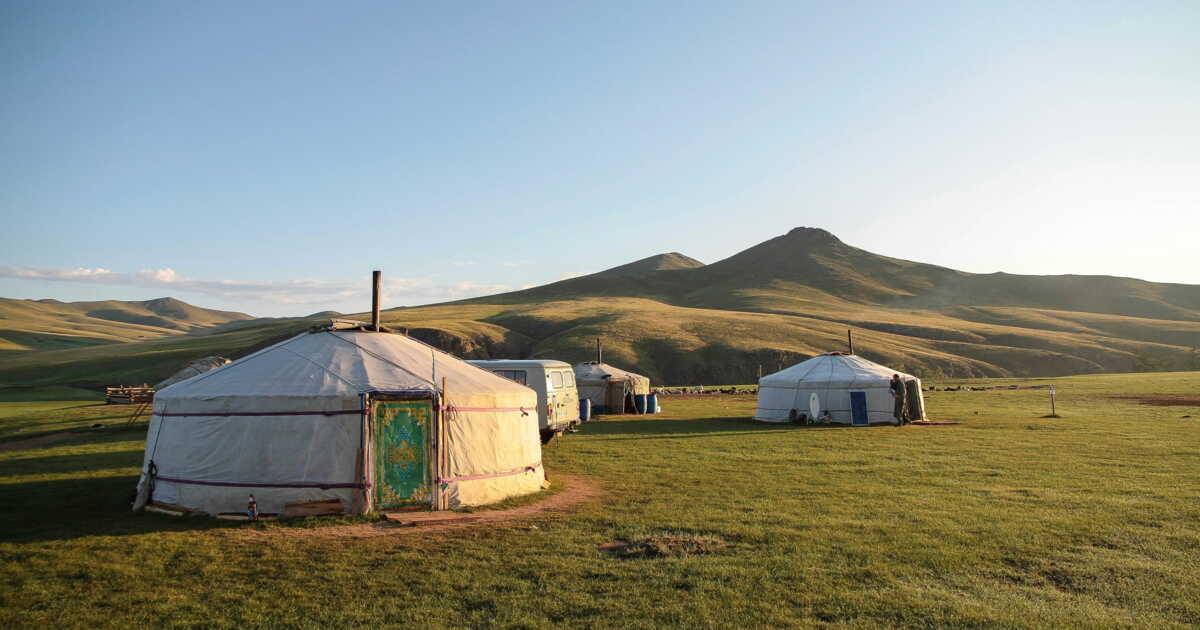
Other Asian countries are benefiting from this search for coolness. In the first half of 2026, the number of tourists rose by 33% in Mongolia. And authorities expect this rate to grow exponentially in the years to come. They are investing heavily in the construction of hotels and leisure activities in the capital, Ulaanbaatar.
Want to share your view on climate change in France? Participate in the photo contest The Climate Eye!