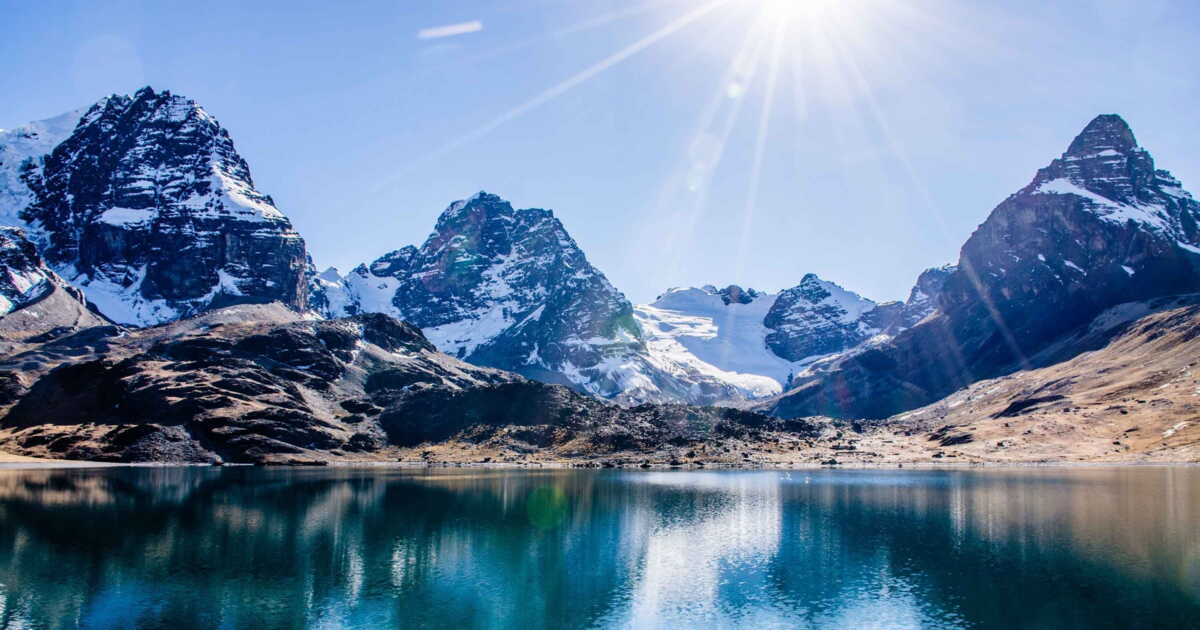
Nestled in the very heart of South America, Bolivia is a country that captivates with its varied landscapes and rich indigenous culture. From the striking Salar de Uyuni salt desert to the deep blue waters of the Lake Titicaca, every corner of the country offers a new adventure. For those wondering what to do in Bolivia, the range of activities and sites to visit is wide and captivating. Let us dive into an enriching account of the places and experiences this fascinating nation has to offer.
1. Discovery of Salar de Uyuni
The Salar de Uyuni is undoubtedly Bolivia’s most iconic site. It is the world’s largest salt flat, sprawling over more than 10,000 square kilometers. The most common way to reach it is to embark on a 4×4 excursion from Uyuni, traversing this surreal landscape that resembles a giant mirror after rain. Ultimate photo opportunities and endless reflections, this place is often described by travelers as an almost dreamlike experience. Take the opportunity to visit the Isla Incahuasi and Isla Pia Pia, which mark fascinating pauses in the heart of this expansive white plain.
2. Exploration of Lake Titicaca
Lake Titicaca, shared by Bolivia and Peru, is the highest navigable lake in the world. With its deep blue waters and the Andean mountains in the background, it provides a perfect backdrop for a serene getaway. From Copacabana, a picturesque lakeside town, embark on a boat to explore the Isla del Sol. This island, according to certain Inca legends, is the birthplace of the sun. Do not miss a short hike to its ancient ruins and to discover the life of local communities.
3. Discovering La Paz
La Paz, Bolivia’s administrative capital, sits in an Andean valley at more than 3,500 meters above sea level. One of the most effective ways to soak up this vertical panorama is to ride the Mi Teleférico cable car, which traverses the city in the air. On the ground, stroll through the Witches’ Market, where stalls teem with potions, talismans, and ritual objects. Not far away lies the Valley of the Moon, a geological landscape reminiscent of lunar expanses, perfect for a half-day escape.
4. Cultural Visit to Sucre
As the constitutional capital of Bolivia, Sucre is renowned for its well-preserved colonial architecture, often nicknamed the “White City.” UNESCO-listed, it captivates with its lime-white façades and cobbled streets. Visit the Casa de la Libertad, where the country’s declaration of independence was signed, and stroll through the botanical garden in the Bolívar Park for a natural pause.
5. Immersion in the Bolivian Amazon
Exploring the Bolivian Amazon, especially around Rurrenabaque, offers direct contact with tropical biodiversity. Organize an excursion into the pampas to observe caimans, pink river dolphins, and capybaras. For the adventurous, the surrounding jungles reveal epic treks, allowing you to grasp the nuances of this complex and rich forest.
6. Hiking in Sajama National Park
Sajama National Park is little known but promises breathtaking landscapes. Dominated by the spectacular Sajama volcano, the park is ideal for hiking and trekking, away from the beaten paths. Discover hot geysers and mysterious rock formations, as well as the local wildlife. The park also offers natural thermal baths, perfect for unwinding after a long day of trekking.
7. Time travel to Potosí
In Potosí, an ancient mining town perched above 4,000 meters, dive into Bolivia’s colonial history. The Cerro Rico dominates the cityscape and once fueled a large part of Spanish wealth. Visit the mines for a unique experience, but note that these tours can be intense. The baroque architecture of the city, with its churches and old haciendas, completes this journey into another era.
In conclusion, Bolivia is a destination rich in contrasts and varied experiences, blending spectacular natural landscapes with vibrant ancient cultures. Whether exploring salt deserts, navigating high-altitude lakes, or immersing oneself in the lively urban life, every traveler will find something to suit their tastes. As you explore the country, never forget to adopt a respectful approach toward local communities, thereby contributing to sustainable tourism that benefits everyone.
How many days does it take to visit Bolivia without missing the essentials?
A trip to Bolivia requires time to embrace the diversity of its landscapes, the richness of its Bolivian culture, and the scale of its geographic contrasts. Given the long journeys, the altitude in Bolivia (often above 3,500 meters), and sometimes limited infrastructure, a minimum of 12 to 15 days is recommended.
This timeframe allows you to cover the most emblematic itineraries: Lake Titicaca, the Cordillera Real, the historic center of Sucre, the cities of Bolivia like La Paz, and of course the vast Uyuni salt desert. Each day on the road is a day that shapes your journey, marked by a spectacular viewpoint or a meeting in a small village of the wild state. The country reveals itself slowly, at the pace of elevations, local markets, and travel guides who illuminate this unique territory.
Is Bolivia an expensive destination for travelers?
Bolivia remains one of the most affordable countries in South America, despite some localized increases. Tourism prices often drop according to the season, and the cost of this type of travel will largely depend on lodging, transport, and guiding choices.
In the cities of Bolivia, it is common to stay in comfortable hotels at a very accessible price. Intercity bus journeys, frequent and inexpensive, allow long distances to be covered, though the trip to Sucre can take longer than expected. Meals at markets or local restaurants are also very affordable.
However, some more technical activities, such as expeditions to the Laguna Colorada or toward natural pools in the north of Bolivia, can reach higher rates, especially if guided by a French-speaking or certified guide. Nevertheless, prices in Bolivia remain lower than those of neighboring countries for comparable services.
What to do in Bolivia in 2 weeks for a balanced itinerary?
Over two weeks, a well-structured stay in Bolivia can offer a dense and organized overview of the country. After a starting point in La Paz, often marked by a unique atmosphere blending urban chaos and Andean spirituality, head to Lake Titicaca. Then proceed to Sucre, with its mild climate, to explore its cathedral of Sucre, its religious buildings, and its UNESCO-listed historic center.
Continue toward the southeast direction, toward the vast Salar de Uyuni, the Laguna Colorada, and the Andean flamingos. The bus journey is long, but the landscapes offer a splendid view to the horizon. Also include a stop in the north of Bolivia, in the Rurrenabaque jungle, to discover lush vegetation, rare bird species such as colorful macaws, and to enjoy natural pools in a preserved environment. Each step becomes a beautiful discovery, to be savored with the help of a good guide.
Altitude in Bolivia: how to manage the effects of altitude on the body?
Altitude in Bolivia poses a real challenge for many travelers, especially during the initial days in La Paz or in the high-altitude region near Uyuni. At over 3,600 meters, the symptoms of altitude sickness can appear: headaches, shortness of breath, and fatigue. It is advisable to allow time for acclimatization, such as staying in a well-located hotel at the start and avoiding strenuous exertion during the first 48 hours.
Local coca infusions and the guidance of a guide can be valuable aids for this transition. Altitude also conditions the route to La Paz, the pace of treks, and how your body responds, which should be listened to carefully in order to enjoy a trip to Bolivia without major discomfort. A good travel guide will spell out these essential precautions for each month in Bolivia, depending on climate and chosen itineraries.
Traveling in Bolivia: what are the real dangers and precautions to take?
Traveling in Bolivia is generally safe, provided you adopt informed and respectful behavior. Some urban areas or remote zones require particular vigilance, but reliable travel guides and French-speaking guides on site offer effective supervision. Classic precautions include monitoring personal belongings, being cautious with night transports, and choosing recommended hotels through reliable platforms.
One major concern is often the Death Road near La Paz, famous for its vertiginous cliffs. While spectacular, this route should only be undertaken with certified operators. The same goes for certain regions in the north of Bolivia, where the wild state of the area requires careful organization. In short, Bolivia isn’t riskier than other South American destinations, provided you take the time to research, especially about the best months in Bolivia for each type of itinerary.
Road Trip in Bolivia: how to build an exceptional itinerary?
To craft an exceptional road trip in Bolivia, start from a simple idea: alternate highland atmospheres, characterful cities, and unreal landscapes, without chasing after miles. Begin in La Paz, the dizzying gateway, to acclimate, then head to the Lake Titicaca and Copacabana, where the route takes on a sacred dimension.
Descend to Sucre, elegant and bright, before reaching Potosí and its Cerro Rico, a raw memory of the country. The finale of the journey prepares itself: devote two to three days to the Salar d’Uyuni, the lagoons of the South Lípez, the geysers, the pink flamingos, and the freezing nights beneath the stars. The key? Plan reasonable stops, hire a 4×4 with a local driver, allow margins for altitude, weather, and road conditions, and then choose the season according to the experience you seek: mirror-like water or a sculpted salt desert. In Bolivia, the perfect itinerary is not the densest one, but the one that makes the vertigo turn into emotion.
This article was drafted with the help of artificial intelligence, then corrected, expanded, and validated by the journalists of the editorial team.