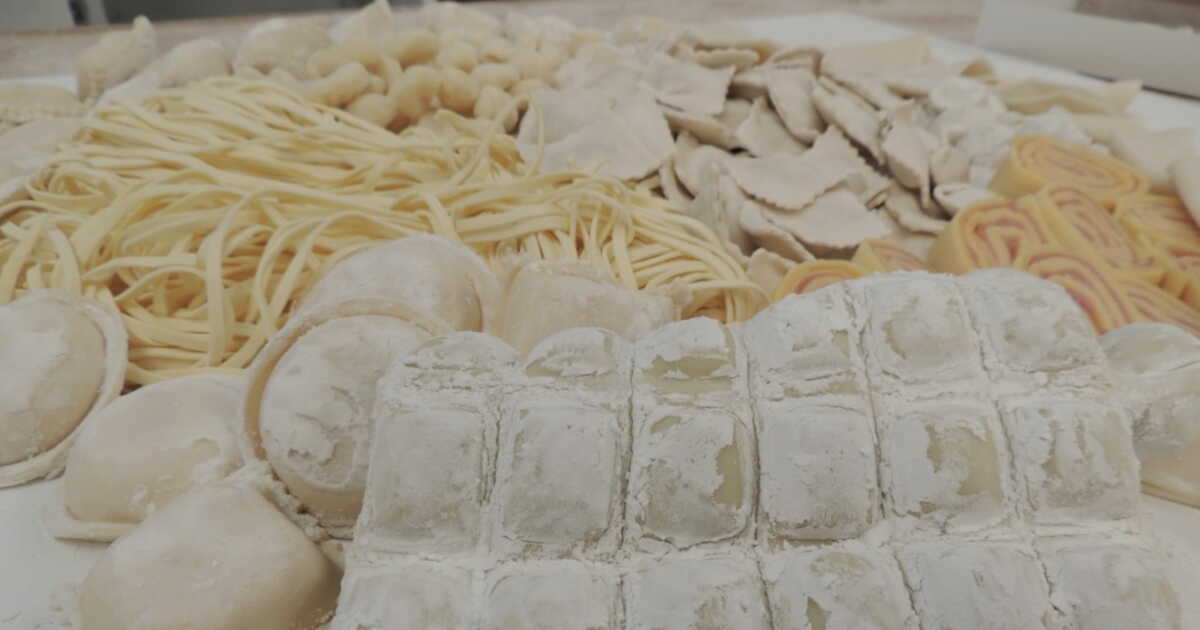
Learning to make pasta with an Italian grandmother, cooking in an Irish home, or visiting Tokyo with a local grandma… A new travel trend is captivating an increasing number of younger generations. Called “NonnaMaxxing” or “grandma tourism,” this phenomenon responds to a quest for authenticity, the transmission of know-how, and comfort, far from traditional tourist circuits.
When grandmothers become the best travel guides
For a long time, tourist experiences leaned on quirky activities or thrills. But today, a portion of travelers seeks something entirely different: intergenerational encounters with older women who pass on their know-how and everyday life.
This trend is part of the continuity of the movement “#Grandmacore,” which accumulates nearly 800 million views on TikTok and highlights activities associated with grandmothers, such as cooking, sewing, or knitting.
According to a GetYourGuide study, a platform for comparing and booking leisure activities, 76% of Gen Z travelers (born between 1997 and 2012) surveyed in France, Germany, the United Kingdom and the United States would be willing to book an activity inspired by grandmothers. Among the most popular experiences are pasta-making classes with an Italian grandmother (nonna), or guided tours led by Japanese retirees.
For Brittany Diego, a 32-year-old stylist based in Los Angeles, her pasta-making class in the home of a nonna near Rome was the highlight of her trip. “There were many pasta-making classes offered. But learning with an Italian grandmother seemed the most authentic option, and it fully met my expectations”, she tells the BBC.
Beyond the recipe, she mainly remembers the warmth of the welcome. “My nonna spoke very little English, but we still forged a connection through smiles, gestures and cooking together. We shared an aperitif and bruschettas before making the pasta”, she explains. Despite the language barrier, this experience left her with new friends and the feeling of being welcomed as a family member.
An experience beneficial for both young people and seniors
These stays are appealing not only for their cultural dimension. They also meet a need to slow down and to forge human connections in a daily life that is highly connected.
In Japan, some services even offer to “rent a grandmother” to share a day, cook together, or discover a city. Professional skateboarder Brooke Johnson spent a day in Tokyo with a retired woman named Misa. Together, they visited the Tsukiji Market, tasted sushi and wagyu beef, before playing in an arcade.
“Even though Misa and I didn’t speak the same language, somewhere between meals, laughter and claw machines, I no longer felt like I had rented a grandmother, but like I was part of a family”, she shared on her social media.
For psychologist and author Terri Apter, a specialist in family relationships, these exchanges benefit both generations. The younger benefit from the experience and knowledge of their elders, while the older derive a real well-being boost from this transmission. “Young people will undoubtedly receive a very warm welcome from the elderly. If we look at the different stages of development over life, one of the needs of old age is what is called generativity, the act of giving. Being in contact with young people and passing on knowledge is extremely beneficial for the mood, health, and longevity of older people”, she tells the English media.
Kate Wright, who hosts travelers in her Galway kitchen to teach them traditional Irish recipes, also notes this enthusiasm. “Many of these recipes are passed down from generation to generation, and it’s very rewarding to keep these traditions alive while sharing them with the younger generation”, she tells the BBC.
According to her, these workshops also help disconnect from screens and find a calmer pace. “In a world where we spend so much time on our phones and with technology, cooking classes offer the chance to unplug. Visitors often say they enjoy meeting new people, listening to their stories, and leaving with recipes and memories that endure well after the trip ends,” she concludes.