25°C in full sun, with occasional crosswinds welcome: in the face of extreme heat, vacationers are steering more toward destinations known to be cooler. But is this trend enough to permanently alter the geography of global tourism?
“The visitors I’ve hosted this year told me they were coming to escape the intense heat of southern Europe”, explains to AFP Terje Viblom Pedersen, a tour guide who leads expeditions in Sweden’s southeast.
Cool destinations enjoy growing interest
Tourists are “amazed when they arrive here”, he describes, painting a picture of maximum temperatures under 30°C. “When I tell them we’re in the peak of the summer season, they’re surprised”, because “there is plenty of space and the atmosphere is relaxed”.
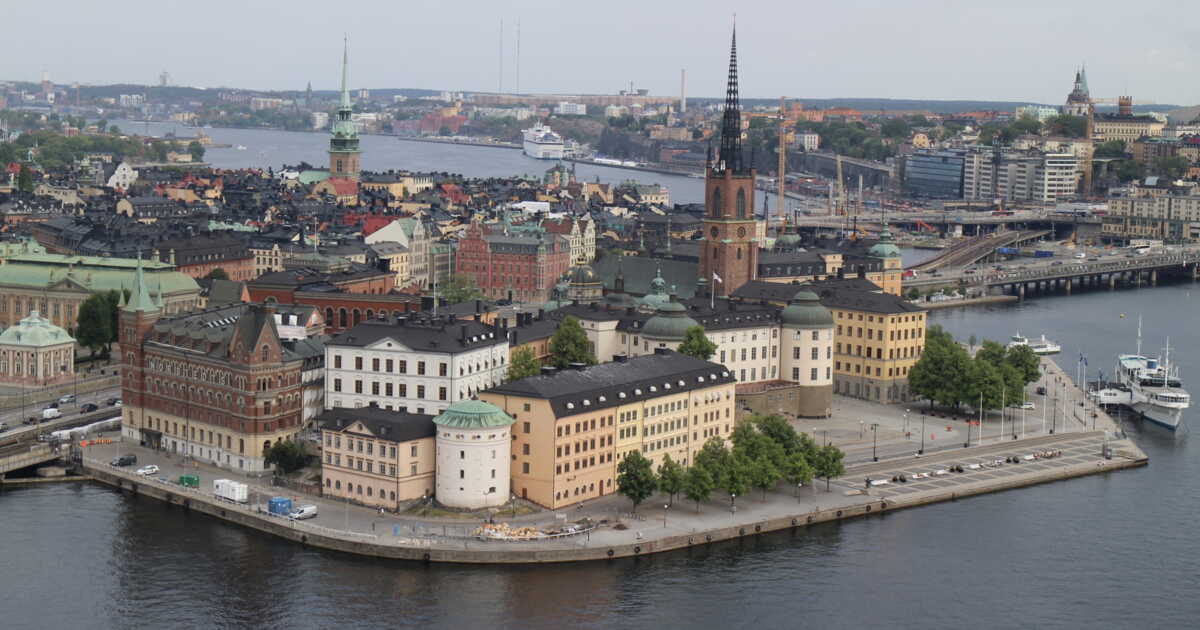
In Stockholm’s old town, just before the rain, a couple of French tourists share the moment as well. Daniel and Florence Gastaldi, recently retired, had booked their trip in the spring, before the heat waves hit. Nevertheless, “being from Marseille, we’re quite happy to find the coolness here”, they say.
The trend of “coolcations”, a concept born from blending cool (fresh) with vacations, seems to be solidifying year after year.
In France, “towns like Saint-Claude in the Haut-Jura (in the east of the country) recorded much higher July tourist numbers than in previous years”, explains Jean-Pascal Chopard, director of Jura Tourisme. “Because at altitude, there is a noticeable cooling in the evening and at night, which makes stays much more livable.”
In Normandy too, the effect is felt. “There has always been a habit of leaving Paris on weekends to come to the Calvados coast when it’s hot (…) . And the daily attendance has become denser” during heat waves, adds Karl Joly, director of Calvados Attractivité.
When one sweats heavily, other countries beyond the Mediterranean rim begin to dream. On the Hotels.com France platform, searches for bookings to Copenhagen, Denmark jumped 246% since the first heatwave of May, and those for Dublin, Ireland rose 151%.
A trend echoed in the United States, notes Jonna Robertson, travel advisor at Fora Travel. According to data from this American travel startup, “Oslo has recorded a 154% year-over-year growth in bookings, Helsinki 124%”, while Alaska (USA) or Patagonia (Argentina) could also benefit, explains the expert, founder of Coolcation Adventures.
The sun’s pull remains an attraction that is hard to dethrone
Can this enthusiasm nonetheless reshape the geography of international tourism? After all, Southern Europe, cheaper than the north, remains at the top of favored destinations.
“All European countries have seen an increase in tourist arrivals and there is no discernible trend tied to the heat”, says Swedish tourism professor Stefan Gossling.
“Temperature is one aspect people consider when they go on vacation. But there are many other factors. Italy isn’t Denmark in terms of culture, environment, or price. All of this means people do not easily switch destinations when they have a preferred one”, he adds.
The Norwegian tourism promotion agency confirms: “Our recent surveys of visitors show that about one in five foreign tourists view cooler summertime temperatures as part of the reasons to choose Norway.” Yet, it reminds, “climate is only one of many factors that influence travel decisions”, to which safety, nature, accessibility, air links, and exchange rates are added…
Attendance figures continue to underscore the prominence of warm-weather countries. Greece, for instance, last year posted its best year in visitor numbers, as did Spain.
For Spain, spending by both local and foreign tourists had already risen by more than 8% in the second quarter of 2026, according to data published by Exceltur, the association that brings together the main Spanish tourism companies.
Jonna Robertson, meanwhile, expects a seasonal shift and departures toward warmer countries in spring or autumn, aiming to avoid both overtourism and exhausting temperatures.