These hikes, sometimes demanding, are guided by seasoned leaders and often include overnight camping. Embark on a journey in search of cultural immersion and varied adventures. World-renowned for its Mayan heritage, its breathtaking volcanic landscapes, and its exceptional biodiversity, Guatemala offers a myriad of activities and must-see sites. Whether you’re a history enthusiast, a nature lover, or a seeker of thrills, Guatemala is sure to captivate you. If you’re wondering which activities to prioritize during your stay, here is a detailed guide to help you plan an unforgettable itinerary.
1. Explore the colonial town of Antigua Guatemala
Antigua Guatemala is a must-see stop on any trip. This former colonial capital, a UNESCO World Heritage site, charms with its cobbled streets, its historic churches, and its breathtaking views of the surrounding volcanoes. You can lose yourself in its lanes and admire the Baroque architecture of the buildings, visit the local markets to discover Guatemalan craftsmanship, or enjoy a coffee in one of its many cafes.
2. Discover the archeological site of Tikal
Hidden in the jungle of the Petén department, the legendary site of Tikal stands as one of the greatest Maya archaeological sites and urban centers. Renowned for colossal temples like the Temple of the Great Jaguar and the Temple of the Masks, Tikal’s ruins offer a spectacular panorama of the surrounding rainforest, especially at sunrise or sunset. Don’t miss the chance to observe local wildlife, such as howler monkeys and numerous bird species, while wandering this ancient complex.
3. Cruising on Lake Atitlán
Lake Atitlán, encircled by three imposing volcanoes and a string of indigenous villages, is another Guatemala treasure. You can take boat excursions to visit villages like San Pedro La Laguna and Santiago Atitlán, where you can immerse yourself in the local culture and its traditions. The region offers a wealth of activities ranging from hiking to kayaking or yoga by the lakeside.
4. Swim at Semuc Champey
Semuc Champey is a series of turquoise pools tucked into a lush forest valley. It’s the perfect spot to unwind and recharge in nature. A hike will lead you to an overlook offering a spectacular view of this natural formation. Exploring the Kan’ba caves, shrouded in darkness, is also an experience for the more adventurous.
5. Climb the Pacaya volcano
The ascent of the Pacaya volcano is an adventure offering sweeping views of the surrounding valley. The volcanic activity here is captivating: you can even toast marshmallows over rocks heated by the volcano’s intense geothermal activity. This excursion is typically a day or a half-day from the city of Antigua.
6. Wander through Chichicastenango market
Head to Chichicastenango to discover one of the most lively and colorful markets in Guatemala. Open on Thursdays and Sundays, this market is famous for its handwoven textiles, traditional masks, and artisanal objects. It is also a place of religious syncretism where Mayan spiritual rites and Catholic traditions mingle.
As you travel through Guatemala, you’ll have the opportunity to explore fascinating historic sites, venture into breathtaking natural landscapes, and immerse yourself in a rich and vibrant culture. Whether you choose to climb a volcano, relax by a lake, or converse with local artisans, your Guatemalan journey will be filled with discoveries and emotions. To extend your adventure, let yourself be inspired by the many other unique experiences this country has to offer.
Where is Guatemala located and why does this Central American destination deserve renewed attention?
Situated in Central America, between Mexico, Belize, Honduras, and El Salvador, Guatemala stretches from volcanic highlands to the Pacific coast, passing through the core of the jungle in the northern Guatemala. This country, with its lush vegetation and deeply rooted traditions, captivates by its ability to fuse raw nature with Guatemalan culture.
In a few kilometers you can move from a tiny paradise like Lake Atitlán, listed among the most beautiful lakes in the world, to wild black-sand beaches or to Maya temples buried in the tropical forest. This geographic setting makes it a land of contrasts, and explains why Guatemala attracts an increasingly curious audience seeking authenticity.
What is the capital of Guatemala and what does it reveal about the modern country?
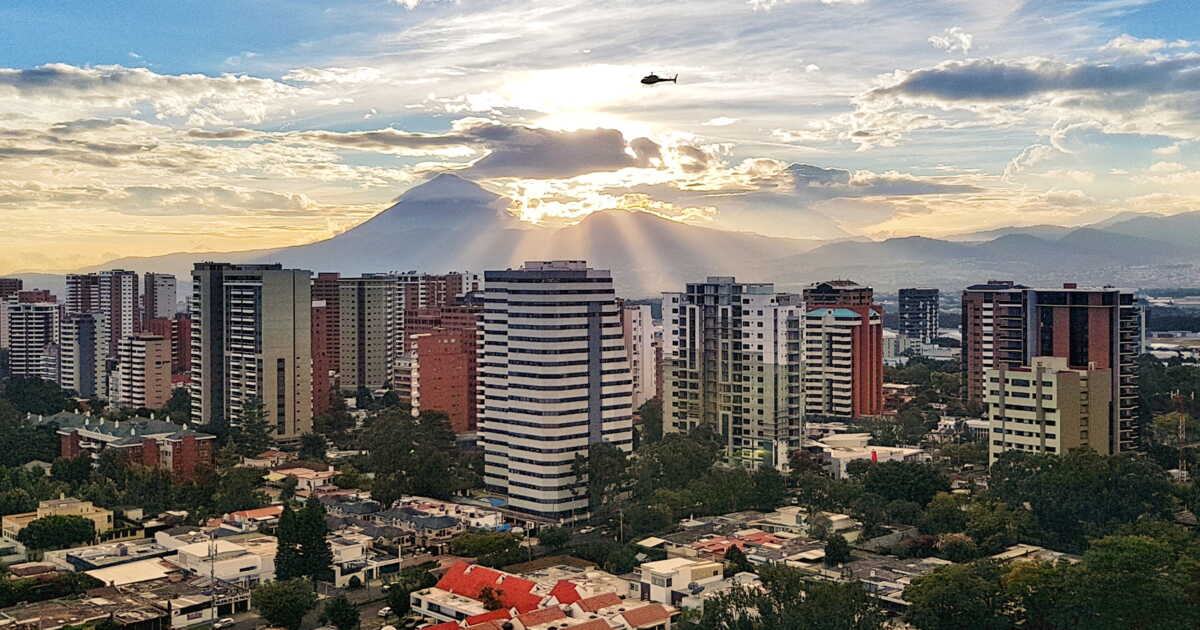
Guatemala City, also known as Ciudad de Guatemala, this sprawling metropolis reflects the urban tensions and dynamics of Central America. Located not far from the old capital of Guatemala, Antigua, Guatemala City hosts the major institutions, including the National Museum of Archaeology and Ethnology (MUNAE), a fascinating guardian of pre-Columbian memory and Indigenous cultures. It’s almost a required stop during a Guatemala stay, especially for those who wish to explore the rest of the country.
How long does it take to visit Guatemala and explore its major sites?
A full week can be enough to explore a few unmissable sites such as Antigua, Lake Atitlán, and the Chichicastenango Market, but for a deeper immersion into the country’s diversity, two to three weeks are recommended. This allows time for a visit to Antigua, the exploration of the tropical rainforest toward Semuc Champey, a river excursion on the Rio Dulce to Livingston, or a trek across volcanoes. Splitting your days in Guatemala by region (highlands, jungle, beaches) helps you grasp cultural and geographic variations. The ideal plan is a balanced stay in Guatemala between nature, heritage, and encounters, taking into account the best season, typically from November to April, outside the rainy season.
How to get around Guatemala and which options suit travelers?
The network largely relies on repurposed American school buses known as “chicken buses,” cheap but often uncomfortable for long trips. For more comfort, many travelers opt for private or shared shuttle drivers, ensuring efficient connections between Guatemala City, Antigua, Lake Atitlán, or Semuc Champey.
Major roads are passable, but some rural areas require a suitable vehicle. Boat links complement the offering, especially on the Rio Dulce or toward villages like San Juan La Laguna. To guarantee a smooth stay in Guatemala, it’s wise to avoid overnight trips and to check schedules in advance, particularly in the northern Guatemala, which is more isolated.
Discover which volcanoes can be climbed in Guatemala and how to incorporate them into your itinerary?
Guatemala counts more than 30 volcanoes, with several accessible to hikers. The most famous remains the Acatenango summit, whose ascent offers a face-to-face view of the spectacular activity of the Fuego volcano. Around the city of Antigua, one can also undertake the Pacaya trek, more approachable, renowned for its fields of volcanic rocks and intense fumarolic activity.
These hikes, sometimes demanding, are guided by experienced guides and often include overnight camping. Trekking in the Guatemala volcanoes also means crossing a lush vegetation, observing lunar-like landscapes and immersing yourself in the Guatemalan culture, where volcanoes play a major spiritual and mythological role.
Dangers in Guatemala: what guidelines to travel safely?
While some urban areas, notably Guatemala City, carry risks linked to crime, the vast majority of tourist regions, such as Antigua, Lake Atitlán, Semuc Champey, or Livingston, are safer when basic precautions are followed. Do not display valuables, avoid unaccompanied night travel, and opt for reliable shuttle drivers as simple rules to observe.
The Guatemalan culture values hospitality and exchange, and travelers are often warmly received. Traveling in Guatemala requires prudent awareness, but it should not obscure the richness of a country still largely untouched by mass tourism, where every encounter matters.
The landscapes of Guatemala: an exceptional geographic diversity to explore
Exploring Guatemala’s landscapes means opening a living atlas of reliefs, lakes, forests, and volcanoes. The country is marked by rare geographic diversity: green highlands around Antigua, spectacular lakes like Lake Atitlán, black-sand beaches on the Pacific coast, and dense tropical rainforest in the northern region.
This natural wealth is reflected in places like Semuc Champey, known for its turquoise pools at the bottom of a gorge, or the Rio Dulce, a waterway cutting through the heart of the jungle. The best period to admire this nature runs from November to April, outside the rainy season. Each region offers a palette of colors, sounds, and ambiances, reinforcing the image of Guatemala as a little paradise for lovers of untouched and powerful landscapes.
Languages in Guatemala: which tongues are spoken and why this matters for travelers?
While Spanish is the official language, Guatemala stands out for its presence of more than twenty Mayan languages spoken in rural areas. Communities such as those in San Juan La Laguna, around Lake Atitlán, preserve and teach their mother tongue, thereby strengthening the Guatemalan culture in all its complexity.
During a stay in Guatemala, it is useful to master a few basics of Spanish, especially to communicate outside the tourist zones. This linguistic richness testifies to the survival of ancient civilizations, far beyond museums, in the daily life of residents. It also represents a strong element of a respectful and enriching journey, beyond the must-see sights.
This article was written with the help of artificial intelligence, then corrected, completed, and validated by the editorial team.