The Louisiana sits at the crossroads of American, French, and Spanish influences, presenting a unique mosaic of traditions and landscapes. This southern state of the United States is renowned for its rich history, lively festivals, and distinctive cuisine. Whether you are drawn to culture, nature, or music, Louisiana has something to offer every visitor. As you arrive, a pressing question often comes to mind: which activities should you prioritize? Let’s explore together some of the most captivating experiences this state has to offer.
1. Discover the French Quarter of New Orleans
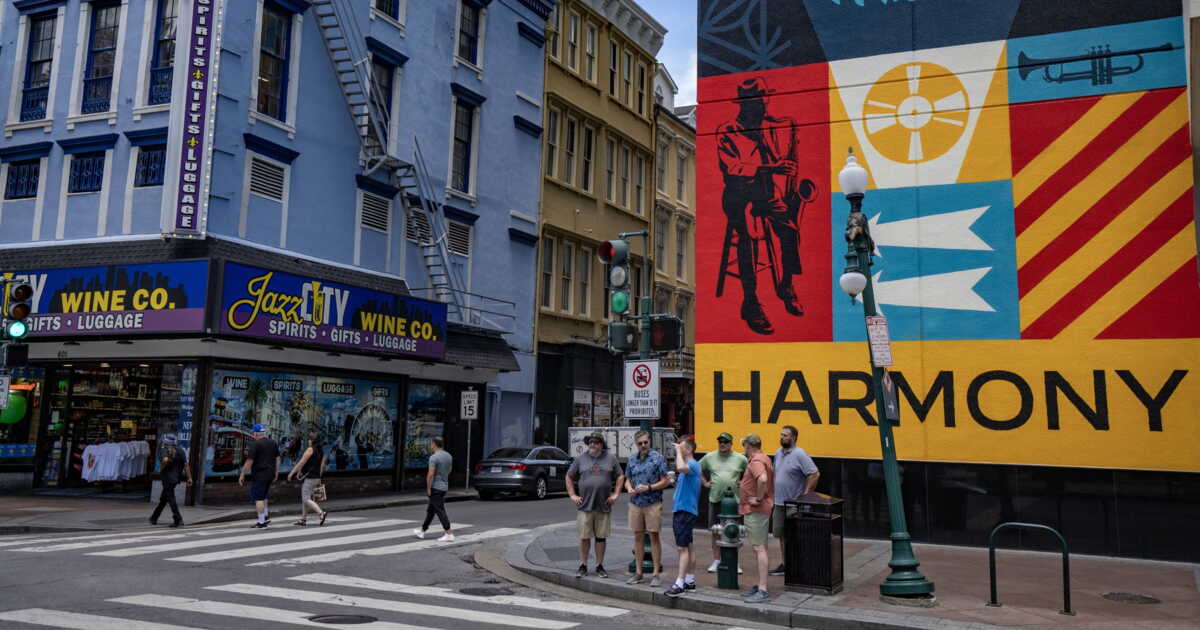
The French Quarter, the historic heart of the city of New Orleans, is a must-visit stop for any Louisiana journey, both for its heritage value and for the diversity of outdoor activities it allows you to observe or engage in. This iconic district enchants visitors with its colonial architecture, featuring wrought-iron balconies, colorful façades, and a density of streets that testifies to the French and Spanish influences. As you stroll along its bustling avenues, you will encounter Jackson Square, a central gathering place where musicians, street performers, and passersby mingle in a lively atmosphere that perpetuates the region’s cultural legacy.
Nearby, Frenchmen Street provides an authentic glimpse into the local jazz scene, with intimate clubs and live performances embedded in the African American Heritage Trail. This historic neighborhood also offers a culinary scene defined by regional specialties such as gumbo and beignets, emblematic of Creole cuisine.
Extending the exploration toward the bayous or the surrounding natural areas, you can deepen this immersion with a nature trail or a wildlife-focused visit, especially within institutions like the House of Cultures or the National Museum. This territory thus blends cultural richness, social memory, and natural environment into a coherent and structured discovery.
2. Visit the Historic Plantations
The Louisiana hosts a remarkable collection of historic plantations, whose preservation today helps illuminate the economic, social, and human dynamics that shaped the region. Among them,
For travelers deeply engaged in a Louisiana journey, these sites also fit within heritage-enrichment routes such as the African American Heritage Trail, contributing to a deeper understanding of slavery’s past and the region’s cultural legacies. In addition, some estates incorporate nature trails that reveal local wildlife, adding an environmental dimension to the outdoor activities offered.
3. Explore the Bayous and Swamps
The bayous and swamps of Louisiana stand as emblematic ecosystems of the southern United States’ wild nature, forming an essential component of any Louisiana trip aimed at environmental and cultural discovery. These wetlands, accessible via boat tours, give visitors chances to observe local wildlife, with particular attention to alligators, herons, turtles, and a host of other species that define these habitats. Exploring these landscapes is often accompanied by commentary on Cajun culture, conveyed through guides’ tales, traditional ways of life, and visits to isolated villages.
For those seeking a more immersive approach, an airboat ride offers a dynamic option that blends speed with access to more remote areas, while still providing a structured reading of these environments. Some excursions also include nature trails, linking ecological discovery to outdoor activities in an organized setting. This enhanced experience can be extended by visits to museums or the House of Cultures, enriching understanding of these spaces—natural and human—situated often between New Orleans and Baton Rouge, where biodiversity meets living memory in the Louisiana landscape.
4. Immerse Yourself in Baton Rouge’s Atmosphere
Baton Rouge, the administrative capital of Louisiana, offers visitors a structured array of cultural and patrimonial attractions illustrating the state’s political and military evolution. The State Capitol, an iconic building and the tallest capitol in the United States, provides a striking vantage point via its panoramic platform for grasping the city’s layout and its surroundings.
Nearby, the USS Kidd, a World War II destroyer turned naval museum, offers an immersive guided tour that highlights the region’s strategic role in 20th-century conflicts. The Old State Capitol, repurposed as a museum dedicated to Louisiana’s political history, rounds out this ensemble by providing a thorough reading of local institutions through a collection of documents, artifacts, and multimedia installations.
These sites, accessible at different price points, anchor a Louisiana trip in a rigorous historical approach, which can be enriched through complementary routes such as the African American Heritage Trail, or excursions to the nearby bayous and surrounding nature trails. Taken together, these visits contribute to a comprehensive understanding of Louisiana’s identity, balancing institutional memory, military heritage, and territorial rooting.
5. Discover Cajun Culture in Lafayette
Lafayette and the Acadian region form a major cultural hub for visitors seeking to deepen their understanding of Cajun culture, at the heart of any Louisiana journey focused on regional identities. The zydeco music, emblematic of this Francophone heritage, sets the rhythm of local evenings and testifies to a living legacy transmitted through dances, festivals, and musical performances across various neighborhoods in the region.
Venues like Vermilionville, an ecogarden museum dedicated to Acadian and Creole traditions, allow a tangible approach to 19th-century daily life through reenactments, craft demonstrations, and guided tours. The Acadian Cultural Center completes this immersion with detailed exhibits on the Acadian deportation, their migration to Louisiana’s bayous, and the adaptation of their culture to Southern realities.
These experiences, enhanced by outdoor activities and nature trails around the bayous, offer a nuanced reading of the land where local fauna, oral traditions, and vernacular architecture resonate with one another. Located between New Orleans and Baton Rouge, this region stands out for its central role in the African American Heritage Trail and the promotion of a Francophone memory rooted in Louisiana’s complex history.
6. Attend a Local Festival
Louisiana shines with a dense festival calendar that reflects the vitality of its traditions and the diversity of its cultural influences, making these events a structural complement to any Louisiana journey. The Mardi Gras in New Orleans is perhaps the most iconic, featuring spectacular parades, elaborately decorated floats, and ornate costumes that mobilize the city’s neighborhoods in a collective celebration with strong symbolic resonance.
Another major rendezvous is the Jazz Fest, which gathers globally renowned musicians each year and highlights the local musical heritage—jazz, blues, zydeco, and Afro-Caribbean sounds—within the framework of the broader African American Heritage Trail. Farther west, the Louisiana International Festival, held in Lafayette, provides a platform for Francophone artistic expressions and global cultures, featuring live performances, workshops, and outdoor activities.
These events, spread across the state from Baton Rouge to rural bayous, also offer opportunities to discover local wildlife, culinary arts, and regional crafts in affordable settings. They fit squarely within a cultural-promotion strategy that links museums, nature trails, and heritage sites such as the House of Cultures, underscoring how festivals are deeply woven into Louisiana’s identity.
7. Relish Local Culinary Delights
Louisiana cuisine, a reflection of a complex history and a fusion of cultures, forms a core component of any Louisiana journey, weaving together Creole traditions and Cajun influences into a rich, structured gastronomic landscape. Among the iconic dishes, jambalaya stands out as a quintessential preparation: a spicy rice dish with smoked sausage and shrimp, showcasing the region’s diverse flavors and emphasis on ecosystem-derived ingredients. Seafood, abundant in coastal areas and bayous, also occupies a central place, appearing in a wide array of recipes across establishments—from upscale restaurants in New Orleans to family-style tables in Baton Rouge or small inland towns.
For visitors seeking authenticity, local markets provide direct access to fresh produce—spices, fish, vegetables—representative of local wildlife and regional culinary know-how. These venues are often integrated into broader cultural circuits, in connection with the African American Heritage Trail, nature trails, or cultural houses, linking the food experience to a broader understanding of the Louisiana landscape—its environment, memory, and identity.
In conclusion, Louisiana offers a diverse array of landscapes, histories, and cultures to explore. Whether you are drawn to historical exploration, nature immersion, or culinary experiences, this southern state is sure to captivate travelers seeking authenticity. For those who wish to deepen their experience, delving into the details of each city and activity can reveal even more hidden riches that Louisiana has to offer.
What Budget to Plan for a Louisiana Trip: An Accessible Immersion into the Bayou World
Planning a budget for a Louisiana trip depends on several factors, including trip duration, type of lodging, and the variety of activities chosen. On average, a daily budget of $100 to $150 per person affords a comfortable experience, covering accommodation, meals, and admissions. Cities like Baton Rouge or New Orleans offer a wide range of prices—from historic inns to contemporary hotels. Free or low-cost cultural activities, such as visiting the House of Cultures or certain local museums, can enrich the experience without straining the wallet. For travelers who love nature, a nature trail or wildlife watching in the bayous often requires only a modest entry fee.
How Long to Spend in Louisiana: A Balance of City Exploration and Preserved Nature
Ideally, exploring Louisiana requires about 7 to 10 days to truly embrace the richness of this Southern state. This window allows you to combine stops in major cities such as Baton Rouge, New Orleans, and Lafayette with excursions into the heart of the bayous or natural parks. A week also provides the chance to visit iconic sites like the World War II National Museum, Creole houses, or to follow a stretch of the African American Heritage Trail, while leaving room for leisure and immersion in local culture. For travelers with tighter schedules, an itinerary focused on one big city and its immediate surroundings remains meaningful.
What to Do in Louisiana with Kids: A Family-Friendly Destination Blending Culture and Nature
Louisiana lends itself well to family trips thanks to a wide range of activities suitable for children. The houses of cultures, educational farms, and interactive museums provide playful yet educational experiences that illuminate local history and traditions. Boat tours through the bayous let younger visitors spot local wildlife, including alligators and migratory birds. In towns, well-designed parks and nature trails offer safe, engaging spaces for families.
What to Do in Louisiana in the Evening: Living Culture and Musical Heritage
Louisiana’s nightlife is distinctive, emphasizing culture over conventional entertainment. Evenings typically begin with jazz or blues concerts in the historic neighborhoods of major cities. In Baton Rouge and New Orleans, many venues celebrate Afro-American musical traditions, a natural extension of the African American Heritage Trail. Some museums or historic houses host nocturnal tours, offering a different perspective on the heritage. Finally, Mississippi River cruises provide a serene way to admire the city lights after dark.
What to Do in Louisiana When It’s Raining: Museums, Heritage, and Indoor Discoveries
Even in rainy weather, Louisiana offers a wealth of enriching activities. Museums, including those dedicated to wars or local history, serve as superb cultural refuges. Touring historic houses, some of which form part of the House of Cultures, allows exploration of architecture and past narratives without worrying about the weather. In Baton Rouge, interactive exhibitions captivate both adults and children. Cultural centers, especially those tied to the African American Heritage Trail, invite a deeper understanding of the multiple identities that compose this state.
This article was written with the help of artificial intelligence, then corrected, supplemented, and validated by the newsroom’s journalists.