Nestled in the heart of Central Europe, Slovenia is a true jewel that blends Alpine landscapes, lakes of serene beauty, and history‑rich cities. This small country offers an impressive diversity of activities that appeal to both nature lovers and culture enthusiasts. Whether you’re seeking adventure or relaxation, the question “what to do in Slovenia” opens up a multitude of possibilities that we will explore together.
1. Discovering Ljubljana and Its Castle
Ljubljana, the Slovenian capital, embodies a harmonious blend of heritage, modernity, and nature. Its historic heart, dominated by the Ljubljana Castle, reachable on foot or by funicular, offers a view over the city rooftops and the Ljubljanica River. As you wander through the old town, you’ll encounter the Prešeren Square, the Triple Bridge, and other symbols of the Central European country. A human‑scaled city, Ljubljana serves as a strategic starting point for any personal itinerary in Slovenia, whether urban or nature‑oriented. Ljubljana sits within a Slovenia of human scale, balancing a friendly atmosphere with the culturally rich heritage of the Slovenians with their tranquil soul.
2. A Stop at Lake Bled and Its Castle
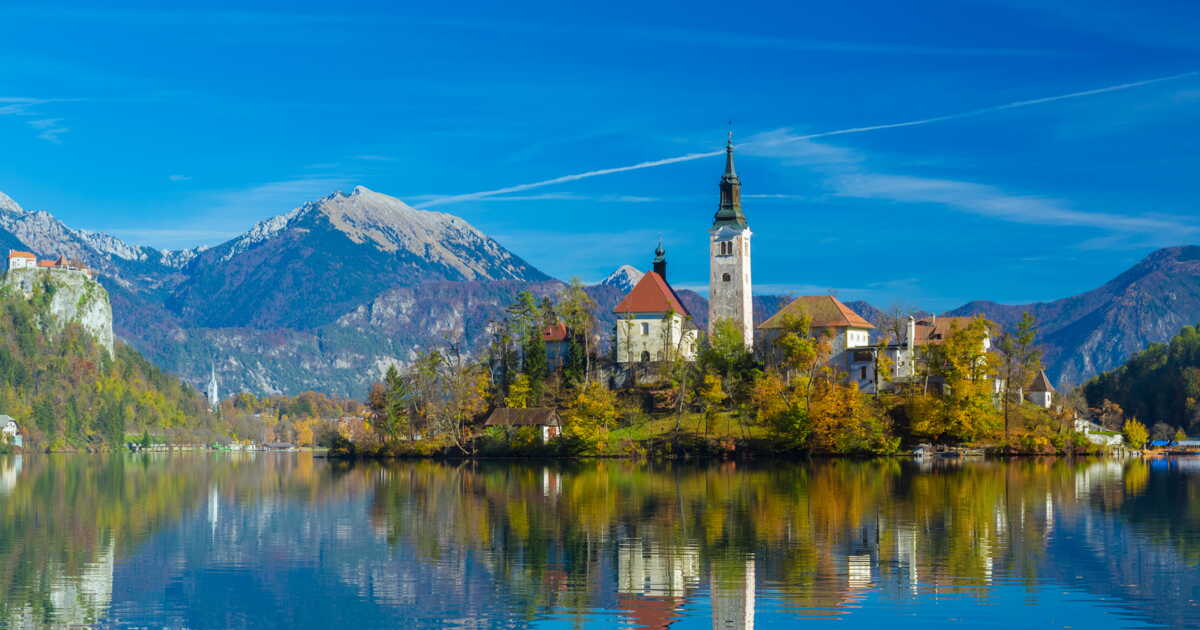
A stay in Slovenia would not be complete without a stop at Lake Bled, the country’s postcard‑perfect site, famed for its emerald‑green natural lake and its iconic church‑topped islet reachable by a pletna. Perched on a cliff, the Bled Castle offers a view of the Alpine rooftops and the surrounding forests. This spot harmoniously blends nature and culture, and it easily fits into any short or longer road trip across Slovenia in the great outdoors. Its central location also makes it a quick link to Ljubljana, the Slovenian coast, or the Pokljuka Plateau.
3. Hiking Around Lake Bohinj
Less crowded than Bled, Bohinj Lake, located in the Triglav National Park, offers a more immersive experience in the heart of Slovenia. Surrounded by alpine peaks, it enchants with its tranquility, purity, and crystal-clear waters, perfect for swimming or kayaking. Hikers, equipped with sturdy footwear, can reach the Bohinj Savica Waterfall, one of the country’s best known. By taking the Vogel cable car, visitors access trails offering panoramic views. This place naturally fits into a personal itinerary seeking off‑the‑beaten‑path locations.
4. Exploration of the Vintgar Gorges
The Vintgar Gorges, carved by the Radovna River, constitute one of the most iconic stops for discovering family‑friendly hiking trails. This wooden‑boarded stroll along crystal waters reveals a perfect place to understand the natural richness of this Central European country. Immediately beside Lake Bled, the site lends itself well to a short and efficient road‑trip itinerary. The visual experience it provides also makes it a popular subject for those seeking breathtaking landscapes.
5. Immersion in the Postojna Caves and Škocjanske Jame
Among Slovenia’s World Heritage jewels, the Postojna Caves and Škocjanske Jame illustrate the geological power of the karst region. While Postojna is partly explored aboard an underground train, Škocjanske Jame offers a more immersive visit, highlighting an UNESCO‑listed underground canyon.
These two sites fit perfectly into an itinerary, especially in case of bad weather. Nearby, the Predjama Castle, perched in the rock, extends the discovery of the country from a medieval angle. All together, it makes a perfect destination for travelers eager to encounter raw nature and Slovenian heritage.
6. Adventure in the Triglav National Park
Triglav National Park, the country’s only national park, covers a vast territory of mountains and forests in the northwest. It concentrates a multitude of hiking trails, hidden spots, waterfalls, and remarkable panoramas. From the Vršič Pass to the summits of the Julian Alps, and along rivers such as the Soča, every trail reveals Slovenia in its pure, natural form. A road trip through this area requires thorough preparation and practical advice, especially regarding weather and gear.
7. Stay in Piran on the Slovenian Coast
A port town with Venetian influence, Piran stands as an iconic stop along the Slovenian coast. Its old town, dominated by Tartini Square and bordered by the sea, offers a strong cultural and historical immersion near the Italian border. From its ramparts, the view over the rooftops and the Adriatic provides a striking glimpse of this human‑scaled Slovenia, ideal for a stay in Slovenia that combines nature and heritage.
8. Sport and Relaxation in the Soča Valley
The Soča Valley, carved by a river with crystal‑clear waters, lends itself to active outdoor sports. Rafting, kayaking, or canyoning allow you to explore exceptional natural areas while enjoying hiking trails and stunning Alpine landscapes. It is a perfect place for a road trip that blends adventure and contemplation. Nestled between the Italian border to the west and the peaks of the Triglav to the east, this valley also bears witness to notable World War I events, giving the experience a historical dimension to weave into an itinerary.
9. Getaway to Maribor and Its Vineyards
Slovenia’s second largest city, Maribor, captivates with its gently sloping vineyards, cultural festivals, and its centuries‑old wine, inscribed as living heritage of this Central European country. Located in the Štajerska region, it is a popular destination for wine tourism and road trips through Slovenian rural landscapes. Its relaxed vibe and easy distances make it a recommended stop on any Slovenia trip. It’s also an opportunity to discover the Slovenian character in local conversations, warm and rooted in regional traditions.
10. Stay in Kranjska Gora, a Winter Sports Paradise
Kranjska Gora, in the northwest of Slovenia, is a mountain destination renowned for both its winter sports and summer trails. In summer, its alpine lakes like Jasna become popular spots for relaxation, with swimming or hiking on the agenda. In winter, the ski slopes cater to beginners as well as to the more experienced. This human‑scaled country allows you to vary pleasures in every season, in a preserved setting. Accessibility from Ljubljana or nearby Italy, via well‑maintained Slovenian roads, makes it an easily integrable stop into a structured itinerary.
In summary, Slovenia, with its varied landscapes and rich cultural offering, provides a multitude of activities for all types of travelers. Whether you are drawn to natural spaces, adventure, or urban exploration, every corner of this small European country promises an enriching discovery. Take advantage of its proximity to make it a destination of choice for your next trip.
What is the Best Time to Visit Slovenia?
The best time to come and discover Slovenia lies between late spring and early autumn: from May to September, conditions are ideal for a stay combining nature, hiking, and culture. Indeed, this human‑scaled country offers alpine panoramas, lakes such as Lakes Bled, and access to the Adriatic Sea at Piran, allowing a wonderful diversity of experiences.
During these months, days in Slovenia are generally longer, the weather milder, which makes it easier to explore mountain trails, deep forests, cities like the capital Ljubljana, and even detour to the coast. For a well‑balanced road trip itinerary that blends wild nature and urban heritage, favor June or September: the crowds are smaller than in midsummer, and you enjoy nearly optimal conditions to visit this Central European country perched between the Alps to the north and the Italian border to the west.
What to Do in Slovenia When It Rains?
Even when rain arrives, Slovenia does not lose any of its allure: on the contrary, it is an opportunity to explore its riches in “off‑the‑beaten‑path” or indoor mode. For example, you can head to the Karst region and discover attractions such as Škocjanske Jame, a group of caves listed as World Heritage. In Ljubljana’s old town, a stroll under the arcades will lead you to the Ljubljana Castle, offering a protected view over the rooftops.
On the nature side, rain enhances the beauty of waterfalls such as the Peričnik Waterfall or the Savica Waterfall near Bohinj Lake: trails may be wet, but with proper equipment you will experience an immersive journey into a Slovenia that is renewed in nature. Finally, opt for a wellness break in the Rogaška Slatina Spa or other Slovenian spa centers and enjoy a warm, calm, and comfortable atmosphere.
How Long Does It Take to Visit Slovenia?
A stay of 5 to 7 days makes an excellent compromise to discover the essentials of a country like Slovenia. In a week you can build a road‑trip itinerary that starts in the capital Ljubljana, traverses the alpine and green landscapes, passes by Lake Bled and the Soča Valley, then heads down to the Adriatic coast at Piran.
For those with 10 to 14 days, the plan becomes even richer: it allows for excursions to off‑the‑beaten‑path places, longer strolls in a region such as Slovenian Styria, or a moment of relaxation at the thermal baths.
Preparing a trip to Slovenia should take distances, the sometimes winding Slovenian roads (notably toward the Vršič Pass), and the desire to enjoy at a relaxed pace into account. In any case, Slovenia lends itself perfectly to slow, structured tourism, and its modest size makes it easy to cross, enabling a good overview even in a short time.
What to Do in Slovenia with Children?
For a family stay, Slovenia proves particularly suitable thanks to its accessible and varied destinations. Start in Ljubljana, where the pedestrian old town allows for a stress‑free family stroll. Then head toward child‑friendly nature sites: Lake Bled, easy walks in the Pokljuka Valley, or viewing accessible waterfalls. Children can enjoy the crystal‑clear water, the natural spaces, and the fresh air, all while discovering Slovenian culture.
Playful activities such as a traditional boat ride on the lake, a visit to a castle like Predjama, or a national park will round out the experience. Finally, the Slovenian coast offers a calmer setting, and you can choose accommodation in Piran or nearby to combine sea and nature without long driving distances. Thus, a stay in Slovenia becomes an educational, enriching, and relaxed experience for the whole family.
Slovenia Tourism Safety: What Should You Know?
Slovenia is broadly a very safe country for tourism: few safety concerns are reported, which explains why a visit to Slovenia is often recommended for families as well as solo travelers. The country’s human scale, with only a few million inhabitants, offers an environment where Slovenian roads, hiking trails, and urban areas enjoy a high level of safety.
However, as always, a few precautions are recommended: in bad weather, mountain trails can become slippery, especially after rainfall in ranges like the Vršič Pass or in the Gozd Martuljek region. It is also advisable to have appropriate gear and to check the weather conditions before setting out on a hike. Keeping these practical tips in mind, you will avoid major risks and fully enjoy this Slovenia in its multifaceted nature.
This article was written with the help of artificial intelligence, then edited, expanded, and validated by the editorial team.