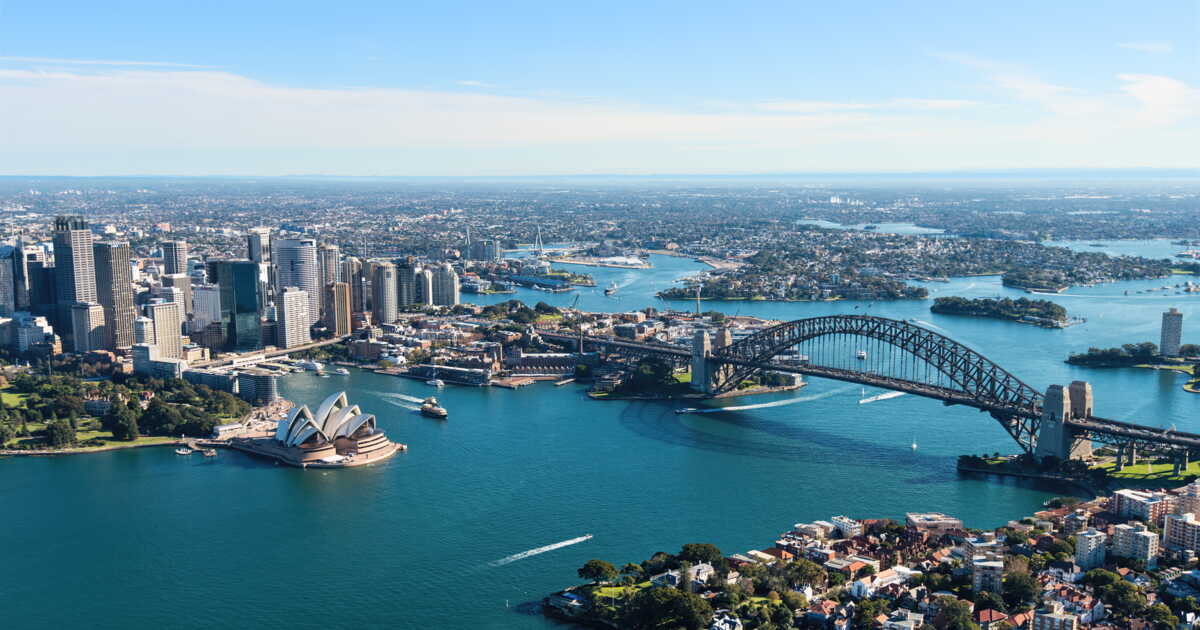
Nestled on the eastern coast of Australia, Sydney is a vibrant and dynamic city, seamlessly blending modernity with a rich historical heritage. World-renowned for its opera house and the Harbour Bridge, it also welcomes a culturally diverse tapestry and a multitude of unique experiences for visitors. Whether your stay is brief or extended, planning the best possible activities to fit your timeframe and budget is essential. What to do in Sydney? Let’s explore together, through a variety of ideas, the treasures this Australian metropolis holds.
1. Visit the Sydney Opera House
Beyond its iconic status, the Sydney Opera House stands as a cornerstone of any visit to Australia’s principal city and a major cultural landmark for the entire Oceania. A UNESCO World Heritage site, this emblematic 20th‑century structure embodies architectural innovation in its complex design and the bold silhouette shaped like sails. For travelers interested in architectural history or the performing arts, a guided interior tour reveals the technical challenges of its construction and opens access to the performance spaces, the backstage areas, and the technical galleries.
The experience can be extended by attending one of the numerous music, theatre, or dance performances offered throughout the year, making it a true hub where aesthetics, engineering, and contemporary creation converge. The Sydney Opera House integrates into a broader discovery itinerary of the city, alongside the Harbour Bridge, the botanical gardens, and iconic coastal sites like Bondi Beach, illustrating the balance between cultural heritage and natural surroundings in Australia’s tourism landscape.
2. Discover the Harbour Bridge
For travelers in search of a structured yet immersive urban experience, climbing to the summit of the Harbour Bridge in Sydney, via the guided BridgeClimb route, is an iconic activity offering sweeping panoramic views of the city, its bay, and major architectural landmarks such as the Sydney Opera House. This secured route is available in multiple formats, enabling visitors to understand the bridge’s technical features and its role in urban development.
For those who prefer a less physically intensive or logistically integrated approach to a walking itinerary, crossing the bridge on foot remains a relevant option. It allows admiring the bridge’s imposing architecture while gaining expansive views over the harbor, quays, and surrounding urban silhouettes. This site, now a symbol of national identity for Australia, sits at the heart of Sydney’s cultural and landscape infrastructures, bridging industrial heritage, active tourism, and contemporary urban space valorization.
3. Explore the Rocks
The historic district The Rocks, perched at the foot of the Harbour Bridge in the old heart of Sydney, is an essential stop for travelers looking to grasp the colonial origins of Australia. With its cobbled lanes, 19th‑century sandstone buildings, and ancient pubs, this area preserves an urban fabric that bears witness to the region’s earliest European settlements.
The Rocks is a preferred promenade, offering structured access to several cultural institutions, including museums that recount the social and urban history of the city, as well as guided heritage routes. Weekend artisan markets showcase a diverse array of local products, from textile crafts to contemporary design objects, all within a lively ambiance. This pedestrian environment, dotted with cafés, galleries, and quirky shops, embodies living heritage by balancing historical memory with cultural dynamism.
4. Relax at Bondi Beach
Bondi Beach, one of Sydney and Australia’s most iconic beaches, is a must for travelers seeking seaside activities within a structured and accessible setting. Its waves are renowned for consistency and power, attracting seasoned surfers and beginners alike, who can join local surf schools. Beyond surfing, Bondi is defined by a relaxed, friendly vibe, a strong local presence, and a thriving commercial fabric of cafés, restaurants, galleries, and community spaces.
Bondi is also the starting point for one of the region’s most beloved coastal walks, the Bondi to Coogee Walk, which traces clifflines and offers panoramic coastal views while linking several beaches and coves. This natural, safe, well-equipped environment provides diverse possibilities: swimming, sunbathing, sea‑view observation, or participation in sporting and cultural events. Integrated into an urban itinerary that includes major sites like the Sydney Opera House, the Harbour Bridge, or the neighborhood of The Rocks, Bondi Beach completes Sydney’s tourist offering by combining leisure, accessibility, and coastal promotion within a framework of urban and environmental quality.
5. Stroll through Darling Harbour
Darling Harbour, located along the edge of central Sydney, stands as a major hub of urban tourism and culture, designed as a true centre of entertainment with a wide range of offerings for a broad public. This redeveloped district features a cluster of modern attractions, including the Sea Life Sydney Aquarium, which delivers a structured exploration of Australian marine life through immersive installations. The lineup also includes several museums, cultural institutions, shopping complexes, and green spaces, forming a cohesive leisure and services ecosystem.
On the quays, restaurateurs contribute actively to the site’s vibrancy, offering a diversity of cuisines in an open waterfront setting. In the evening, Darling Harbour comes alive with light shows projected on the water and occasional events, boosting its nocturnal appeal within a strategy of enhancing the urban nocturnal landscape. This district, easily reachable on foot from the city centre, naturally fits into an itinerary that includes city landmarks such as the Sydney Opera House, Harbour Bridge, The Rocks, or Bondi Beach, adding a playful and family-friendly dimension to exploring Sydney, by connecting culture, entertainment, and urban energy.
6. Explore museums and galleries
Culture enthusiasts will find Sydney rich in museum offerings, centered around institutions that allow exploration of both artistic heritage and natural history of Australia. The Art Gallery of New South Wales, one of the country’s leading public galleries, houses a permanent collection spanning Australian, European, Asian, and Aboriginal art, while regularly hosting international temporary exhibitions.
Nearby, the Australian Museum, the oldest museum on the continent, focuses on natural sciences, anthropology, and regional biodiversity, with educational displays suited to all ages. These institutions, set in the city centre, blend seamlessly into an itinerary that highlights major Sydney landmarks such as the Opera, the Harbour Bridge, The Rocks, Darling Harbour, or Bondi Beach, adding an intellectual and heritage dimension to the tourist experience, structured around celebrating local cultures, visual arts, and scientific research.
7. Enjoy free activities in Sydney
For travelers looking to discover Sydney while keeping to a budget, the city offers a suite of accessible and varied free activities set within a high-quality tourist offering. A stroll through the Royal Botanic Garden, a vast bayside landscape, lets you appreciate the region’s botanical diversity while enjoying sweeping views of the Sydney Opera House and Harbour Bridge. The coastline invites walking along several routes, notably between Bondi Beach and Coogee, where cliffs, coves, and marine panoramas unfold.
For those interested in urban culture and architectural heritage, the Newtown and Paddington districts offer immersive experiences in contrasting atmospheres: street art murals, independent shops, Victorian houses, and local markets create a lively, accessible tapestry. These free options fit into a broader itinerary that pairs major cultural and natural highlights of Sydney, providing independence, participation, and inclusive discovery through observation, wandering, and authentic city exposure.
8. Navigate Sydney Harbour
Taking a ferry across the Sydney Harbour offers a structured, accessible way to approach the city from a scenic angle, while fitting into maritime transport infrastructure connecting the main coastal locales. The trip to Manly Beach, particularly beloved by travelers, blends efficiency with visual appeal, delivering a succession of iconic viewpoints on the Sydney Opera House, the Harbour Bridge, Circular Quay quays, and nearby coastal neighborhoods. This crossing also aids in understanding Sydney’s urban geography, organized around its natural harbor, while linking to a renowned promenade, shops, and coastal trails. The ferry thus becomes a standalone discovery tool, complementing land and pedestrian circuits that structure the city’s tourism offer. Integrated into an itinerary that includes other destinations such as Bondi Beach, The Rocks, Darling Harbour, and cultural institutions like the Art Gallery of New South Wales, this mode of transport provides a practical, contemplative, and economically accessible experience for a comprehensive exploration of Sydney’s urban and maritime landscape.
9. Take a day trip to the Blue Mountains
For a day trip outside of Sydney, the Blue Mountains offer a premier retreat for travelers seeking nature, altitude, and scenic heritage within a UNESCO World Heritage framework. Located about two hours away by rail or car, this region of New South Wales naturally extends the urban itinerary toward outdoor activities. The Blue Mountains National Park distinguishes itself with a variety of hiking trails winding through eucalyptus forests, dramatic gorges, and steep cliffs.
Key highlights include the iconic Three Sisters rock formations, panoramic lookouts like Echo Point, and altitude botanical gardens showcasing endemic flora. On-site facilities include interpretive centers and marked routes suitable for different fitness levels. This immersion into nature, complementary to city visits (such as the Sydney Opera House, the Harbour Bridge, or The Rocks), enriches the traveler’s overall experience by offering an ecological and geographical reading of the Australian landscape, structured around conservation, accessibility, and scenic observation.
10. Savor the local cuisine
Ending a day in Sydney with a culinary exploration adds a sensory and contemporary reading of the city, anchored in cultural diversity and the quality of local products. Renowned for its seafood freshness, particularly in coastal or bayside districts, Sydney also offers a wide range of international cuisines reflecting its cosmopolitan population. For a thematic gastronomic immersion, the Chinatown district offers a collection of restaurants, stalls, and markets dedicated to East Asian culinary traditions, while Tramsheds in Glebe presents a producer market model in an indoor setting, highlighting short supply chains and artisanal know-how.
These places, woven into the city’s vibrant neighborhoods, help shape a day’s end itinerary that blends tasting, local discovery, and social animation. In addition to daytime activities—whether cultural (at the Sydney Opera House or the New South Wales Art Gallery) or scenic (at Bondi Beach, Darling Harbour, or the Blue Mountains)—these gastronomic experiences contribute fully to Sydney’s plural identity, anchoring the traveler in the daily life of a dynamic metropolis, open and committed to culinary excellence.
Sydney is a city with many facets, ready to be explored at any time of year. From the iconic Opera House to the historic lanes of The Rocks, through the sun-kissed beaches of Bondi, each neighborhood reveals its own set of activities and experiences. Whether you seek relaxation or adventure, this Australian metropolis is sure to meet your expectations, offering a precious memory at every turn. Whether you choose a grand activity or an intimate discovery, Sydney promises a rich and varied exploration, ready to satisfy every visitor’s requirements.
How long does it take to visit Sydney? Building an itinerary tailored to urban and coastal diversity
The city of Sydney can be explored in several formats depending on the ambition of the trip. A stay of 3 to 5 days allows you to discover the essentials: the Opera House, the Harbour Bridge, the Royal Botanic Garden Sydney, and iconic beaches like Manly Beach. For a more immersive experience, a week enables deeper exploration of cultural neighborhoods, museums, markets, and even a few coastal excursions. The density of experiences on offer requires structuring your itinerary around priorities: nature, heritage, art, or gastronomy.
Is Sydney worth it? A metropolis where culture, nature, and architecture constantly converse
Asking whether Sydney is worth it is to assess a city’s ability to balance urban dynamism with access to natural spaces. As Australia’s economic capital, Sydney stands out for the quality of its infrastructure, the richness of its cultural programming, and the immediate proximity to maritime landscapes. Places like Manly Beach, reachable by ferry, or the Royal Botanic Garden Sydney by the port, illustrate this rare coexistence. For architecture and heritage enthusiasts, the Queen Victoria Building (QVB), carefully restored, embodies the city’s history within a living framework. Sydney thus presents itself as a complete destination—clear, varied, and coherent.
What unusual activities to do in Sydney: exploring the city differently, off the beaten path
Beyond the tourist icons, Sydney hides a wealth of unusual activities to weave into a Sydney guide. For example, you can take a surf lesson at Manly Beach, opt for a guided underground tour of the city’s historic tunnel network, or kayak at sunrise in the bay. Some contemporary art galleries tucked away in repurposed warehouses or urban farms set right in the city center offer a fresh perspective on the city of Sydney. These experiences invite you to step off the usual routes while remaining rooted in the local cultural reality.
What to do in Sydney when it rains: indoor itineraries and sheltered cultural discoveries
Even in the rain, Sydney presents a rich set of activities well suited to shelter and exploration. The Queen Victoria Building (QVB), a historic shopping arcade, pairs architectural exploration with covered browsing. Art, history, or natural science museums welcome visitors inside spaces suitable for all ages. The Royal Botanic Garden Sydney, while still accessible, takes on a different, calmer dimension under inclement weather, offering a serene space for contemplation. These places show that rain does not hinder discovery; it simply guides you toward another facet of the city.
What to do in Sydney in 2 days: a concise essentials for a short but dense stay
A 2-day stay in Sydney requires targeted choices. Day one could focus on exploring the Opera House, the Royal Botanic Garden Sydney, and a ferry crossing to Manly Beach, combining heritage, nature, and iconic viewpoints. Day two could be oriented toward museums, the Queen Victoria Building, or a stroll through The Rocks. Even in a brief timeframe, it’s possible to gain a coherent sense of this Australian city’s identity by adopting an efficient itinerary.
What to do in Sydney for free: accessible experiences in an open city
Sydney offers a range of free activities, including visits to the Royal Botanic Garden Sydney, public beaches like Manly Beach, and coastal walks such as the Bondi to Coogee Walk. Access to national galleries, artisan markets, and occasional cultural events also allows for city discovery without charge. These opportunities outline a generous and accessible destination, even without a large budget.
What to do in Sydney in the evening: urban lights and a dynamic cultural scene
When night falls, Sydney reveals a unique atmosphere where public spaces, cultural venues, and lively districts come alive. Evening strolls around Circular Quay or Darling Harbour offer iconic nocturnal panoramas. Numerous theatres, open-air cinemas, and concerts enrich the nights, while the illuminated Queen Victoria Building (QVB) remains a powerful visual landmark. As night deepens, the city does not slow down: it morphs into a more intimate and animated environment, inviting travelers to extend their discoveries with a vibrant urban energy.
This article was written with the help of artificial intelligence, then corrected, expanded, and validated by the editorial team.