Summary
-
1. Discover the wonders of the Atacama Desert such as Valle de la Luna and the Geysers del Tatio
-
2. Hiking in Torres del Paine National Park
-
3. Explore Easter Island and its mysteries
-
4. Savor wines from the Casablanca Valley
-
5. Immerse yourself in the culture of Valparaíso
-
6. Sky Costanera: Chile viewed from above, a symbol of a country embracing modernity
-
7. Admire Santiago from San Cristóbal Hill
-
8. Explore the Barrio Lastarria
-
9. Visit Viña Cousiño Macul
-
Is Chile a Safe Country? Understanding security in one of the most stable regions of South America
-
What is the cost of living in Chile? Between economic dynamism and regional diversity
-
How long does it take to visit Chile? Traveling across a country 4,000 kilometers long
-
What to do in Chile with family? An educational and natural adventure to share
Chile, a slender and long strip of land clinging to South America, attracts enthusiasts of wide open spaces and culture in all its forms. Swinging between deserts where silence reigns and glaciers that seem eternal, this country offers countless adventures for the curious of all kinds.
1. Discover the wonders of the Atacama Desert such as Valle de la Luna and the Geysers del Tatio
In the heart of the Atacama Desert, recognized as one of the driest places on the planet, lies a territory of extreme geological and climatic singularity, located in northern Chile. Among its iconic sites, the Valle de la Luna stands out with rock formations carved by erosion, frozen dunes and striated rims, which honestly evoke a lunar landscape, often used as a reference for simulations of Martian space exploration. The twilight hours, in particular, reveal a palette of mineral colors that change with the light, reinforcing the sense of a place outside of time.
At an altitude of over 4,000 meters, the El Tatio geysers constitute another major point of interest: at dawn, when temperatures remain below freezing, steam columns erupt violently from the ground, creating a spectacular thermal phenomenon against the backdrop of the Andes. Between sensory experimentation, scientific observation and landscape immersion, the Atacama offers a rare experience, combining pristine natural extremity with dramatic visual power in a setting where the otherness of the earthly world is clearly visible.
2. Hiking in Torres del Paine National Park
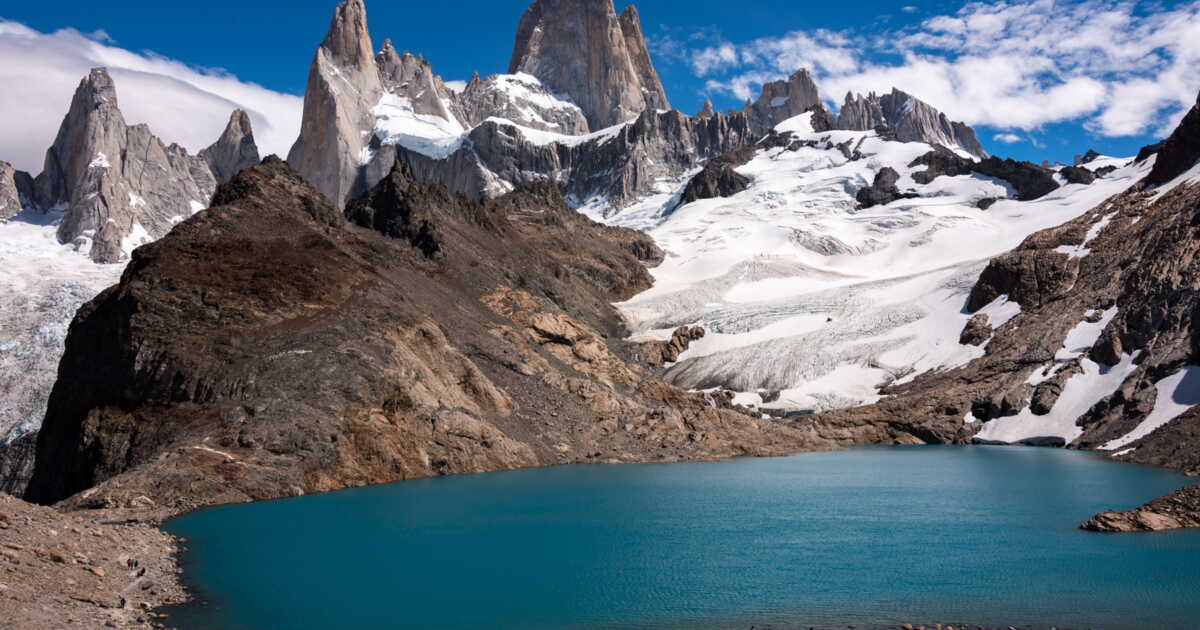
Located at the southern extreme of Chilean Patagonia, the Torres del Paine National Park stands out as one of South America’s most spectacular natural sites, renowned for the diversity of its ecosystems and the striking power of its glacial and mountainous landscapes. Between turquoise lakes, massive glaciers, glacial valleys and vertigo-inducing granite spikes, the park offers a high-altitude environment shaped by wind, ice and time.
Tailored to experienced hikers, the famous W Trek offers an immersive entry into this protected space, with iconic viewpoints over the Towers granite peaks, the Grey Glacier or the French Valley. Each stage reveals a landscape in constant transformation, reflecting the natural dynamics that shape this southern region. A true open-air laboratory of Andean geography, the Torres del Paine Park is an essential destination for hiking enthusiasts, nature photography lovers and ecotourism fans.
3. Explore Easter Island and its mysteries
Isolated in the heart of the South Pacific, more than 3,500 kilometers from the Chilean coast, the Easter Island, or Rapa Nui, remains one of the planet’s most mysterious territories. Famed for its imposing stone statues, the Moai, erected between the 13th and 15th centuries, it testifies to an ancient Polynesian civilization whose origins, beliefs and know-how continue to fascinate researchers.
Inscribed on the UNESCO World Heritage List, the island reveals a spectacular volcanic landscape dotted with craters, lava cones and grassy plains, which visitors explore through cultural and archaeological circuits. You can visit emblematic sites such as Ahu Tongariki, Rano Raraku, or Anakena, while absorbing local legends passed down orally for generations. At the crossroads of mythology, history and geology, the Easter Island embodies a rare meeting between nature and memory, offering a travel experience that is both contemplative and initiatory.
4. Savor wines from the Casablanca Valley
Situated between Santiago and Valparaíso, the Casablanca Valley has established itself as one of Chile’s most renowned wine regions, especially for the quality of its white wines produced in cool climates. Benefiting from the moderating influence of the Pacific and frequent morning fog, this terroir is particularly well-suited to growing varieties such as Sauvignon Blanc, Chardonnay, and Pinot Noir, whose nuanced aromas express the distinct character of the Chilean soils.
Several wineries open to visitors offer tasting tours accompanied by explanations of local winemaking methods, providing an educational and sensory approach to the vineyard. The rolling hills, lined with rows of vines and gentle slopes, create a harmonious setting for a one-day wine and culinary-focused escape. By combining winemaking know-how, hospitality and the beauty of the surroundings, the Casablanca Valley stands out as a top destination for wine lovers and gastronomic discoveries in Chile.
5. Immerse yourself in the culture of Valparaíso
Listed as a UNESCO World Heritage site, Valparaíso stands out as one of Chile’s most distinctive and artistically engaged cities, built on a series of hills that slope toward the Pacific. Its network of steep lanes, punctuated by historic funiculars and lined with colorful houses featuring eclectic architecture, creates a unique urban landscape that is both chaotic and profoundly vibrant. As you stroll, you discover a true outdoor gallery where mural paintings, monumental graffiti and urban art installations follow one another, reflecting the city’s creative identity.
Among the emblematic places, La Sebastiana, one of Pablo Neruda’s residences, offers an immersion into the Nobel laureate’s poetic world and a striking overlook of the bay. A true crossroads between harbor history, artistic vitality and popular expression, Valparaíso embodies a cultural hub that answers the expectations of travelers seeking meaning, aesthetics and authentic discovery.
6. Sky Costanera: Chile seen from above, a symbol of a country embracing modernity
The Sky Costanera, located in Santiago, is one of the most impressive urban observatories on the continent. Climbing above 300 meters, it offers a panoramic view of the Chilean capital and the Andes mountain range. This emblem of Chilean modernity embodies the country’s economic vitality and its openness to the world. Beyond the visual experience, the Sky Costanera represents urban evolution: a Chile able to combine development with sustainability. From the summit, the view helps you grasp the geographic scale of the territory and appreciate, at a single glance, the meeting between contemporary architecture and majestic nature.
7. Admire Santiago from San Cristóbal Hill
Overlooking Santiago, the San Cristóbal Hill provides a view over the park, the snow-capped peaks of the Andes and the lively city, making it an ideal starting point to explore the Chilean capital’s cultural heart. From its heights, reachable on foot, by funicular or by bike, the gaze embraces a natural backdrop where the modern city sits within Andean landscapes.
This site, beloved for its hiking trails, urban panoramas and spectacular sunsets over the metropolis, also houses the Manuel Foster Observatory. It marks the start of a journey that can later extend toward the south’s natural treasures, such as Chiloé or the Carretera Austral. It is therefore a major destination for those seeking to understand Chile’s contrasts, between urban center and untamed nature.
8. Explore the Barrio Lastarria
In the heart of Santiago, the Barrio Lastarria embodies a route rich in artistic and literary references, where cafes, galleries and bookstores thrive in a setting marked by historic and contemporary architecture. Renowned for its street art and lively lanes, this neighborhood represents a daily rendezvous for lovers of local culture, in search of places where the spirit of Chilean poet Pablo Neruda still resonates.
Close to museums, theaters, the forest park and the neighboring Bellavista district, where La Chascona — one of Pablo Neruda’s houses-museums — is housed, this area invites a guided tour through the intellectual history of the city. In this urban enclave, modern Chile engages with its roots, offering an artistic breath before heading south toward the lake region, Chiloé, or even further toward Puerto Varas or Cape Horn. The Barrio Lastarria thus crystallizes the starting point of a journey toward the end of the world, where culture accompanies every step.
9. Visit Viña Cousiño Macul
Located on the outskirts of Santiago, the Viña Cousiño Macul offers a guided tour at the crossroads of wine heritage and national history, in a vineyard founded in the 19th century. The estate, surrounded by vines and open to visitors, is a favorite stop for wine enthusiasts seeking authenticity. The alluvial soils and the proximity of the Andes give the grape varieties their unique character. This stop integrates easily into a broader southern itinerary, including boat trips on the Andean lakes or exploring Chiloé, a unique experience with its wooden churches listed as UNESCO sites, stilt houses, and preserved natural treasures. From the cellar to the mountain range, Chile reveals its diversity, from historic estates to the southern edges of Tierra del Fuego and the Magellan Strait.
Is Chile a Safe Country? Understanding safety in one of the most stable regions of South America
To wonder whether Chile is a safe country is to question the stability of a nation that has for decades stood among the most reliable destinations in South America. Safety is generally good, especially in major tourist zones like San tiago, Valparaíso or the Atacama region. Modern infrastructure, quality public services and a welcoming population make it a country well-suited to international tourism.
The usual precautions—vigilance in large cities and following local guidance—are enough to guarantee a tranquil stay. Traveling in Chile means discovering a country where institutional rigor and friendliness coexist harmoniously, reflecting a stable and organized South American model.
What is the cost of living in Chile? Between economic dynamism and regional diversity
The cost of living in Chile varies by region and by the style of travel chosen. Santiago, the modern and vibrant capital, offers prices comparable to those of some major European cities. By contrast, remote southern regions like Patagonia tend to have higher rates due to logistical constraints and geographical isolation.
Public transportation, well developed, remains affordable, while excursions to natural sites (the Atacama Desert, glaciers or volcanoes) can require a larger budget. Overall, Chile remains a destination with a balanced value for money: infrastructure is reliable, services efficient, and the quality of life evident throughout the stay.
How long does it take to visit Chile? Traveling across a country 4,000 kilometers long
Determining how much time is needed to visit Chile depends on the scope of discoveries you plan. The country stretches over more than 4,000 kilometers, from the northern Atacama Desert to the southern Patagonia, which means you have to make choices or allow for substantial time. A two-week itinerary lets you cover the essentials: Santiago and Valparaíso, the northern Andean region with the Valle de la Luna and the Geysers del Tatio, and then the glacial landscapes in the south. For a deeper exploration, three to four weeks are ideal, allowing you to include the Lake Region or Chiloé Island. Chile invites a grand-scale journey, where each region offers a distinct face of a country with continental dimensions.
What to do in Chile with family? An educational and natural adventure to share
A family trip to Chile combines discovery, nature and learning. Children marvel at the grand landscapes of the Andes or the pink flamingos of the Atacama Desert. National parks, such as Torres del Paine or Conguillío, offer easy-to-access hikes and well-maintained facilities. In the cities, Santiago charms with its interactive museums, green spaces, and culturally oriented activities suitable for families. The coastlines of the Pacific also offer whale-watching and seal viewing as memorable highlights. With a good safety track record and effective organization, Chile proves to be an ideal family destination, blending comfort, adventure and environmental learning.
This article was written with the help of artificial intelligence, then edited, expanded and validated by the editors of the newsroom.