Table of Contents
-
1. Lose Yourself in Isalo National Park
-
2. Walk the Fine White Sands of Nosy Be
-
3. Be Enchanted by the Avenue of the Baobabs
-
4. Dive into the Heart of Ranomafana National Park
-
5. Venture into the Bemaraha Tsingy Strict Nature Reserve
-
6. Experience a Cultural Immersion in Antananarivo
-
7. Discover Nosy Sakatia Island
-
8. Visit Lemurs’ Park
-
9. Hike in Mantadia National Park
-
10. Marvel at Tsingy Rouge Park
-
Is Madagascar Worth Visiting? A Destination with Unique Biodiversity to Discover with Preparation
-
What Budget to Plan for 15 Days in Madagascar? Between Local Realities and Logistical Costs
-
How Much Time Does It Take to Visit Madagascar? The Scope of a Trip on an Island Continent
-
What to Do in Madagascar with Children? A Pedagogical Adventure at the Heart of Accessible Nature
Off the African coast, Madagascar unfolds as a land where each region reveals a different face. From hikes in spectacular ranges, to paradisiacal islands and encounters with wildlife found nowhere else, the island offers a multitude of experiences that captivate both nature enthusiasts and travelers in search of authenticity.
1. Lose Yourself in Isalo National Park
Located in the southwest of Madagascar, the Isalo National Park is one of the island’s most iconic natural sites, renowned for its spectacular rock formations, its deep canyons and its semi-desert landscapes with western-style scenery.
Spanning over more than 80,000 hectares, this eroded sandstone massif houses a remarkable biodiversity, at the crossroads of , offering a privileged viewing framework for numerous endemic species, notably lemurs, chameleons or rare birds.
By combining geological advantages, ecological richness and accessibility, the Isalo Park meets the expectations of travelers keen to discover the diversity of Malagasy landscapes while engaging in responsible and guided tourism.
2. Walk the Fine White Sands of Nosy Be
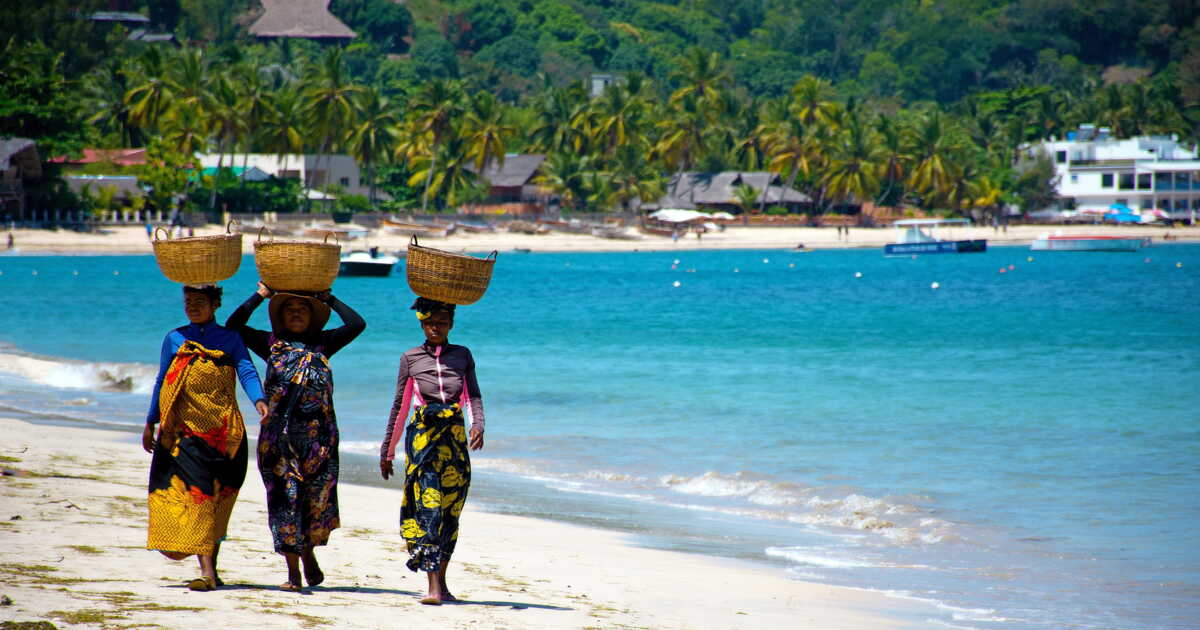
Nosy Be, an island located northwest of Madagascar, stands as one of the major seaside destinations in the Indian Ocean, famed for its white-sand beaches, its turquoise waters and its atmosphere conducive to relaxation as well as marine exploration.
The conditions are ideal for snorkeling or scuba diving, with pristine coral bottoms hosting a diverse fauna, ranging from tropical fish to sea turtles. The island, however, is not limited to its coast: a trip to the Lokobe Nature Reserve allows observing endemic species in a protected forest ecosystem.
This site complements the experience by offering a broader view of Malagasy biodiversity, accessible from a territory that is welcoming, preserved and well-structured for nature tourism. Nosy Be thus meets the expectations of travelers seeking a balance between seaside leisure, wildlife observation and ecological discovery in a safe setting.
3. Be Enchanted by the Avenue of the Baobabs
Near Morondava, on Madagascar’s west coast, the Avenue of the Baobabs stands as one of the island’s most iconic natural sites, designated a natural monument. Lined along a red dirt track, these Grandidier’s baobabs, reaching up to 30 meters tall, form a striking perspective, especially at sunset, when the tall trunks cast oversized shadows on an almost motionless landscape.
True place of contemplation, this avenue is loved by photographers and nature lovers, for both its aesthetics and symbolic significance. These trees, remnants of a once-dense forest now vanished, form Madagascar’s living heritage, carrying myths, oral traditions and major ecological concerns. A visit there offers more than a visual moment: it is a silent encounter with the island’s natural and cultural history, a must for those seeking to understand the soul of Malagasy scenery.
4. Dive into the Heart of Ranomafana National Park
Listed as a UNESCO World Heritage site, the Ranomafana National Park, located in the central-eastern region of Madagascar, represents one of the island’s green lungs richest in biodiversity. Its humid tropical forest, typical of the eastern region, hosts an exceptional concentration of endemic species, including several lemur species. The marked trails, winding between waterfalls, tree ferns and giant bamboos, offer a full sensory immersion at the heart of an ecosystem still largely preserved.
The rare birds, the chameleons and the lush tropical flora compose an ecological environment of great complexity, conducive to naturalist observation as well as scientific research. By combining biological richness, scenic beauty and educational dimension, the Ranomafana Park stands out as an essential destination for travelers seeking ecotourism, enabling a direct connection with Madagascar’s wild and authentic nature.
5. Venture into the Bemaraha Tsingy Strict Nature Reserve
Listed as a UNESCO World Heritage site, the Bemaraha Tsingy National Park, located in western Madagascar, hosts an exceptional karst relief shaped by limestone erosion over millions of years. These sharp formations, known as “tsingy”, draw a spectacular mineral landscape, characterized by jagged peaks, deep crevasses and suspended bridges offering dizzying viewpoints.
Accessible via marked and guided circuits, the site is particularly enjoyed by fans of technical hiking and light climbing, within a safe yet demanding setting. This geological labyrinth also houses remarkable endemic biodiversity, with lemurs, bats, and numerous nesting bird species that have adapted to this inhospitable environment. By blending geomorphological interest, athletic challenge and ecological richness, the Bemaraha Tsingy become a top destination for travelers curious about rare landscapes, where nature expresses itself with a raw and unique force.
6. Experience a Cultural Immersion in Antananarivo
Antananarivo, Madagascar’s capital, concentrates the historical, cultural and social layers of a country with many faces. Built on a series of hills, the city unfolds through its steep alleys, its red-brick traditional houses and its colonial buildings, witness to a plural past.
A visit to the Queen’s Palace, an iconic monument perched on the heights, helps illuminate the Malagasy monarchy’s organization and its role in national history. Local markets, such as Analakely, offer a sensory immersion, between fragrant spices, colorful crafts and lively urban life.
On the flavor side, Malagasy cuisine blends African, Asian and European influences, and is discovered through lively street food and more traditional establishments. By combining historical heritage, bustling everyday life and access to local culture, Antananarivo stands as an essential gateway to understanding Madagascar, which as a whole is a complete destination, rich in diverse landscapes, unique ecosystems and authentic encounters.
7. Discover Nosy Sakatia Island
Nosy Sakatia, a small confidential island off Nosy Be, presents itself as a perfect spot for travelers seeking authenticity. Far from the tourist bustle, this charming place hosts wild beaches, intact coral reefs and exceptional underwater biodiversity.
Accommodations on Madagascar’s island are few but carefully chosen, some boasting the comfort of a chic hotel facing the lagoon. It’s a paradise for lovers, ideal for a rendezvous with the sea, sea turtles, or peaceful sunsets. With a hotel comparison tool, organizing a stay on this large island becomes easy, where understated luxury blends with pristine nature, in one of the favorite spots for couples seeking tranquility.
8. Visit Lemurs’ Park
Lemurs’ Park, located about 22–25 km southwest of Antananarivo on the RN1 toward Imerintsiatosika, is an accessible and educational place, perfect for travelers wishing to discover Madagascar’s flora and emblematic species in a semi-natural setting. This private park, home to several lemur varieties, including the Coquerel’s sifaka, offers an easy stroll through a wooded area where species roam freely.
The site, well equipped, provides an excellent introduction to Madagascar’s biodiversity for young and old. It also offers an opportunity to raise awareness about species preservation, while enjoying the warm hospitality of the surrounding hotels.
9. Hike in Mantadia National Park
The Mantadia National Park, not far from Andasibe, is a preferred hiking spot at the heart of Malagasy flora, where humid and dense forests shelter endangered endemic species. This wild territory attracts naturalists, photographers and hikers seeking an immersion in an environment evoking a tropical Jurassic Park.
The richness of the ecosystems there is striking, from crystal-clear rivers to shaded trails dotted with rare orchids, chameleons and the mythical crowned ibis. The park is known for housing the largest living lemur: the indri indri. Away from the standard circuits, it is an ideal place to combine beautiful natural discoveries with an immersion in Madagascar’s unique landscapes.
10. Marvel at Tsingy Rouge Park
The Tsingy Rouge Park, located near Diego-Suarez, stands out for its spectacular geological formations: red clay peaks sculpted by erosion, in a canyon with Martian-like scenery. This place steeped in natural history makes a great discovery for fans of unusual landscapes. The park fits well into a route connecting the Amber Mountain, the northern beaches and traditional villages. It is also a perfect spot for photographers seeking striking contrasts, especially at dawn.
Is Madagascar Worth Visiting? A Destination with Unique Biodiversity to Discover with Preparation
Asking whether it is advisable to go to Madagascar essentially asks about the conditions for traveling in a country that is both fascinating and demanding. The island offers exceptional biodiversity, contrasting landscapes and a distinctive culture, but it requires careful planning. Tourism infrastructure varies by region, and travel can be long. However, well-visited areas such as Nosy Be, Sainte-Marie or the highlands remain accessible and relatively well supervised.
Regarding whether visiting Madagascar is dangerous, the answer is nuanced: the country is generally safe for informed travelers, provided health advice is followed, certain isolated night routes are avoided, and travel is conducted with reputable operators. Travel there becomes a rare, meaningful and authentic experience.
What Budget to Plan for 15 Days in Madagascar? Between Local Realities and Logistical Costs
The budget for 15 days in Madagascar largely depends on the level of comfort sought and the chosen itinerary. For an independent traveler combining mid-range accommodations, internal transfers and a few organized excursions, a budget of roughly 1,500 to 2,200 euros per person (excluding flights) provides a realistic baseline. Domestic flights, needed to connect major regions (such as Antananarivo, Nosy Be or Sainte-Marie), weigh on the overall budget.
Food, ground transport and mid-range accommodations remain affordable. It is advisable to book certain services in advance, especially in peak season, and to allow a margin for logistical surprises, common on the island. Madagascar remains a destination with a favorable cost-to-discovery ratio, if its particularities are anticipated.
How Much Time Does It Take to Visit Madagascar? The Scope of a Trip on an Island Continent
For a first structured discovery, combining the highlands, a coastal zone (East or Northwest) and one or two nature reserves, it is advisable to plan at least three weeks. In two weeks, a more targeted itinerary can be considered, notably by focusing on the northwest (Nosy Be, Nosy Sakatia) or the east (Sainte-Marie, Canal des Pangalanes). Traveling in Madagascar means accepting long travel times, logistical hiccups, but also the reward of access to exceptionally pristine natural environments.
What to Do in Madagascar with Children? A Pedagogical Adventure at the Heart of Accessible Nature
Exploring Madagascar with children can be an enriching yet demanding experience. Some regions, well served and safe, are suitable for family tourism. The Lemurs’ Park, about thirty kilometers from Antananarivo, allows discovering several lemur species in a semi-natural environment, with trails suitable for the younger ones.
On the coast, the tranquil beaches of Nosy Be or Sainte-Marie offer safe settings for relaxation. Many guided excursions let children discover wildlife, botany and local ways of life. Traveling with children in Madagascar requires preparation, but yields concrete and formative discoveries in a living, immersive and often welcoming environment.
This article was written with the aid of artificial intelligence, then corrected, expanded and validated by the editors of the editorial team.