Summary
-
1. Visits to dazzling temples such as the Reclining Buddha Temple (Wat Pho) or the Emerald Buddha Temple (Wat Phra Kaew)
-
2. Bangkok’s floating market
-
3. Cruises on the Chao Phraya River
-
4. Urban tuk-tuk exploration
-
5. Relaxation in Lumpini Park
-
6. Siam Paragon: a showcase of modern Bangkok and the hub of Asian luxury
-
7. One-day excursions
-
8. The Grand Palace
-
9. Exploring Bangkok differently
-
How many days does it take to visit Bangkok and grasp its multiple facets?
-
Is Bangkok worth visiting? Between urban energy and ancient heritage
-
What to do in Bangkok at night? Explore the capital from another perspective
-
3 days in Bangkok: a cultural itinerary and urban exploration at the heart of Thailand
Bangkok, the pulsating capital of Thailand, enthralls travelers from Southeast Asia with its electrifying fusion of centuries-old traditions and bold modernity. This city brims with energy and activities, continually captivating travelers from all horizons.
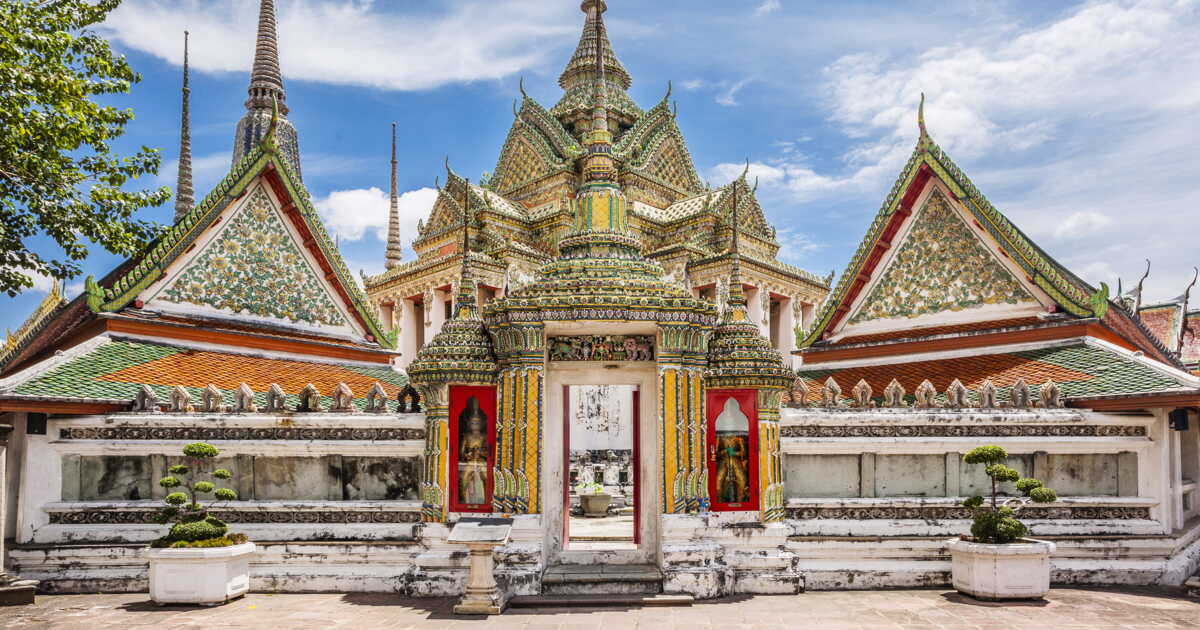
1. Visits to dazzling temples such as the Reclining Buddha Temple (Wat Pho) or the Emerald Buddha Temple (Wat Phra Kaew)
Exploring the dazzling temples of the city of Bangkok helps grasp the spiritual and architectural scale of the Thai capital. From the old town of Phra Nakhon along the river, the Wat Pho with its 45 meters in length enchants with its architectural details and its peaceful atmosphere, contrasting with the lively vibe of the nearby Khao San Road. Crossing the Chao Phraya River by a river ferry leads to Wat Arun, an emblematic site of the vastness of this city, especially beautiful at sunset.
These buildings, often crowded, sometimes require advance ticketing to avoid queues, especially during peak hours. The Grand Palace, a must-see site for any trip to Thailand, imposes strict opening hours and a dress code. Booking a private driver or using taxi and tuk-tuk drivers makes getting between these remarkable buildings easier, while allowing visits to be tailored to the best moments of the day.
2. Bangkok’s Floating Market
The Bangkok floating market, especially those at Taling Chan or Amphawa, offers a traditional, bustling ambience starting from the early morning, where locals sell from their boats typical dishes like pad thai or exotic fruits. A long-tail boat ride, preferably reserved in advance to secure a better rate, provides a unique experience in a setting ideal for absorbing a lifestyle tied to waterways.
For visitors, these markets are more than picturesque spots: they illustrate social organization, commercial practices, and the daily link Bangkok residents have with their river environment. By avoiding the peak tourist hours, one discovers a Bangkok less choreographed, where authenticity prevails, while benefiting from affordable prices for culinary specialties.
3. Cruises on the Chao Phraya River
A cruise on the Chao Phraya River provides an efficient way to appreciate the contrast between Thailand’s traditional buildings and the modern silhouettes of the capital. From a boat, you can observe temples, the Royal House, the Rama VIII Bridge, or the shores of Chinatown in Bangkok, while sunset turns the cityscape into a changing painting.
Opting for an evening cruise with dinner aboard helps avoid peak hours and enjoy a relaxed lounge atmosphere. Packages with meals, sometimes at a modest price, often include a long-tail boat ride, prized for its slow pace and unique perspectives. This kind of activity, bookable in advance, blends comfort, culture and urban observation.
4. Urban tuk-tuk exploration
An urban tuk-tuk excursion offers a quick, sensory immersion into the city of Bangkok, especially in the old town, in the lively neighborhoods of Khao San Road, Chinatown, or around Pak Khlong Talat. By hiring tuk-tuk drivers directly on site or through apps offering upfront pricing, visitors avoid bargaining.
This approach allows you to connect several sites in a short time, often in the evening when street life peaks. A tasty break between street food stalls and local scenes enriches the experience. The tuk-tuk becomes a mobile anchor for observing the city’s vastness, while being carried along by its rhythm and scents.
5. Relaxation in Lumpini Park
The Lumpini Park, Bangkok’s true green lung, stands out as the ideal spot for those seeking a peaceful ambience after a day in the urban frenzy. In the afternoon, the park’s paths welcome walkers, runners, and tai chi enthusiasts, in a setting organized around a large lake and shaded zones. It is one of the rare places in Bangkok where nature can express itself in the heart of the metropolis.
Monitor lizards, often spotted, are part of Bangkok’s urban wildlife. Well served by the aerial metro, this park sits close to many business districts and offers a true refuge between two visits, especially late in the day when the sun sinks and the atmosphere grows gentler.
6. Siam Paragon: a showcase of modern Bangkok and the hub of Asian luxury
Siam Paragon embodies Bangkok’s confident modernity. A true showcase of Asian commerce, this mall brings together high-end boutiques, international dining and cultural activities within a building characterized by contemporary lines. Located in the Siam district and accessible by public transport, it attracts both locals and tourists. The complex also houses a renowned aquarium, an educational as well as entertaining space.
Just a few stops from the historic old town, Siam Paragon captures the city’s economic and social shift. It’s a place where comfort, variable pricing and quality services coexist with the ongoing buzz of a young, connected district, often appreciated during a long Bangkok weekend.
7. One-day excursions
Heading out on one-day excursions from Bangkok broadens the perspective on Thai culture and geography. Destinations like Ayutthaya, the ancient capital, or Kanchanaburi offer major historical sites. For nature lovers, Erawan National Park and its waterfalls draw visitors seeking refreshment.
These trips often require a private driver, depending on the destination. Plan the opening hours, check the reasonable entry prices and the options for public transport to optimize the day. This type of excursion reveals Thailand’s diversity and strengthens a broader understanding of its heritage.
8. Grand Palace
The Grand Palace remains the must-see site for any Bangkok visit. Located in the heart of Bangkok, this building with exceptional ornamental wealth houses temples, royal interiors and the famous Wat Phra Kaew, home to the Emerald Buddha. Very busy, especially on weekends, it is advised to book tickets in advance to avoid long queues.
Exploring this historic anchor gives insight into the close ties between monarchy, religion and national identity. The site imposes a strict dress code and prices vary depending on options chosen (guide, audio guide, etc.). A genuine symbol of the country’s history, it better than any other monument illustrates the cultural continuity of the Thai kingdom.
9. Exploring Bangkok differently
Jim Thompson House
Visiting the Jim Thompson House offers a glimpse of another facet of the city of Bangkok, balancing architectural refinement with the memory of a pivotal figure in Thailand’s textile industry. Nestled in an ideal spot on the edge of the Phra Nakhon district, just a few minutes by skytrain from Lumpini Park, this traditional teak house embodies the elegance of Thai architecture and provides a tranquil moment amid the vastness of the city.
Through its architectural details, its artworks and lush gardens, it offers a peaceful ambiance, in marked contrast with the bustling atmosphere of the nearby streets. Accessible by public transport or with a private driver, the house is an essential cultural stop often overlooked during a trip to Thailand.
Chatuchak Weekend Market
The Chatuchak Market, also known as the weekend market, unfolds like a true city within a city, drawing thousands of visitors every weekend to explore its countless stalls. Divided into themed sections, it’s renowned for its affordable prices and the immense variety of products on offer: local crafts, textiles, plants, animals, decorative items, and street-food stalls where you can savor a pad thai or artisanal ice cream.
To fully enjoy this essential locale, it’s best to visit in the afternoon or early morning, avoiding peak hours, and to prefer access via the air rail to dodge traffic. A visit to Chatuchak offers an authentic immersion into Bangkok’s daily life, remaining a reference for backpackers as well as seasoned wanderers seeking rare finds at low prices.
MBK Center (Ma Boon Khrong Center)
The MBK Center (Ma Boon Khrong Center) stands as a major commercial symbol in the heart of Bangkok, bridging modernity and accessibility. This vast building, located near the Siam district and connected by air rail, offers a consistently lively atmosphere and is a popular option for visitors seeking electronics, souvenirs, clothing or phones at reasonable prices.
Less touristy than some neighboring malls, MBK maintains a strong local footprint, notably thanks to its indoor street-food, where you can sample a classic Thai dish between purchases. Easy to reach and ideal for an afternoon indoors, it makes for a practical and cultural rendezvous to better grasp Bangkok’s commercial energy, without neglecting the unique atmosphere of its large urban complexes.
How many days does it take to visit Bangkok and grasp its multiple faces?
Deciding how many days to spend in Bangkok depends on the desired pace. A short weekend of two to three days is enough to explore the notable buildings of the old town, enjoy the street food, and wander through Chinatown in Bangkok. A longer stay, five to seven days, allows adding one-day excursions, lively nightlife discoveries such as the Moon Bar, or calmer visits to places like Lumpini Park or the floating markets.
Is Bangkok worth visiting? Between a vibrant urban energy and ancestral heritage, the question invites a reflection on the city’s appeal. A Southeast Asian capital, it blends sacred heritage, renowned street cuisine, an energetic atmosphere that lasts until late, and easy access to historical destinations.
What to do in Bangkok at night? Exploring the capital from a different perspective
As dusk settles, night markets, such as ASIATIQUE The Riverfront or Pak Khlong Talat, come alive around street-food stalls, offering an animated atmosphere where Bangkok residents mingle with travelers. At the same time, rooftops like the Moon Bar let you enjoy a view of Bangkok from over 200 meters, in a lounge atmosphere.
Public transportation wraps up at midnight, so for nocturnal travel you’ll need taxis, ride-hailing apps (Grab, Bolt), or tuk-tuks. This moment is ideal for immersing yourself in another facet of the city: more sensory, less formal, but just as rich in discoveries.
3 days in Bangkok: a cultural itinerary and urban discovery at the heart of Thailand
Spending 3 days in Bangkok allows you to condense an urban discovery structured around the notable buildings, lively neighborhoods and local traditions. Day one can focus on the old town, with its major temples and the Grand Palace. Day two highlights the Siam district, its air rail, art galleries and high-end boutiques.
The final day offers the chance to explore Chinatown in Bangkok or unwind in Lumpini Park. To keep things smooth, it’s wise to book tickets in advance, avoid peak hours, and use private drivers or public transport to optimize travel. In three days, Bangkok reveals the essence of its diversity, balancing memory, modernity and a vibrant daily life.
This article was drafted with the help of artificial intelligence, then corrected, expanded and validated by the editors of the publication.