Summary
-
1. Explore coral reefs through diving and snorkeling
-
2. Discover the Mamanuca and Yasawa by boat
-
3. Participate in a Kava ceremony
-
4. Explore the Garden Island of Taveuni
-
5. Relax at Port Denarau Marina and Natadola Beach
-
6. Visit the Garden of the Sleeping Giant
-
7. Learn to surf on renowned spots
-
8. Take part in a traditional feast
-
9. Venture to Suva, the capital
-
10. Immerse in Fijian history at the Fiji Museum
-
11. Dravuni Island: immersion in a Fiji village off the beaten path (Dravuni Island)
-
12. Fiji Culture Village: understanding the living heritage of the Fiji Islands
-
Are the Fiji Islands expensive? Understanding the real cost of a stay on the islands
-
What is the best season to go to Fiji?
Paradise-like country, Fiji features some of the most stunning landscapes in the Pacific: here is what to see on this archipelago at the far end of the world.
1. Explore the coral reefs through diving and snorkeling
Exploring Fiji’s coral reefs is a wonderful experience accessible to both seasoned divers and snorkeling enthusiasts. Iconic sites such as the Namena Marine Reserve and the Great Astrolabe Reef showcase remarkable underwater biodiversity, with multicolored corals, manta rays, and a wide variety of bird species nesting on nearby islets.
These protected zones are reachable by private boats or cruise vessels, often departing from Pacific Harbour or the Port Denarau Marina, for a well-guided one-day excursion. Observing Fiji’s coral barrier, one of the richest in the Pacific Ocean, is also a way to better understand the Fijian relationship with the sea, an integral part of their way of life.
In a context where the preservation of these ecosystems becomes essential, these dives take on a contemplative and educational dimension.
2. Discover the Mamanuca and Yasawa by boat
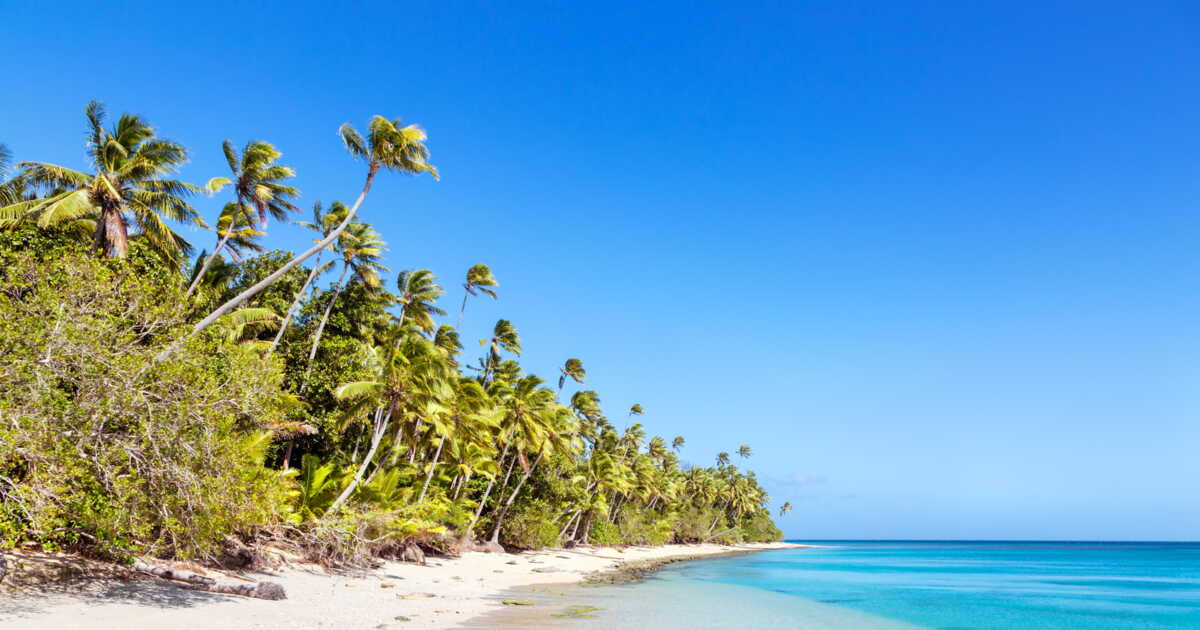
The archipelagos of the Mamanuca and the Yasawa are among Fiji’s natural gems, renowned for their white-sand beaches and turquoise waters. A one-day excursion or a multi-day cruise allows exploring these islands on private boats, glass-bottom boats, or a classic cruise vessel. Visitors can snorkel, discover the marine caves of Sawa-i-Lau, or simply enjoy a spectacular sunset over the lagoon.
These itineraries, accessible from Nadi town or Viti Levu, often include pauses in Fijian villages, where traditions are passed down through storytelling, music and traditional dances. This island-hopping is a great opportunity to soak up the island lifestyle, where the sea is not merely scenery but a living resource at the heart of Fiji’s customs.
3. Participate in a Kava ceremony
Participating in a kava ceremony is a pivotal moment to grasp the communal spirit of the Fiji Islands. Kava, a traditional drink made from the plant’s roots, is shared within a ritual setting during ceremonies called sevusevu, which mark visitors’ welcome in a Fijian village.
Within a formal circle, everyone receives their portion in a coconut shell, in a respectful and codified atmosphere. Sharing the kava with locals is both a gesture of hospitality and a living transmission of culture. These moments, still practiced in many areas of Viti Levu or in the villages of Taveuni, continue the country’s oral history, shaped by local customs, community practices and the legacy of British colonization. For travelers, it is a sober yet powerful encounter, an integral part of a respectful and enlightened Fiji voyage.
4. Explore the Garden Island of Taveuni
Taveuni, nicknamed the Garden Island, is one of Fiji’s natural treasures, home to lush jungles, waterfalls, and hiking trails. The Bouma National Heritage Park and the Tavoro Falls offer marked routes through the tropical forest, ideal for observing local wildlife and endemic bird species. This remote area also reveals a traditional way of life, punctuated by kava ceremonies, traditional dances, and community agricultural practices.
Natural hot springs, found in certain zones, complement the experience with a relaxing moment integrated into the landscape. Taveuni is also a major diving site, thanks to its proximity to the famous Rainbow Reef and the Somosomo Strait, worldwide known for their stunning soft corals. For nature lovers, this island represents a key stop in a Fiji itinerary, combining a one-day excursion with deep immersion.
5. Relax at Port Denarau Marina and Natadola Beach
Located on the western and southwestern shores of Viti Levu, Denarau and Natadola Beach are two iconic Fiji seaside destinations designed for comfort and relaxation. Denarau hosts large resorts with a warm welcome, direct access to the Port Denarau Marina, a range of activities such as golf, spa, and water sports, as well as departures to cruise ships. Natadola Beach, more pristine, is loved for its fine sand and turquoise waters, ideal for swimming and watching the sunset.
These two sites are often included in one-day excursions, perfect for extended weekends or structured getaways. They provide a restful pause in a Fiji itinerary, balancing cultural explorations with marine discoveries.
6. Visit the Garden of the Sleeping Giant
Located just outside the town of Nadi, the Garden of the Sleeping Giant is a renowned botanical garden, home to one of Fiji’s largest orchid collections. Nestled at the foot of a range, it offers shaded hiking trails through lush jungles and decorative ponds. This site provides a peaceful alternative to beaches and resorts, perfect for nature lovers or photographers seeking tropical scenes.
It is also possible to combine this one-day excursion with a stop at the Sabeto Hot Springs and Mud Pool, nearby, to enjoy natural hot springs. Easily accessible by road from Nadi, the garden sits within a conservation-focused approach while offering a structured aesthetic experience.
7. Take up surfing at renowned spots
Fiji ranks among the world’s premier surfing destinations, with iconic breaks like Cloudbreak and Restaurants, famed for their powerful and reliable waves. These sites draw professionals each year, as well as enthusiasts seeking technical challenges in a dramatic setting.
Accessible by private boats or specialized shuttle services, these legendary locations lie at the heart of the Mamanuca archipelago, notably off the island of Tavarua. Surfing in Fiji goes beyond performance: it fits into a lifestyle centered on the ocean, where waiting for a good break pairs with respect for nature, camaraderie, and warm hospitality. For enthusiasts, it is also a way to discover another facet of the country—more athletic yet just as authentic.
8. Take part in a traditional feast
The Lovo, Fiji’s traditional feast, is a culinary experience that perfectly complements a one-day excursion to a Fijian village. Food cooked in underground pits, covered with hot stones and banana leaves, blends fish, coconut, tubers and local meats. This shared moment, often accompanied by traditional dances and kava ceremonies, is an integral part of island culture.
It helps illuminate how culinary and social knowledge is handed down in a setting that evokes ancient Fijian traditions, distinct from the Indo-Fijian influences introduced later during British colonization. Participating in a Lovo means sitting with locals, sharing stories by the fire, and savoring more than a meal: a moment of warm hospitality and cultural cohesion.
9. Venture to Suva, the capital
Suva, the capital of Fiji, offers a different perspective on the Fiji Islands, leaning more toward political history, social diversity, and daily life. As a port city, Suva hosts vibrant markets, administrative institutions, and several buildings inherited from British colonial rule. Unlike seaside resorts, it provides a closer look at the urban Fijian lifestyle and a better understanding of the country’s social dynamics.
It is also a good starting point for a day trip to nearby villages or to the Fiji Museum. For travelers curious to see what lies beyond the tourist façade, Suva makes a complementary and instructive stop.
10. Immerse in Fijian history at the Fiji Museum
The Fiji Museum, located in Suva, is a key stop for anyone looking to contextualize their trip to Fiji. It houses a rich collection spanning precolonial eras, the arrival of Europeans, cannibal customs, British colonization, and the evolution toward independence.
Exhibits include traditional objects, marine artifacts, testimonies of daily life in Fiji’s villages, as well as items related to kava ceremonies and island living. The museum plays a vital educational role by linking traditions to contemporary realities of the country. It serves as a transmission hub, where every day trip finds a continuation in history and collective memory.
11. Dravuni Island: immersion in a Fiji village off the beaten path (Dravuni Island)
The Dravuni Island, a small island in the northern part of the Great Astrolabe Reef, remains one of those unspoiled places offering a unique glimpse into life in a traditional Fiji village. Accessible by cruise ship or during day excursions, it allows visitors to witness traditional dances, the sevusevu custom, and kava ceremonies organized with locals, using kava roots in accordance with ancestral practices. The island also lends itself to hiking to the summit, where one enjoys a remarkable view of the surrounding lush jungles and the coral reef.
This type of destination highlights the importance of living local customs, still vibrant, and helps to understand the central role of tradition in residents’ daily lives, heirs to a past shaped by cannibal practices and British colonization. Dravuni Island thus offers a structured, educational, and rewarding immersion.
12. Fiji Culture Village: understanding Fiji’s living heritage
The Fiji Culture Village, located near the town of Nadi, is designed to offer visitors a guided encounter with the cultural heritage of the Fiji Islands. The site presents local customs, traditional dances, craftsmanship, and the highly codified kava ceremony, explaining its origin, progression, and role in society. It also introduces the sevusevu, the welcome ritual still practiced in the Fijian villages.
For travelers who want to go beyond the beach experience, Fiji Culture Village offers an educational setting designed to render the layers of Fijian history comprehensible—from tribal origins to the influences of British colonization, and the importance of communal life. This cultural center sits within an identity-valorization approach and stands as a meaningful step in any structured Fiji itinerary.
Fiji is a destination with countless facets, where each island and activity reveals a new experience. Whether your heart leans toward adventure, relaxation, or cultural immersion, Fiji will meet your expectations.
Are the Fiji Islands expensive? Understanding the real cost of a stay on the islands
Are the Fiji Islands expensive? This question often arises when planning a trip to Fiji, an archipelago famous for its turquoise waters, its paradisiacal islands, and its warm hospitality. The cost of a stay largely depends on the type of experience sought: a private boat, a helicopter tour, or a luxury resort stay on Viti Levu will obviously carry a higher price than a trip centered on homestays, bus travel, or local activities.
It is entirely possible to enjoy a wonderful experience on the Fiji Islands without excess, by prioritizing one-day excursions, accessible water sports, local markets, and small-scale accommodations. Some cruise ships also offer combined options from New Zealand or Australia at competitive rates. In short, the Fiji Islands aren’t exclusively reserved for upscale tourism: there are balanced alternatives to travel smart in the South Pacific, according to your priorities and budget.
What is the best season to visit Fiji?
Choosing the ideal time to go to Fiji mainly depends on the climate and the activities you plan. Located in the Pacific Ocean, the Fiji Islands enjoy a tropical climate year-round, but the period from May to October is considered the most favorable.
It is the dry season, perfect for enjoying beaches like Natadola Beach, the Sabeto Hot Springs and Mud Pool, or exploring the coral barrier by jet ski or glass-bottom boat. The austral summer months, from November to April, correspond to the rainy season, with a higher cyclone risk, but also lower prices and particularly lush vegetation.
For nature lovers, it is also a good time for observing certain bird species in the jungles of Viti Levu or along the Lavena Coastal Walk. Thus, the right moment depends on the balance you seek between climate, budget, and activity type, knowing that each season offers distinct advantages.
This article was drafted with the help of artificial intelligence, then edited, expanded and validated by the newsroom’s editors.