A Long, Quiet River: the Thomson River
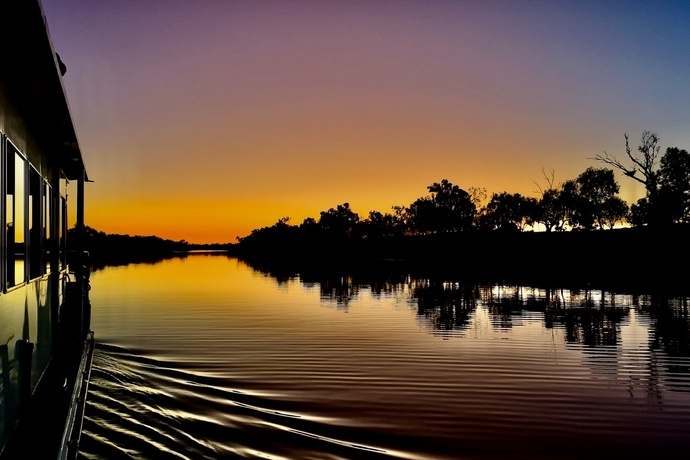

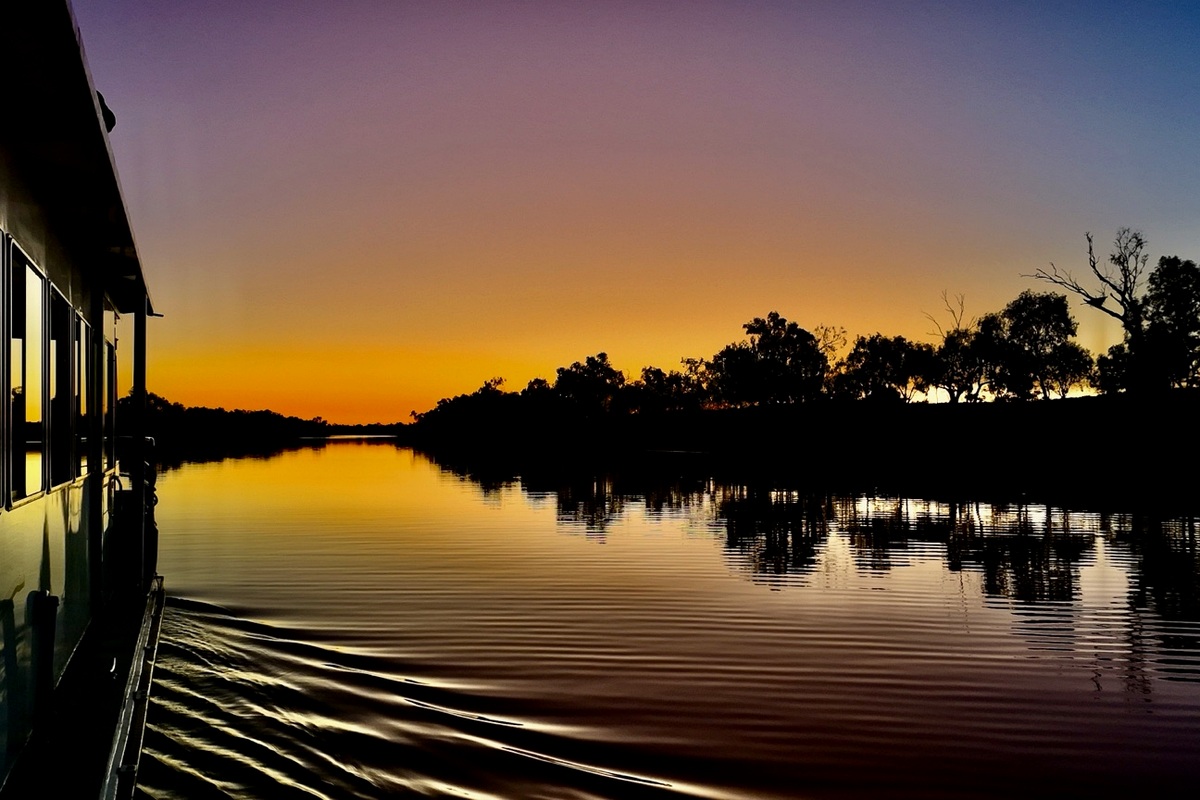
The light wanes over the Thomson River.
The water lies still, almost motionless. The sky mirrors itself on its surface in a deep orange hue. At the helm of the boat, Mick watches the horizon with the smile of someone who knows exactly where he stands.
« If this is a job, don’t tell anyone I’m being paid. That’s to say how good it is. »
The line draws a laugh, but it also sums up the strength of Longreach. Here, the experience rests not only on the beauty of the landscape. It depends on how this landscape is told, on the pace the guide sets, on the stories that connect the river, the stockmen, the roads, and the Outback communities.
Savannah has been guiding for about fifteen years, and Mick accompanies the Drover’s Sunset Cruise offered by Outback Aussie Tours. The boat glides slowly along the Thomson River as the heat eases. The water becomes smooth, almost glassy. Later will come the dinner under the stars and Smithy’s Outback Dinner & Show.
On paper, it’s a cruise followed by a meal and a show.
In practice, the experience becomes something else: a first reading of the country.
“Storytelling is very important.” “It allows linking facts and figures to a story. Visitors understand better and their trip gains more meaning.”
This sentence could sum up the entire potential of Longreach.
The water lies still, almost motionless. The sky mirrors itself on its surface in a deep orange hue. At the helm of the boat, Mick watches the horizon with the smile of someone who knows exactly where he stands.
« If this is a job, don’t tell anyone I’m being paid. That’s to say how good it is. »
The line draws a laugh, but it also sums up the strength of Longreach. Here, the experience rests not only on the beauty of the landscape. It depends on how this landscape is told, on the pace the guide sets, on the stories that connect the river, the stockmen, the roads, and the Outback communities.
Savannah has been guiding for about fifteen years, and Mick accompanies the Drover’s Sunset Cruise offered by Outback Aussie Tours. The boat glides slowly along the Thomson River as the heat eases. The water becomes smooth, almost glassy. Later will come the dinner under the stars and Smithy’s Outback Dinner & Show.
On paper, it’s a cruise followed by a meal and a show.
In practice, the experience becomes something else: a first reading of the country.
“Storytelling is very important.” “It allows linking facts and figures to a story. Visitors understand better and their trip gains more meaning.”
This sentence could sum up the entire potential of Longreach.
An Accessible Gateway to Queensland’s Outback
 Longreach is situated in the Queensland Outback, to the west of Brisbane. The town is accessible in several ways, which is a real commercial boon for travel professionals.
By car, it slots into a major road trip starting from Brisbane, crossing inland Queensland. The journey takes time, but it lets you watch urban areas fade away gradually, then farmland, before the vast plains and distances of the Outback become truly present.
The plane offers the quickest option, with routes from Brisbane. The train, meanwhile, turns the journey into an experience: the Spirit of the Outback links Brisbane to Longreach in about twenty-six hours. For more than a day, the coastal Queensland gradually recedes in favor of small towns, pastoral lands, and the big open spaces of the interior.
So the traveler can choose air efficiency, the freedom of self-drive, or the deliberately slow pace of rail.
Longreach thus offers a first encounter with the Outback without immediately imposing a trek on isolated tracks, days of autonomy, or complicated technical preparation. The town has accommodations, structured attractions, guided experiences, and an identity strong enough to justify a two- or three-night stay, or even longer.
This is not a watered-down version of the Outback.
It is a readable gateway.
Qantas, from Double Sunrise to Project Sunrise
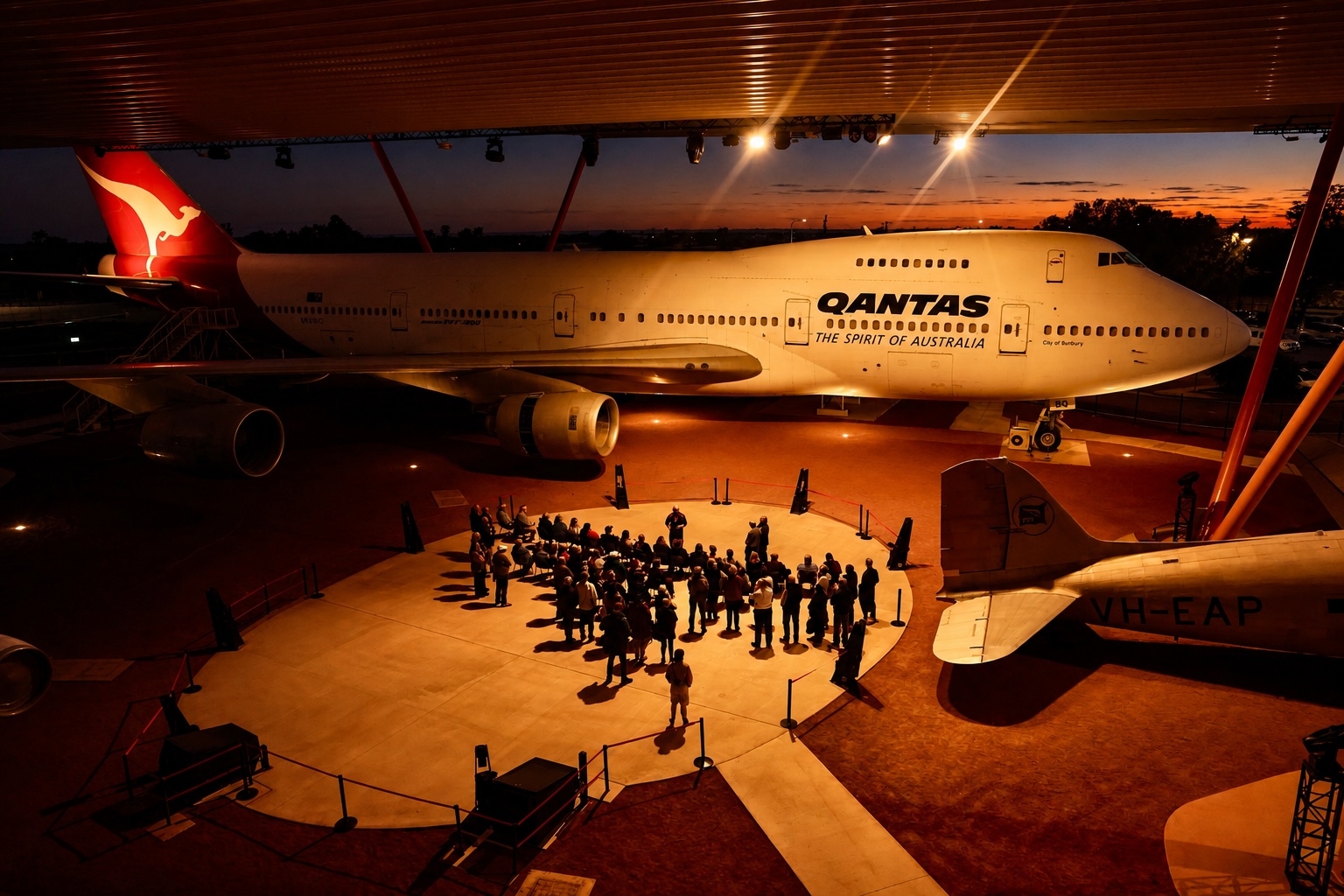
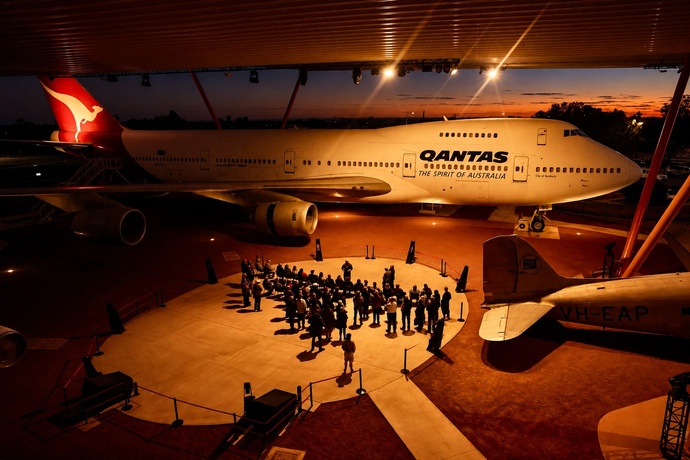
In Longreach, distance is first narrated through aviation.
The Qantas Founders Museum recalls that the airline, which has become one of Australia’s international symbols, was born in this isolated corner of Queensland. Here, a plane was not yet a premium product or a means of linking the world’s major capitals. It represented a tangible answer to the vastness of the land.
One of the museum’s most fascinating stories concerns the Double Sunrise flights.
During World War II, after Singapore fell to Japan, Qantas operated five Catalina flying boats between Perth and Ceylon, today Sri Lanka. These modified aircraft carried military and government officials, mail, and sensitive documents across zones watched by Japanese forces.
The journey averaged nearly twenty-eight hours without a stopover. Passengers witnessed two sunrises during the same voyage, hence the service’s name.
More than eighty years later, Qantas has revived this history to christen its most ambitious project: Project Sunrise.
The airline is preparing nonstop connections between Australia’s east coast, London, and New York, operated by Airbus A350-1000ULR. At the time of our visit to Longreach, the aircraft’s endurance testing had just reached a new milestone with flights from Toulouse to Melbourne.
In a museum at the heart of the Outback, the past and the future of Australian aviation converge. The Catalinas kept a fragile link between isolated Australia and the rest of the world. The future A350s aim to remove the last layovers between Sydney, London, and New York. The challenge remains the same: conquering distance. Longreach thus allows telling Qantas’s current affairs from the very place where its legend began.
The Qantas Founders Museum recalls that the airline, which has become one of Australia’s international symbols, was born in this isolated corner of Queensland. Here, a plane was not yet a premium product or a means of linking the world’s major capitals. It represented a tangible answer to the vastness of the land.
One of the museum’s most fascinating stories concerns the Double Sunrise flights.
During World War II, after Singapore fell to Japan, Qantas operated five Catalina flying boats between Perth and Ceylon, today Sri Lanka. These modified aircraft carried military and government officials, mail, and sensitive documents across zones watched by Japanese forces.
The journey averaged nearly twenty-eight hours without a stopover. Passengers witnessed two sunrises during the same voyage, hence the service’s name.
More than eighty years later, Qantas has revived this history to christen its most ambitious project: Project Sunrise.
The airline is preparing nonstop connections between Australia’s east coast, London, and New York, operated by Airbus A350-1000ULR. At the time of our visit to Longreach, the aircraft’s endurance testing had just reached a new milestone with flights from Toulouse to Melbourne.
In a museum at the heart of the Outback, the past and the future of Australian aviation converge. The Catalinas kept a fragile link between isolated Australia and the rest of the world. The future A350s aim to remove the last layovers between Sydney, London, and New York. The challenge remains the same: conquering distance. Longreach thus allows telling Qantas’s current affairs from the very place where its legend began.
The Stockman’s Hall of Fame, Where Actions Come Alive Again
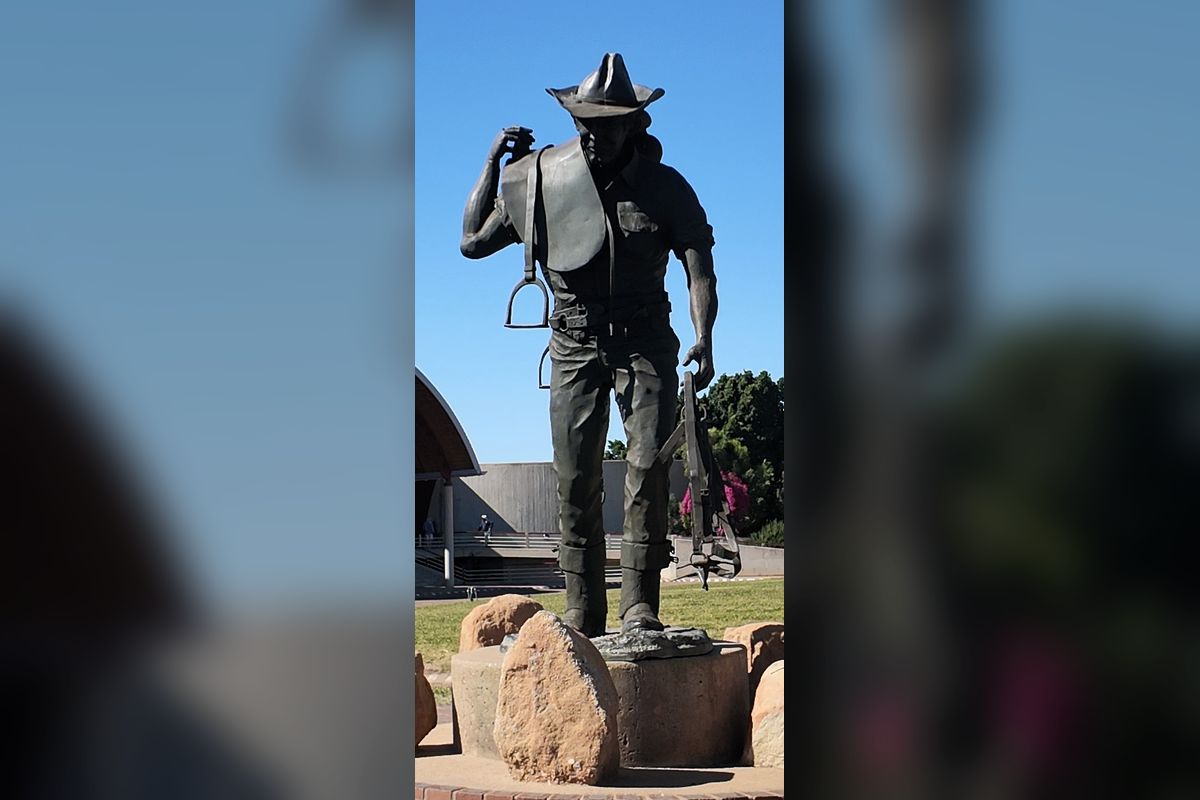
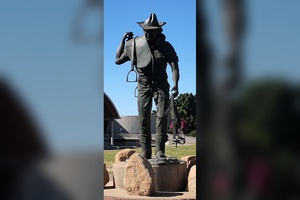
A short distance away, the Australian Stockman’s Hall of Fame tells another way of inhabiting this immensity.
In the outdoor arena, heritage isn’t kept behind glass.
A stockman rides in on horseback, jokes with the audience, snaps his whip, and explains each gesture. The working horse must not only be fast or powerful; it must be calm, attentive, capable of waiting for instruction, and trusted by its rider.
The whip cracks within a few centimeters of its ears and eyes. The animal hardly stirs.
The demonstration then reveals its real nature: less a performance than a relationship.
The Australian stockwhip is explained in detail as well. Unlike the bullwhip popularized by Indiana Jones, it consists of two distinct parts: the handle, once called the stock, and the long leather thong. The crack is produced by a simple cord at its tip, when energy concentrated along the whip generates a small sonic bang.
The show draws laughter, but it also conveys a know-how.
Then Juddy enters the arena.
His horse has belonged to him since he was nine months old. They have trained, traveled, and performed together across the country.
“Every stockman will tell you he meets an exceptional horse in his life. This one is mine. He’s my best friend on this planet.”
At that moment, the bush myth ceases to be mere image.
It becomes a bond.
In the outdoor arena, heritage isn’t kept behind glass.
A stockman rides in on horseback, jokes with the audience, snaps his whip, and explains each gesture. The working horse must not only be fast or powerful; it must be calm, attentive, capable of waiting for instruction, and trusted by its rider.
The whip cracks within a few centimeters of its ears and eyes. The animal hardly stirs.
The demonstration then reveals its real nature: less a performance than a relationship.
The Australian stockwhip is explained in detail as well. Unlike the bullwhip popularized by Indiana Jones, it consists of two distinct parts: the handle, once called the stock, and the long leather thong. The crack is produced by a simple cord at its tip, when energy concentrated along the whip generates a small sonic bang.
The show draws laughter, but it also conveys a know-how.
Then Juddy enters the arena.
His horse has belonged to him since he was nine months old. They have trained, traveled, and performed together across the country.
“Every stockman will tell you he meets an exceptional horse in his life. This one is mine. He’s my best friend on this planet.”
At that moment, the bush myth ceases to be mere image.
It becomes a bond.
The Women, Silent Heroines of the Outback
Kelly then joins the show and shifts the gaze.
The Hall of Fame bears the name of the stockmen, but Outback history has never been written only on horseback.
When men left for weeks, months, sometimes longer, the women stayed to hold the property. They raised and educated the children, grew food, tended to the cattle, prepared meals, made and repaired clothing, often without electricity and in nearly total isolation.
“It was a long, lonely, and hard life, and we must acknowledge it,” recalls Kelly.
Her husband acknowledges it too: even within the Hall of Fame, Outback women do not always receive all the space they deserve.
Yet they were among the true silent heroines of the country’s expansion.
This sequence adds an essential nuance to the traditional Australian pioneer narrative. Behind the image of the solitary stockman lay women capable of maintaining a home, a family, and sometimes an entire station during long spells of absence.
The Hall of Fame bears the name of the stockmen, but Outback history has never been written only on horseback.
When men left for weeks, months, sometimes longer, the women stayed to hold the property. They raised and educated the children, grew food, tended to the cattle, prepared meals, made and repaired clothing, often without electricity and in nearly total isolation.
“It was a long, lonely, and hard life, and we must acknowledge it,” recalls Kelly.
Her husband acknowledges it too: even within the Hall of Fame, Outback women do not always receive all the space they deserve.
Yet they were among the true silent heroines of the country’s expansion.
This sequence adds an essential nuance to the traditional Australian pioneer narrative. Behind the image of the solitary stockman lay women capable of maintaining a home, a family, and sometimes an entire station during long spells of absence.
Sleep at the Heart of History, or Under the Stars
A Destination Already Major for Australians
Ron, at Saltbush Retreat, sums up the Longreach paradox.
For the domestic market, the destination is well known. Australians traveling across the country in caravans or motorhomes know Longreach and naturally include it in their major inland itineraries, alongside Broome or Alice Springs.
International visitors are starting to find their way here as well. Ron notes some American and Canadian visitors, some Japanese, but also an increasing number of independent Chinese travelers, often arriving from Brisbane with a rental car.
The French, however, remain almost invisible.
This isn’t an official statistic. But the testimony says a lot.
Longreach and its Outback lack neither experiences, nor accommodations, nor access. What it lacks is still visibility in French itineraries.
For the domestic market, the destination is well known. Australians traveling across the country in caravans or motorhomes know Longreach and naturally include it in their major inland itineraries, alongside Broome or Alice Springs.
International visitors are starting to find their way here as well. Ron notes some American and Canadian visitors, some Japanese, but also an increasing number of independent Chinese travelers, often arriving from Brisbane with a rental car.
The French, however, remain almost invisible.
This isn’t an official statistic. But the testimony says a lot.
Longreach and its Outback lack neither experiences, nor accommodations, nor access. What it lacks is still visibility in French itineraries.
Why Longreach Can Reassure the French Traveler
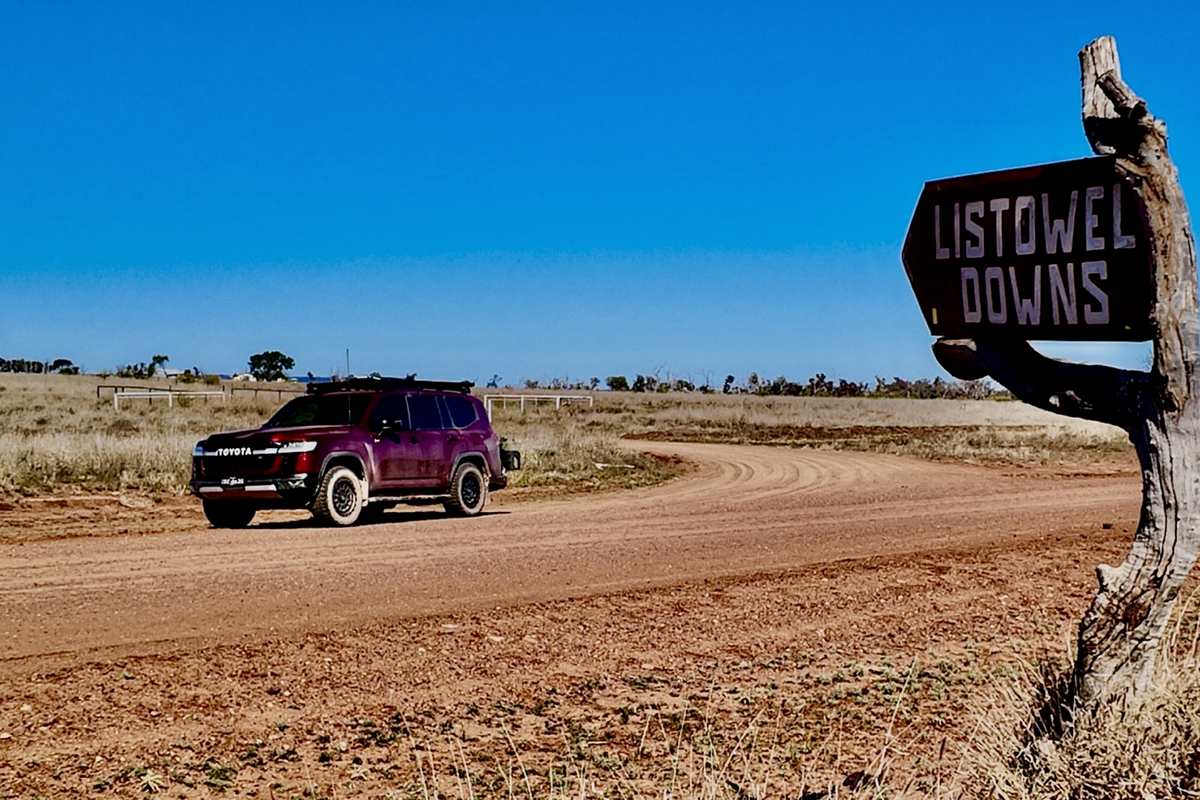
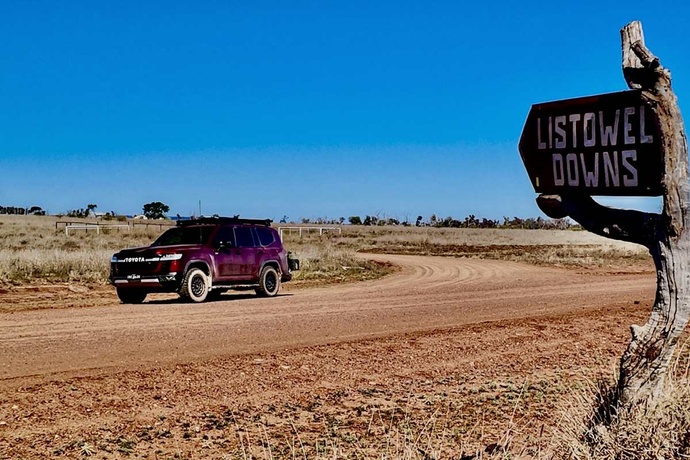
The Outback is a dream, but it can also be intimidating. The distances, the tracks, the heat, and the scarcity of services can deter travelers who don’t want to embark on a complex adventure alone. Longreach helps to cross that initial barrier. Air access greatly reduces time constraints. The train turns distance into an experience. The car enables incorporating the town into a longer inland Queensland road trip. Once there, the traveler benefits from a structured offering, bookable products, several levels of accommodation, and guides capable of giving meaning to what is discovered. The destination can thus be presented in different ways: as an air extension from Brisbane; as the centerpiece of a train journey with the Spirit of the Outback; or as a major stop on a road trip through the Queensland Outback. In all cases, it offers a first encounter with inland Australia that remains deeply authentic without requiring expedition-level preparation.
Another Queensland to Reveal
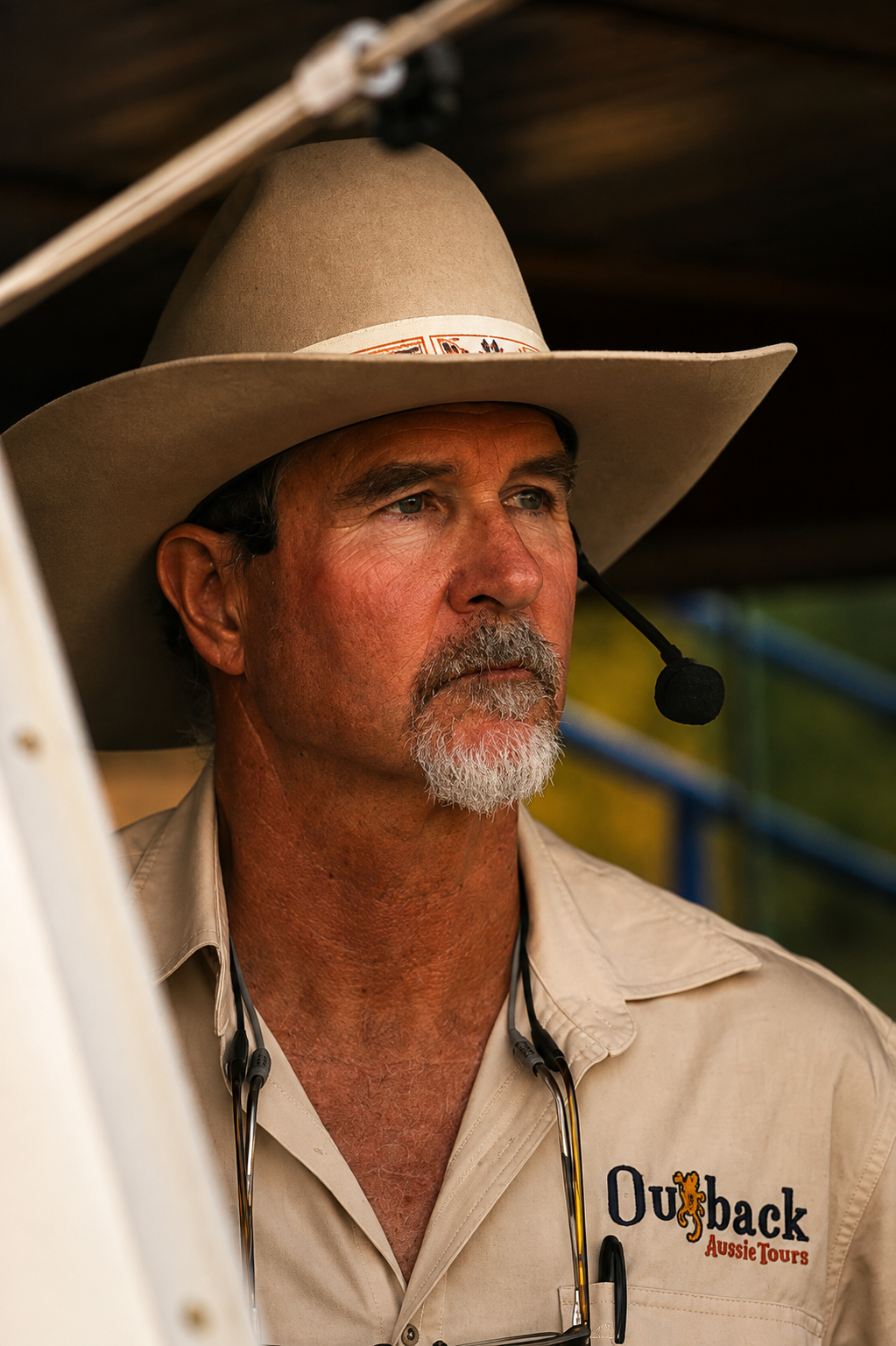
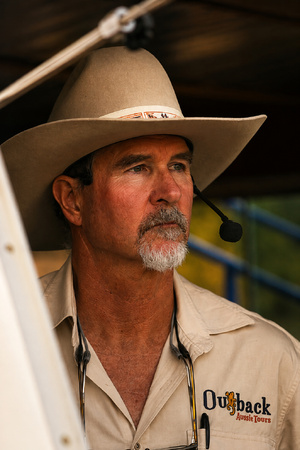
For the French market, Queensland remains mainly associated with the Great Barrier Reef, the Whitsundays, tropical beaches, and the coast. Longreach offers another reading of the state. A Queensland of dry light, pastoral lands, starry nights, and small communities far from the capitals. A territory where the relationship to time shifts. “When you come to the Outback, you enter the true heart of Australia,” says Mick. “People say hello in the street, come to shake your hand. You find less of that on the coast or in the cities, where everyone is very busy. Here, the pace is slower, gentler.” This human dimension is probably the hardest argument to make in a brochure. Yet it is what most clearly distinguishes the experience.
An Opportunity for 2027
The 2027 Rugby World Cup could offer an extra chance to introduce inland Australia to the French. Longreach will not be an automatic extension of the host cities. Yet the event will draw travelers who want to make the most of their time in the country by discovering something beyond the big coastal cities and icons. The Brisbane–Longreach air link makes extending feasible, provided one anticipates availability, seasonality, and length of stay. For agencies, the challenge is not to force Longreach into every program, but to identify the right profiles: travelers curious about Australian history, train enthusiasts, families, repeaters, clients drawn to the bush but still hesitant about the most remote itineraries, or premium travelers seeking a comfortable starlit immersion. When I asked Mick what color would best represent the Outback if he could choose just one, he watches the light descend on the Thomson River. “Burnt orange.” Orange brûlé. The color of the sky and the water that evening. The dust raised by the wagons. The earth glimpsed by the first aircraft. Longreach may not need more embellishment. It simply needs to be told as a whole.
Sébastien Cros Sébastien Cros is an independent journalist based in Australia, founder of WeTravelAustralia™.