Every city has its share of so-called “must-see” spots. They are often recommended by guides and travel websites, as well as by town halls, but is that really a guarantee you’ll enjoy them? On site, it can be a real letdown when they do not always meet visitors’ expectations. In the age of social media, where everyone wants to capture the perfect shot, some tourists seem surprised to discover, once they reach their destination, that the most emblematic monuments resemble… the photos they had seen. Nothing more, nothing less.
The Daily Mail makes light of the fact that the Eiffel Tower is reduced in negative comments to “a big tower” and that Big Ben is described as a “big clock” by a traveler who expected to be more impressed by this British pride. There is “no point” in going there since you can now read the time on your phone, the traveler notes.
The “Electric Pylon” of Paris Sparks Outrage
In the Brembana Valley, in northern Italy, it is cows that have become the target of criticism. Vacationers complain about the sound of their bells, which they can hear day and night when staying near these mountains. A Serina resident told the newspaper that it is “impossible to spend holidays here with the cows’ bells within 10 metres of the building”. Her husband even speaks of “noise pollution”.
In response, the town’s mayor defends these animals, whom he considers “a part of our history and our culture”. It is indeed worth remembering that cattle were there long before Airbnb rentals. In Paris, the Eiffel Tower also escapes not from sharp remarks. On Reddit, a tourist described it as a simple “relay antenna”, far from the architectural masterpiece sold. Another person finds that it resembles a “electric pylon”, while a third online user declares that “the building does not deserve to be worshipped”. A hard blow for one of the most famous symbols of France, which has dominated the capital since 1889.
Le Grand Canyon ne serait qu’un “immense trou”
Niagara Falls also leaves visitors perplexed. “Just water falling, nothing special”, sums up almost ironically an unsatisfied tourist. “The worst tourist trap ever, total waste of time! I’ve seen garbage in the street that’s far more beautiful!”, rages another on Google. “Magnificent waterfall! As if I didn’t see that every morning in the shower!” we can still read.
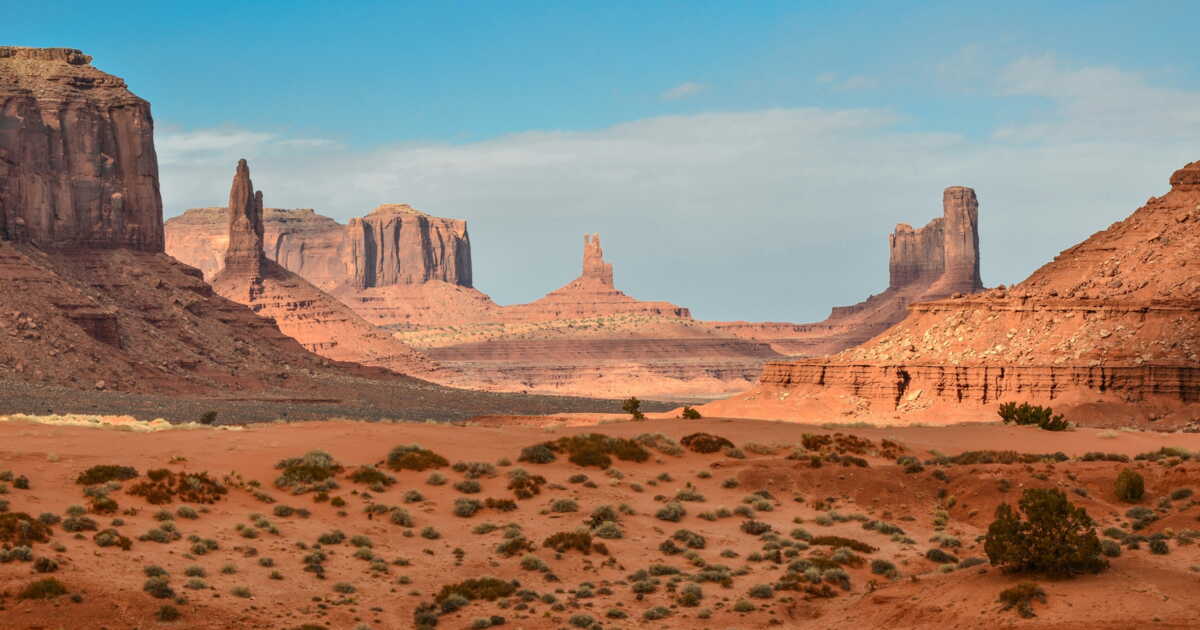
Even the Grand Canyon, though UNESCO regards it as “the most spectacular gorge in the world”, fails to win everyone over. Some reduce it to “colored mountains in a crater” or to an “immense hole in the ground”. These reactions reveal the striking gap between a place’s reputation and what visitors hope to find there. Unrealistic expectations created far too often by social networks.