Contents
-
1. Safari in Kruger National Park
-
2. Climbing Table Mountain in the Heart of Cape Town
-
3. Stroll through Stellenbosch’s Vineyards
-
4. Hike along the Wild Coast
-
5. Whale Watching in Hermanus
-
6. Immersion in History on Robben Island
-
7. Hike in the Drakensberg Mountains
-
8. Excursion to the Cape of Good Hope
-
9. Stroll through the V&A Waterfront
-
10. Shark Cage Diving with Great White Sharks in Gansbaai
-
Is it advisable to travel to South Africa? Understanding safety and the conditions for a successful stay
-
What budget should you plan for two weeks in South Africa? A balance of nature, culture, and comfort
-
What to do in South Africa with family? An educational and spectacular destination
-
South Africa Visa: Procedures and recommendations for a smooth trip
While safari remains one of the flagship experiences of a trip to South Africa, the country is not limited to its wildlife reserves. From Cape Town to the vineyards of Stellenbosch, along wild coastlines and the Drakensberg mountains, here are 10 ideas to diversify your pleasures.
1. Safari in Kruger National Park
Going on a safari in the Kruger National Park constitutes an unforgettable experience for anyone wishing to observe African wildlife in one of the continent’s largest wildlife sanctuaries, covering nearly 19,500 square kilometers. Between lions, elephants, leopards and rare birds, the park offers exceptional viewing opportunities, particularly at dawn or during a sunset stroll.
The best time to visit Kruger stretches over the South African summer, especially for the days in Africa most conducive to wildlife observation. Access is easily done from Johannesburg with a guide or on a self-drive itinerary, whether starting from Johannesburg from France or as an extension toward Cape Town. To capture the finest scenes, a camera is essential. Nearby, the Hluhluwe-Umfolozi wildlife reserve offers a rich and varied itinerary.
2. Climbing Table Mountain in the Heart of Cape Town
The ascent of Table Mountain, either on foot or by cable car, allows you to discover a stunning place where city meets nature. This iconic formation, accessible by cable car or on foot, overlooks the Atlantic Ocean and offers a panoramic view of the city and along the coastline. Included in any visitor’s itinerary, it features among the traveler’s top picks when exploring South Africa.
During a South African summer, the summer months provide ideal days for hiking. The summit experience reveals beautiful botanical gardens in the immediate vicinity. To be included in any Johannesburg-to-Cape Town itinerary, this ascent, combined with city or Peninsula activities, perfectly illustrates the harmony between urban life and mountain landscapes.
3. Stroll through Stellenbosch’s Vineyards
The discovery of the Stellenbosch vineyards (founded in 1679), a few kilometers from Cape Town, is a must on a wine itinerary through the mountainous landscapes and wine valleys of the Cape Winelands. This historic town, shaped by Dutch heritage, is renowned for its wine and the southern autumn (March to May), the ideal season to visit estates and enjoy an authentic tasting experience during the harvest. Founded Stellenbosch in 1679 and the beginning of viticulture in the 1690s by French Huguenots
The South African days allow for successive tastings, cellar visits and strolls in a rolling, hilly environment. Inserted into a Cape Town–Port Elizabeth itinerary, this wine region is also close to the Cederberg and the Cederberg mountains, adding a natural dimension to the unforgettable travel experience.
4. Hike along the Wild Coast
The exploration of the Wild Coast, between East London and KwaZulu-Natal, reveals a still-preserved South Africa, ideal for travelers seeking a stunning place far from ordinary tours. Along the coast, cliffs, beaches and rivers alternate in a succession of wild panoramas, accessible via a self-guided itinerary or with a local guide.
The South African summer, especially during the summer holidays, allows for hiking along coastal trails while enjoying a subtropical climate. It is also the time for a night or several days in Africa in simple accommodations close to local communities. For wildlife watchers and photography enthusiasts, a camera is essential to capture this region’s rare authenticity.
5. Whale Watching in Hermanus
Whale watching in Hermanus, on the southern coast of the Western Cape, ranks among South Africa’s unforgettable experiences. The months of June to November are a good time to see these cetaceans from shore or at sea, in a biodiversity-friendly setting.
Located on a route between Cape Town and Port Elizabeth, this stop fits perfectly into a coastal loop also passing by Gansbaai and Sokcho Beach, popular for other marine activities. The experience, whether during a short stroll or over a full day, is enhanced by the accessibility of the observation sites and the city’s soothing atmosphere. Armed with a camera, visitors capture spectacular moments in harmony with the marine elements.
6. Immersion in History on Robben Island
The immersion in history on Robben Island, off the coast of Cape Town, is an unforgettable experience at the heart of South Africa’s memory. Accessible by ferry, this World Heritage–listed island housed Nelson Mandela, a figure in the fight against apartheid, for 18 years.
The tour, often led by former inmates, provides a unique depth to this place of reflection. This excursion can fit into a self-guided city itinerary or a reverse itinerary from Johannesburg to Cape Town, incorporating other cultural sites. A few hours in the afternoon are enough to explore the island and enjoy the panorama of the bay and Table Mountain. Robben Island is also a powerful photographic landmark, to be captured with a camera to remember one of the country’s most powerful symbols.
7. Hike in the Drakensberg Mountains
The Drakensberg Mountains, largely located in the Kwazulu-Natal, are a major destination for hiking and discovering South Africa in a natural setting. The uKhahlamba-Drakensberg Park, a World Heritage Site, combines mountain scenery, rock art and unique biodiversity. It is one of the favorites for lovers of vast landscapes, who find there, depending on the season, days in Africa suitable for ascent or contemplation.
The South African summer is the best time for varied itineraries, accompanied by a local guide. Access is from Johannesburg with a guide or via a car rental on a south-easterly one-way itinerary toward the southeast of the country. An unforgettable experience, enhanced by the diversity of landscapes and the cultural richness of the places.
8. Excursion to the Cape of Good Hope
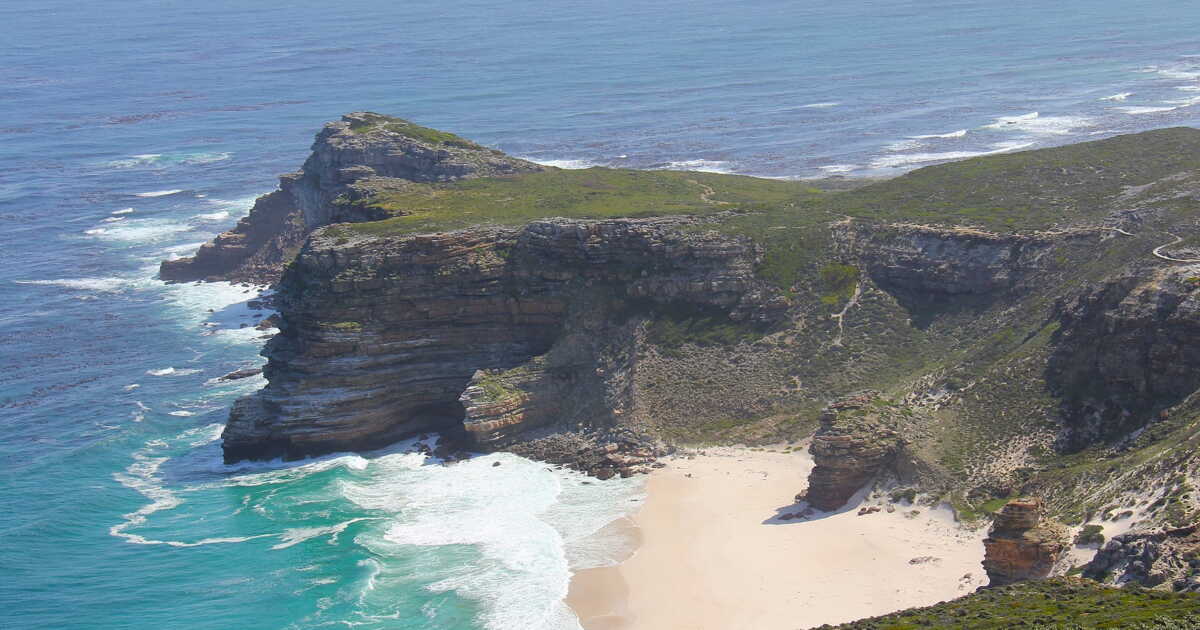
The Cape of Good Hope, located south of Cape Town, embodies a beautiful and symbolic place, at the confluence of two ocean currents. Included in the Table Mountain National Park, this site is explored via a self-guided or guided itinerary, often during a coastal stroll along its rugged trails.
The South African summer, the ideal time for wildlife and flora, offers encounters with iconic species in a subtropical climate. The panorama from the Cape Point Lighthouse, the sheer cliffs and the wild beaches make it one of the country’s natural highlights. It can easily be included in a reverse itinerary between Johannesburg and Cape Town, enriching the peninsula leg with a strong geographic and ecological dimension.
9. Stroll through the V&A Waterfront
The V&A Waterfront, located in Cape Town’s historic harbor, is a multifunctional destination blending culture, shopping and relaxation. Reimagined as a beautiful place with a cosmopolitan vibe, it hosts art galleries, markets, restaurants and events open to the sea, perfect for a afternoon stroll. It is also a practical starting point for trips to Robben Island or the Cape of Good Hope.
Accessible on foot or integrated into a self-guided itinerary, this district also offers an introduction to local culture through its museums and artisan market. An experience to be lived in a safe, dynamic setting, where the South African summer provides ideal climate conditions for enjoying days in Africa in an urban environment open to the ocean.
10. Shark Cage Diving with Great White Sharks in Gansbaai
Shark cage diving with great whites in Gansbaai is an unforgettable experience for thrill-seekers and ecotourism enthusiasts. This supervised activity, offered mainly between May and October, allows you to get up close to these marine predators in their environment, while maximizing conservation standards.
Included in a reverse itinerary between Johannesburg to Cape Town, this excursion adds to the variety of activities offered in the coastal region. Located not far from Hermanus, it can complement a whale-watching marine experience.
The best time for diving coincides with the austral winter, optimizing days in Africa for travelers arriving from abroad. To capture the adventure, a waterproof camera or an appropriate housing lets you document every moment underwater.
Is it advisable to travel to South Africa? Understanding safety and conditions for a successful stay
Asking whether it is advisable to travel to South Africa involves evaluating both safety in South Africa and the quality of its tourism infrastructure. The country welcomes several million visitors each year, drawn by the richness of its wildlife, the diversity of its landscapes and the vitality of its major cities. The situation is generally stable for informed and careful travelers.
Local and international authorities recommend simple precautions: avoid certain neighborhoods at night, favor safe travel and follow local guidelines. South Africa has a developed tourism network, safe accommodations and well-managed national parks. Traveling in this country is above all about smart preparation, to enjoy an exceptional destination with peace of mind.
What budget should you plan for two weeks in South Africa? A balance of nature, culture and comfort
Planning the budget for a two-week trip to South Africa depends on the variety of activities and the travel style chosen. An average stay, combining safari, urban discovery and coastal exploration, ranges from €2,000 to €3,000 per person, flights included.
National parks, such as Kruger or Addo Elephant, account for a significant portion of the budget due to entry fees and specialized accommodations. Travelers can reduce costs by opting for a car rental and independent lodges.
Meals and transportation remain affordable, and the quality of tourism services fully justifies the investment. This budget ensures a comfortable balance, allowing you to explore South Africa’s diversity—from Cape Town to the northern reserves—while enjoying an authentic and well-organized experience.
What to do in South Africa with family? An educational and spectacular destination
South Africa proves to be a destination particularly suitable for family travel. Its outstanding natural heritage, combined with modern infrastructure, creates a setting conducive to shared discovery. Children can spot the Big Five on a safari in Kruger National Park, discover the penguins at Boulders Beach, or marvel at Table Mountain.
Cities such as Cape Town and Durban offer interactive museums, aquariums and safe beaches. The country also appeals for its educational dimension: visiting historic sites such as Robben Island allows approaching the country’s recent history with respect and clarity. Between adventure, learning and moments of relaxation, a family trip to South Africa combines enjoyment, culture and awareness of nature conservation.
South Africa Visa: Procedures and recommendations for a smooth trip
Before any departure, it is essential to check the visa requirements for South Africa, which vary according to the traveler’s nationality. Citizens of many European countries, including France, are visa-exempt for tourist stays under 90 days. However, you should have a passport valid for at least 30 days after the return date and with two blank pages.
For longer stays or professional visits, a specific application must be filed with the embassy or online. South African authorities also require the presentation of a return ticket and sometimes proof of accommodation. Meticulous preparation of these administrative formalities ensures a trip to South Africa without surprises, allowing you to focus fully on discovering the country and the richness of its natural heritage.
This article was drafted with the help of artificial intelligence, then corrected, expanded and validated by the editorial team.