Table of Contents
-
1. Discovering the Parliament Palace
-
2. A stroll through the Lipscani district
-
3. Exploring the Village Museum
-
4. Rest in Cișmigiu Park
-
5. Delving into the National Museum of Romanian Art
-
6. The Romanian Athenaeum: a musical and architectural symbol at the heart of Bucharest
-
7. Herăstrău Park: a plunge into Bucharest’s green heart, between culture and leisure
-
8. Stavropoleos Church: spirituality and heritage in Bucharest’s old town
-
How long does it take to visit Bucharest? Understanding the pace of a capital with many faces
-
What to do in Bucharest at night? A lively capital between culture, gastronomy and nocturnal heritage
-
What to do in Bucharest with kids? A capital suited to family curiosity
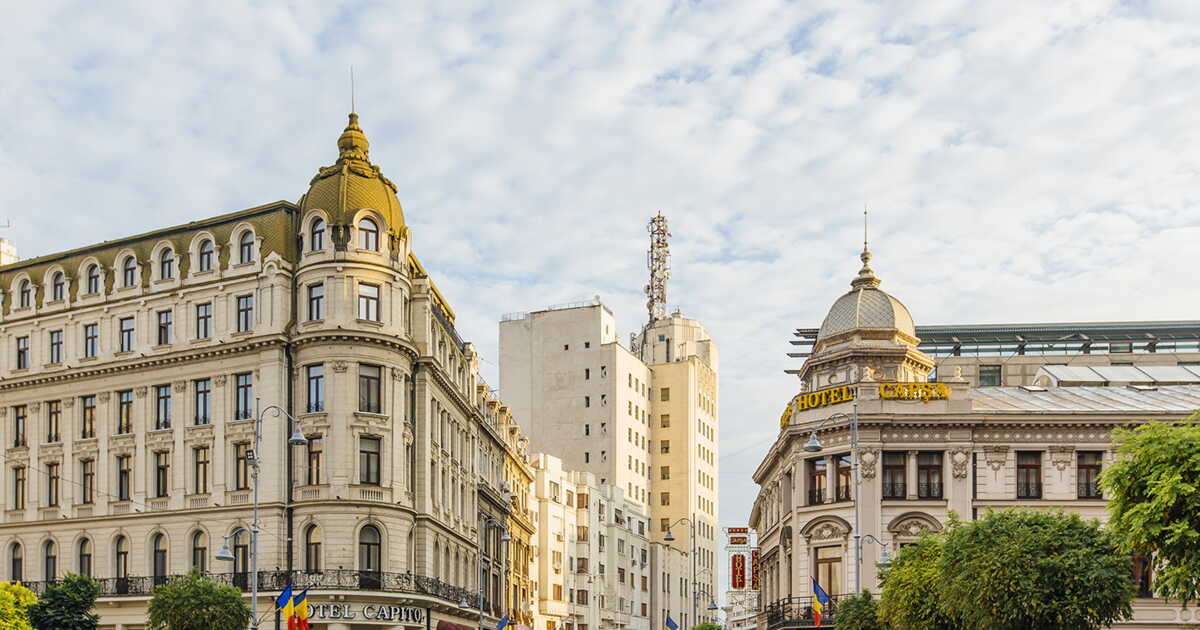
Capital of Romania, founded by the famous Vlad the Impaler, nicknamed the “Little Paris” or “Paris of the East” in its heyday, Bucharest holds many surprising beauties for the traveler who comes for a weekend.
1. Discovering the Parliament Palace
The Parliament Palace of Bucharest, a world-renowned monument after the Pentagon in scale, impresses with its extraordinary size and its role in national memory. This building, erected during the communist era under Nicolae Ceaușescu, is one of the largest administrative structures in the world. Built in marble and crystal, it embodies the power and excesses of a period when Romania sought to assert its authority.
Traveller reviews highlight the richness of its interior decorations, the grandeur of its halls, and the rigour of its neoclassical style. A guided tour allows you to explore its immense galleries, to understand its political and symbolic stakes, and to evaluate the entry prices, generally affordable for such an experience. Compared to the Pentagon in terms of area, it represents a practical option for those wishing to grasp the transition between the past and the modern Romania during a stay in Bucharest.
2. A stroll through the Lipscani district
The Lipscani district, the historic heart of Bucharest’s old town, fascinates with its blend of history, sociability, and festive atmosphere. This is where the Lipscani word truly makes sense: between chic boutiques, underground bars in the basements of old buildings, and cobbled lanes lined with inns and art galleries. The bohemian vibe mingles with the more dynamic nightlife.
The traveller reviews praise the balance between modernity and authenticity, especially around the Stavropoleos Church, a masterpiece of the 19th century, and the Caru’ cu Bere, a historic brewery famed for its Romanian traditional cuisine. With its reasonable prices, its hotels in Bucharest and nearby hostels, Lipscani offers a practical option for a weekend that blends heritage, gastronomy and social encounters.
The experience often evokes a Parisian comparison, as this Little Paris of the southeast European region blends elegance, diversity and memories of the communist era.
3. Exploring the Village Museum
The Village Museum in the Herăstrău Park beautifully illustrates Romania’s cultural and rural richness. Its traditional houses, wooden churches and reconstructed mills recreate daily life from eighteenth to twentieth-century villages. The ambiance is serene, ideal for a calm read or a family-friendly discovery.
The traveller reviews praise the ethnographic precision and the quality of the guided tours offered at affordable prices. Nearby, visitors can extend the experience by strolling around the grand lake or dining at Biutiful by the Lake, combining gastronomy with water views.
L’ensemble forme un endroit parfait pour allier culture, détente et nature au cours d’un séjour à Bucarest, notamment en période d’hivers froids où la ville garde une ambiance dynamique malgré les températures.
4. Repos dans le parc Cișmigiu
Le parc Cișmigiu, situé dans le centre historique, est un écrin de verdure idéal pour ceux qui recherchent des coins tranquilles et une ambiance apaisée. Créé au XIXᵉ siècle dans un esprit romantique, ce jardin public est parfait pour une pause entre deux visites guidées.
En été, les barques glissent sur les bassins, tandis qu’en hiver, le lieu se transforme parfois en patinoire naturelle, offrant aux habitants et visiteurs la possibilité de faire du patin en hiver. Les avis complets soulignent la beauté de ce parc du sud-est européen, sa proximité avec la Calea Victoriei et ses prix d’entrée gratuits, qui en font un endroit parfait pour se ressourcer.
Non loin, plusieurs hôtels à Bucarest et cafés à prix raisonnables en font une option pratique pour un moment de détente pendant un week-end ou un séjour prolongé.
5. Plongée dans le Musée national d’art de Roumanie
Le Musée national d’art de Roumanie, installé dans l’ancien palais royal, incarne le dialogue entre passé et modernité au cœur de la capitale. Abritant une collection allant du Moyen Âge au XXᵉ siècle, il permet de découvrir à la fois des icônes byzantines et des œuvres européennes majeures.
Les avis complets des voyageurs insistent sur la richesse du parcours et la qualité de la médiation culturelle, souvent proposée à des prix raisonnables. Situé sur la Calea Victoriei, aussi appelée Avenue de la Victoire, il illustre le prestige de la capitale, renforcé par la présence de l’Orchestre philharmonique George Enescu et du Cercle militaire national.
À deux pas, les hôtels à Bucarest et les boutiques chic complètent cette expérience culturelle de haut niveau. Ce musée reste un endroit parfait pour comprendre la créativité roumaine, reflet de son histoire entre l’époque communiste et l’ouverture contemporaine.
6. The Romanian Athenaeum: a musical and architectural symbol at the heart of Bucharest
L’Athénée roumain s’impose comme le symbole culturel du Petit Paris qu’était autrefois Bucarest. Son architecture néoclassique, inspirée du 19ᵉ siècle, en fait une œuvre emblématique du patrimoine roumain. Siège de l’Orchestre philharmonique George Enescu, il attire un public aussi bien local qu’international. Les avis complets des voyageurs décrivent une ambiance solennelle et raffinée, où la musique classique s’épanouit sous un dôme orné de fresques historiques. Accessible à des prix raisonnables, l’Athénée est souvent inclus dans les visites guidées culturelles du centre-ville. Autour, la Calea Victoriei et ses élégantes villas Art Nouveau rappellent la comparaison parisienne qui a valu à la capitale roumaine sa renommée. Assister à un concert ici, c’est participer à une tradition artistique et intellectuelle qui dépasse les frontières et témoigne du renouveau culturel du sud-est européen.
7. Parc Herăstrău : une immersion au cœur du Bucarest vert, entre culture et loisirs
Enfin, le Parc Herăstrău, véritable poumon vert du nord de Bucarest, se distingue par sa diversité d’activités et son ambiance dynamique. En été, les visiteurs profitent de croisières sur le grand lac, tandis qu’en hiver, le lieu devient propice au patin en hiver ou aux promenades près de l’Arcul de Triumf. Les avis complets des voyageurs évoquent une atmosphère à la fois détendue et élégante, souvent ponctuée d’événements culturels et d’animations de plein air.
Avec des tarifs en fonction des activités — toujours abordables —, il s’impose comme une option pratique pour un week-end en famille ou entre amis. La proximité du Biutiful by the Lake, du Cercle militaire national et de la Calea Victoriei renforce la dimension à la fois culturelle et conviviale de ce lieu emblématique du séjour à Bucarest.
8. Stavropoleos Church: spirituality and heritage in Bucharest’s old town
The Stavropoleos Church, a jewel of the 19th century located in the old town, sums up the spiritual soul of Bucharest. Built near the former princely court, it fascinates with the finesse of its sculptures and the richness of its frescoes. In cold winters, it becomes a perfect place to reflect in a bohemian atmosphere, in the heart of the Lipscani district.
Traveller reviews praise its timeless beauty as well as its proximity to Caru’ cu Bere, a historic brewery renowned for its Romanian traditional cuisine. Around it, the hostels, Bucharest hotels, and affordable meal prices make it a must-stop for visitors.
Just steps from the Calea Victoriei, this sacred place embodies Bucharest’s ability to unite spirituality, heritage and modernity in a capital that is always moving, shaped by history and open to the world after the Pentagon.
How long does it take to visit Bucharest? Grasping the rhythm of a capital with many faces
Visiting Bucharest requires at least two to three days to capture the essence of its identity. One day can be set aside for the city center, exploring the Parliament Palace, the old town (Lipscani), and iconic monuments such as Stavropoleos Church. A second day allows visiting major cultural institutions such as the National Museum of Art or the Romanian Athenaeum.
Finally, a third day invites venturing toward parks like Herăstrău or toward more residential neighborhoods. Taking time to wander Bucharest means understanding the transition between historical heritage and post-communist modernity in a European capital still relatively unknown but rich in culture.
What to do in Bucharest at night? A lively capital between culture, gastronomy and nocturnal heritage
Bucharest reveals a different light once night falls. In the evening, the old town comes alive with cafés, terraces and restaurants where Romanian cuisine features on the table. Music lovers can attend a concert at the Romanian Athenaeum, a mythical neoclassical venue famed for its acoustics and international programming.
For a more local vibe, wine bars and independent theater venues offer accessible cultural experiences. An evening stroll in the city centre of Bucharest, illuminated and buzzing, lets you feel the energy of a city in the process of redefining itself, balancing discreet modernity with a respect for its traditions.
What to do in Bucharest with children? A capital adapted to family curiosity
Exploring Bucharest with children can be both playful and enriching. The Herăstrău Park, a vast green space in the north of the city, offers a multitude of family activities: boat rides on the lake, cycling paths, playgrounds and even an open-air village museum, ideal for an initial encounter with Romanian culture. The Botanical Garden and the Grigore Antipa Museum complete this educational and accessible offering.
Moreover, the city hosts numerous family-friendly cafés and regular events for younger visitors. Bucharest thus stands as a welcoming capital where you can travel with children while discovering local heritage at their pace.
This article was written with the help of artificial intelligence, then corrected, completed and validated by the editors of the newsroom.