Table of Contents
-
1. Explore Aboriginal Culture at Uluru
-
2. Travel the Great Ocean Road
-
3. Discover the Great Barrier Reef
-
4. Discover Sydney and Its Iconic Landmarks
-
5. Venture into Kakadu National Park
-
What to Do in Australia with Kids? A Family-Friendly Exploration of the Continent
-
What to Do in Australia in 1 Week? A Targeted Itinerary to Explore the Essentials
-
What to Do in Australia When It Rains? Exploring Museums, Galleries and Indoor Cultural Treasures
-
Australian Visa: What Formalities to Plan Before Departure?
It’s hard to travel across Australia without being struck by the contrasts that punctuate the journey. From the red heart of the continent to the underwater realms off Queensland, here are five experiences that deserve a prime place in any itinerary.
1. Explore Aboriginal Culture at Uluru
Exploring the Aboriginal culture at Uluru constitutes one of the best ways to understand the spiritual foundations of the Australian continent. Located not far from Alice Springs, this sacred site holds a central place in the oral tradition of the Aboriginal peoples.
Near the Olgas, also known as Kata Tjuta, whose rock domes sculpt the horizon, Uluru rises out of the desert. The whole area forms a wildland area of great geological and cultural value. Guided tours led by local communities allow visitors to grasp the Dreamtime stories, the traces left in the red sous-sol (subsoil), and the close relationship between nature and spirituality.
This arid yet inhabited landscape reveals a core part of the living history of Western Australia, beyond its spectacular scenery. A stop at this must-see site in the Australian interior aptly complements any exploration of the north of the country.
2. Travel the Great Ocean Road
Driving the Great Ocean Road, along the southern coast of the State of Victoria, reveals one of the most beautiful coastal routes in the southern hemisphere, renowned for its lovely coastal roads and spectacular viewpoints. This winding route, lined with white-sand beaches, rainforests and dramatic cliffs, runs along Victoria’s southern coast.
Among the must-see sites, the Twelve Apostles rock formations stand out as the showpiece, their vertical isolation mirrored by the waters. The Great Ocean Road embodies a natural, historic, and symbolic experience, paying tribute to veterans while revealing the erosive power of the coastline. In a travel guide, this itinerary is often recommended as an ideal place to combine landscape discoveries with cultural breaks in southern Australia.
3. Discover the Great Barrier Reef
Diving into the turquoise waters of the Great Barrier Reef, along the north-eastern coast of Queensland, ranks among the best ways to explore Australia’s exceptional marine biodiversity. This network of reefs extends to the Whitsunday Islands, known for their white-sand beaches. The region, accessible from Cairns or Airlie Beach, attracts with opportunities for day trips to lagoons rich in coral, tropical fish, turtles, and humpback whales in season.
Far from just a seaside destination, this wildspace highlights the fragility of the coral ecosystem and the challenges of its preservation. Snorkelers, divers, or day-long cruises will find in this region an ideal place to experience an immersive journey between sky and sea, where every immersion reveals the abundance and complexity of the underwater world.
4. Discover Sydney and Its Iconic Landmarks
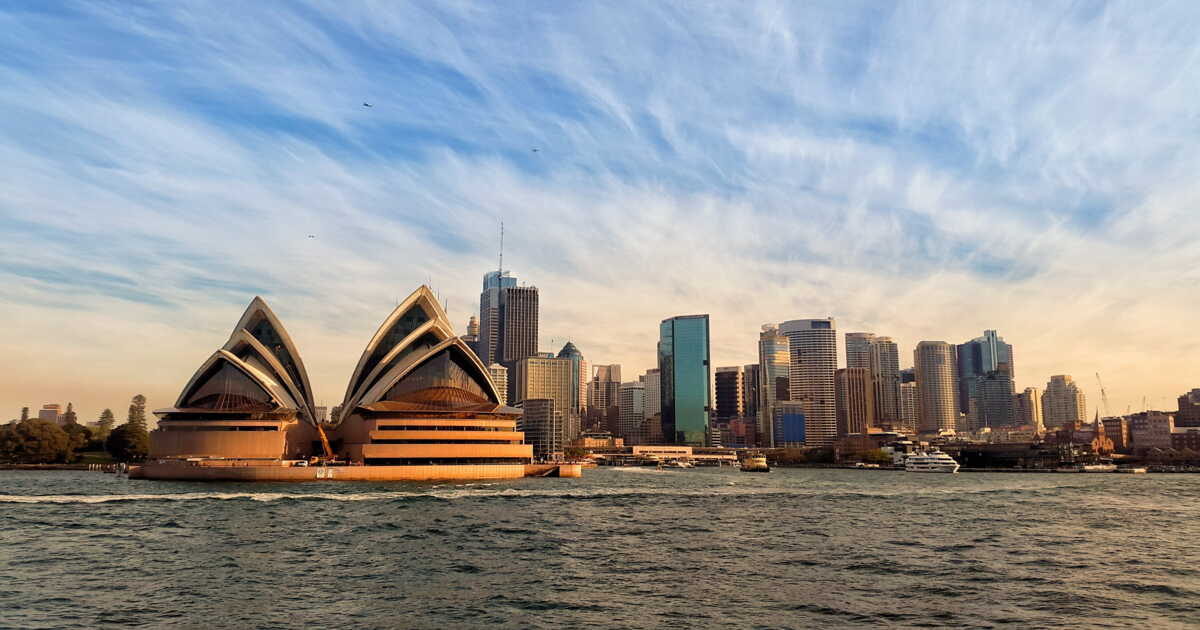
Discovering Sydney amounts to exploring a condensed snapshot of Australian urbanity, blending heritage, waterfront, and contemporary vitality. From the Opera House or the Harbour Bridge to the beaches of Bondi or Manly, the city unfolds a diversity of landscapes shaped by its coastal setting. Renowned for its multicultural restaurants, art galleries, and immediate proximity to nature, Sydney is a perfect place to combine city life with the coast.
The city centre offers a rich array of museums, hotels, promenades and social spaces, while coastal paths, such as the Bondi-to-Coogee route, offer panoramic ocean views. This urban experience also stands out for its ability to integrate sporting, cultural, and social activities in a single metropolitan space. In Australia, few cities offer such a blend of modern infrastructure and direct access to the wild nature area.
5. Venture into Kakadu National Park
The Kakadu National Park, in the northern part of the country, stands as a model of balance between biodiversity, cultural transmission, and territorial management. Located in the northern part of the Northern Territory, about 130 km east of Darwin, this UNESCO World Heritage-listed park protects a mosaic of environments, from stunning gorges to wetlands and tropical forests to rugged cliffs. Here you can observe crocodiles, rare birds, and numerous traces left by the Aboriginal peoples, including millennial rock paintings visible at Ubirr or Nourlangie.
These testimonies give the park a spiritual dimension, where the memory of the land dialogues with today’s wildlife. Trails often integrate this site into a broader itinerary toward the Flinders Ranges, Kings Canyon, or Kangaroo Island, forming a coherent array around Australia’s must-see sites. Far from urban frenzy, Kakadu illustrates the country’s natural diversity and its deep respect for traditional knowledge.
What to Do in Australia with Kids? A Family-Friendly Exploration of the Continent
Australia with kids offers a range of activities designed to blend learning with wonder. Interactive museums like Questacon in Canberra or Scienceworks in Melbourne provide playful ways to explore science. Lifeguarded beaches on the Sunshine Coast or easy trails in the Royal National Park encourage nature-filled getaways.
In Sydney, Taronga Zoo and the Darling Harbour Aquarium are among families’ favorite spots. Australian wildlife — kangaroos, koalas, wallabies — provides a throughline for the trip. Traveling in Australia with family means balancing safety, quality infrastructure, and big-nature discoveries in an environment that supports children’s curiosity.
What to Do in Australia in 1 Week? A Targeted Itinerary to Explore the Essentials
Asking what to do in Australia in one week requires making choices, given the country’s continental scale. For a first visit, it’s wise to concentrate the itinerary on a cohesive region. A journey between Sydney and the Blue Mountains allows you to combine urban heritage with spectacular nature while discovering iconic sites like the Sydney Opera House or Bondi Beach.
Alternatively, a circuit through Queensland—from Brisbane to the Great Barrier Reef via Fraser Island—offers immersion in tropical landscapes. Finally, for culture and gastronomy enthusiasts, Melbourne and the Great Ocean Road create a rich and varied experience. In a week, Australia reveals a concentrated glimpse of its complexity: urban modernity, untouched nature, and multicultural culture.
What to Do in Australia When It Rains? Exploring Museums, Galleries and Indoor Cultural Treasures
Even in bad weather, Australia offers plenty of cultural and urban options to explore. In Melbourne, museums such as the National Gallery of Victoria or the Melbourne Museum offer immersive exhibitions, as does the Australian Museum in Sydney, which presents biodiversity and Aboriginal cultures. In Brisbane, the GOMA (Gallery of Modern Art) provides an engaging visual journey.
Australian cities also host numerous indoor markets, libraries, planetariums and cultural centers suited for a rainy day. Independent cinemas, aquariums and literary cafés are many options that reveal another face of a country often seen only through its vast open spaces.
Australian Visa: What Formalities to Plan Before Departure?
Before traveling, it is essential to learn about the conditions for obtaining an Australian visa, which vary depending on the purpose and duration of the stay. For short tourist stays, nationals of many countries can apply online for an eVisitor or an ETA (Electronic Travel Authority).
For work, internship, or long-term stays, other visa categories are required, with longer and sometimes more complex procedures. It is essential to verify the specific requirements (passport validity, insurance, health) at the time of application. The Australian system, strict but transparent, ensures efficient management of entries into the territory while safeguarding the safety of visitors and residents.
This article was written with the help of artificial intelligence, then corrected, supplemented and validated by the journalists of the editorial team.