

Tunisia confirms its resilience, but indicators call for nuance in the assessment. Through August 31, 2026, the destination records a slight decline of 0.2% in arrivals, across all markets, thus remaining almost at the level of the previous year.
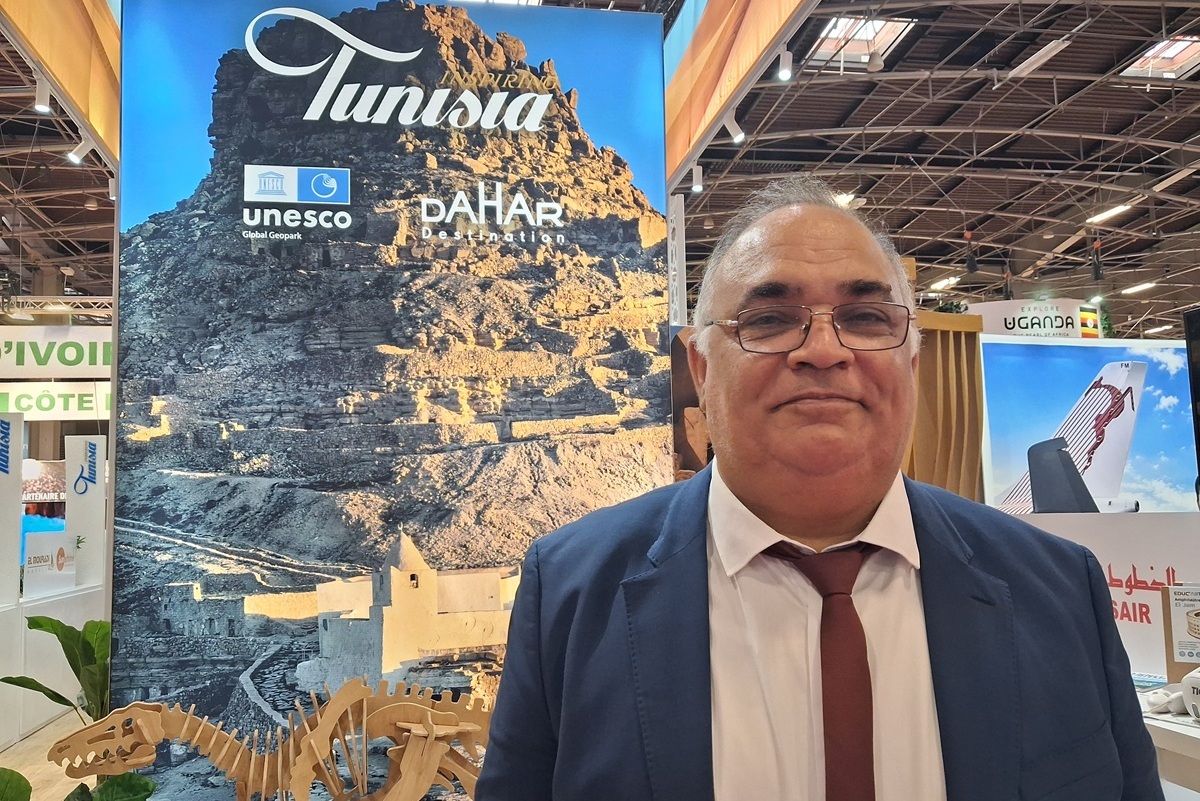
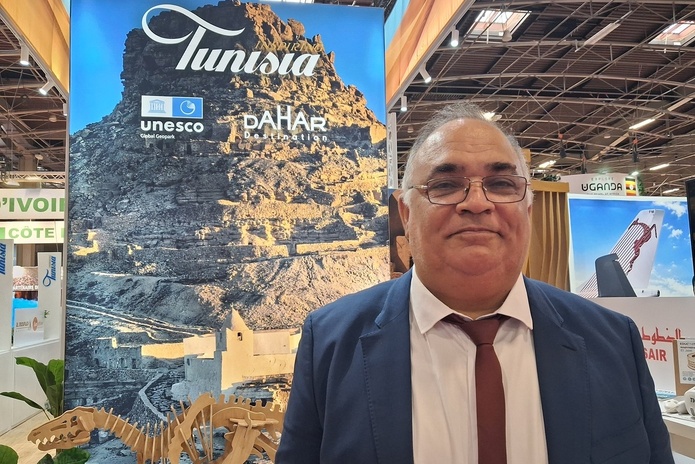
“For the year 2026, in terms of arrivals, the situation is roughly stable,” summarizes Mohamed Mehdi Haloui, director general of the Tunisian National Tourism Office (ONTT).
On the French market, the ONTT’s director general reports a rise of between 3% and 4% since the start of the year. A positive result that must, however, be weighed against data from the Syndicate of Tour Operating Companies (Seto), which notes a 5.7% decline in departures to Tunisia this summer among its members.
Read also : Seto’s assessment: summer partly saves the year for TOs
The destination has had to contend with a complex backdrop, between tensions in the Middle East and episodes of extreme heat, which notably led to water outages.
“For the year 2026, in terms of arrivals, the situation is roughly stable,” summarizes Mohamed Mehdi Haloui, director general of the Tunisian National Tourism Office (ONTT).
On the French market, the ONTT’s director general reports a rise of between 3% and 4% since the start of the year. A positive result that must, however, be weighed against data from the Syndicate of Tour Operating Companies (Seto), which notes a 5.7% decline in departures to Tunisia this summer among its members.
Read also : Seto’s assessment: summer partly saves the year for TOs
The destination has had to contend with a complex backdrop, between tensions in the Middle East and episodes of extreme heat, which notably led to water outages.
France leads, the UK advances
France remains Tunisia’s top European source market. The United Kingdom now holds the second spot, closely followed by Poland and Germany.
“The UK market has progressed well and has taken the second place since the launch of a direct route with easyJet,” notes Mohamed Mehdi Haloui.
The Office is also looking to reconnect with some historical markets. Russia shows signs of recovery, though volumes remain modest.
“Before the war, Russia represented the second market for Tunisia after France, with more than 600,000 arrivals. In 2026 we recorded a modest rebound of the Russian market, but it is progressing,” says the ONTT’s director-general.
Air connectivity remains a central challenge. If the service to the French market is considered satisfactory, notably thanks to Tunisair, Nouvelair, and Transavia, the situation is more fragile on other markets.
A better level of connectivity would help better leverage opportunities linked to the regional context. The war in the Middle East reminded that Tunisia is not in a conflict, but the destination has not been able to fully capitalize on this situation. “We could have benefited more from this conjuncture if we had had better air connectivity”, says the ONTT’s director-general.
“The UK market has progressed well and has taken the second place since the launch of a direct route with easyJet,” notes Mohamed Mehdi Haloui.
The Office is also looking to reconnect with some historical markets. Russia shows signs of recovery, though volumes remain modest.
“Before the war, Russia represented the second market for Tunisia after France, with more than 600,000 arrivals. In 2026 we recorded a modest rebound of the Russian market, but it is progressing,” says the ONTT’s director-general.
Air connectivity remains a central challenge. If the service to the French market is considered satisfactory, notably thanks to Tunisair, Nouvelair, and Transavia, the situation is more fragile on other markets.
A better level of connectivity would help better leverage opportunities linked to the regional context. The war in the Middle East reminded that Tunisia is not in a conflict, but the destination has not been able to fully capitalize on this situation. “We could have benefited more from this conjuncture if we had had better air connectivity”, says the ONTT’s director-general.
Alternative accommodations gain ground
Several hotel projects are coming to fruition, notably in Tozeur, Tabarka and Djerba. Tunisia is also seeing growing interest in alternative accommodations, such as guest rooms, rural cottages and tourist camps.
Regulated by regulatory texts since 2013, these offerings meet an increasing demand. “The sector is developing very well and responding to an ever-stronger demand from customers,” stresses Mohamed Mehdi Haloui, director general of the ONTT.
In Tozeur, a first establishment was inaugurated at the end of last year, while the Tozeur Plaza is due to open this year.
Regulated by regulatory texts since 2013, these offerings meet an increasing demand. “The sector is developing very well and responding to an ever-stronger demand from customers,” stresses Mohamed Mehdi Haloui, director general of the ONTT.
In Tozeur, a first establishment was inaugurated at the end of last year, while the Tozeur Plaza is due to open this year.
Diversifying the offer beyond beach tourism
Diversification is one of the Tunisian National Tourism Office’s priority axes. The destination aims to develop cultural tourism, well-being, golf, sports, and Saharan tourism.
“These are very interesting niches that we are trying to develop to attract a broader clientele,” explains the ONTT’s director-general.
To support these segments, the Office intends to encourage investment and strengthen marketing actions. It seeks to promote these experiences through institutional campaigns, tour operators, influencers, and digital initiatives.
The objective is to showcase a Tunisia that is not limited to beach tourism, which remains “highly valued” and continues to hold a major place in the tourism offering.
Thalassotherapy also remains an important asset. More broadly, health tourism is part of the sectors to be developed, thanks to the country’s medical expertise and its favorable pricing. The segment, however, progresses cautiously, notably due to regulatory difficulties.
“These are very interesting niches that we are trying to develop to attract a broader clientele,” explains the ONTT’s director-general.
To support these segments, the Office intends to encourage investment and strengthen marketing actions. It seeks to promote these experiences through institutional campaigns, tour operators, influencers, and digital initiatives.
The objective is to showcase a Tunisia that is not limited to beach tourism, which remains “highly valued” and continues to hold a major place in the tourism offering.
Thalassotherapy also remains an important asset. More broadly, health tourism is part of the sectors to be developed, thanks to the country’s medical expertise and its favorable pricing. The segment, however, progresses cautiously, notably due to regulatory difficulties.
Encouraging winter outlooks
 Published by Caroline Lelievre Journalist – TourMaG.com
 See all articles by Caroline Lelievre


Add TourMaG to your Google News feed