Contents
-
1. Explore the Casbah of Algiers
-
2. Wander through the Hamma Botanical Garden
-
3. Visit the National Museum of Fine Arts of Algiers
-
4. Go to the beach
-
5. Discover the Roman ruins of Tipaza
-
6. Take a Sahara excursion to Djanet
-
7. Immerse yourself in Kabyle culture in Kabylie
-
8. Explore the Martyr Memorial in Algiers
-
9. Taste the cuisine through local markets
-
10. Hike in Chréa National Park
-
Is it Safe to Travel in Algeria? An Analysis of Safety in Algeria for Travelers
-
How Long Can You Stay in Algeria? Understanding the Procedures and Algerian Borders
-
What is Algeria’s Currency? Practical Information for Traveling
-
What to Do in Algiers with Family? Exploring Algiers through a Family-Friendly Tourism Approach
-
What to Do in Algeria with Family? Family Itinerary Ideas Across Algerian Regions
Algeria, with its diverse landscapes ranging from the Mediterranean to the Sahara’s dunes, is an exciting destination for travelers seeking authentic discoveries. This North African country, rich in millennia-old history and a vibrant culture, offers visitors a multitude of varied activities. Whether you are traveling with family, alone, or with friends, Algeria promises an unforgettable adventure. If you’re wondering what to do in Algeria, here are ten suggestions of activities and sites to explore.
1. Explore the Casbah of Algiers
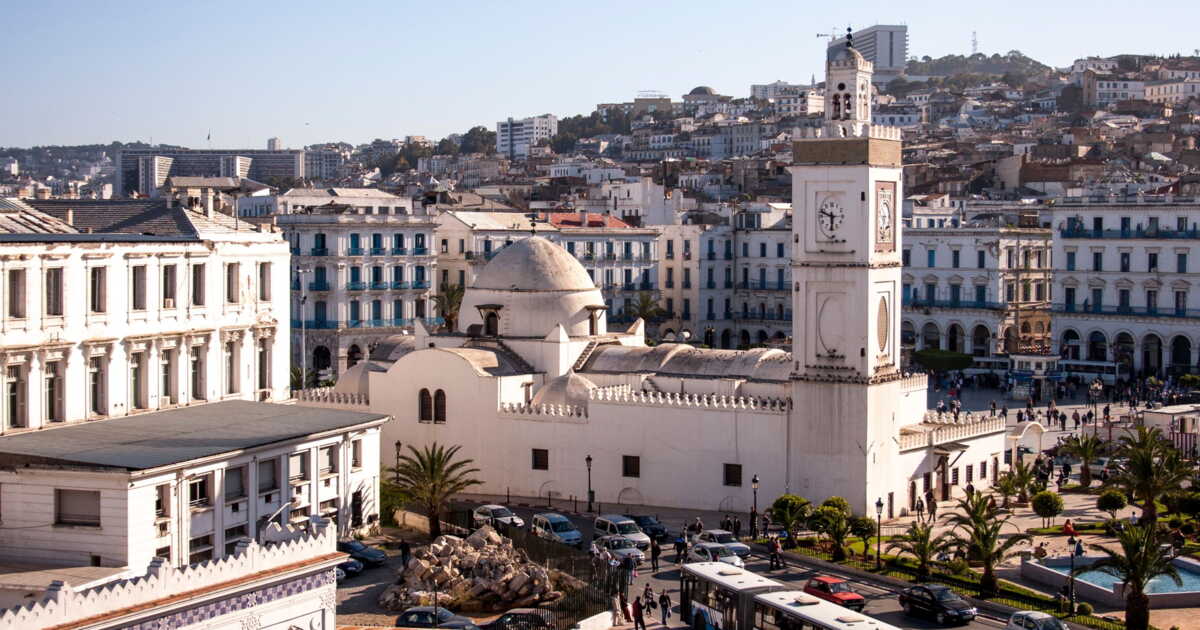
The Casbah of Algiers is a must-see destination for anyone planning a trip to Algeria: this historic district, listed as a UNESCO World Heritage site, offers an immersion into the soul of the Algiers region and the country as a whole. Walking its narrow streets reveals Ottoman-inspired architecture of traditional houses, the domes of the Ketchaoua Mosque, and palaces bearing witness to a rich history.
The old town of the Casbah, perched on a rocky promontory, offers a breathtaking view of the Algerian coast. This district beautifully embodies Algeria’s raw beauty: a place where heritage, mystery, and authenticity intertwine. When you choose to travel in Algeria, the Casbah of Algiers stands as an essential stop: it embodies both the urban heart of Algiers, the unique architecture of the North African Mediterranean, and the spirit of deep cultural exploration.
2. Wander through the Hamma Botanical Garden
For a gentle pause within the urban scenery, the Jardin d’Essai du Hamma in Algiers is a true oasis in Algeria’s Mediterranean region. This expansive botanical garden hosts a vast collection of plants from around the world, tropical greenhouses, and shaded avenues ideal for a stroll. It offers a striking contrast with the rest of the country: far from the Algerian Sahara, you enjoy greenery, centuries-old trees, and a soothing setting.
As a traveler, you may observe families, botany enthusiasts, or simply those seeking a moment of serenity. The Jardin d’Essai helps illustrate Algeria’s landscape diversity, spanning desert, sea, the Algerian coastline, and green spaces. It sits among the natural and urban wonders that this country preserves with care. On the map of experiences to be had during a trip to Algeria, this nature pause is a lovely addition.
3. Visit the National Museum of Fine Arts of Algiers
During a stay in Algeria, the cultural dimension should not be neglected, and the National Museum of Fine Arts of Algiers embodies this focus perfectly. This museum brings together a rich collection of paintings, sculptures, and art objects that trace Algeria’s history—from the Ottoman period to independence—while incorporating works by international artists.
It offers a window into the country’s evolution, its contemporary identity, and its plural roots: Berber, Arabophone, and French. This cultural immersion speaks to travelers seeking authenticity as much as to art and history enthusiasts.
4. Go to the beach
The Algerian coastline stretches over more than 1,600 km of Mediterranean shores and hosts more than 300 beaches, making it a major asset for beach tourism in Algeria. Among the recommended spots are Sidi Fredj Beach or Palm Beach near Algiers, offering relaxation, sun, and water activities in a relatively preserved setting.
These places combine the raw beauty of the deep blue sea, the thrill of water-based activities, and the quiet of a beautiful spot still relatively under-visited. For a trip to Algeria, this seaside leg blends culture, nature, and rest. By exploring the beaches, you grasp another facet of Algeria, away from the desert or Roman ruins, yet just as essential. It is a must-visit for those who want to enjoy the sea and sun after exploring cities and heritage.
5. Discover the Roman ruins of Tipaza
About an hour’s drive from Algiers lies the town of Tipaza, notable for its Roman ruins facing the sea and listed as a UNESCO World Heritage site. The site features remains of baths, villas, and amphitheaters that testify to Roman presence in North Africa.
During a trip to Algeria, visiting Tipaza is an essential stop to understand one chapter of the region’s history. The site’s coastal location amplifies the impression of a breathtaking view of the sea and the surrounding mountains.
This region blends ancient heritage with Mediterranean nature, making Tipaza a jewel of travel in Algeria. It perfectly illustrates the interaction between Roman civilization, coastal architecture, and an exceptional natural setting.
6. Take a Sahara excursion to Djanet
For total immersion in vastness, the Algerian Sahara, and more specifically the Djanet region, offers an extraordinary journey. This southern part of the country—vast, desert, and wild—is the ideal place to explore dunes, distinctive rock formations, lunar landscapes, and rocky promontories.
The experience can include a 4×4 excursion or a camel ride, allowing you to appreciate the desert’s scale, its silence, and its majesty. This type of trip in Algeria targets travelers seeking adventure and total immersion. The Algerian Sahara is a natural wonder, a striking contrast with the Mediterranean coasts, and a key element of Algeria’s tourism identity. It invites you to feel the country’s scale, the variety of its regions, and the call of the unknown.
7. Immerse yourself in Kabyle culture in Kabylie
Kabylie, a mountainous region in northern Algeria, offers a unique architecture, traditional villages, and a strong cultural identity. On a trip to Algeria, it allows you to discover a less urban face of the country: local crafts, Kabyle cuisine, traditional music, and mountain hikes in this beautiful region. You feel the link between the past and the present, the life of communities in a natural setting, and the richness of Algerian cultural heritage.
The inclusion of Kabylie in a travel itinerary broadens the overall experience of traveling in Algeria, showing that the country is not limited to cities or the desert, but comprises several regions, each with its own distinctiveness. Nature lovers, authenticity seekers, and those drawn to old towns or mountain villages will find ideal ground for exploration here.
8. Explore the Martyr Memorial in Algiers
The Martyr Memorial, or Maqam Echahid, perched on the heights of Algiers, is a symbolic monument dedicated to the fighters of the independence war. It is an integral part of the itinerary for those planning a historically and memorial-focused trip to Algeria. From this vantage point, one enjoys a breathtaking view of the city and the sea, observing how past and present stack together in the great city of Algiers.
The site marks the national memory and is part of the country’s modern public architecture. For visitors, it is a memorable stop that links Algeria’s historical dimension to its contemporary expression. One could say it is a must-see site for understanding today’s Algeria, its challenges, its pride, and its heritage.
9. Taste the cuisine through local markets
On a trip to Algeria, discovery also goes through the lively markets and bustling streets of cities such as Algiers or Kabylie. The Belouizdad Market in Algiers allows you to dive into everyday life, sample traditional pastries, and buy local products.
In Kabylie, the Bouzegza Market offers a burst of colors, spices, and the Algerian way of living. This stop lets you appreciate the culinary richness of a country where every region has its specialties. You can sense local craftsmanship, direct contact with residents, and you better understand why Algeria is such a complete travel destination: between culture, gastronomy, and human heritage. This market is a wonderful example of immersion, authenticity, and direct connection with local life.
10. Hike in Chréa National Park
Chréa National Park, located not far from Algiers, ranks among Algeria’s major natural spaces. It allows visitors to leave the big cities, move away from the Algerian coastline, and reach a mountainous region rich in cedar forests and biodiversity. This type of hike is for nature lovers seeking tranquility and landscapes distinct from the desert or the city.
The park serves as a wonderful gateway to understanding Algeria’s inland lands. Through sites like this, one perceives that the country offers natural wonders, striking panoramas, and varied travel formats. Including this hike in an itinerary for travel in Algeria means choosing diversity, balancing sea, city, and nature, and experiencing Algeria from multiple angles.
Algeria, through the diversity of its landscapes and the richness of its cultural heritage, offers visitors a multitude of memorable activities. Whether you want to explore Algeria’s historical treasures in Algiers or venture into the expansive Sahara, the country offers a variety of experiences that will appeal to all kinds of travelers.
Is it Safe to Travel in Algeria? An Analysis of Security in Algeria for Travelers
Asking about the safety of Algeria is a crucial step before any trip. Long regarded as unstable, Algeria has made significant strides in internal security, especially in major cities like Algiers, Oran, and Constantine. While certain southern regions or areas near borders remain unadvised without an experienced guide, the classic tourist zones are now monitored and accessible.
It is advised to consult official travel advisories, to stay within clearly identified public establishments, and to avoid remote areas without supervision. Thanks to its raw beauty and natural wonders, Algeria attracts an increasing number of discerning visitors eager to discover a country between desert, sea, and mountains, still distant from mass tourism.
How Long Can You Stay in Algeria? Understanding the visa procedures and Algerian borders
The length of stay in Algeria depends on the type of visa obtained. For a tourist trip to Algeria, the visa generally allows a stay of 30 days, renewable in certain cases. Procedures are to be carried out at embassies or consulates, in line with the strict border regulations of Algeria.
It is essential to prepare your file well and justify your itinerary, especially if you wish to visit distant regions such as the Algerian Sahara, the M’zab Valley, or the Ghardaïa region, rich in world heritage. For longer stays or business trips, other visa types exist. Planning ahead remains the key to fully enjoy this beautiful North African destination, between oasis, desert, and historic cities.
What is Algeria’s Currency? Practical Information for Traveling
The currency of Algeria is the Algerian dinar (DZD). When traveling in Algeria, it is useful to know the exchange methods and local payment habits. International cards are not widely accepted outside major cities like Oran or Algiers, where ATMs can still be found. It is recommended to carry cash in dinars for purchases in the old towns, shopping streets, or during excursions in rural areas.
This preparation helps to avoid tourist issues in Algeria and allows a better appreciation of the variety of its markets, its monuments like the Martyrs’ Memorial, or its must-see sites such as the Roman ruins. Respecting local customs is also advised to foster authentic exchanges with the local population.
What to Do in Algiers with Family? Exploring Algiers through a Family-Friendly Tourism Approach
Algiers, a lively and contrasting capital, offers many opportunities for families wishing to discover Algeria in a secure setting. A family itinerary can include visiting the old town (the Casbah, a UNESCO World Heritage site), the Basilica of Our Lady of Africa, or the Martyr Memorial with its breathtaking view of the Algerian coastline.
Tourism in Algiers adapts to younger audiences through strolls along pedestrian streets, museum visits, and an introduction to the city’s unique architecture. By the sea, water activities are a wonderful option for relaxation.
France Algeria, through its capital, proves welcoming to families curious about culture and landscapes. An experienced guide can enrich this discovery with captivating historical anecdotes.
What to Do in Algeria with Family? Family Itinerary Ideas Across Algerian Regions
Exploring Algeria with family means opening up to a multitude of experiences across deserts, seas, and mountains. The northern regions offer accessible getaways, notably around national parks, rocky promontories, or must-see sites like Tipaza and its Roman ruins. To the south, the lunar landscapes of the Algerian Sahara, the oases, and the M’zab Valley offer total immersion, provided you are accompanied by an experienced guide.
The sunset over the sand dunes and the deep blue hues of the oases make for an unforgettable journey in Algeria. These discoveries can be tailored to all ages, promoting an educational approach to history, nature, and local traditions. To avoid hassles, it’s best to organize your stay in advance, away from problematic tourist areas, and favor well-guided tours.
This article was drafted with the help of artificial intelligence, then revised, expanded, and validated by the newsroom’s journalists.