

Among the numerous countries that took advantage of the IFTM in September to raise their profile on the French market, Montenegro stood out.
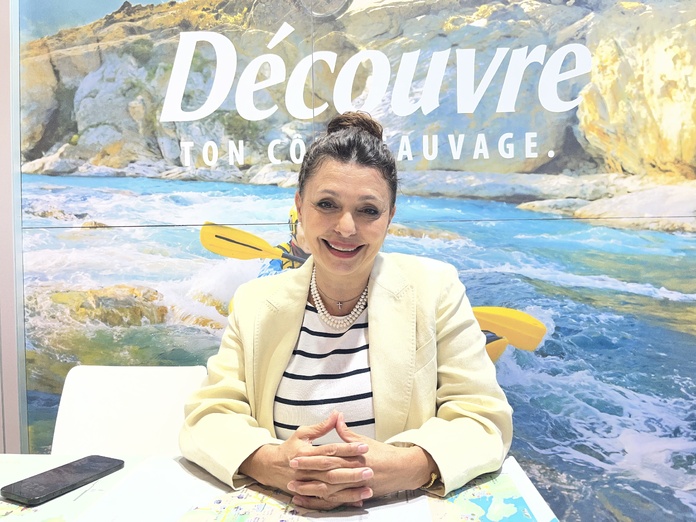
On this occasion, its Minister of Tourism, Simonida Kordic, attended. TourMaG had the opportunity to meet her.
Her message was simple yet impactful: this Balkan country, large (13,812 km²) like a small French region, is brimming with a variety of tourist assets ready to be explored.
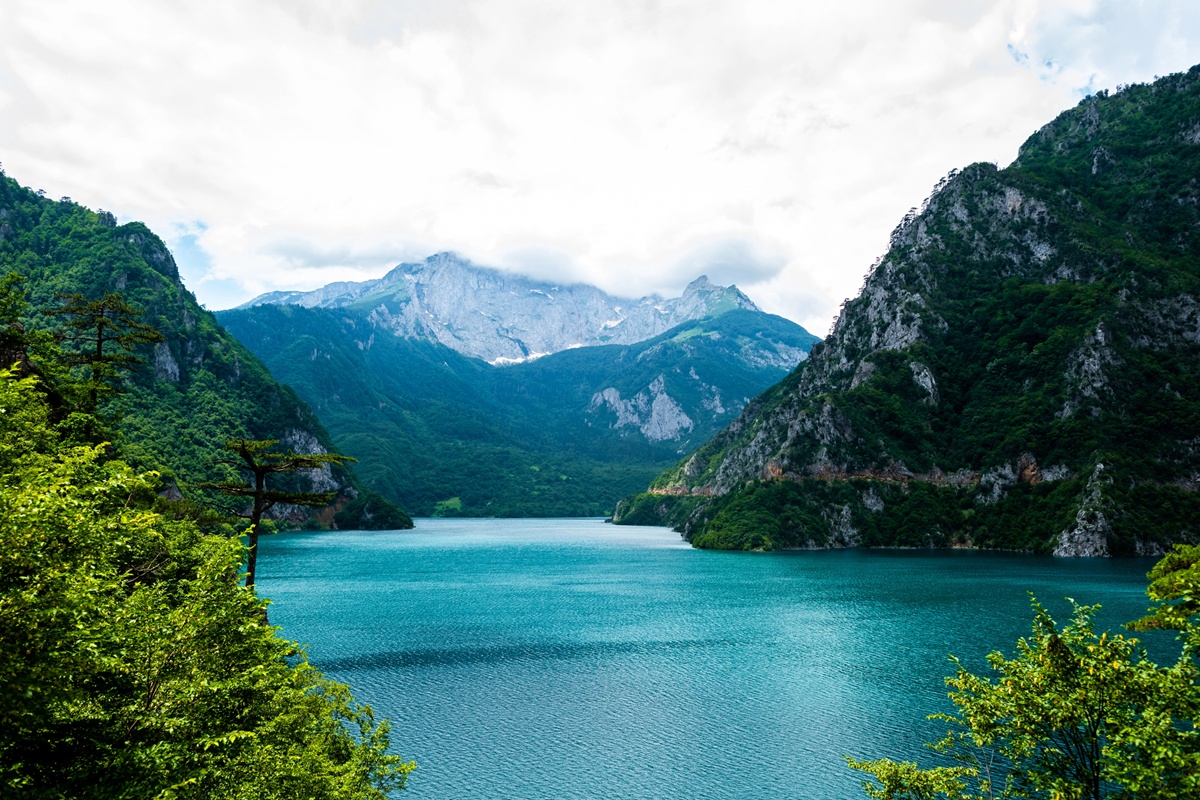
Montenegro indeed combines a very diverse coastline, including the spectacular Bay of Kotor, mountains, lakes, historic towns and a rich cultural heritage.
“To the north of our country, the climate is continental; to the south, it is Mediterranean. This allows for multiple experiences in a single day: you can, for instance, ski in Kolašin in the morning and then head to the sea in the afternoon for dinner“, explains Simonida Kordic, who urges travel agencies and tour operators to offer their clients packages that also include the hinterland, nature, and ecotourism.
On this occasion, its Minister of Tourism, Simonida Kordic, attended. TourMaG had the opportunity to meet her.
Her message was simple yet impactful: this Balkan country, large (13,812 km²) like a small French region, is brimming with a variety of tourist assets ready to be explored.
Montenegro indeed combines a very diverse coastline, including the spectacular Bay of Kotor, mountains, lakes, historic towns and a rich cultural heritage.
“To the north of our country, the climate is continental; to the south, it is Mediterranean. This allows for multiple experiences in a single day: you can, for instance, ski in Kolašin in the morning and then head to the sea in the afternoon for dinner“, explains Simonida Kordic, who urges travel agencies and tour operators to offer their clients packages that also include the hinterland, nature, and ecotourism.
A mix of culture, nature and seaside experiences
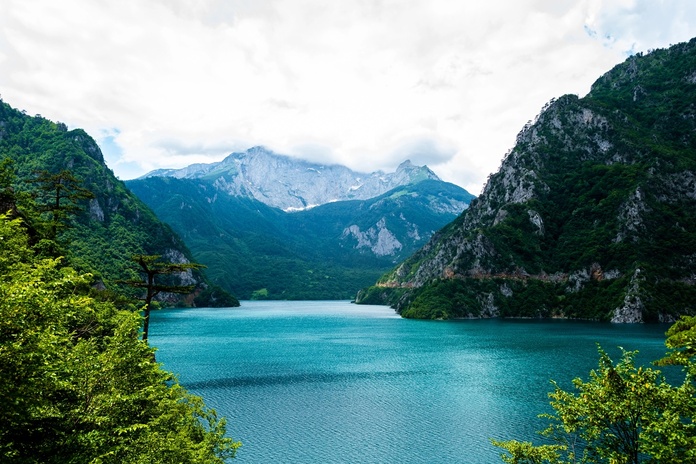
If the seaside resorts and beaches along the Adriatic already attract a sizeable international clientele, if the reputation of the spectacular Bouches de Kotor (resembling a fjord) and UNESCO World Heritage status are well established, Montenegro also harbors many other patrimonial riches – medieval villages, castles, monasteries, churches, mosques, etc. – as well as natural wonders.
Three other Montenegrin sites are inscribed on UNESCO’s World Heritage List: the stećci medieval tomb cemeteries; the Venetian defensive works built in the 16th and 17th centuries; and the vast Durmitor National Park, which in the north of the country shelters bears and wolves, karst peaks, glacial lakes and the deep gorges of the Tara River. A paradise for nature lovers, hikers and, more generally, “green tourism”!
“We total eight national parks. And Article 1 of our Constitution defines Montenegro as an “ecological state”, insists Simonida Kordic, delighted by the solid progress of Montenegrin tourism.
This year, we should welcome 11% more tourists than in 2025 and our tourism receipts should grow by 8.6%, she rejoices.
In addition, the minister continues, “we have opened up to new markets: Asia, the United States, Latin America. Already in 2025, we welcomed many visitors from the Middle East“.
Indeed, Montenegro is emerging as a new rising star of Balkan tourism, presenting an alternative to the now-crowded Croatia and the increasingly trendy Albania.
Three other Montenegrin sites are inscribed on UNESCO’s World Heritage List: the stećci medieval tomb cemeteries; the Venetian defensive works built in the 16th and 17th centuries; and the vast Durmitor National Park, which in the north of the country shelters bears and wolves, karst peaks, glacial lakes and the deep gorges of the Tara River. A paradise for nature lovers, hikers and, more generally, “green tourism”!
“We total eight national parks. And Article 1 of our Constitution defines Montenegro as an “ecological state”, insists Simonida Kordic, delighted by the solid progress of Montenegrin tourism.
This year, we should welcome 11% more tourists than in 2025 and our tourism receipts should grow by 8.6%, she rejoices.
In addition, the minister continues, “we have opened up to new markets: Asia, the United States, Latin America. Already in 2025, we welcomed many visitors from the Middle East“.
Indeed, Montenegro is emerging as a new rising star of Balkan tourism, presenting an alternative to the now-crowded Croatia and the increasingly trendy Albania.
“Authentic experiences will make the difference”
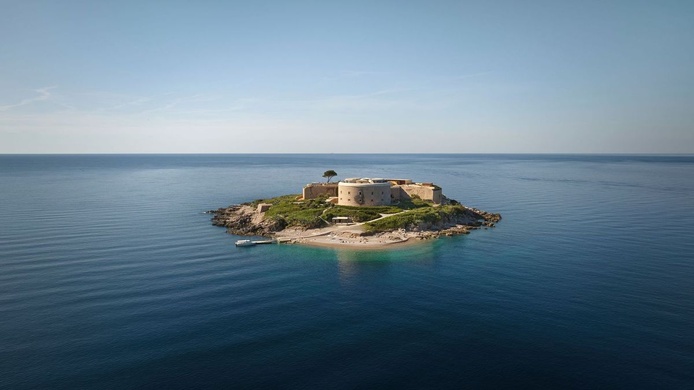
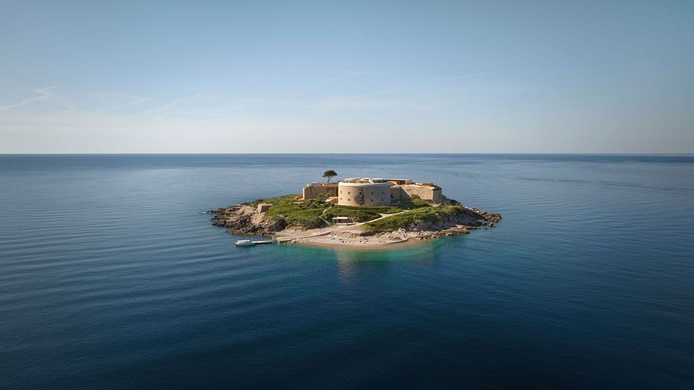
To go further, in the future, improving air connectivity with Western Europe will be essential. “Already, 70 direct flights serve Montenegro“, notes the minister, who hopes to attract even more international visitors.
“We already have 500 hotels, including authentic accommodations but also numerous 4-star and 5-star properties opened by prestigious brands such as Aman or Banyan Tree.
Indeed, we do not want to limit our hotel offer to a single segment; we encourage quality investments and ensure high-quality services, the minister adds.
It is the authentic experiences that will make the difference. Preserving our nature and our culture is at the heart of our way of life, insists Simonida Kordic again.
She reiterates, “what makes Montenegro strong is that, in one day, you can swim in a mountain lake, take part in a fishing excursion, and then go for a swim on the Adriatic coast”.
These are important assets to promote. In fact, if we look at the figures, Montenegro’s tourism performance is by no means negligible. Tourism already accounts for around 30% of its GDP, when considering its direct, indirect and induced effects.
It is therefore a very strategic sector for this country of barely 600,000 inhabitants, which explains the minister’s commitment to better publicize the diversity of its strengths, beyond the coast, given how dependent its tourism industry is on international visitors.
If in 2024 Montenegro recorded 2.61 million arrivals and 15.59 million overnight stays, 96.1% of overnight stays were by foreign tourists and virtually as many were in seaside resort areas along the coast.
“We already have 500 hotels, including authentic accommodations but also numerous 4-star and 5-star properties opened by prestigious brands such as Aman or Banyan Tree.
Indeed, we do not want to limit our hotel offer to a single segment; we encourage quality investments and ensure high-quality services, the minister adds.
It is the authentic experiences that will make the difference. Preserving our nature and our culture is at the heart of our way of life, insists Simonida Kordic again.
She reiterates, “what makes Montenegro strong is that, in one day, you can swim in a mountain lake, take part in a fishing excursion, and then go for a swim on the Adriatic coast”.
These are important assets to promote. In fact, if we look at the figures, Montenegro’s tourism performance is by no means negligible. Tourism already accounts for around 30% of its GDP, when considering its direct, indirect and induced effects.
It is therefore a very strategic sector for this country of barely 600,000 inhabitants, which explains the minister’s commitment to better publicize the diversity of its strengths, beyond the coast, given how dependent its tourism industry is on international visitors.
If in 2024 Montenegro recorded 2.61 million arrivals and 15.59 million overnight stays, 96.1% of overnight stays were by foreign tourists and virtually as many were in seaside resort areas along the coast.
 Published by Paula Boyer Head of LuxuryTravelMaG – TourMaG.com
 See all articles by Paula Boyer


Add TourMaG to your Google News feed