

1. Discover São Paulo through its neighborhoods
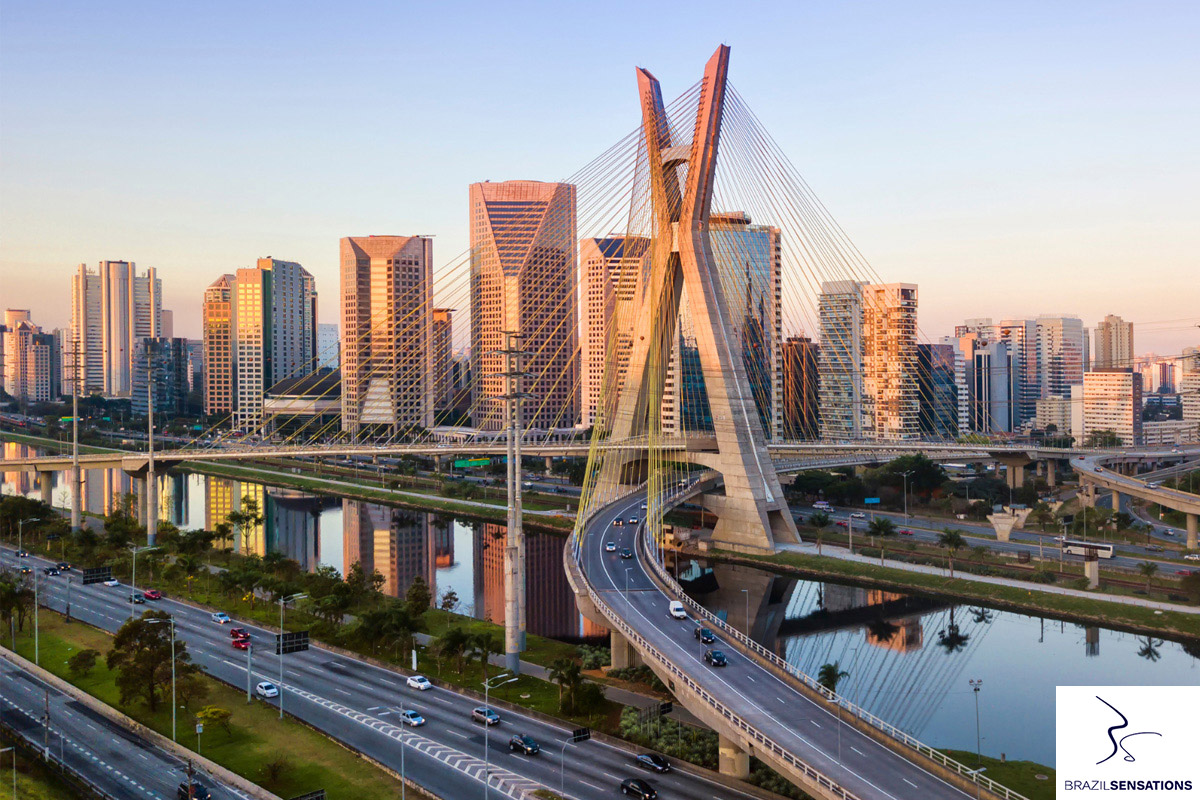
One of the best ways to understand São Paulo is to explore its neighborhoods and their distinct identities.
The Jardins allure with its shops, galleries, restaurants and upscale addresses. Pinheiros and Vila Madalena offer a more creative atmosphere, between design, independent cafés, galleries and street art. In Liberdade, the Japanese influence is omnipresent: lanterns, shops, markets and restaurants bear witness to the history of Japanese immigration to São Paulo and to how this culture has become part of the paulistano identity.
The Bixiga district, historically marked by Italian immigration, constitutes another fascinating stop. Its cantinas, pizzerias and eateries keep a culinary tradition that has gradually blended with Brazilian habits and ingredients.
A private guided tour can connect these different realms and help understand how the waves of immigration contributed to shaping São Paulo’s identity.
2. Art, architecture, design and street art
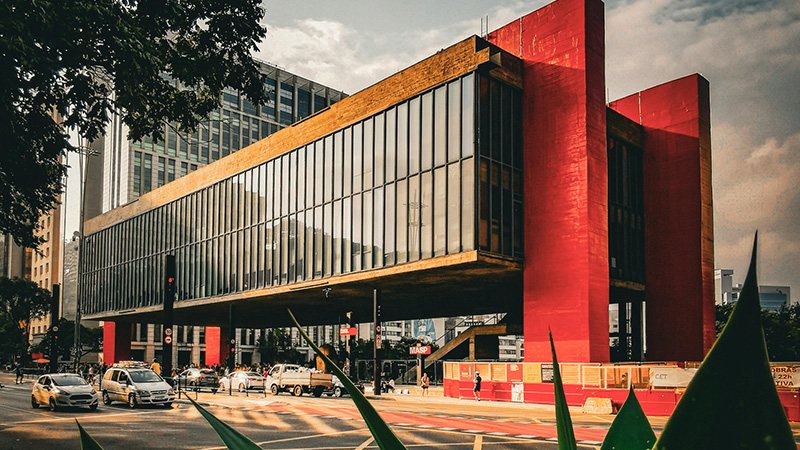
The MASP, designed by Lina Bo Bardi, stands as one of the city’s great architectural symbols. Yet the artistic experience extends beyond museums. Graffiti and street art play a central role in São Paulo’s visual identity, especially in Vila Madalena, where walls and façades become true canvases for expression.
A guided stroll lets you discover the works while understanding their context and place in paulistana culture. The itinerary can also include private galleries, design studios or a foray into modernist architecture.
3. A culinary scene that tells Brazil’s story
The Liberdade neighborhood stands as one of the most emblematic examples of this cultural richness. Marked by a strong Japanese influence since the arrival of the first immigrants in the early 20th century, the district is now known for its lanterns, shops, markets and Japanese restaurants. There you can discover classic Japanese dishes, as well as how this culture has adapted to Brazilian life.
Italian influence is equally present in the city. In historic areas like Bixiga, Italian culinary traditions have deeply shaped paulistana culture. Pizzerias, cantinas, fresh pasta and recipes handed down through generations are part of São Paulo’s gastronomic landscape.
The presence of the Syro-Lebanese community adds another facet to this migration story. São Paulo hosts a sizeable Lebanese- and Syrian-origin community, whose heritage appears in restaurants, pastries and specialty groceries. A gastronomic experience can thus be an opportunity to discover specialties such as hummus, tabbouleh, kibbeh, esfihas or pistachio-filled and filo-based desserts, while exploring the history of this immigration.
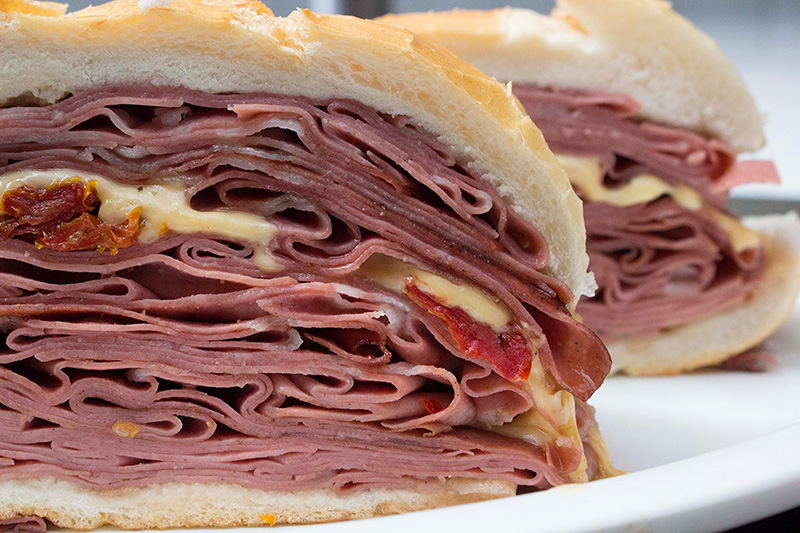
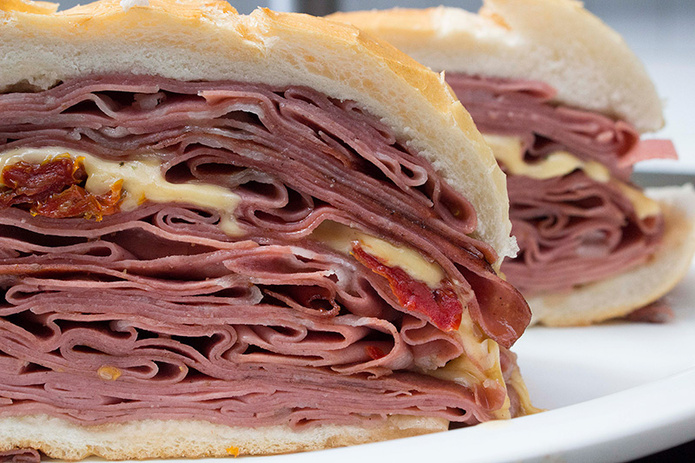
The Mercado Municipal de São Paulo, known as Mercadão, provides another privileged gateway to the city’s culinary culture. Its stalls bring together tropical fruits, spices, regional products, cheeses, cured meats and specialties from across Brazil. Accompanied by a local guide, the visit helps to understand the products and eating habits that form the paulistana identity.
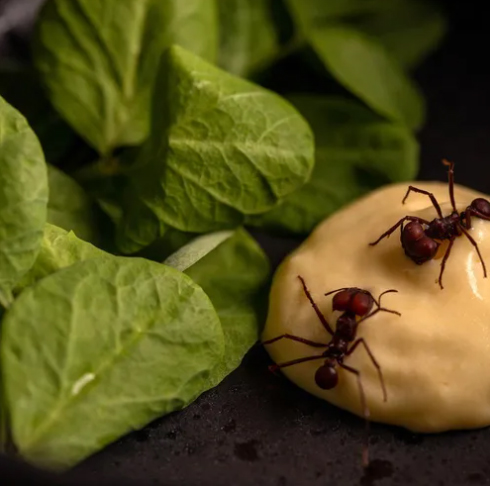
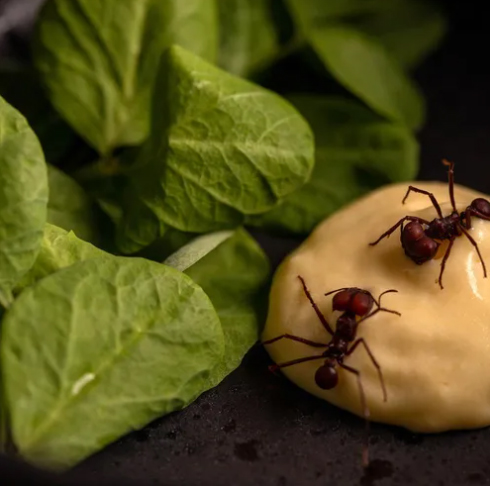
At Banzeiro, Brazilian chef Felipe Schaedler offers an immersion into Amazonian cuisine. His dishes emphasize fish, fruits, spices and regional ingredients, with a contemporary approach that reveals the Amazon in a new light.
In São Paulo, it is therefore possible to travel across Brazil and the world without leaving the city: Italian, Japanese, Syro-Lebanese, French, Brazilian or Amazonian cuisines mingle and reinvent themselves in a single metropolis. It is precisely this diversity that makes Paulistano gastronomy a true cultural experience.
4. A luxury-oriented hotel offering
Our favorite: Fasano São Paulo. More than a hotel, Fasano is a true Brazilian brand of upscale hospitality. The Fasano family’s history in Brazil goes back to 1902, when Vittorio Fasano, originally from Milan, opened Brasserie Paulista in São Paulo. More than a century later, this family tradition remains at the heart of the group’s identity.
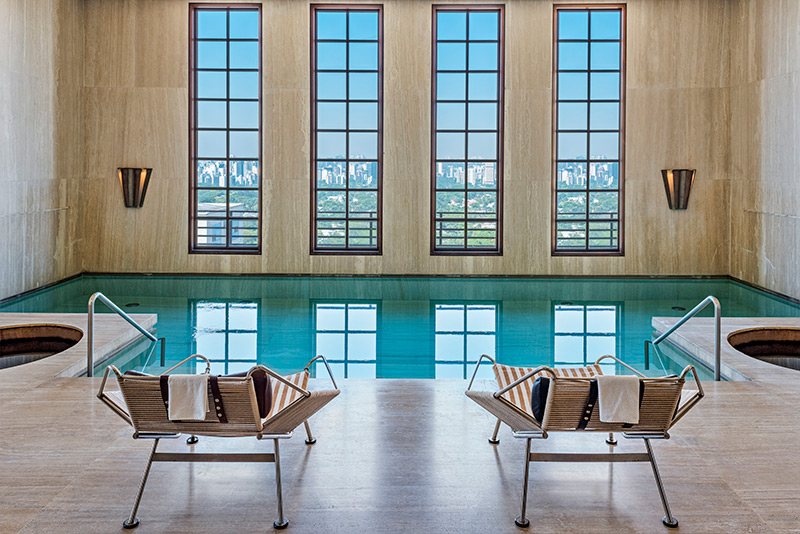
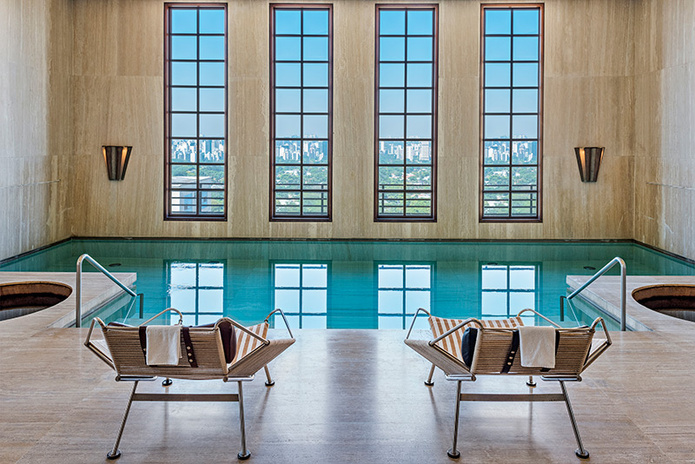
Located in Jardins, one of São Paulo’s most elegant neighborhoods, Fasano São Paulo combines contemporary architecture with classic references and the house’s Italian legacy. Designed by architects Isay Weinfeld and Márcio Kogan, the hotel has 60 rooms and suites, in a restrained atmosphere where wood, leather, natural stone, Persian carpets and Murano glass pieces echo the family’s history. The Fasano Restaurant, the Baretto and the Spa complete the experience.
Another iconic address, Hotel Unique stands out for its inverted-arch architecture, conceived by Brazilian architect of Japanese origin, Ruy Ohtake. Opened in 2002, the hotel has become a true architectural landmark of São Paulo. Located in Jardins, near Ibirapuera Park, it offers an experience where architecture, design, gastronomy and contemporary art intersect. Its Skye rooftop, with its iconic pool, provides panoramic views of the city.
Rosewood São Paulo offers a different take on luxury, deeply linked to the city’s history and heritage. Situated near Avenida Paulista, in the Cidade Matarazzo complex, the fusion blends early 20th‑century historic buildings (including the old Matarazzo Maternity) with a new vegetated tower designed by architect Jean Nouvel.
The project thus transforms a heritage ensemble into a contemporary destination that gathers hotel, restaurants, culture, art and wellness. Rosewood São Paulo also embraces an art- and culture-forward approach, with a substantial art collection and a verdant environment that creates a true urban oasis in the heart of the metropolis.
For a more contemporary touch in the Itaim Bibi district, Fasano São Paulo Itaim complements this offering with a more urban atmosphere, close to the main business, leisure and entertainment hubs.
These various addresses allow guests to tailor their stay to their travel profile: classic elegance and Brazilian heritage at Fasano, architecture and design at Unique, or a cultural and contemporary experience at Rosewood.
6. A MICE destination naturally connected
Pair São Paulo with…
For travelers looking to extend the cultural and gastronomic experience, São Paulo can also serve as the starting point for a broader itinerary across different regions of Brazil.
Tips from Brazil Sensations
• Exploration of São Paulo’s multicultural neighborhoods, notably Liberdade and Bixiga, through their history and cuisine.
• A gastronomic experience around the diverse culinary influences of São Paulo, from Italian and Japanese cuisine to Syro-Lebanese traditions and Amazonian flavors.
• Private visit to Mercadão accompanied by a local guide.
• Dinner at a gastronomic venue highlighting Brazilian products and biodiversity.
• An stay at an iconic address such as Fasano São Paulo, our favorite, or at landmark hotels like Hotel Unique and Rosewood São Paulo.
• A program around the São Paulo Grand Prix, with hospitality experiences available depending on availability.
• A tailor-made program combining São Paulo with Rio, Paraty, Iguassu or the Amazon.
São Paulo is therefore not just a transit stop. For travelers who want to discover a more urban, cultural, creative, multicultural and gastronomic Brazil, the city can become a true highlight of the journey.


General manager
55 21 32 64 19 02 / 55 21 9 84 94 20 30
[email protected]
https://brazilsensations.com
 |
 |
 |
>> Brazil Sensations in the DESTIMAG Directory