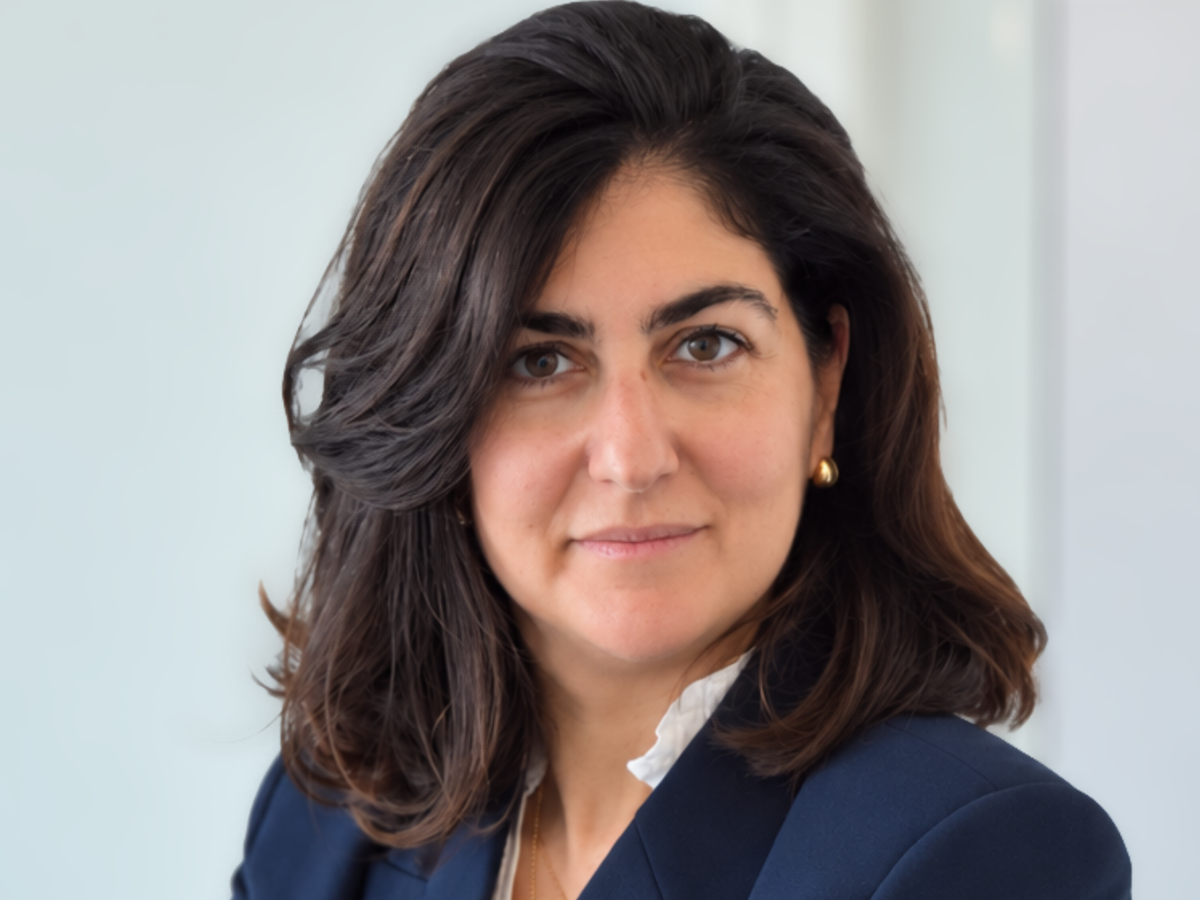


Hospitality drew Samar Slim first out of passion. Before dedicating herself to executive recruitment, she built a first stretch of her career in the service and travel world, with several international experiences. Notably, she participated in the pre-opening and opening of the Sofitel Abu Dhabi Corniche, in the United Arab Emirates, before spending two years in India.
« For me, the world of service and hospitality represented the Holy Grail », she says. This affinity guided her studies at the Glion Institute of Higher Education in Switzerland, then at ESSEC, where she completed the IMHI Master, specializing in hospitality management.
In 2016, she made a professional shift by joining the recruitment sector. « I wanted to combine my service-oriented skills with topics I cared about: talent, career development and networking, while keeping a link to the hospitality and travel sector », she explains.
For eight years, she broadened her scope across many sectors, not limiting herself to tourism. This experience gave her a broader view of the job market before returning to her initial areas of predilection.
« Over the last three or four years, I have tried to combine the best of both worlds of my career : my experience in hospitality and travel, coupled with my recruitment background », she summarizes.
In January, she joined Morgan Philips Executive Search. Within this international firm, she represents the Hospitality & Travel division for France and Europe. Her activity focuses mainly on leadership profiles, but also on hard-to-find experts.
Executive roles that are tough to fill
On the tourism market, Samar Slim notes needs around sales forces and managers of travel agencies. In hospitality, establish-general managers are also among the sought-after profiles. Needs extend to the restaurant sector, especially in small groups subjected to high standards.
For her, these difficulties are partly explained by upheavals following the health crisis. Some roles require substantial commitment, involve long hours, and offer few opportunities for remote work.
« These are sectors that have experienced a lot of turbulence after Covid », she notes. In addition, finding candidates willing to engage in these roles is challenging. Companies try to compensate by raising salaries or offering benefits, but, according to the consultant, these measures do not always attract enough candidates.
In the face of these tensions, Samar Slim advocates a forward-looking approach. « What I propose to my clients is to stay in constant contact with a pool of talent that can be mobilized according to needs », she explains.
The objective is to maintain up-to-date market knowledge: which profiles are available, who could evolve, under what conditions and when. This approach requires ongoing outreach and tracking of candidates, even when there is no immediate recruitment.
« The secret is to develop a talent pool wide enough and to be able to activate it at the right moment », she sums up.
Opening recruitment to other sectors
To broaden recruitment, Samar Slim advises companies not to limit themselves to candidates from tourism or hospitality. « We will look for transferable skills, especially in sectors where service roles have similarities », she explains. These profiles may, however, require additional training to adapt to their new role.
Another challenge: recruitment processes, sometimes too long. « For fear of a bad hire, companies implement processes that can discourage candidates », she notes.
To avoid these blockages, she advises companies to revisit their criteria when the search does not yield results. « If, for a position, we have already met 300 people without finding the right profile, perhaps we should accept compromises », she estimates.
The role of a recruitment firm is not limited to finding a candidate. It also involves helping companies simplify their processes and make the right decisions. « Our added value is not only about finding the rare gems, but also about guiding and advising companies on their recruitment processes, which can be long and discouraging for candidates. »
Recruitment, a profession increasingly oriented toward consulting
Beyond headhunting, Samar Slim observes a shift in the job market toward greater flexibility. The use of freelancers, consultants and interim managers constitutes, she says, a response to the episodic needs of companies.
« A lot of people are turning to consulting, freelancing, temporary work or transition management », she notes. For workers, these formats can be more precarious, but they provide a temporary solution. For companies, they offer more flexibility, especially when ensuring business continuity while waiting to recruit a leader. « Companies need more flexibility », she adds.
This evolution is also transforming the role of specialist firms. For Samar Slim, their future lies in a broader support for companies on their talent challenges: recruitment, skills assessment, coaching, training or succession planning.
« I see my profession evolving toward consulting, she asserts. It is essential to be very inventive and creative in proposals. » This is the approach she intends to develop in her new role: to support leaders in their thoughts on talent, career progression and the future needs of their organizations.
 Publié par Caroline Lelievre Journaliste – TourMaG.com
Voir tous les articles de Caroline Lelievre


Ajoutez TourMaG à votre flux Google Actualités