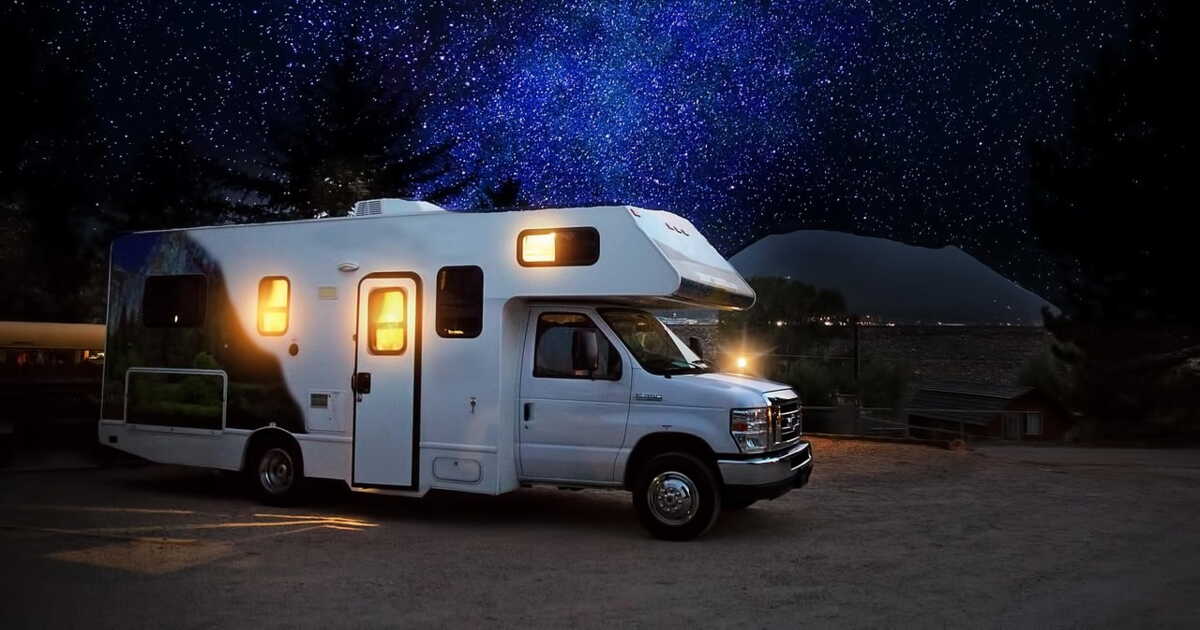
Several French platforms, such as Roadvan, launched in October 2026, now connect travelers with owners of converted vans, camper vans, and motorhomes, following the model that has existed for years for cars and housing.
A mode of travel that is gaining traction
Motorhomes have never been so present on French roads. According to the Leisure Vehicle Show, more than 26,000 new motorhomes were registered in France in 2024. Behind these figures lies the same aspiration: to travel at one’s own pace, without needing to book accommodation each night, and to change scenery according to the weather or one’s desires.
The converted van, more compact, has benefited particularly from this trend. Easier to park than a large motorhome, it makes it possible to move through villages, reach hiking trailheads, and sleep facing the sea or the mountains, while respecting local rules. For many travelers, it embodies a form of slow travel: fewer kilometers, longer stages, and more time spent outdoors.
Why rent rather than buy
A brand-new converted van represents a significant investment, and a motorhome sits idle for much of the year. Renting allows you to test this mode of travel before committing, to choose a vehicle suited to each stay, or simply to embark on one to two weeks per year without bearing the costs of maintenance, insurance, and year-round parking of a vehicle.
Renting between private individuals also has another benefit: the vehicles on offer are often converted and equipped by their owners, who know their region well and are happy to share itinerary tips.
How peer-to-peer rental works
The principle is simple. The traveler selects a vehicle based on dates, the number of beds, and desired equipment, then sends a request to the owner. Once the rental is accepted and paid, the two parties meet at the start to hand over the keys.
Insurance, a key point
Insurance is the main question to address. The owner’s annual policy generally does not cover rental to a third party. Platforms therefore usually offer specific insurance for the rental period, with a deductible that varies depending on the chosen plan. Before booking, it is useful to check what it covers, the amount of the deductible, and the roadside assistance in case of a breakdown.
The security deposit and the condition report
A security deposit is requested from the traveler, often in the form of a bank imprint. A detailed inventory, supported by photos, is conducted at departure and again at return: it protects both traveler and owner in case of disagreement over damage.
Choosing the right vehicle
Compact van, converted van, semi-integrated, or fully integrated: each type of vehicle serves a different use. A van is suited to couples and short getaways, while a semi-integrated or fully integrated motorhome offers more space for families, with a real bathroom and fixed beds. Before booking, it is also useful to check the included mileage, the provided equipment, such as dishes, bedding, or heating, and the cancellation terms.
Driving license
Most vans and motorhomes have a gross vehicle weight rating of 3.5 tonnes or less and can be driven with a category B license. Heavier models require a C1 or C license: a point to check on the registration document before booking.
What rental means for owners
On the owners’ side, renting out their vehicle helps finance part of the costs, provided wear and tear, the time spent handing over keys, and declaring the income are taken into account. Many also see it as a way to keep a vehicle that would otherwise sit idle for long periods.
Traveling responsibly
The popularity of van travel also has its drawbacks: overcrowding of certain natural sites, wild camping, wastewater dumped into nature. A few simple rules help travel in a more responsible way.
- Respect parking and bivouac prohibitions, many of them along the coast and in protected areas.
- Empty grey water and toilets only at service areas designed for this purpose.
- Take back waste and limit water consumption, precious in summer.
- Prefer campsites, natural areas, and farms that welcome recreational vehicles.
In national parks, regulations are especially strict: bivouacking and driving there are regulated. The Portal of France’s National Parks details the rules for each park before departure.
Well-prepared, a van journey remains one of the freest ways to discover France, from its coasts to its mountain ranges, taking time to stop where the landscape deserves it.
Sponsored article by Roadvan. The editorial team did not participate in the creation of this article.