
Autumn arrives with a gradual easing of the temperatures after the heat of summer. It is the perfect season to explore the Douro Valley’s vineyards or the cork oak forests of Alentejo, which take on golden, red, and brown hues. The days often remain sunny, providing ideal conditions for hikes or strolls along calmer beaches.
In many regions of the country, such as Minho and Douro, autumn is the season of the “desfolhadas” and the harvests. The “desfolhadas,” during which the maize leaves are removed, are punctuated by dances and traditional songs, while the harvests (the picking of grapes) are accompanied by moments of conviviality, symbolizing the sharing of labor and the rewards of the land.
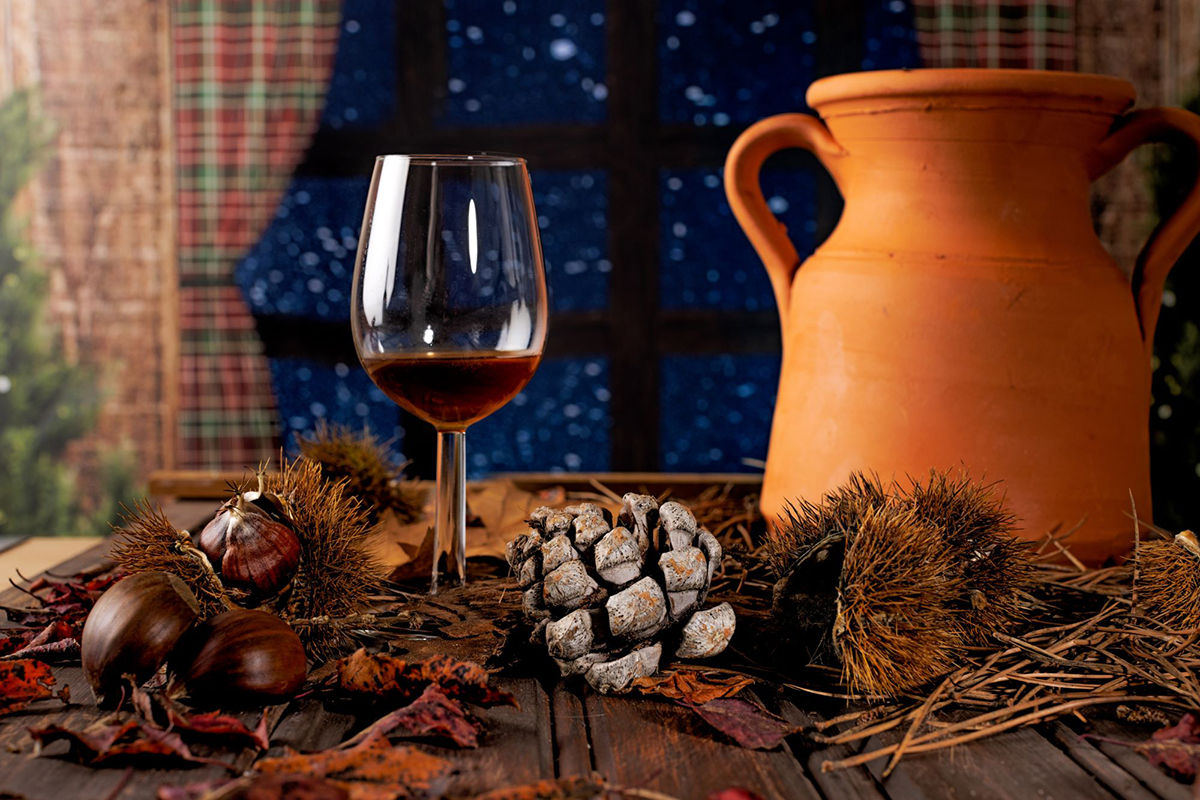
The celebration of Saint Martin’s Day (November 11) is one of the season’s most emblematic traditions. On Saint Martin’s Day, it is customary to celebrate “magustos” — outdoor feasts where chestnuts are roasted over a wood fire, accompanied by new wine, known as “água-pé” or jeropiga. Families and friends gather around the warmth of the embers to celebrate the arrival of the cooler days.
We also have a very sweet tradition, the “Bolinho” or “Pão por Deus.” Legend says that after the 1755 earthquake in Lisbon, survivors went door-to-door asking for “Pão por Deus” (Bread for God) to fight famine. Since that time, every November 1st, children go door-to-door near their homes to ask for the “Bolinho.” Equipped with a fabric bag typical for the occasion, they return home with plenty of small homemade cakes, chestnuts, and all kinds of goodies!
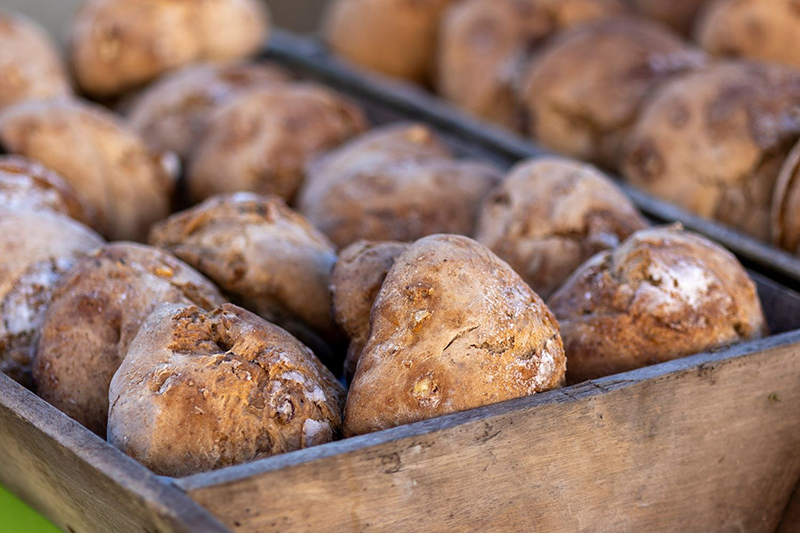
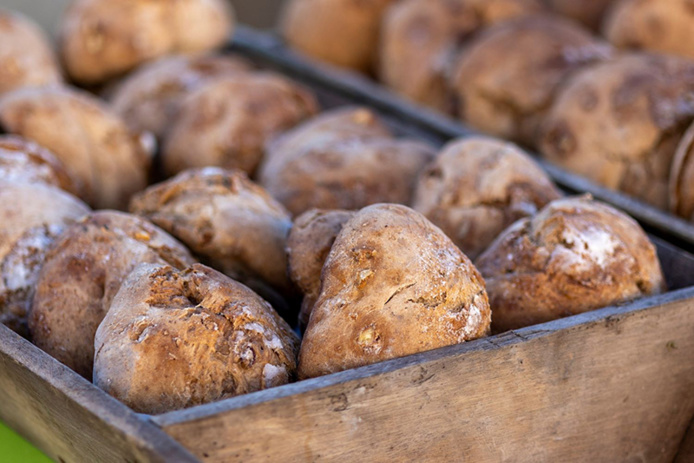
These months also offer a calmer and more authentic atmosphere, far from the summer’s tourist bustle. The mild climate invites outdoor activities while discovering the country’s cultural and gastronomic wealth, such as savoring a good vinho verde on a terrace or visiting Christmas markets in small villages.
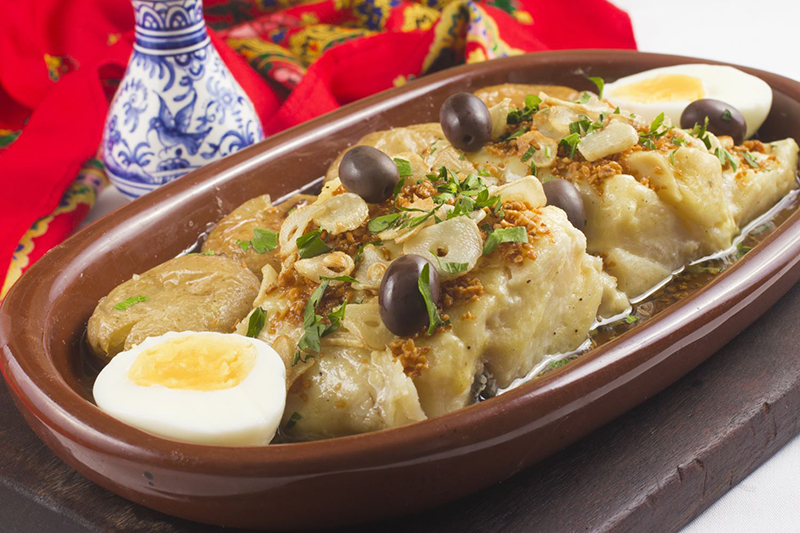
Winter is undoubtedly dominated by Christmas and New Year celebrations. In Portugal, the Christmas season is experienced with great intensity, starting as early as December with the decorating of streets and houses. Portuguese families gather for the Consoada, the Christmas Eve meal, which takes place on the evening of December 24. It is traditional to serve dishes such as bacalhau com todos (cod with vegetables), boiled octopus, rabanadas (fried custard toast), and sonhos (fried dough pastries), followed by a variety of typical desserts, such as bolo-rei (king cake).
In villages and small communities, the Midnight Mass, celebrated on the night of December 24 to 25, is a central moment, where the faithful come together to celebrate the birth of Christ. In some towns, the tradition includes the Queima do Madeiro — a large wood fire lit on the main square to keep participants warm throughout the night.
In villages and small communities, the Midnight Mass, celebrated on the night of December 24 to 25, is a central moment, where the faithful come together to celebrate the birth of Christ. In some towns, the tradition includes the Queima do Madeiro — a large wood fire lit on the main square to keep participants warm throughout the night.
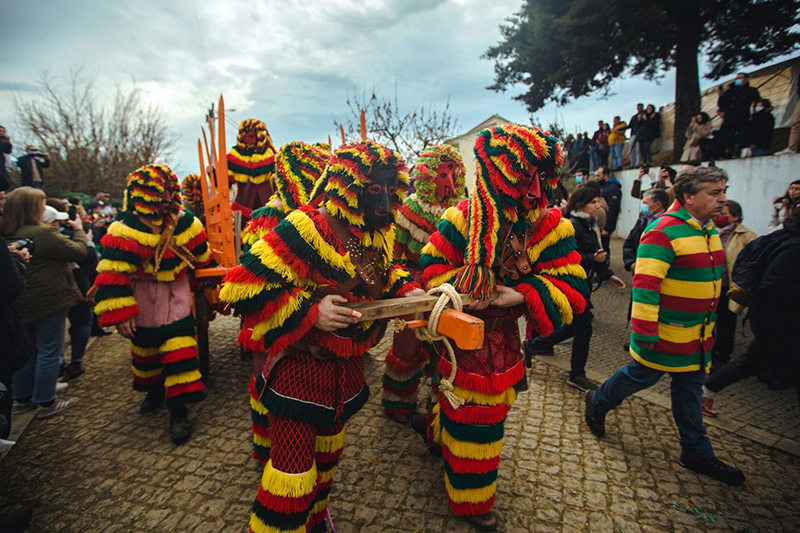
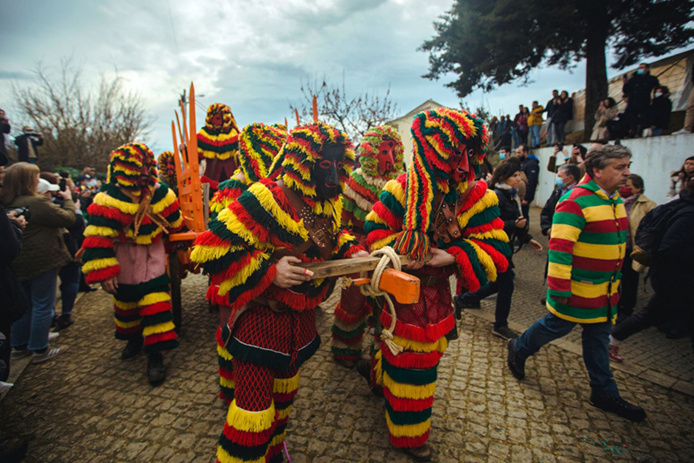
In addition to national celebrations, there are regional traditions that bring a unique touch to Portuguese winter. For example, in the villages of Trás-os-Montes, the Caretos of Podence — a carnival tradition — are celebrated during the winter solstice. Masked men, dressed in colorful costumes and wearing bells, perform an energetic dance, representing pagan rituals of fertility and renewal.


Elsa DIOGO
00 351 244 836 431
[email protected]
www.in-tours.com/fr
>> IN TOURS PORTUGAL dans l’Annuaire DESTIMAG
00 351 244 836 431
[email protected]
www.in-tours.com/fr
>> IN TOURS PORTUGAL dans l’Annuaire DESTIMAG