
Setgel (Сэтгэл): The Heart and Mind United
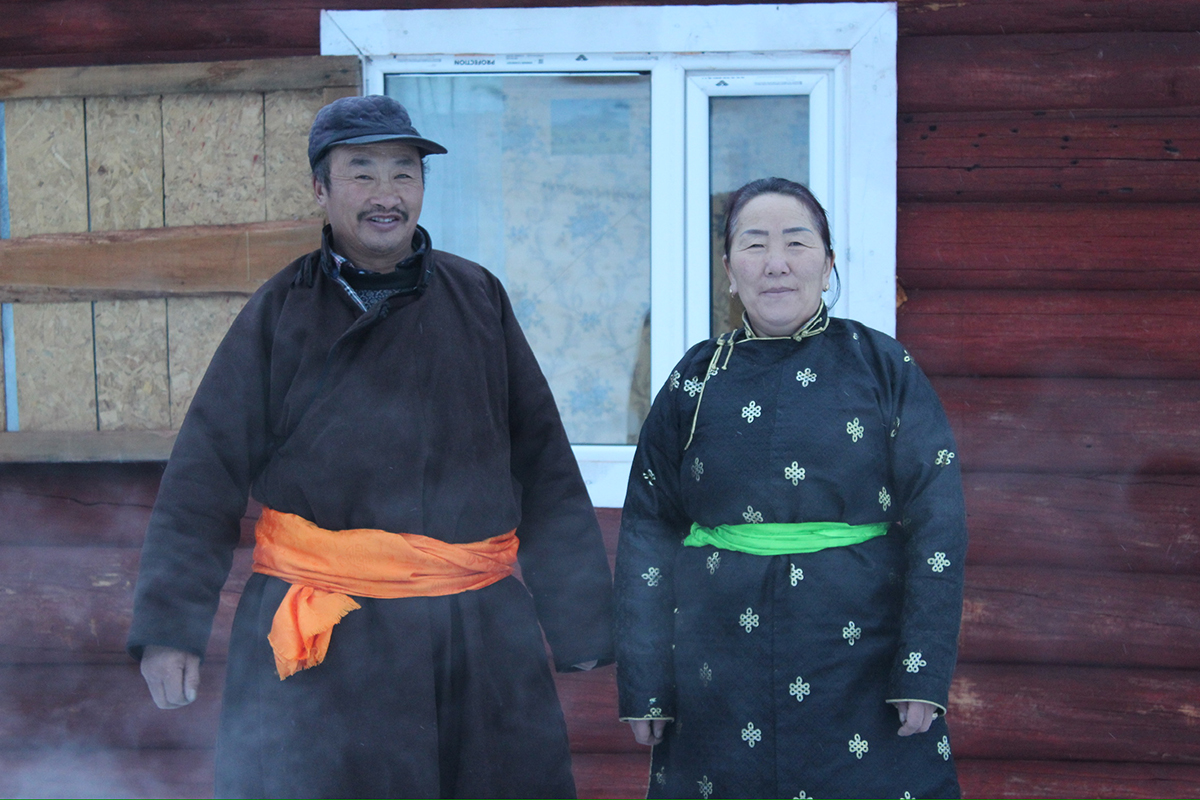
Among these terms, сэтгэл (Setgel) is perhaps the most emblematic. It does not simply mean “heart” or “mind.” Сэтгэл encompasses emotions, inner resolve, and one’s relationship with others. It is a word that conveys sincerity, compassion, motivation, and the depth of feelings.
In daily life, Mongols use сэтгэл to speak of their state of mind, their hospitality, or their benevolence. Welcoming a guest “with сэтгэл” means greeting them with genuine generosity, without expecting anything in return. For a traveler, understanding this word means grasping that Mongolian hospitality is not a mere gesture, but a true expression of the soul.
Nandin (Нандин): What Is Precious
Another untranslatable word is нандин (Nandin). It designates something precious, but not solely in a material sense. Нандин expresses an intimate value, a deep attachment, and a sacred importance. This can be a memory, a relationship, a tradition, or an object that carries a special meaning.
For Mongols, to describe something as нандин is to say it is irreplaceable and worthy of respect and protection. Travelers encountering this word learn that Mongolia places as much emphasis on human and spiritual bonds as on material goods.
For Mongols, to describe something as нандин is to say it is irreplaceable and worthy of respect and protection. Travelers encountering this word learn that Mongolia places as much emphasis on human and spiritual bonds as on material goods.
Jargal (Жаргал): Simple Happiness
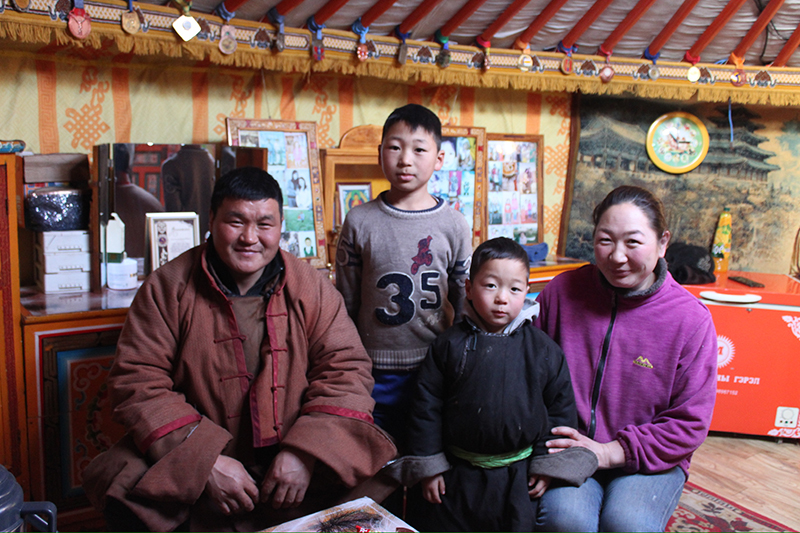
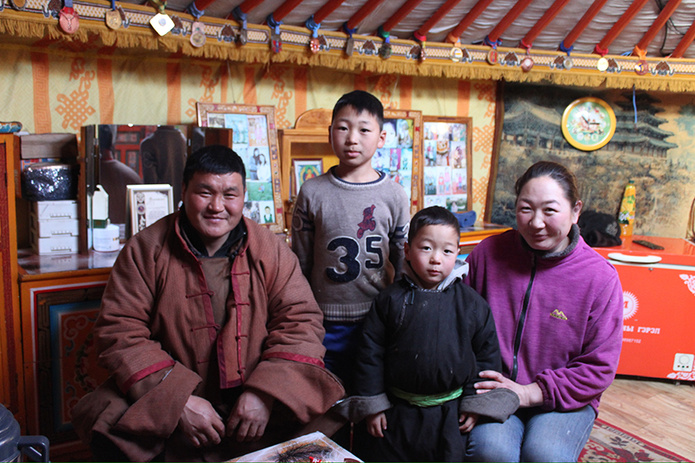
The word жаргал (Jargal) expresses happiness, but not in the sense of material success or outward achievement. It denotes inner happiness, tied to peace, serenity, and harmony with nature.
On the steppe, this meaning comes alive: it evokes the joy of living simply, surrounded by family, livestock, and the vast sky. For a traveler, discovering жаргал means understanding that Mongolian happiness is found in small things, in quiet moments, and in the beauty of everyday life.
On the steppe, this meaning comes alive: it evokes the joy of living simply, surrounded by family, livestock, and the vast sky. For a traveler, discovering жаргал means understanding that Mongolian happiness is found in small things, in quiet moments, and in the beauty of everyday life.
Tenger (Тэнгэр): The Sky and the Spirit
The word тэнгэр means “sky,” but it carries a spiritual dimension. In Mongolian culture, the sky is a protective force, an entity that guides and inspires. Тэнгэр is both the visible world above the steppes and an invisible power that connects people to the universe.
The Mongols live in harmony with the sky, observing its signs and honoring its vastness. For a traveler, this word reveals the spiritual depth of Mongolia and its inseparable bond with nature.
The Mongols live in harmony with the sky, observing its signs and honoring its vastness. For a traveler, this word reveals the spiritual depth of Mongolia and its inseparable bond with nature.
Evtei (Эвтэй): Harmony Among People
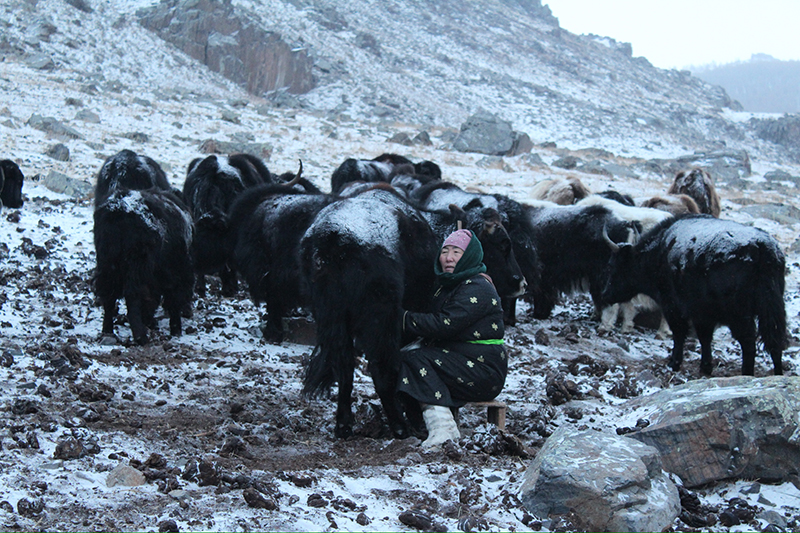
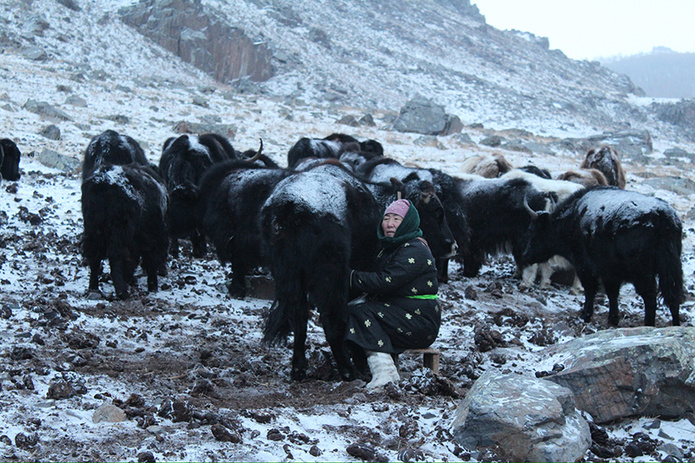
Finally, the word эвтэй (Evtei) embodies harmony—the ability to live together in peace and cooperation. It is not merely agreement, but a genuine commitment to maintaining balance in human relations.
In a nomadic society where solidarity is essential, эвтэй is a foundational value. Travelers who encounter this word understand that Mongolia values cohesion and benevolence, indispensable for surviving in sometimes harsh conditions.
The unimpeachable Mongolian words like сэтгэл, нандин, жаргал, тэнгэр, and эвтэй are far more than linguistic terms. They are windows into the country’s soul, keys to understanding the culture and the nomadic way of life. For travelers, learning and feeling these words means experiencing Mongolia differently: not only through its landscapes and traditions, but also through its language and its way of thinking.
Choosing Mongolia means choosing a journey that speaks to the heart as much as to the eyes.