
“The greatest danger is not the crisis. It is yesterday’s success, when it prevents us from planning tomorrow.”
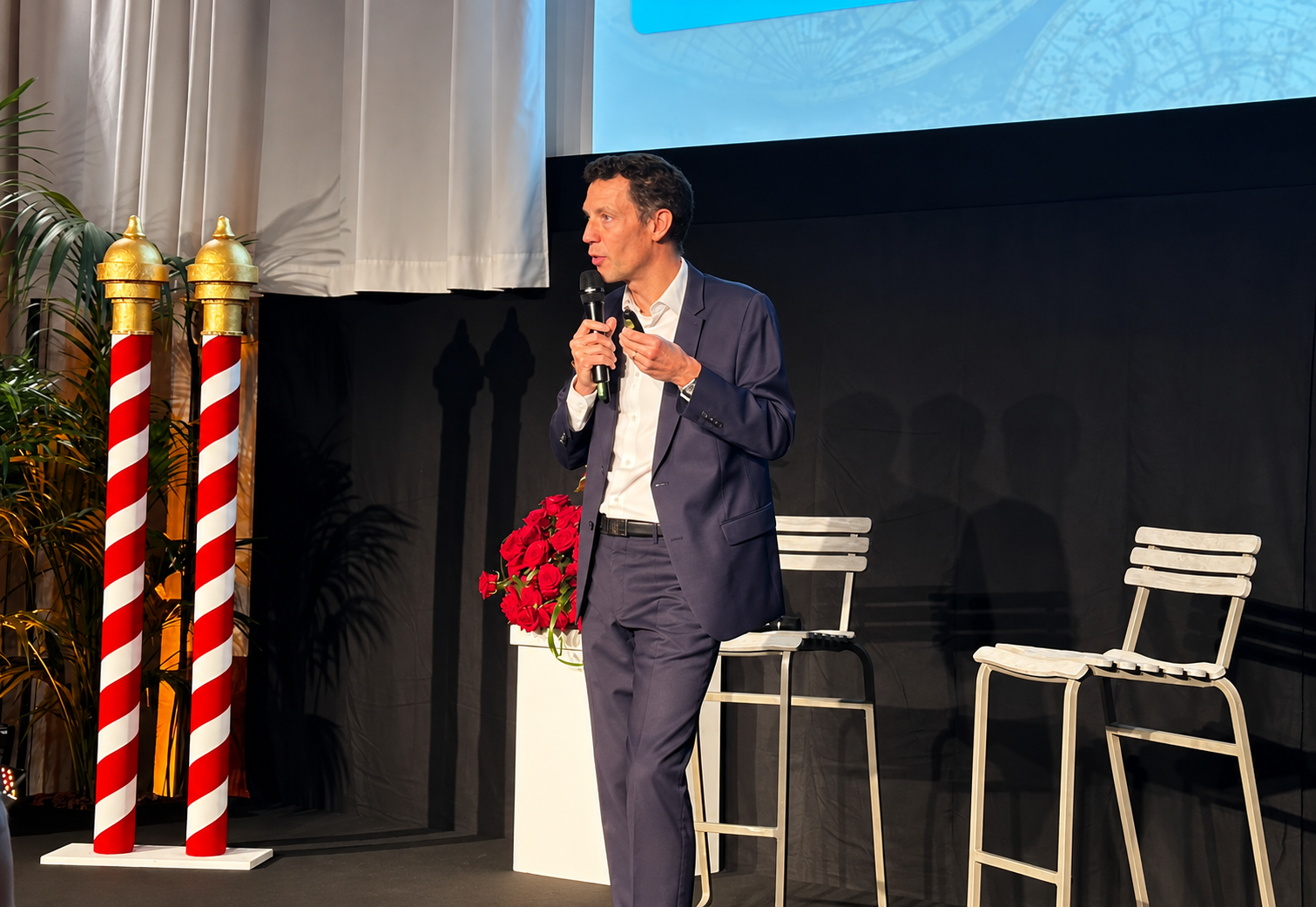
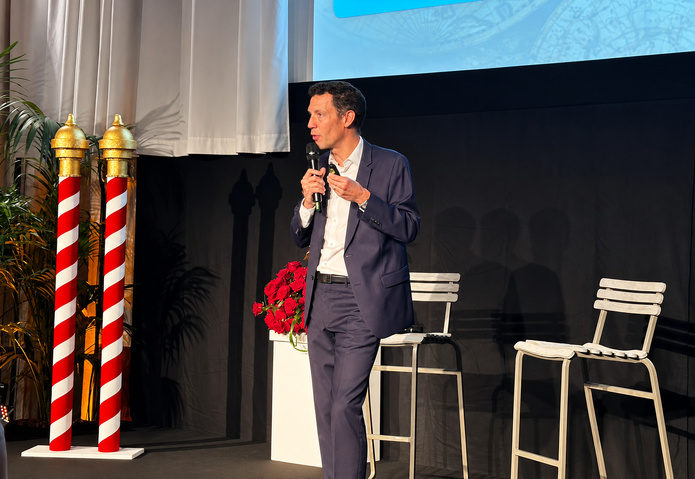
In the preface of his address at the Manor conference Franck Gervais summarized what awaited him when he took the helm at Pierre & Vacances-Center Parcs: to make clear that the model was exhausted and that it was time to overturn the table.
When he took the helm in January 2021, the company had just endured several months of shutdowns and saw its debt rise.
But the pandemic, the tip of the iceberg, only revealed hidden weaknesses beneath the surface: the group had chalked up negative net results for thirteen years, yet any challenge faced the founder Gérard Brémond’s refusal to revisit the model that had made Pierre & Vacances a success.
A Real Estate Model at the End of Its Rope
 Founded on real estate development, the group built residences and holiday villages and then sold the homes to individuals or to institutional investors. In return, a guarantee of fixed rents.
“The rent was a given. We told the operator: here’s your rent, figure it out.”, summarises Franck Gervais. The margins from real estate development masked the challenges of operations and as real estate profits shrank, the group had fewer and fewer means to renovate its sites.
The crisis sharpened the urgency. In eighteen months, debt reached about one billion euros. It was necessary to find new investors, inject fresh funds and lighten the liabilities. The restructuring allowed the erasure of 700 million euros of debt: 500 million converted into equity and 200 million of fresh money provided by the new shareholders.
But deleveraging alone could not constitute a business project. The group therefore pursued a strategic and operational transformation in parallel.
“The success of a transformation lies in execution”
First break: Pierre & Vacances-Center Parcs ended its real estate development model: real estate serving tourism, not the other way around.
Second priority : renovate the accommodations and improve the customer experience. Annual investments, which stood at 50 million euros, were raised to 100 million. The group plans to increase them to 120 million in the coming years.
And while site managers tracked revenue and customer satisfaction, they did not have control over the margin. The plan set financial and commercial targets at all levels of the company.
“The success of a transformation, it’s in execution”, insisted Franck Gervais. Teams must be able to measure their results.