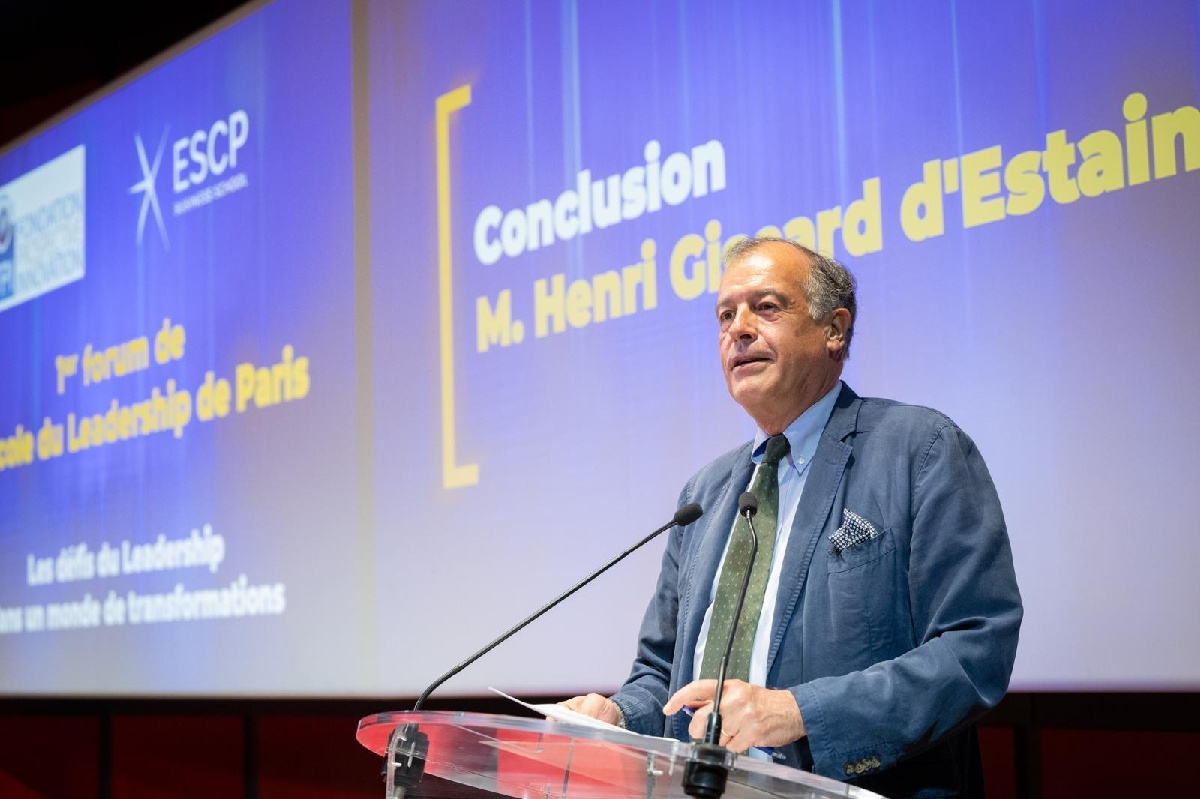

… The last time I met Henri Giscard d’Estaing, it was in Serre-Chevalier for the inauguration of a newly renovated mountain Club Med, aligning with the brand’s renewed criteria. It was July 2025, and the Club announced its pivot toward mountain life both in summer and winter.
And, on that occasion, it celebrated its partnership with the region’s elected officials and operators in Provence‑Côte d’Azur in view of the upcoming 2030 Winter Olympics. A rare opportunity for this leader about whom, on July 7, 2025, I wrote: “Henri Giscard d’Estaing stays the course. And that is all the more true because the group’s solid results are meeting expectations and make him an untouchable figure.”
But the tale of this fragile tourism sector decided otherwise. A few days after this meeting, the man who had saved Trident was abruptly dismissed by his Asian shareholders, to the astonishment of all, inside and outside the company. A new page opened for the enterprise. Meanwhile, his former chairman had to chart another course. Which one?
Leadership: a School, a Culture, an Ambition
 My surprise was probably as great as yours when, a few weeks ago, Paris hosted a presentation at ESCP Business School—a kind of think tank dedicated to “defining, qualifying and promoting the specificities of French and European leadership in their political, economic, entrepreneurial, and societal dimensions.”
Born from reflections conducted with former Prime Minister Jean-Pierre Raffarin and his foundation “Prospective and Innovation,” this new structure should also “contribute to building and disseminating a leadership pedagogy adapted to the challenges of the 21st century”!
For a starting point: Henri Giscard d’Estaing does not budge: “In a world of uncertainty and worry, leadership is more necessary than ever, and this in all areas of the economy.” But not everyone who aspires to lead has what it takes.
“Leadership is learned and cultivated. It is not enough to have a strong personality. I see it as the result of methods and personal and professional traits…”
Far from limiting his reflections and advice to the tourism industry alone, the former head nonetheless draws on his own story to lift a brand that perhaps did not need a revolution but at least a major turning point.
A Long and Complex Method
“The upgrading to a higher end must begin with a rational, sensitive, and well-considered approach, arising from an economic and human equation. The matter is complex; it involves moving the client from one paradigm to another so that they understand why they pay more for their holidays.”
We Move to a Value Strategy
Was the verdict sealed? Not quite. The choice of the upscale segment must primarily draw on the Club’s historical base and on the values that have built its reputation and success for decades.
Which values? “Freedom, the pioneering spirit, kindness, and multiculturalism,” proclaims Henri Giscard d’Estaing, also evoking friendship, curiosity, and a sense of purpose…
Which values? “Freedom, the pioneering spirit, kindness, and multiculturalism,” proclaims Henri Giscard d’Estaing, also evoking friendship, curiosity, and a sense of purpose…
“Freedom was becoming the luxury, the hallmark of the high-end we wanted to establish.”
Finally, more broadly, for Henri Giscard d’Estaing, upgrading to a higher end must occur both at the corporate level and at the level of the regions.
Giving Austria and Mauritius as examples, he believes that “France and Europe probably have no choice but to upgrade. I think we would gain from offering a more qualitative offering centered on our extraordinary heritage.”
Giving Austria and Mauritius as examples, he believes that “France and Europe probably have no choice but to upgrade. I think we would gain from offering a more qualitative offering centered on our extraordinary heritage.”
Three determinants shape upgrading to the higher end
The economic model (cost structure)
Market evolution (willingness to pay more for a qualitative offer)
The brand’s intangible drivers
The economic model (cost structure)
Market evolution (willingness to pay more for a qualitative offer)
The brand’s intangible drivers

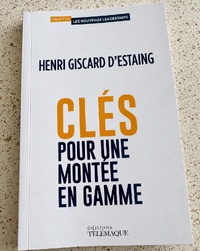
… In fine, after outlining in his book “Keys for a Higher-End Upgrade” twelve chapters corresponding to the twelve stages of the twenty years at the helm of Club Med, HGE confesses his wish to transmit and establish a leadership of French and European origin, derived from a structured thought capable of rivaling American and Asian industrialists who have shaped a model that continues to dominate though it falters.
Keen to be useful to his peers and to all young people drawn to the tourism sector, this new school of thought will also run debate workshops during which various leaders will share their journeys and present them to their audience.
Finally, I would emphasize that the former executive’s discourse is educational and cordial, but devoid of any vengeful tone. Explaining what was, at best, a brutal departure and an unduly messy separation from his shareholders, he thanks those who helped him and suggests that:
“In working to make Club Med an international success, it escaped us.” A collective “us” that says a lot about the sincerity of the man who saved a major institution. And not just any institution.
Read: in “Keys for a Higher-End Upgrade”. Télémaque Editions. 15 euros.
In the collection “The New Leaderships” which gives voice to leaders from all backgrounds, led by Henri Giscard d’Estaing.
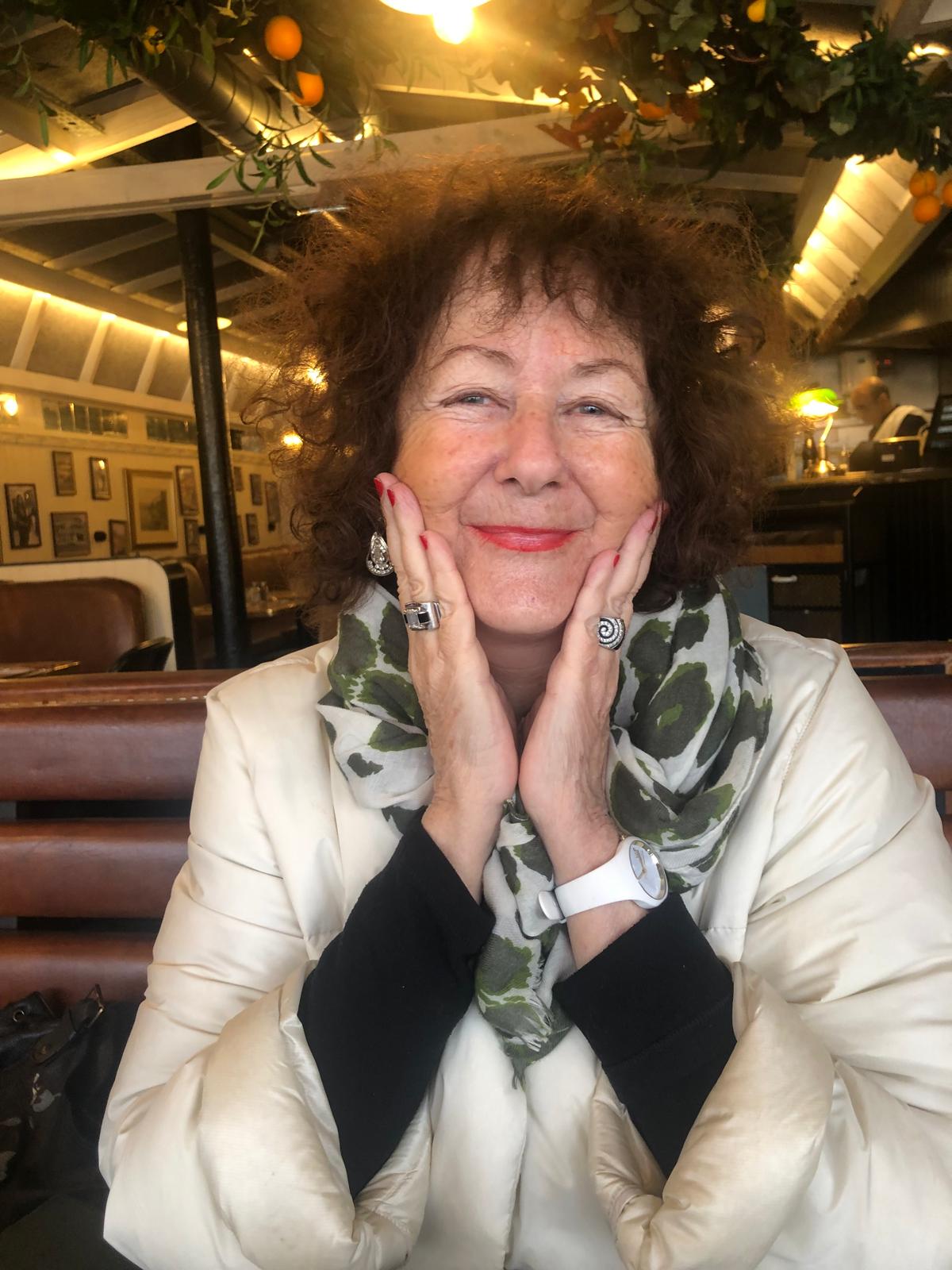

Journalist, consultant, lecturer, Josette Sicsic has been observing the world’s changes for more than 25 years to analyze their impact on the tourism sector.
After developing the Touriscopie journal for over 20 years, she remains at the forefront of current events where she decodes the present to predict the future. On the site www.tourmag.com, in the Futuroscopy section, she publishes several times a week forward-looking and analytical articles.
Contact: 06 14 47 99 04
Email: [email protected]