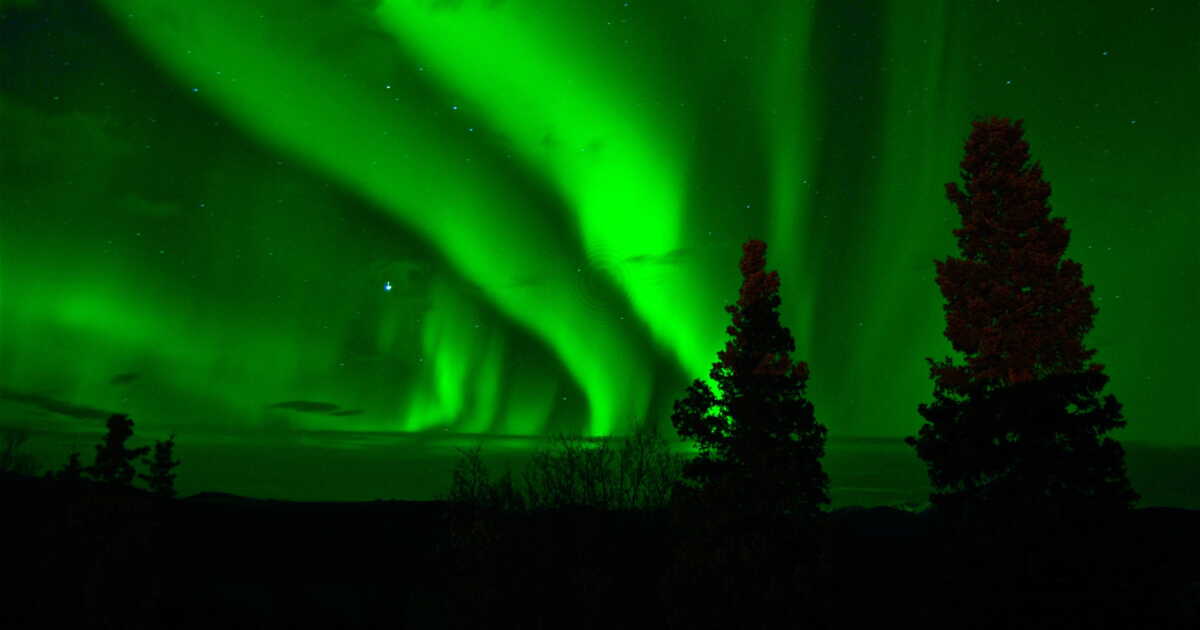
Who said you have to love skiing to fully enjoy snowy landscapes? In Europe, winter offers many other ways to breathe the air, discover the mountains, and experience unusual adventures. Between snowshoeing, tobogganing, watching the northern lights, and encounters with wild animals, the possibilities are plentiful. Here are seven destinations where snow is discovered differently.
From Lapland to the Highlands, experiences at the heart of nature
In Finland, the resort of Ruka, located just south of the Arctic Circle, does not reserve its snowy landscapes for ski enthusiasts alone. As early as December, visitors can set off to explore the forests by electric bike, try fishing in a frozen lake after drilling a hole in the ice, or learn Arctic survival techniques. The bravest can even let themselves be carried by the current of a frozen river, equipped with a thermal suit. After nightfall, snowshoeing hikes offer a chance to search for the northern lights. Families can also meet Santa in his chalet, take part in cookie-baking, and make greeting cards.
Head south to Norway, to Tromsø, to discover another face of Arctic winter. Located 350 kilometers north of the Arctic Circle, the town makes an excellent starting point for observing the northern lights. But the stay also offers a glimpse into the traditions of the Sámi indigenous people. Families who have raised reindeer for generations invite visitors into their winter camp. The program includes feeding the animals, taking a sled ride, and sharing a moment around the fire in a lavvu, a traditional tent. Sámi chants, called joik, can accompany these encounters. Tromsø also allows ice fishing, a snowmobile safari, or exploring the surrounding landscapes on a dogsledding excursion.
In Scotland, the Cairngorms National Park is particularly suited for nighttime sky watching. Winter days are short, with sunset just after 3:30 p.m. and sunrise around 8:50 a.m. This long darkness, combined with low light pollution in parts, makes it possible to admire the Milky Way. In Tomintoul, a discovery center provides astronomical observation kits. Guided night outings are organized to spot stars, planets, and the animals that come alive after dark. Hiking enthusiasts can also traverse the Highlands’ scenic routes or meet the United Kingdom’s only freely roaming reindeer herd.
Finally, in Romania, Transylvania attracts lovers of wide spaces and wildlife. In the Piatra Craiului National Park, trails wind through karst landscapes where bear and wolf tracks outnumber those of hikers at times. The Carpathian Mountains are believed to host more than 10,000 brown bears and about 2,500 gray wolves in the country. Guided snowshoe excursions allow you to discover these territories, notably the Zărnești gorges, lined with limestone cliffs reaching up to 200 meters in height. The stay can also be an opportunity to visit the Libearty sanctuary, which has housed more than 120 brown bears rescued from captivity, or to discover the medieval villages and fortified churches of the region.
Snowshoeing, skating and gastronomy to explore the European mountains
France is not left behind. Chamonix and the Mont Blanc valley offer many options for visitors who prefer staying off the ski slopes. Snowshoeing routes let you traverse pine forests and snow-covered valleys with views of the Alpine summits. The Montenvers rack railway carries you up to the Mer de Glace, one of the largest glaciers in the French Alps. Once there, a cable car and about 200 steps bring you to a cave carved into the ice. Another spectacular experience: take the cable car to the Aiguille du Midi, at an altitude of 3,842 meters, to admire the Mont Blanc massif. Visitors can then descend for a toboggan run.
In Sweden, thrill-seekers can swap ski pistes for skating on frozen lakes. Referred to as “Nordic skating,” this sport involves covering long distances on natural ice using skates with long blades. Guided excursions around Stockholm lead onto Lake Mälaren or into the Baltic Sea archipelago. This activity does require specific gear, notably poles to check ice thickness and a backpack that doubles as a flotation device. For a more accessible option, the Swedish capital also features an outdoor rink in Kungsträdgården garden.
Finally, the Dolomites enable winter hiking and culinary discoveries in Italy. In the Tre Cime Natural Park, near the Austrian border, around 100 kilometers of maintained trails let you walk through valleys and forests without necessarily using snowshoes. Several refuges line the routes and offer regional specialties, such as ricotta and spinach-filled ravioli, barley soup, bread dumplings, and thick apple pancakes. Strolls around Lake Dobbiaco, sometimes entirely frozen, also present stunning winter scenery. A chance to enjoy the mountains at your own pace, never needing to race down a slope!