Bali, a victim of its own success?


For decades, Bali has established itself as one of Asia’s flagship destinations, thanks to its landscapes, cultural heritage, beaches and hotel offering. But its success has also profoundly transformed certain parts of the island. In the south, real estate and commercial development has gradually altered the landscape, while some iconic spots have become particularly crowded.
This evolution has contributed to clouding Bali’s image among some travelers. Yet talking about a destination that would no longer dream-worthy would be excessive. The island still holds considerable cultural and human richness, provided one takes the time to discover it differently. The real challenge lies more in the concentration of tourist flows and in how Bali is marketed.
Discover Bali in a Different Way
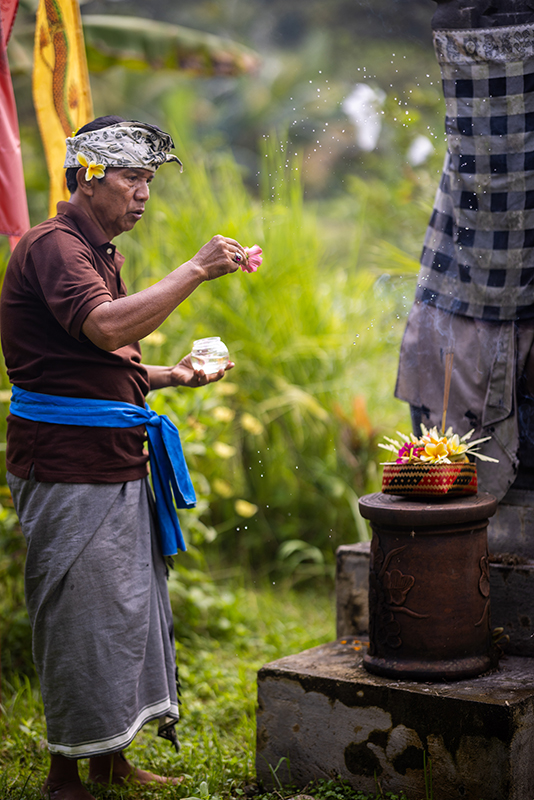
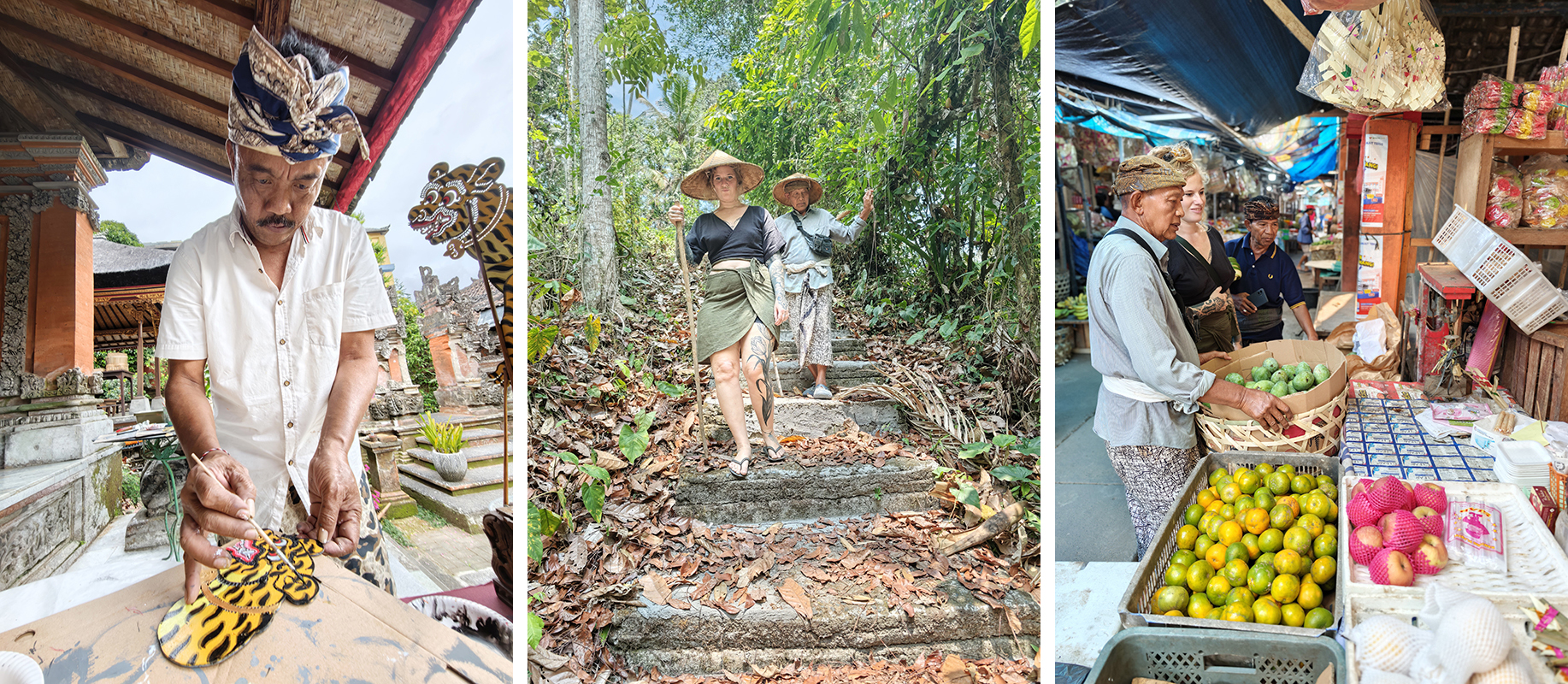
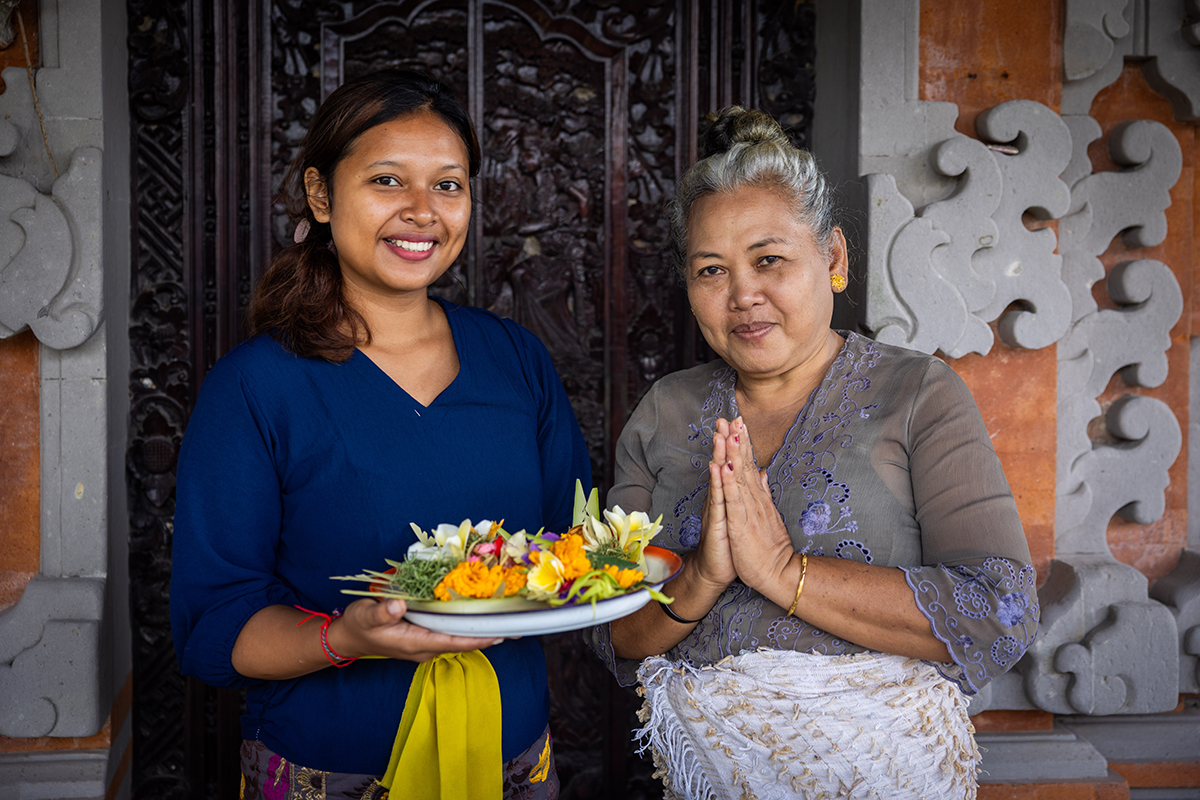
Renewing Bali’s experience involves a better distribution of stops, but also a different approach to discovery. Beyond landscapes and must-see sites, the island’s story is told through its people, its cuisine, its traditions, and daily life.
It is with this aim that Shanti Travel develops experiences that depart from classic itineraries, prioritizing immersion and local encounters. In Bali, this includes highly local experiences, even in urban settings. Taking a side step also means learning to view a destination we think we already know in a different light. The Shanti Walk in Denpasar offers a foot-based exploration of the capital, between markets, lively neighborhoods, places of life and encounters with residents. The Balinese Day invites travelers to share a day with a Balinese family, to discover their daily life, their traditions and to live, for a day, at the pace of its inhabitants. Moments of sharing in the island’s villages complete these experiences, far from the usual tourist routes.
The idea is not to renounce the must-see sites, but to give them a different place in the program and to pair them with experiences that foster encounters and understanding of local culture.
This search for more immersive experiences also fits into a responsible tourism approach. At Shanti Travel, it is reflected in paying careful attention to the choice of local partners and to activities that contribute to the economies of the visited territories.
Beyond Bali, a archipelago with many facets
Indonesia offers a much broader field of discovery than Bali. Java, Sumba, Flores, Sulawesi or Raja Ampat enable very different trips, depending on travelers’ expectations and interests.
Java, an intense and cultural Indonesia, in Shanti’s DNA
Java, an intense and cultural Indonesia, in Shanti’s DNA


Java is an island that Shanti Travel wishes to develop further today. More populated, dense, and lively than Bali, it offers a radically different experience, with an energy that can surprise travelers: large cities, heavy traffic, bustling markets, neighborhood life, and constant contrasts. This is also what makes it interesting. As in India, Shanti loves these vibrant destinations, sometimes bewildering at first glance, where discovery comes as much from encounters and atmospheres as from major sites.
In Jakarta, we specifically want to show another facet of Indonesia. Behind the capital’s impressive urbanization lies a true identity, a history, a cuisine, and a bustling local life. Taking the time to wander its neighborhoods, discover its markets, and understand the daily life of its residents helps to transcend the image of a megacity often reduced to its traffic jams.
Farther east, Yogyakarta offers a different approach, between heritage, traditions, and spirituality. The Borobudur and Prambanan temples rank among Southeast Asia’s most remarkable sites. Visiting them takes on another dimension when guided by passionate local guides who can convey their history, symbols, and place in Javanese culture. This is precisely the kind of accompaniment Shanti seeks to promote: not merely guiding a site, but giving travelers the keys to better understand and feel it.
Java also hosts Mount Bromo and its spectacular volcanic landscapes. After the fires that impacted the site, continuing to showcase it is also a way to support local actors and the region’s tourist activity.
Beyond Java, the archipelago offers numerous possibilities: Sumba for its wide-open spaces and traditional villages, Flores for its volcanoes and the Komodo National Park, Sulawesi for the richness of its local cultures, and Raja Ampat for its exceptional underwater scenery.
These islands are not interchangeable alternatives to Bali. They require longer travel times and sometimes less developed infrastructure. Their discovery therefore demands thorough preparation and precise knowledge of the terrain.
How to better market these destinations?
For travel agencies and tour operators, the challenge is to start from travelers’ desires rather than presenting these islands as mere alternatives to Bali.
– For first-time Bali travelers: prioritize a balance between iconic sites, less-visited regions, and local experiences, rather than multiplying must-see sites.
– For clients who already know Bali: offer an extension to Java, Sumba, or Flores to reveal another facet of Indonesia.
– For nature enthusiasts: highlight Java and Flores volcanoes, Sumba’s savannas, or Raja Ampat’s underwater world.
– For travelers interested in local cultures: favor Sulawesi and Tana Toraja, or Java and its cultural heritage.
It is important to anticipate practical constraints, including air connections, transfer times, and the level of comfort available. Presenting concrete itineraries and a few powerful experiences will also help travelers picture themselves better.
To reassure clients about on-site support, agencies can also highlight Shanti Travel’s local concierge, available 24/7 to respond to unforeseen events and adapt certain steps of the stay.