Senegal, a country located at the westernmost tip of Africa, is notable for its cultural richness and natural diversity. Bordered by the Atlantic Ocean, it offers a range of activities from tranquil beaches to wildlife reserves, as well as historic towns. If you are planning to visit Senegal, you’re surely wondering which activities and sites should not be missed. This guide is designed to give you an overview of the essential experiences to have during your stay.
1. Discover Dakar and its surroundings
Dakar, the capital of Senegal, is the ideal starting point for a successful trip to Senegal. From Dakar, you can reach Gorée Island, a UNESCO World Heritage site — and visit the famous House of Slaves. The immersion continues in Dakar’s lively districts, among markets, crafts, textiles and urban atmosphere. Do not miss the African Renaissance Monument as well, a strong symbol of cultural identity. This stay in the capital of Senegal evokes the very essence of a modern Senegal journey, blending history, memory and urban dynamism.
2. Explore the Petite Côte
Leaving Dakar, the road leads to the Petite Côte, a region ideal for vacations blending relaxation and discovery. In Saly Portudal or Toubab Dialaw, the fine sand and idyllic beaches invite swimming, water sports or simply gazing at the Atlantic Ocean. In Toubab Dialaw, an artists’ village, the creative atmosphere offers a charming contrast with urban life. For families with children, the proximity to an accessible natural setting adds a valuable asset. The Bandia Reserve, nearby, opens the possibility to observe African animals in their habitat — a strong nature experience within the framework of a family trip to Senegal.
3. Discover the North of Senegal
The North reveals a calmer horizon and is rich in heritage. The historic town of Saint-Louis, former colonial capital, charms with its architecture, colonial lanes and gentle ambiance. Venturing toward the Djoudj Bird Park, ornithology, wildlife watching and biodiversity enthusiasts will enjoy spotting pelicans, herons and other migratory species — a meeting with the preserved nature of West Africa. One might even include a detour to the emblematic Lake Retba, whose brackish water offers a unique spectacle to cap this northern journey.
4. Navigate the Saloum Delta
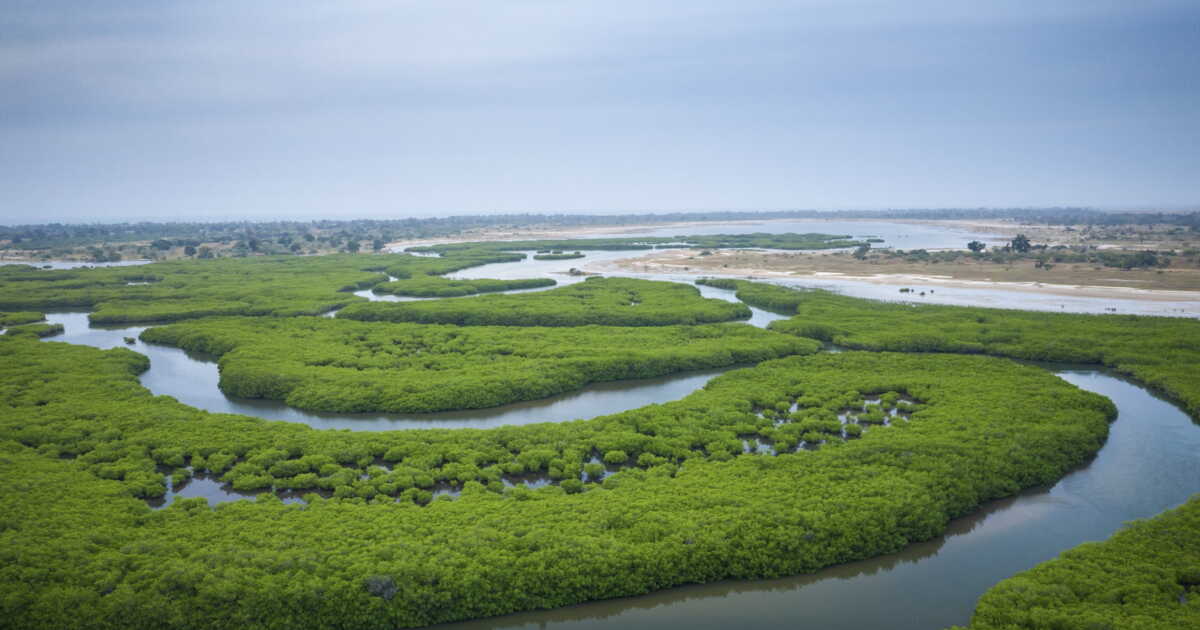
The Saloum Delta is a hidden gem of Senegal: a vast labyrinth of mangroves, bolongs (water channels), islands and canals. Navigating by pirogue or kayak through this aquatic mosaic provides a deep immersion into lush and serene nature. For a different trip to Senegal, away from crowds, the delta offers tranquil landscapes, a sense of remoteness, and a close connection with the environment. It is an opportunity to experience a slow, authentic stay in Senegal, deeply connected to the land.
5. Immersion in Casamance
The Casamance region combines tropical forest, rice fields, traditional villages and preserved beaches — an invitation to relaxation, calm and encountering a unique culture. Toward Cap Skirring or Diembering, beaches along the Atlantic Ocean provide the perfect setting for unforgettable holidays in Senegal. Families, even with children, will appreciate the laid-back lifestyle, the warmth of the people and the richness of a welcoming culture. This corner of Casamance illustrates the balance between nature, local culture and a laid-back living — a major asset for anyone seeking to discover Senegal differently.
The Senegal offers a palette of unique activities and places, from Dakar’s historic sites to the lush landscapes of Casamance. Whether you are passionate about history, nature or culture, this country will meet your expectations and offer you a rich and versatile experience. You can also explore other themes such as local gastronomy or responsible tourism itineraries to enrich your trip.
What is the best time to go to Senegal?
The best time for a stay in Senegal remains November to March, when the climate is milder, the air cooler and humidity reduced. This season is particularly suitable for a trip to Senegal with family or friends: the beaches of the Atlantic Ocean are pleasant, and city visits — whether in Dakar or other areas — are comfortable without intense heat. Thus, one can make the most of the lush nature, the coastline, and the heritage sites in comfortable conditions.
What budget should you plan for visiting Senegal in 10 days?
For a 10-day stay, a moderate budget — simple to mid-range accommodations, local meals, internal transportation — is more than enough to discover the essentials: city, beaches, a detour to the Bandia Reserve or the Saloum Delta, and a visit along the coast. For higher comfort — more comfortable accommodations, excursions, activities — the cost remains reasonable compared to European standards, especially if you favor local services. You can thus tailor the budget according to the desired Senegal travel style.
What to do in Senegal in December?
In December, mild weather and ideal light: it’s the perfect opportunity to combine beach, nature and heritage. You can explore coastal zones along the Atlantic, walk through mangroves or nature reserves, discover the lush nature of the country, or observe the Djoudj birds if you venture north. It’s also a good time to enjoy the unique blend of relaxation, sea, and cultural immersion in a pleasant and serene setting.
What to do on a family trip to Senegal?
A family trip to Senegal can blend history, nature, beach and cultural encounters: visiting Gorée Island or the House of Slaves for a heritage dimension, going on a gentle safari at Bandia Reserve to observe wildlife, or enjoying welcoming beaches for relaxing moments. By combining these elements, you offer both children and adults a rich, varied and accessible stay, balancing safety, discoveries and enjoyment for everyone.
This article was drafted with the help of artificial intelligence, then corrected, expanded and validated by the newsroom journalists.