Summary
-
1. Visit the Pyramids of Giza
-
2. Explore the Egyptian Museum in Cairo
-
3. Discover the Valley of the Kings in Luxor
-
4. Enjoy a Nile cruise
-
5. Dive into the waters of the Red Sea
-
6. Explore the local markets
-
7. Stroll in the White Desert
-
8. Visit the Nubian village near Aswan
-
9. Discover Cairo’s Coptic Quarter
-
10. Family trip to Egypt: relaxation at Siwa Oasis
-
What budget to plan for 15 days in Egypt?
-
What to do in Egypt in 15 days?
-
How long does it take to visit Egypt?
-
What to do in Egypt with children?
-
What are the things not to do in Egypt during a trip?
-
What you should know before leaving for Egypt
As the cradle of one of the greatest civilizations in history, Egypt is not limited to its iconic monuments. Between Nile cruises, desert getaways, and encounters with preserved local cultures, the country invites you to multiply experiences beyond clichés.
1. Visit the Pyramids of Giza
Visiting the Giza plateau remains a cornerstone of a successful journey to Egypt. At this iconic site, you will encounter the famed Pyramid of Khufu, a monumental relic of a fascinating past, and one of the ancient world’s Wonders still standing today. The surrounding desert silence accentuates the grandeur of these stone giants, while the legendary Sphinx keeps watch, enigmatic and imposing. A guided tour offers the ideal option to deepen the historical scope — dynasties, construction techniques, religious symbolism — and to grasp the cultural dimension of the site. As you wander the sandy avenues, you hold in your hands a fragment of Egypt’s millennial history.
2. Explore the Egyptian Museum in Cairo
In the heart of the capital, the Egyptian Museum in Cairo is a must for anyone curious about archaeology and ancient art during a stay in Egypt. This institution houses an unparalleled wealth: ornate sarcophagi, statues, jewelry and funerary items, among which the pharaoh’s treasure stands out. Pushing open its doors, visitors dive into the daily life of the ancient Egyptians, their beliefs and their funerary rituals. Each case tells a story, each artifact bears the mark of ancient civilizations. It is the most comprehensive option to appreciate the country’s cultural evolution, from the old kingdoms through the Greco-Roman era.
3. Discover the Valley of the Kings in Luxor
In Luxor, the tomb of the ancient royalty awaits in the famous Valley of the Kings, a true archaeological treasure of Egypt. Carved into rock, these funerary chambers reveal colorful frescoes, hieroglyphs, and sacred objects intended to accompany the pharaohs in the afterlife. Exploring these tombs, visitors gain insight into the ancient rulers’ vision of death and eternity. Luxor offers a bridge between past and present, combining history, architecture, and spirituality, and allows one to grasp the continuity of a millennial heritage through time.
4. Enjoy a Nile cruise
Sailing along the sacred river is an incomparable way to discover Egypt from a different angle: a Nile cruise between Luxor and Aswan reveals varied landscapes, lush shores, peaceful villages and ancient temples perched by the water. For a more authentic immersion, a felucca ride — the traditional Egyptian sailboat — offers a more intimate setting, paced by the wind and the lapping of the water. This historic mode of transport combines comfort, calm, and history, and represents an ideal option to blend relaxation with cultural exploration. You literally sail through centuries of Egyptian history.
5. Dive into the waters of the Red Sea
For sea and marine life enthusiasts, the Red Sea is an indispensable natural jewel during a stay in Egypt. The crystal-clear waters of the coast, especially near Hurghada, offer spectacular coral reefs hosting a rich and colorful marine fauna. Whether you are a beginner or an experienced diver, underwater spots guarantee fascinating observations — multiform corals, tropical fish, and sometimes explorable wrecks — all bathed in exceptional underwater light. After the temples and ruins, this is the perfect option to discover a different face of Egypt, more aquatic and relaxing. A detour to Hurghada can be ideal to combine leisure, diving, and local immersion.
6. Explore the local markets
Strolling through the souks and markets of a city in Egypt, such as the center of Cairo, offers an immersive plunge into the daily life of Egyptians. Each stall overflows with artisanal treasures: spices, fabrics, jewelry, carved objects — authentic souvenirs from a country with millennia of history. Narrow streets, fragrant alleyways, and a lively atmosphere create a vibrant backdrop for feeling the local vibe. From Hurghada or the downtown, this exploration is an essential option for anyone looking to soak up popular culture and traditional commerce, away from the usual tourist circuits.
7. Stroll in the White Desert
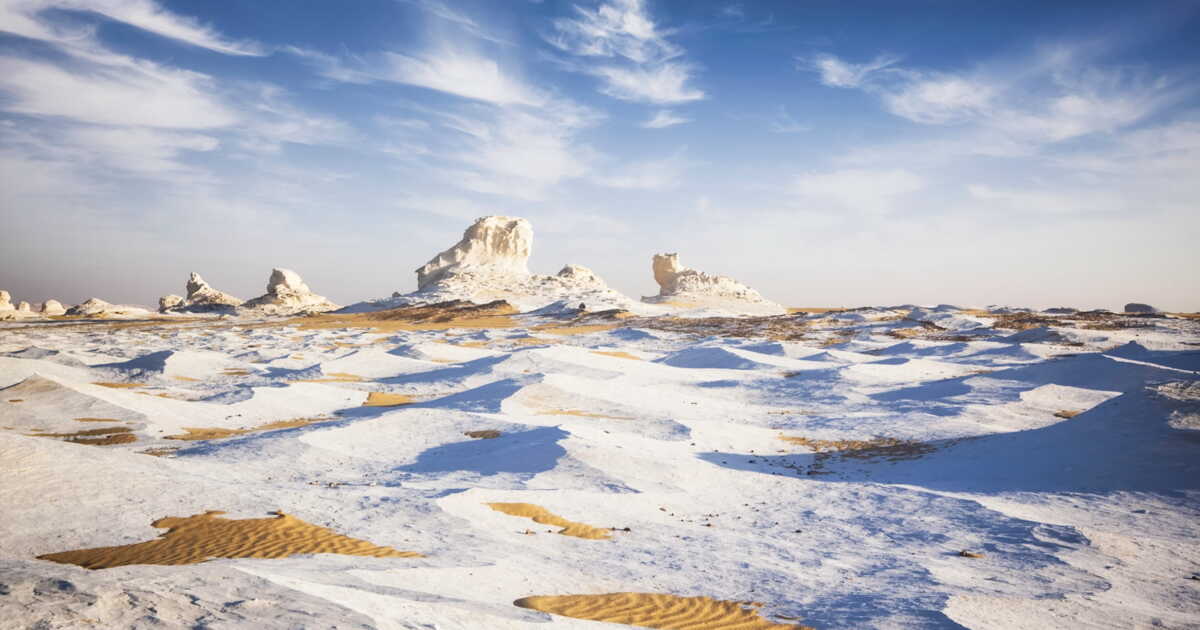
For travelers seeking a striking contrast to ancient cities, the White Desert offers a unique experience across the Egyptian landscape. Its whitish rock formations, sculpted by wind and time, create a nearly lunar panorama, a source of calm and solitude. Walking in this desert, under a starry sky or at dawn, is to discover the wild, raw, timeless Egypt. It is the ideal option for those who want to combine historical heritage with natural adventure, far from the bustle of major towns. This kind of excursion perfectly complements a journey through Egypt that blends monuments, sea, and desert.
8. Visit the Nubian village near Aswan
Near Aswan, a Nubian village makes a rewarding stop on a family trip to Egypt. Colorful houses, distinctive architecture, and a peaceful atmosphere contrast with urban frenzy. Boarding a Nile cruise gives access to this tranquil village, where residents, Egyptians of Nubian heritage, uphold ancient traditions of music, crafts and community life. This immersion fosters cultural sharing and respect for local roots, offering children and adults alike the chance to discover an authentic way of life, far from conventional tourist routes.
9. Discover Cairo’s Coptic Quarter
The Coptic Quarter of Cairo represents a pivotal chapter in the Christian history of Egypt. Wandering its ancient streets, you will discover historic churches, heritage buildings and a museum rich in liturgical objects and icons. This urban walk through the city of Cairo allows understanding the country’s religious and cultural diversity, a key measure of its multi-faceted identity. The Coptic Quarter reveals another facet of Egyptian heritage, less known but equally precious, and it constitutes a relevant option for history, architecture, and spirituality enthusiasts.
10. Family trip to Egypt: relaxation at Siwa Oasis
To end a stay in Egypt on a gentle note, the Siwa Oasis offers a peaceful haven away from the crowds. Nestled in the heart of the desert, this oasis provides freshwater springs, lush palm groves and a serene atmosphere — perfect for recharging after intensive visits to monuments or museums. Whether you want to stroll, savor the desert’s calm, or enjoy a pristine natural setting, Siwa embodies an ideal refuge for families and travelers seeking tranquility. You will find a harmonious balance between nature, local history and rest, in a distinct environment.
In conclusion, Egypt is a destination with multiple facets that captivates through the diversity of its landscapes and the richness of its history. Whether you come for monuments, adventure, or simply relaxation, every traveler will find something to suit them. For your next trip, consider delving deeper into local and historical cultures to further enrich your journey.
What budget to plan for 15 days in Egypt?
Planning a 15-day stay in Egypt requires careful budgeting, taking into account international flights, accommodation, meals, transport, and sightseeing. Accommodation can range from simple rooms to comfortable hotels, with costs varying by choice. Local transport (taxis, trains, cruises) and meals are generally affordable, making tourism in Egypt accessible. The tourist sites, excursions, and organized activities should also be included in the calculation. A balanced budget allows you to enjoy the stay fully without excess.
What to do in Egypt in 15 days?
A 15-day trip to Egypt allows combining sightseeing, historic heritage, and cultural cities. From Luxor to Aswan, including a Nile cruise, the itinerary can incorporate the Pyramids of Giza, the Cairo, or moments of relaxation in Hurghada. The route can also vary based on priorities: culture, nature, or beaches. This duration provides a good overview of the country and fits well for travelers looking to optimize their visit to Egypt.
How long does it take to visit Egypt?
The time needed to visit Egypt depends on expectations. A week allows seeing the highlights like the pyramids, Luxor, or a Nile cruise. But for a complete experience, 15 days remain ideal to explore the tourist towns, discover the desert, or spend a few days on the Red Sea. It’s a perfect balance to combine historical sites and relaxation while covering the country’s major classics of Egyptian tourism.
What to do in Egypt with children?
Traveling in Egypt with family is entirely feasible with a few adjustments. Children can enjoy the pyramids, felucca rides on the Nile, or visits tailored to their pace. Cities like Cairo, Luxor, or seaside resorts offer suitable options. To ensure family safety, it’s best to plan transportation in advance, choose reliable accommodations, and avoid certain less-touristy areas. It’s an enriching destination, both culturally and for shared adventure.
What are things not to do in Egypt during a trip?
During a trip to Egypt, some practices should be avoided to respect local customs and ensure a smooth experience. It is advised not to wear overly short or tight clothing, especially in public and religious places, out of respect for Egyptian culture. Public displays of affection are also better avoided.
Photographing military sites, police stations or people without permission can lead to penalties. Finally, it is advisable to negotiate prices tactfully, without aggression, especially in souks or with certain tour operators. Knowing these things not to do in Egypt helps you travel under good conditions, while avoiding cultural misunderstandings.
What you need to know before traveling to Egypt
Before planning a visit to Egypt, it is important to be well prepared. Entry formalities typically require a visa, easily obtained online or upon arrival. Given the often hot climate, it is recommended to pack light, covering clothing and to stay well hydrated. It is also essential to check peak tourist periods to tailor your itinerary accordingly.
The local currency is the Egyptian pound, and it’s advisable to have cash on hand for small purchases. Finally, since security is a concern for some, especially for family trips, consult official recommendations and favor well-organized tourist cities. These elements are key to a successful, calm, and enriching trip to Egypt.
This article was written with the help of artificial intelligence, then corrected, expanded, and validated by the editors of the staff.