Table of Contents
-
1. Visit Gorée Island and the House of Slaves
-
2. Discover the African Renaissance Monument
-
3. Explore the Museum of Black Civilizations
-
4. Relax on the beaches of Ngor Island and Yoff
-
5. Stroll around Rose Lake (Lac Retba)
-
6. Immerse yourself in the atmosphere at Kermel Market and Sandaga Market
-
7. Explore the Mamelles Lighthouse
-
8. Observe the biodiversity of the Madeleines Islands
-
9. Discover the Soumbédioune Artisan Village
-
10. Join an organized excursion
-
11. HLM Market: an authentic immersion in the heart of local life
-
12. Village des Arts: a haven of contemporary creation
-
13. Explore the Lompoul Desert from Dakar: a natural escape within easy reach by road
In Dakar, each day can take on a different hue: cultural in the morning, seaside in the afternoon, festive as night falls. Between iconic sites, natural getaways, and immersion in local life, the Senegalese capital offers a multitude of experiences to discover Senegal in a different way.
1. Visit Gorée Island and the House of Slaves
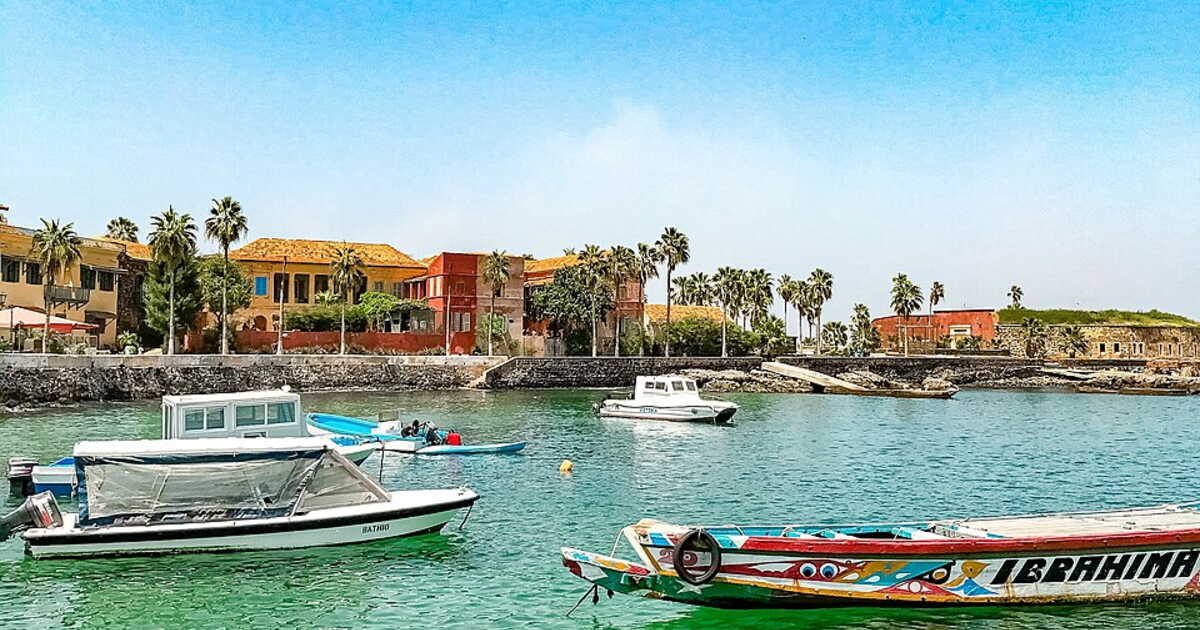
Classified as a UNESCO World Heritage Site, Gorée Island is a crucial stop to understand the history of the slave trade in Africa. Accessible by a short ferry ride from the Port of Dakar, the island houses the famous House of Slaves, a poignant museum that recounts the suffering and resilience of a dark era. Beyond its historical past, Gorée captivates with cobbled streets, colorful houses, and panoramic views of the Atlantic Ocean.
2. Discover the African Renaissance Monument
The African Renaissance Monument is one of the most striking sculptures on the African continent. Standing 49 meters tall, it overlooks the city and offers a breathtaking panorama over Dakar and its surroundings. Inaugurated in 2010, this modern monument symbolizes Africa’s renewal, and the ascent to the summit includes a small exhibition about Senegal and its future aspirations.
3. Explore the Museum of Black Civilizations
Inaugurated in 2018, the Museum of Black Civilizations marks a turning point in the preservation and diffusion of African culture. This museum offers a range of permanent and temporary exhibitions, illustrating African heritage in all its forms. It is essential for anyone wishing to understand the richness and diversity of African civilizations throughout history.
4. Relax on the beaches of Ngor and Yoff
Dakar is home to several beaches ideal for relaxing or water activities. The Ngor and Yoff beaches are among the locals’ and visitors’ favorites. Whether you simply want to soak up the sun, go surfing, or enjoy a fresh seafood meal with an ocean view, these beaches offer multiple possibilities.
5. Stroll around the Rose Lake (Lac Retba)
The Rose Lake, officially named Lac Retba, is famous for its spectacular pink color, caused by microalgae that produce a red pigment. This natural phenomenon draws many tourists and is particularly photogenic at sunset. Pair your visit with a tour to discover traditional salt-extraction methods, a pillar of the region’s economy.
6. Immerse yourself in the atmosphere at the Kermel Market and the Sandaga Market
For a total immersion into Dakar life, a visit to the local markets is a must. The Kermel Market, renowned for its colonial architecture, offers a wide range of local products, from spices to seafood. The Sandaga Market, meanwhile, is the ideal place to find artisanal souvenirs and admire Senegalese crafts.
7. Explore the Mamelles Lighthouse
Located on the second of the two twin hills that form the Mamelles, the Dakar Lighthouse is an iconic spot to admire the sunset. Once at the summit, you’ll have a breathtaking view of the city, the ocean, and the surrounding area. It is also a good spot for hikers of easy to moderate difficulty.
8. Observe the biodiversity of the Madeleines Islands
Just a short boat ride from Dakar, the Madeleines Islands is a national park where nature reigns. You’ll find spectacular rocky landscapes and diverse birdlife. It’s an ideal day trip for nature lovers looking to explore a still-wild and pristine environment.
9. Discover the Soumbédioune Artisan Village
For a plunge into Senegalese craftsmanship, head to the Soumbédioune Artisan Village. You can watch artisans at work and discover a wide range of handcrafted creations, from jewelry to wooden sculptures. Interacting with the artisans will also offer a deeper glimpse into local culture and know-how.
10. Join an organized excursion
To visit distant sites or combine several activities in a day, consider booking an excursion with a local guide. There are many options to explore the Rose Lake, Gorée Island, and other attractions, while easing logistical travel around the region.
11. HLM Market: an authentic immersion in the heart of local life
The HLM Market is one of the most iconic places to understand Dakar’s daily life. Located in a lively district of Dakar, it stands out for the variety of its stalls, colorful fabrics, and its organized vibe. This market is a perfect spot for crafts and direct exchanges with vendors, often recommended by any comprehensive travel guide. Easily reachable by yellow taxis, it complements an urban exploration focused on authenticity and the experiences of this journey.
12. Village des Arts: a haven of contemporary creation
The Village des Arts stands as a haven for peace dedicated to contemporary creation in Dakar. This site brings together studios, exhibitions, and artist residencies, offering a current view of Senegal’s cultural scene. Located away from the busiest routes, it allows a more intimate experience, often included in recommendations from any travel guide. This visit nicely complements the more institutional circuits of the city center, revealing another facet of the capital.
13. Explore the Lompoul Desert from Dakar: a natural escape within easy reach by road
About 140 km from Dakar (a little over two hours by car), the Lompoul Desert offers a striking contrast to urban bustle. Accessible via the Dakar road, this natural site features dunes, campsites, and quiet, making it an ideal extension to an urban stay. Often included in the experiences of this trip, Lompoul charms with its isolated character and immersive ambiance. This excursion, frequently mentioned in any comprehensive travel guide, helps broaden Senegal’s discovery beyond the capital.
In conclusion, Dakar is a city with many facets that offers visitors a compelling blend of historical, cultural, and natural discoveries. Whether you have one day, a weekend, or several days to spend there, there is always something to explore. To deepen your experience, consider related topics such as Senegalese cuisine or the local music scene, which add yet another unique dimension to this unforgettable destination.
Is Dakar an expensive city? Understanding prices and the cost of living in the Senegalese capital
Asking whether Dakar is an expensive city comes down to analyzing a contrasted reality common to any major metropolis in West Africa. Prices vary widely depending on the district of the city of Dakar, the type of accommodation chosen — hotel room, guesthouse room, or room in a house — and the time of stay.
The city center and the Plateau, near the presidential residence, generally show higher prices than other Dakar districts. The best rates are often found by booking in advance or by venturing away from the most frequented Dakar road.
On transport, yellow taxis remain affordable for short trips across a few kilometers of Dakar, while the air travel options, notably via Air France on the Paris-Dakar route, help plan the overall budget. Dakar thus offers an experience adaptable to different spending levels, without compromising the richness of the experiences of this journey.
What to do in Dakar at night? Restaurants, the Corniche, and nightlife experiences
In the evening, Dakar reveals a lively and welcoming atmosphere, especially along Dakar’s Western Corniche, now a must-visit gathering spot. Here you’ll find numerous seaside restaurants, seafood joints, and restaurant-bars offering views of the Dakar skyline.
The Pointe des Almadies, loved by surf enthusiasts, hosts a vibrant nightlife, while the Mamelles Lighthouse is a popular vantage point at sunset. Getting around is easy with taxis, typically yellow taxis, quickly linking the different centers of the downtown. These evenings contribute to a colorful experience, perfectly integrated with the experiences on this page, blending relaxation, gastronomy, and urban discovery.
What to do in Dakar this weekend? Must-see itineraries and experiences
A weekend in Dakar allows you to combine heritage, nature, and culture within a compact area. On Saturday, exploring the IFAN Museum, the Independence Square, and the Notre-Dame Cathedral provides an essential introduction to the city’s history, marked by the slave trade and the legacy of Léopold Sédar Senghor.
On Sunday, a trip to the Western Corniche or the Pointe des Almadies provides a breath of sea air, while nearby nature reserves offer a tranquil haven. These routes, outlined in any comprehensive travel guide, let you fully experience the trip’s highlights in a concise but rich timeframe.
What to do in Dakar with family or children? Accessible and educational activities
Traveling to Dakar with children is particularly fitting thanks to a varied range of cultural and outdoor activities. Walks along the Western Corniche, the beaches at the Pointe des Almadies, or spaces set up for outdoor fitness trails provide relaxing moments accessible to all.
Educational visits such as the IFAN Museum or the Dakar Cathedral of the African Memorial allow for a structured approach to the country’s history. Getting around by yellow taxis makes short trips easy, and the availability of family rooms in guesthouses or in hotel rooms ensures a comfortable stay.
Dakar thus stands as a perfect destination for a rewarding multi-generational trip.
What to do in Dakar in the Plateau neighborhood? Exploring the institutional and historical heart
The Plateau, located in the very heart of the downtown, concentrates Dakar’s institutional and historical symbols. Here you’ll find the presidential residence, buildings related to the Governor of Dakar, and Independence Square, the city’s nerve center.
The stroll continues toward the Notre-Dame Cathedral, the colonial-era buildings, and the major administrative arteries. This neighborhood, easily reachable by taxis, is a key stop in any travel guide, offering a clear understanding of Dakar’s political and urban organization.
What to do in Dakar when it rains? Museums, markets, and culture indoors
When weather limits outdoor activities, Dakar still offers a wide range of cultural options. Museums, notably the IFAN Museum, allow you to discover West African art and history indoors. The HLM Market also provides a sheltered immersion into the local experience, ideal for purchasing crafts. Cafés, restaurants, and restaurant-bars in the city center offer warm venues to extend the discovery. These alternatives are an integral part of the experiences on this page, illustrating Dakar’s versatility in any weather.
This article was written with the help of artificial intelligence, then corrected, expanded, and validated by the editors of the desk.