



In the United States, Resonance Consultancy has tracked the spending habits of affluent travelers since 2007, in partnership with the Leger Institute.
According to its 2026 Future of Luxury Travel study, the wealthiest 10% of American households will spend $544 billion on leisure travel in 2026, with the average per-trip budget rising from $5,100 to $7,900 between 2022 and today.
A McKinsey study specifies that a third of this market now comes from clients with a net worth between $100,000 and $1 million, a profile closer to senior executives or small-to-midsize business leaders than to ultra-wealthy clients.
According to its 2026 Future of Luxury Travel study, the wealthiest 10% of American households will spend $544 billion on leisure travel in 2026, with the average per-trip budget rising from $5,100 to $7,900 between 2022 and today.
A McKinsey study specifies that a third of this market now comes from clients with a net worth between $100,000 and $1 million, a profile closer to senior executives or small-to-midsize business leaders than to ultra-wealthy clients.
Trust Comes First, Not Price
 According to ColorWhistle’s compilation of 2025-2026 industry studies, 96% of ultra-luxury travelers continue to rely on a professional to organize their high-end trips, despite the growing availability of online booking tools.
TravelAge West interviewed clients with budgets of at least $25,000 on why they choose this route: 84% believe that a recognized advisor provides more value than a prolonged Internet search.
Time savings tops the motivations cited, ahead of itinerary personalization and the reduction of planning-related stress.
These two studies position the travel professional as a buffer against the mental burden of planning, rather than merely a booking intermediary.
Also read: Travel agencies: how much should you invest in Google Ads to acquire a client in 2026?
AI informs, it does not decide
A Skift survey, cited by AltexSoft, shows that 93% of travelers trust artificial intelligence to obtain information about a destination.
Only 2% would entrust AI to handle a booking or a modification to a trip entirely autonomously, without human validation.
This gap marks a clear boundary between using AI as a source of information and its role in the final booking decision.
Also read: Google search evolutions: what a travel agency must anticipate for 2027
Only 2% would entrust AI to handle a booking or a modification to a trip entirely autonomously, without human validation.
This gap marks a clear boundary between using AI as a source of information and its role in the final booking decision.
Also read: Google search evolutions: what a travel agency must anticipate for 2027
The United Kingdom Confirms the Trend
Virtuoso, which surveyed more than 2,400 advisors worldwide for its Luxe Report 2026, notes a similar shift among British and American clients: luxury is defined less by the price tag and more by authenticity and the depth of the connection to a destination.
This same definition is driving agencies like Not Just Travel, which launched in July 2026 an internal certification program to train its advisors in Asia, Europe, and the Middle East, encouraging investment in education rather than solely in the media budget.
The British luxury travel market, valued at $2.81 billion in 2025 according to Market Data Forecast, owes part of its growth to this emphasis on personalization.
This same definition is driving agencies like Not Just Travel, which launched in July 2026 an internal certification program to train its advisors in Asia, Europe, and the Middle East, encouraging investment in education rather than solely in the media budget.
The British luxury travel market, valued at $2.81 billion in 2025 according to Market Data Forecast, owes part of its growth to this emphasis on personalization.
What I Take Away for Advertising
In Summary
1. In the United States, wealthy households are spending more per trip, with the average budget rising from $5,100 to $7,900 between 2022 and 2026, on a market valued at $544 billion.
2. 96% of ultra-luxury travelers continue to rely on a human advisor to organize their stays, despite online booking tools.
3. Time savings motivates this choice more than access to exclusive experiences, ahead of itinerary personalization and reducing stress.
4. Travelers trust AI to inform themselves (93%), but rarely to book on their own without human validation (2%).
5. In the United Kingdom, luxury is defined more by authenticity and personalization than by the displayed price, prompting some agencies to invest in advisor training.
6. Referrals remain the sector’s most effective conversion channel at 9.5%, ahead of search and email.
2. 96% of ultra-luxury travelers continue to rely on a human advisor to organize their stays, despite online booking tools.
3. Time savings motivates this choice more than access to exclusive experiences, ahead of itinerary personalization and reducing stress.
4. Travelers trust AI to inform themselves (93%), but rarely to book on their own without human validation (2%).
5. In the United Kingdom, luxury is defined more by authenticity and personalization than by the displayed price, prompting some agencies to invest in advisor training.
6. Referrals remain the sector’s most effective conversion channel at 9.5%, ahead of search and email.
Sources
– Resonance Consultancy, 2026 Future of Luxury Travel (January 2026).
– McKinsey, cited by AltexSoft, Luxury Travel Market (November 2025).
– ColorWhistle, Luxury Travel Consumer Statistics (June 2026).
– TravelAge West, Why Luxury Travelers With $25K+ Budgets Are Turning to Travel Advisors (May 2025).
– Skift, cited by AltexSoft, Travel Advisors Market (January 2026).
– Virtuoso, 2026 Luxe Report (November 2025).
– Not Just Travel, press release (July 2026).
– Market Data Forecast, UK Luxury Travel Market Size & Share Report (June 2026).
– Ruler Analytics, Travel Marketing Statistics (August 2024).
– OpinionWay for American Express, Lifestyle Trends Observatory, 4th Edition (April 2026).
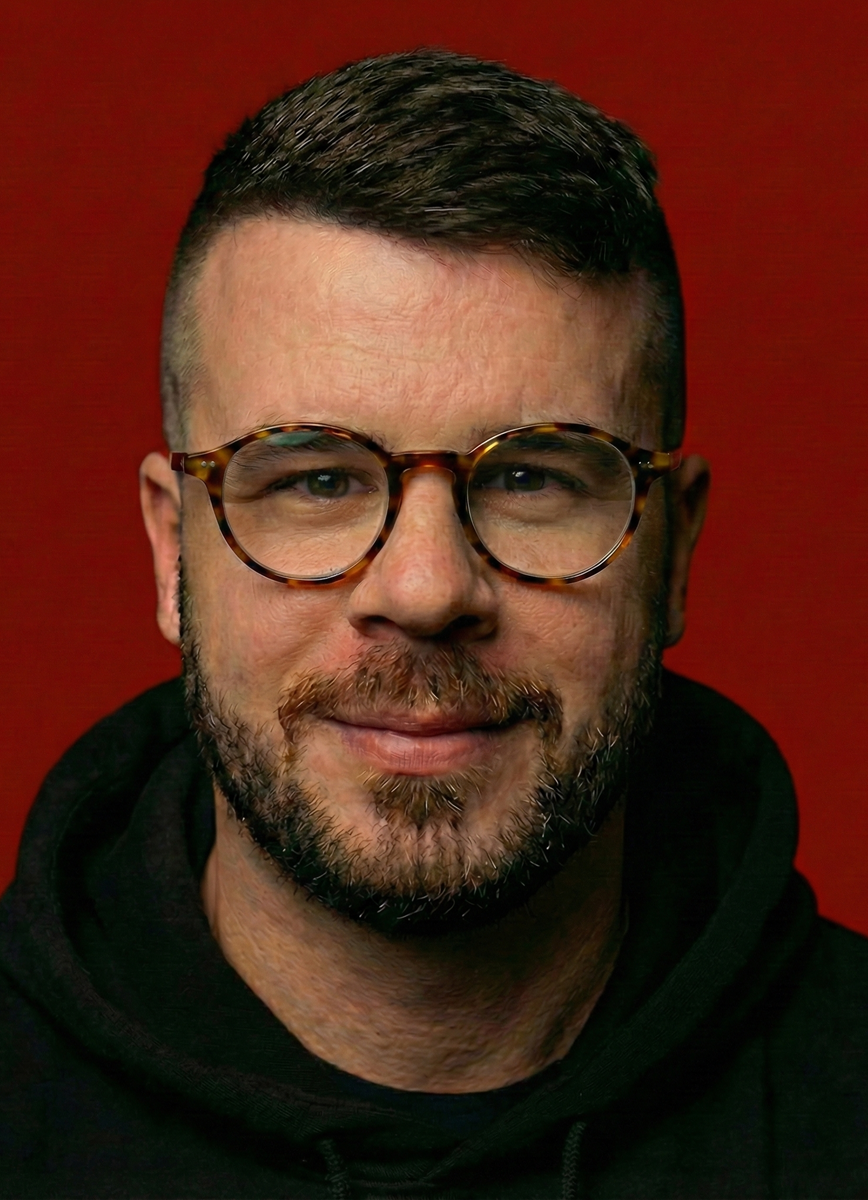

Adrien Houizot is a Google Ads consultant who has specialized exclusively in the travel and tourism sector for eight years.
After working with several digital marketing agencies, he now supports travel agencies (B2C & B2B), hoteliers and providers of tourism activities.
He is the founder of Monsieur Travel Marketing.
After working with several digital marketing agencies, he now supports travel agencies (B2C & B2B), hoteliers and providers of tourism activities.
He is the founder of Monsieur Travel Marketing.