Choosing to Stay Ashore
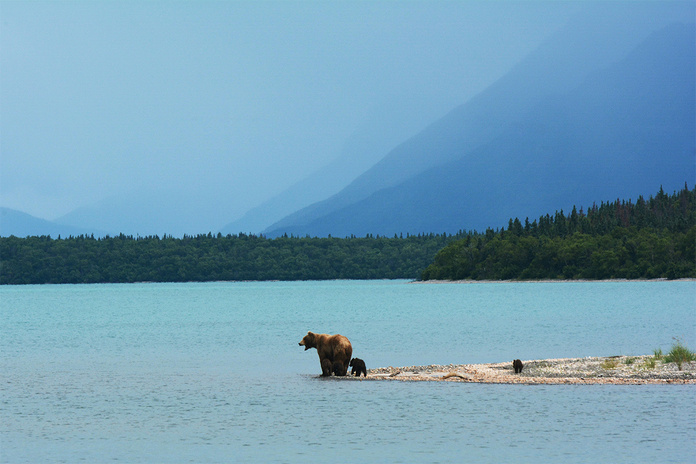


Terra Canada & Alaska does not sell cruises. It is a deliberate choice, not a rejection of the format: the Alaska we love to share is discovered simply on land. In peak season, a large portion of visitors arrive by sea, disembark for a few hours in the same ports, and then embark on large-group excursions with fixed schedules.
Staying on land offers three things. Time: with two or three nights at each stop, you can wait for a weather break, observe, and allow yourself to be surprised. Access: many of Alaska’s most spectacular sites, starting with Wrangell–St. Elias National Park, remain out of reach for a ship. Encounters: we work with small local outfits, skippers, bush pilots or guides, and travelers’ spending directly benefits the communities that host them.
For travel agents, it’s a concrete answer to two profiles: the client who isn’t drawn to cruises, and the one who has already done one and dreams of returning in a different way.
Here are three experiences we offer on site:
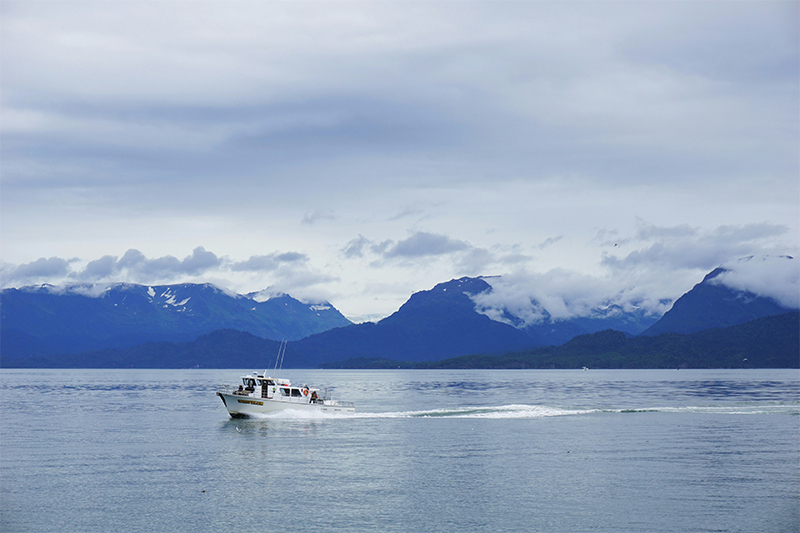
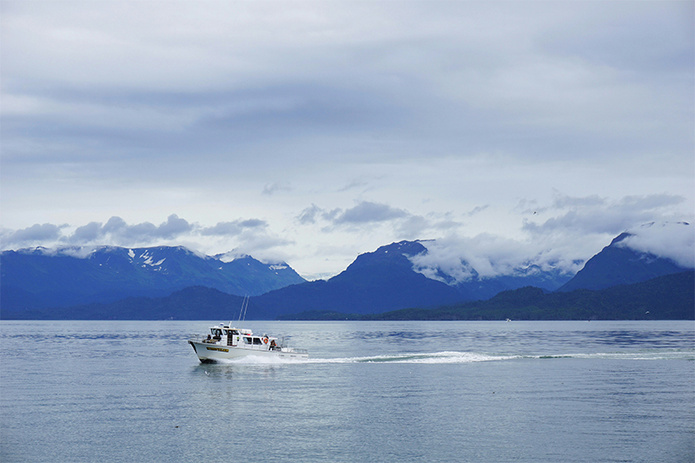
Homer: Halibut Fishing with the Bay Community
Our travelers embark with a family-run outfit from the harbor, capped at six guests, for a full day at sea, always with the coastline in view. The captain and his deckhand accompany each participant, whether a beginner or seasoned, and are happy to share their knowledge of the fish and the fishery. Back at the port, the crew hauls in the nets with the catch: nothing beats a halibut prepared that same evening at the chalet or handed to a local restaurant.
Wrangell–St. Elias: Bush Plane to the Kennecott Mines
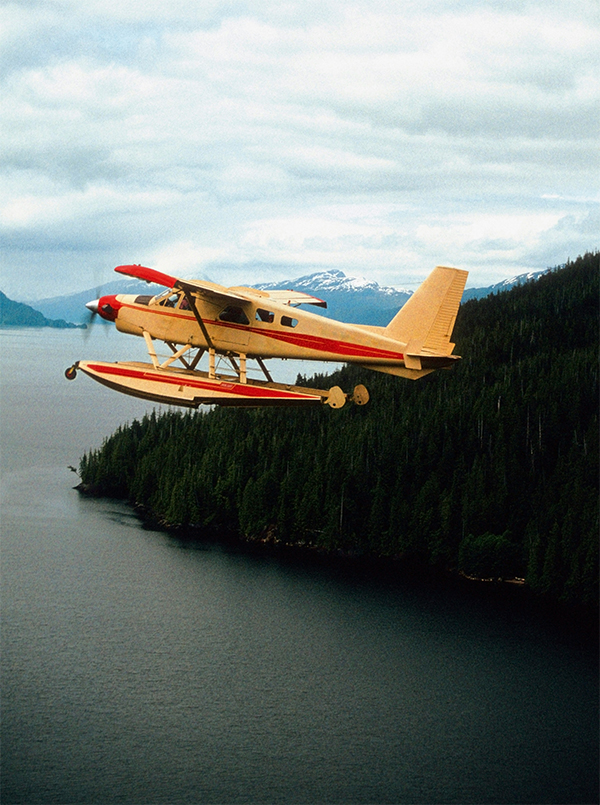
For tighter itineraries, we offer a full-day bush plane trip from Chitina, with no physical effort required. The flight climbs the Copper River Valley and flies over the glaciers before landing in McCarthy, a small pioneer town at the end of the strip. A shuttle then takes you to Kennecott, the restored copper mining town cared for by the National Park Service. After a glacier-facing lunch, a guide leads the tour inside the 14-story concentration mill. The return flight, narrated by the pilot, provides a second perspective on the landscapes.
Note: there is no mobile service in McCarthy or along the road. It’s a true disconnect, something to plan for before departure.
Denali: Trekking Off the Trails with a Nature Guide
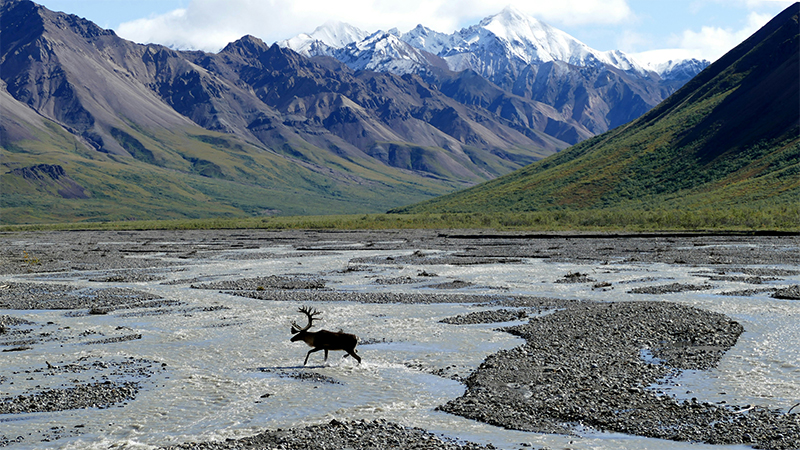
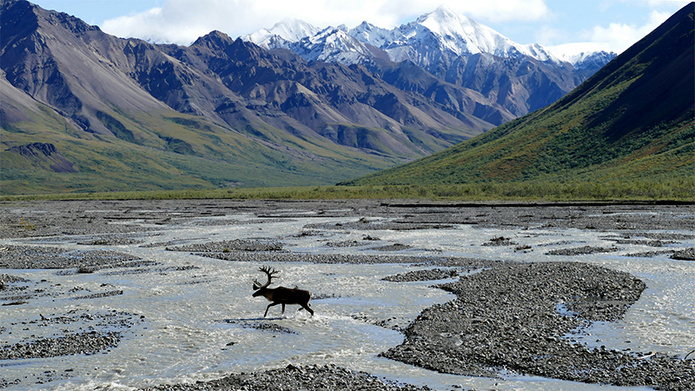
At the park’s edge, walking leaves the marked trails. We push into thick moss, sample blueberries, cranberries, and other wild berries, and learn how permafrost shapes the entire forest. The guide speaks about wildlife, flora, and the history of the indigenous peoples who lived here. The pace remains slow, the experience is sensory, and you never know what you might encounter: moose prints, a ram skull, or giant mushrooms.
The more adventurous may opt for a ridge hike above the treeline, with a stunning view over the Nenana River valley and the peaks of the Alaska Range. For families and the curious, an introduction to forest survival techniques—shelter building and fire-starting without matches—leaves a unique memory.
All guides are trained in first aid for isolated settings, and a portion of the company’s profits funds the protection of the areas we traverse. A way to discover Denali that gives key insights for the rest of the journey, while benefiting the places visited.
How to Present It to Your Clients
Starting from Anchorage, plan for at least 14 days of a self-drive trip to connect Denali, Homer and Wrangell–St. Elias (by small airplane) without rushing. We select independent lodges and chalets, often run by their owners, chosen for their setting and environmental commitments. A 24/7 support service accompanies travelers throughout the stay.
Note: activities are led by English-speaking guides, as French-speaking guides are very rare in Alaska. A basic command of English is enough. All travel preparation, including on-site assistance, is handled in French with our team.