
Long has been, the Australian outdoor tourism resembled the country itself: vast, scattered, and profoundly independent.
A family lodge in the Kimberley, a small shipping company in Queensland, a Red Centre tour operator, a seaside holiday park, or a multi-generational adventure experience all constituted separate suppliers with whom international distributors had to negotiate separately.
This landscape is undergoing a transformation.
For several years, four groups have been building ever stronger positions across the various components of Australian nature tourism.
They do not target exactly the same clientele nor offer identical products. Yet their logic converges : to weave more experiences, to command a larger share of the customer journey, and to possess portfolios broad enough to influence both national and international distribution.
G’day Group commands an increasing share of regional accommodation. Journey Beyond brings together the iconic big journeys, from rail to resorts.
Experience Co concentrates on scalable, repeatable adventure activities. Intrepid Travel, finally, extends its responsible-travel circuit model toward direct operation of lodges, treks and local operations.
Four strategic territories, yet one and the same consolidation dynamic around Australia’s great outdoors.
A family lodge in the Kimberley, a small shipping company in Queensland, a Red Centre tour operator, a seaside holiday park, or a multi-generational adventure experience all constituted separate suppliers with whom international distributors had to negotiate separately.
This landscape is undergoing a transformation.
For several years, four groups have been building ever stronger positions across the various components of Australian nature tourism.
They do not target exactly the same clientele nor offer identical products. Yet their logic converges : to weave more experiences, to command a larger share of the customer journey, and to possess portfolios broad enough to influence both national and international distribution.
G’day Group commands an increasing share of regional accommodation. Journey Beyond brings together the iconic big journeys, from rail to resorts.
Experience Co concentrates on scalable, repeatable adventure activities. Intrepid Travel, finally, extends its responsible-travel circuit model toward direct operation of lodges, treks and local operations.
Four strategic territories, yet one and the same consolidation dynamic around Australia’s great outdoors.
G’day Group : owning the gateways to the regions
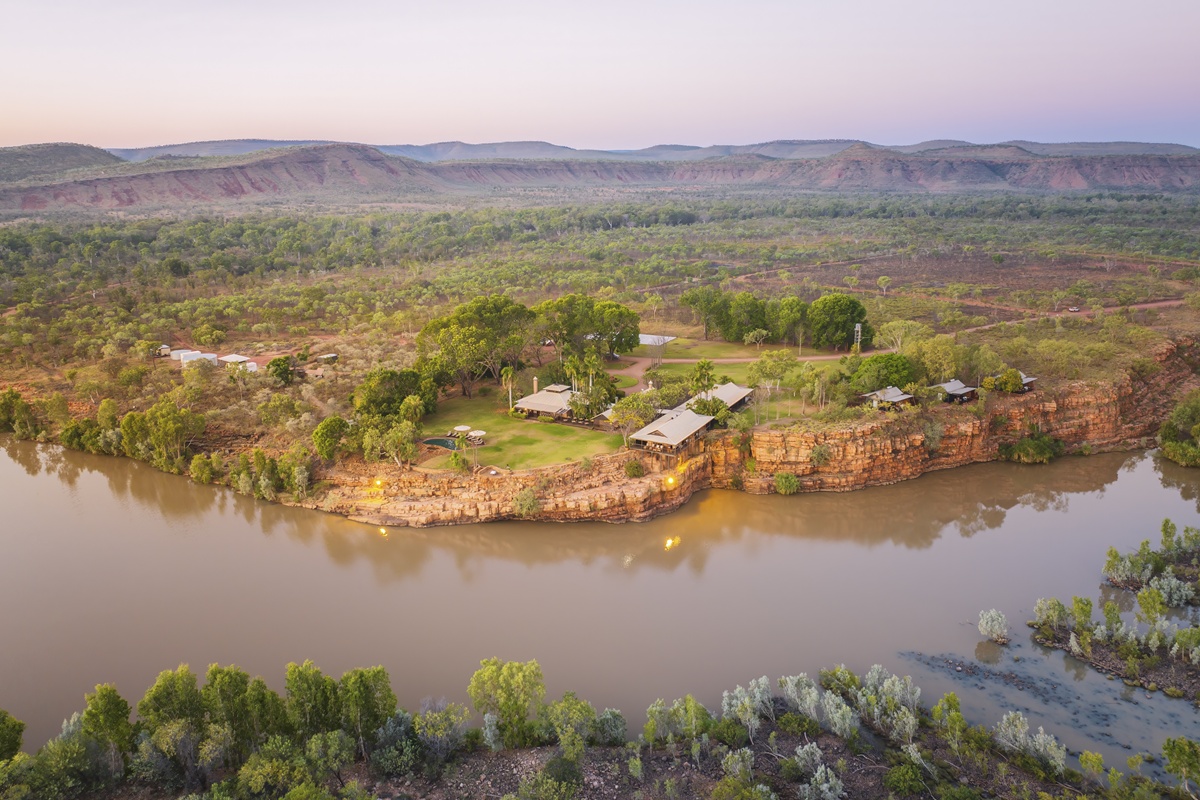
 G’day Group is probably the least known to French professionals, yet one of the most structurally significant players in Australian domestic tourism.
Created in 2004 from three caravan parks in Western Australia by Grant Wilckens, the group has become the leading Australian operator of regional accommodations.
Its portfolio rests on two distinct platforms. Discovery Parks and Resorts brings together more than 85 properties owned or directly operated by the group.
In addition, G’day Parks comprises a network of over 240 independent holiday parks united under a single brand and connected to a common loyalty program, which now counts more than 260,000 members. In total, the ecosystem accounts for over 330 properties nationwide.
Yet the strategy now extends far beyond the traditional caravan park model.
The group has assembled a premium address collection, the Discovery Resorts, separate from camping, located at some of the main entry points to iconic Australian landscapes:
– El Questro and Discovery Resorts – Lake Argyle in the Kimberley,
– Discovery Resorts – Wilpena Pound, the only accommodation inside Ikara–Flinders Ranges National Park,
– McCracken Resort on the Fleurieu Peninsula in South Australia,
– Discovery Resorts – Kings Canyon in the Northern Territory,
– Discovery Resorts – Undara in Queensland,
– Discovery Resorts – Rottnest Island off Perth,
– Discovery Resorts – Cradle Mountain in Tasmania
– and, more recently, Noosa Habitat in Queensland.
The group now claims around AUD 2 billion in real estate assets (nearly EUR 1.2 billion), with the ambition to reach AUD 2.5 billion by the end of 2026, pursuing a strategy blending acquisitions, property renovations, upgrading, and stronger digital marketing.
Because G’day Group does not only own beds. It also owns WikiCamps, one of the major Australian apps devoted to camping and regional travel, as well as Bookeasy (now operating under the name BookIt), a reservation technology used by tourism bodies, and a major loyalty program.
Accommodation, reservations, customer data and digital visibility: the group is gradually building a comprehensive infrastructure around regional travel.
One detail deserves attention for French professionals: G’day Group is majority-owned by Australian Retirement Trust, one of Australia’s large pension funds. The consolidation of regional tourism is thus backed by long‑term domestic capital.
Its objective is clear: to become the main gateway to Australia’s road trips, national parks and regional destinations.
Journey Beyond : linking the icons together
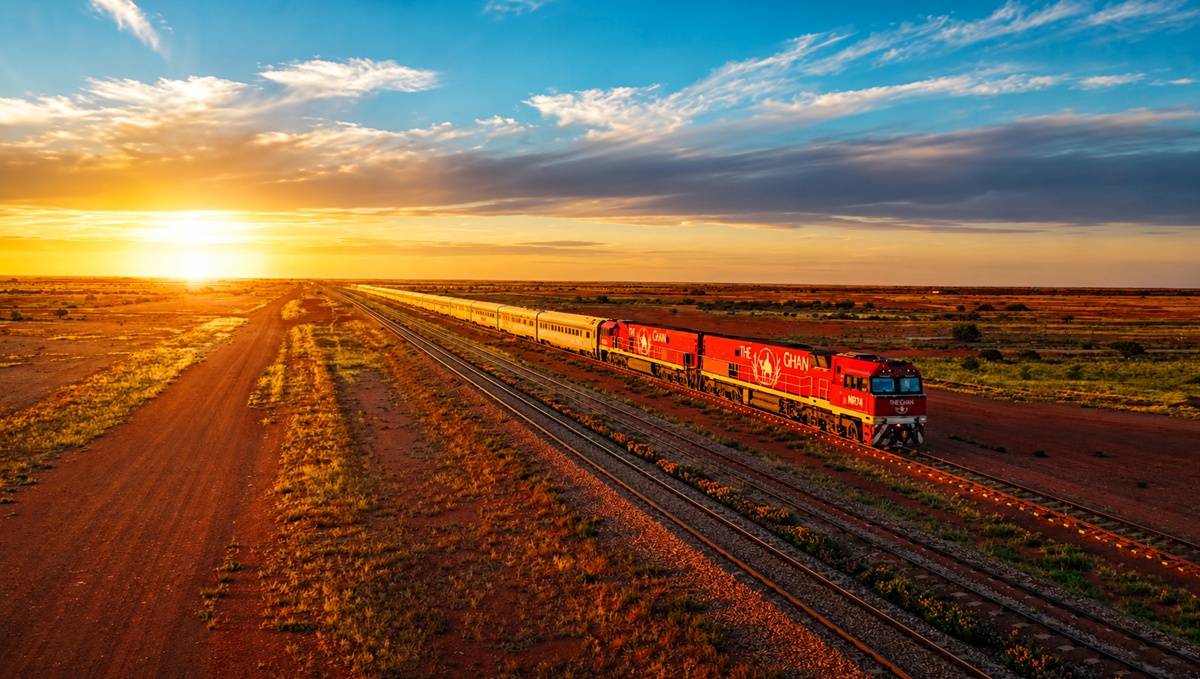
Journey Beyond pursues a distinct strategy.
The group does not seek to cover every region or to multiply standardized accommodations. Instead, it gathers distinctive Australian experiences that are immediately recognizable and capable of becoming, on their own, the reason for a trip.
The Ghan, Indian Pacific, Great Southern and The Overland form the railway backbone of the group. Around these trains have been added cruises, lodges, outback excursions, attractions and maritime experiences.
Based in Adelaide, the group now operates around twenty brands across Australia and New Zealand.
A key detail to understand the dynamics: Journey Beyond was placed under the exclusive control of Crestview Partners, a New York-based investment fund, in 2024, following the restructuring of the American Hornblower group, which had held its capital since its acquisition of Quadrant Private Equity in early 2022 for about AUD 600 million.
The building of this portfolio of Australian icons is therefore steered by American capital, whereas G’day Group is backed by an Australian pension fund. Two different capital models behind the same logic of concentration.
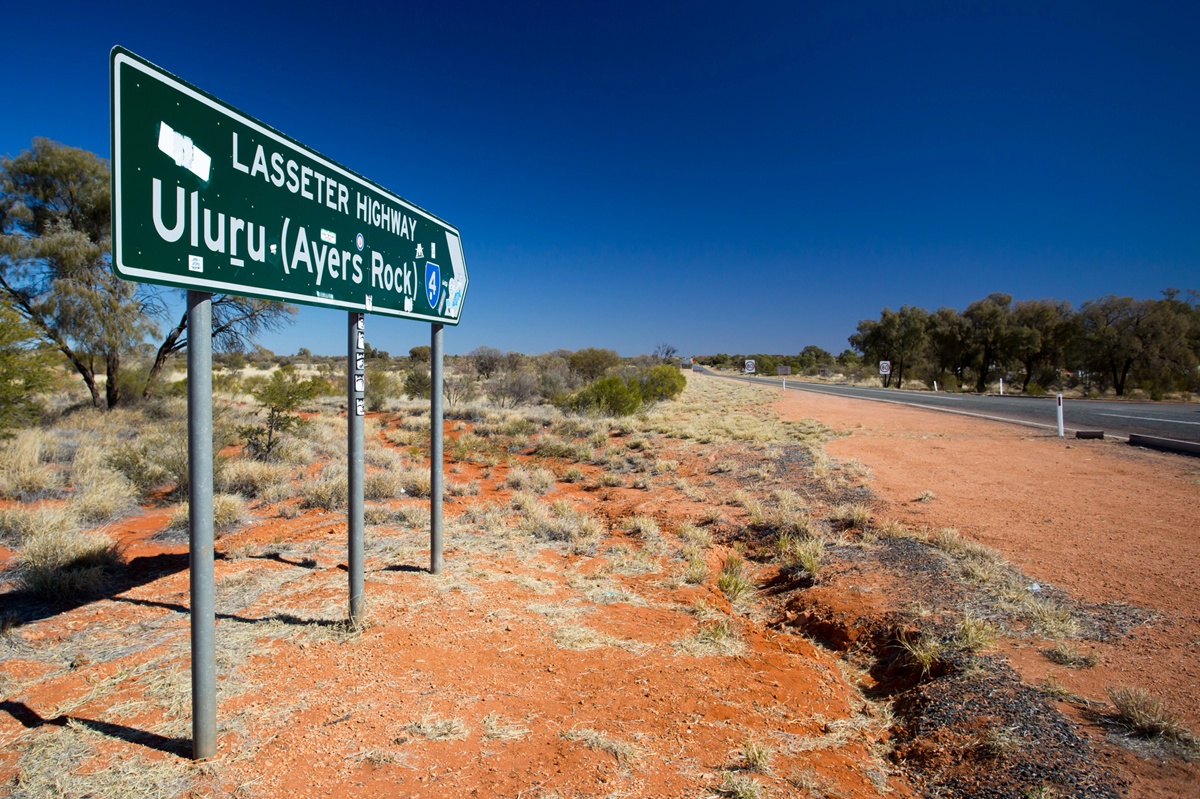
The March 2026 acquisition of Voyages, rebranded as Voyages Tourism Australia, gave it operational control of Ayers Rock Resort at Yulara and of the Mossman Gorge Cultural Centre in northern Queensland.
This operation deserves careful reading, for it is not merely a change of ownership. Conducted with the Indigenous Land and Sea Corporation and with the traditional owners, the Anangu of Yulara and the Kuku Yalanji of Mossman Gorge, the transaction, estimated at around AUD 300 million (about EUR 180 million), includes a gradual return of land to First Nations communities. Journey Beyond manages the assets, but land ownership remains with the traditional owners. The National Indigenous Training Academy at Ayers Rock Resort continues its activities.
Journey Beyond thus no longer simply transports its guests across Australia: it can now host them at the foot of Uluru, offer cultural experiences, take them into the Outback, along the coasts or aboard some of the country’s most famed rail journeys.
The momentum does not stop at Uluru. In early June 2026, after approval from the competition regulator, Journey Beyond completed the acquisition of the Jabiru Crocodile Hotel, at the heart of Kakadu National Park.
This 110-room crocodile-shaped property, previously operated under the Accor Mercure brand, is also located on land leased from the Mirarr traditional owners via the Gundjeihmi Aboriginal Corporation. Two gateways to iconic parks, Uluru and Kakadu, within a few months.
The group also struck an agreement in February 2026 to acquire SeaLink’s tourism portfolio from Kelsian, for AUD 161 million (around EUR 97 million). The deal, still subject to regulatory approvals and expected in the second half of 2026, includes SeaLink and Captain Cook Cruises activities on Sydney Harbour, in Perth, in the Whitsundays, on Bruny Island in Tasmania and in Darwin, as well as Kingfisher Bay Resort and K’gari Beach Resort, the Murray Princess and Adelaide Sightseeing.
This acceleration prompted a reorganization: in May 2026 Journey Beyond regrouped its brands into three divisions: Rail & Touring (the railway and tours, including Outback Spirit), Resorts & Lodges (experiential accommodation, from Ayers Rock Resort to Sal Salis Ningaloo Reef), and Experiences & Attractions (maritime, aviation and attractions—from Cruise Whitsundays to Melbourne Skydeck).
The group aims to double its size by the end of 2026. Journey Beyond itself summarizes the strategy: “to enable the traveler to move from rail to reef, from river to resort, and from city to sea within a single portfolio“.
Journey Beyond no longer sells only premium products. The group is gradually assembling a complete Australian itinerary around a selection of national icons.
The group does not seek to cover every region or to multiply standardized accommodations. Instead, it gathers distinctive Australian experiences that are immediately recognizable and capable of becoming, on their own, the reason for a trip.
The Ghan, Indian Pacific, Great Southern and The Overland form the railway backbone of the group. Around these trains have been added cruises, lodges, outback excursions, attractions and maritime experiences.
Based in Adelaide, the group now operates around twenty brands across Australia and New Zealand.
A key detail to understand the dynamics: Journey Beyond was placed under the exclusive control of Crestview Partners, a New York-based investment fund, in 2024, following the restructuring of the American Hornblower group, which had held its capital since its acquisition of Quadrant Private Equity in early 2022 for about AUD 600 million.
The building of this portfolio of Australian icons is therefore steered by American capital, whereas G’day Group is backed by an Australian pension fund. Two different capital models behind the same logic of concentration.
The March 2026 acquisition of Voyages, rebranded as Voyages Tourism Australia, gave it operational control of Ayers Rock Resort at Yulara and of the Mossman Gorge Cultural Centre in northern Queensland.
This operation deserves careful reading, for it is not merely a change of ownership. Conducted with the Indigenous Land and Sea Corporation and with the traditional owners, the Anangu of Yulara and the Kuku Yalanji of Mossman Gorge, the transaction, estimated at around AUD 300 million (about EUR 180 million), includes a gradual return of land to First Nations communities. Journey Beyond manages the assets, but land ownership remains with the traditional owners. The National Indigenous Training Academy at Ayers Rock Resort continues its activities.
Journey Beyond thus no longer simply transports its guests across Australia: it can now host them at the foot of Uluru, offer cultural experiences, take them into the Outback, along the coasts or aboard some of the country’s most famed rail journeys.
The momentum does not stop at Uluru. In early June 2026, after approval from the competition regulator, Journey Beyond completed the acquisition of the Jabiru Crocodile Hotel, at the heart of Kakadu National Park.
This 110-room crocodile-shaped property, previously operated under the Accor Mercure brand, is also located on land leased from the Mirarr traditional owners via the Gundjeihmi Aboriginal Corporation. Two gateways to iconic parks, Uluru and Kakadu, within a few months.
The group also struck an agreement in February 2026 to acquire SeaLink’s tourism portfolio from Kelsian, for AUD 161 million (around EUR 97 million). The deal, still subject to regulatory approvals and expected in the second half of 2026, includes SeaLink and Captain Cook Cruises activities on Sydney Harbour, in Perth, in the Whitsundays, on Bruny Island in Tasmania and in Darwin, as well as Kingfisher Bay Resort and K’gari Beach Resort, the Murray Princess and Adelaide Sightseeing.
This acceleration prompted a reorganization: in May 2026 Journey Beyond regrouped its brands into three divisions: Rail & Touring (the railway and tours, including Outback Spirit), Resorts & Lodges (experiential accommodation, from Ayers Rock Resort to Sal Salis Ningaloo Reef), and Experiences & Attractions (maritime, aviation and attractions—from Cruise Whitsundays to Melbourne Skydeck).
The group aims to double its size by the end of 2026. Journey Beyond itself summarizes the strategy: “to enable the traveler to move from rail to reef, from river to resort, and from city to sea within a single portfolio“.
Journey Beyond no longer sells only premium products. The group is gradually assembling a complete Australian itinerary around a selection of national icons.
Experience Co : refocusing on reproducible adrenaline
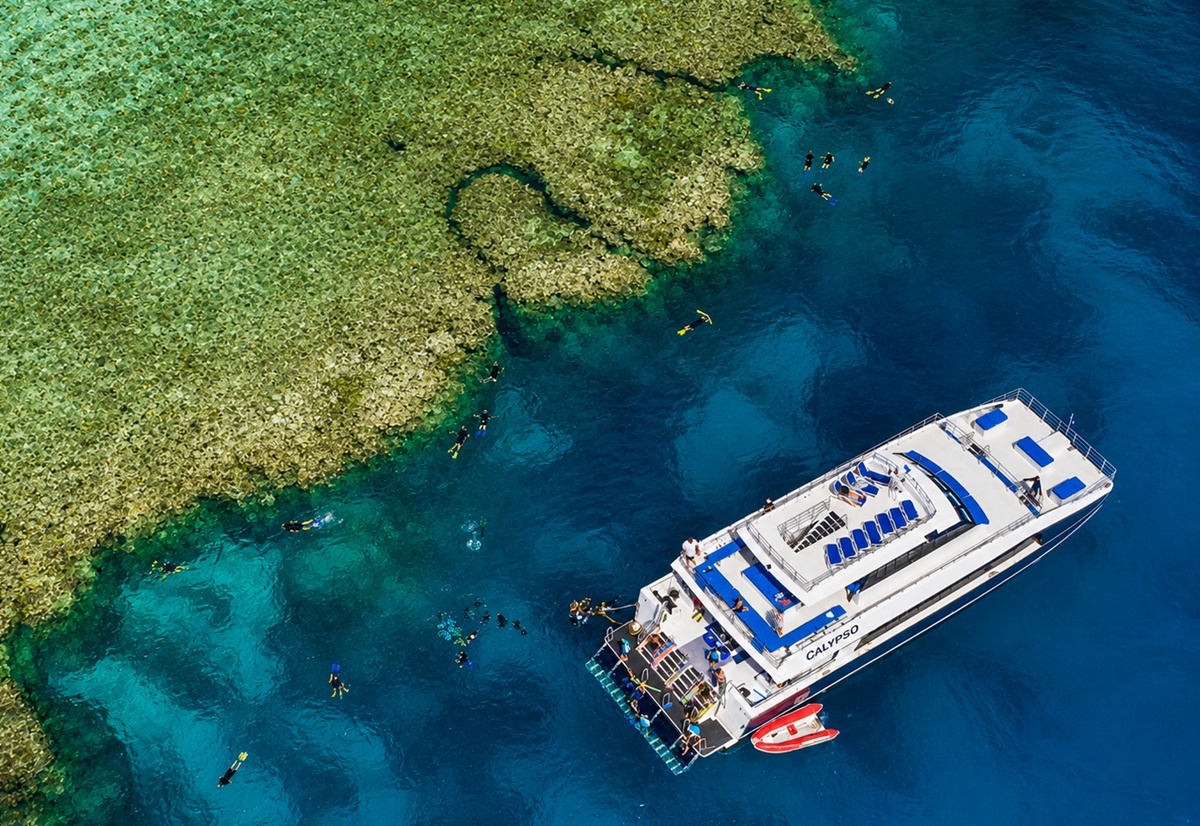
Experience Co represents the most specialized model of the quartet.
Listed on the Australian Securities Exchange (ASX: EXP), the company has developed around adventure experiences and bucket-list activities, those must-do experiences travelers want to tick off: skydiving, Great Barrier Reef tours, diving, maritime excursions, tree-top adventures and airborne escapades.
Skydive Australia stands as one of the group’s pillars. Reef Unlimited brings together its main maritime activities launched from Cairns and Port Douglas, while Treetops Adventure builds canopy courses and zip-lines across several Australian regions.
In the first half of 2026, the group reported revenue from continuing operations of AUD 67.5 million (about EUR 40 million), up 5%, in a context of pressured results that led it to launch a strategic review of its skydiving business.
The sale of Wild Bush Luxury to Intrepid Travel clearly illustrates this repositioning. Wild Bush Luxury brought together several prestigious assets: Arkaba Homestead and Arkaba Walk in the Flinders Ranges, Bamurru Plains in the Northern Territory, and The Maria Island Walk in Tasmania.
For an estimated AUD 5.1 million (about EUR 3 million), announced in December 2025 and effective in February 2026, Experience Co chose to divest these experiences in order to focus its resources on three divisions deemed more easily scalable: skydiving and aviation, Great Barrier maritime activities, and Treetops Adventure.
The company is therefore no longer seeking to own all forms of nature-based travel. It specializes in identifiable experiences, bookable in a few clicks and reproducible across multiple sites.
Its scope is not that of a full stay, but of the moments a traveler absolutely wants to live.
Listed on the Australian Securities Exchange (ASX: EXP), the company has developed around adventure experiences and bucket-list activities, those must-do experiences travelers want to tick off: skydiving, Great Barrier Reef tours, diving, maritime excursions, tree-top adventures and airborne escapades.
Skydive Australia stands as one of the group’s pillars. Reef Unlimited brings together its main maritime activities launched from Cairns and Port Douglas, while Treetops Adventure builds canopy courses and zip-lines across several Australian regions.
In the first half of 2026, the group reported revenue from continuing operations of AUD 67.5 million (about EUR 40 million), up 5%, in a context of pressured results that led it to launch a strategic review of its skydiving business.
The sale of Wild Bush Luxury to Intrepid Travel clearly illustrates this repositioning. Wild Bush Luxury brought together several prestigious assets: Arkaba Homestead and Arkaba Walk in the Flinders Ranges, Bamurru Plains in the Northern Territory, and The Maria Island Walk in Tasmania.
For an estimated AUD 5.1 million (about EUR 3 million), announced in December 2025 and effective in February 2026, Experience Co chose to divest these experiences in order to focus its resources on three divisions deemed more easily scalable: skydiving and aviation, Great Barrier maritime activities, and Treetops Adventure.
The company is therefore no longer seeking to own all forms of nature-based travel. It specializes in identifiable experiences, bookable in a few clicks and reproducible across multiple sites.
Its scope is not that of a full stay, but of the moments a traveler absolutely wants to live.
Four strategies, one integrated approach
What room for independents?
This consolidation does not spell the end of Australian independent tourism.
The country remains vast and its regions continue to give rise to guidebooks, accommodations, family-run businesses, and highly specialized experiences. But independents are now operating alongside groups capable of mastering product, marketing, distribution, technology, and customer relationships all at once.
The question is not whether to choose between large groups and small outfits. It is whether international distribution will keep seeking diversity, or whether the buying simplicity will gradually steer itineraries toward a smaller number of portfolios.
For French professionals, understanding who owns what in Australia is no longer merely an economic curiosity. It has become a prerequisite for understanding where travel value is headed, who controls the most emblematic experiences, and where the room to maneuver now lies.
Because that is precisely where it matters: in customization, in the ability to step outside the integrated catalogs to reach the small producer, the independent accommodation, the experience that major portfolios do not reference.
This value cannot be bought off the shelf. It is built through a keen knowledge of the field, to craft a truly singular itinerary.
The Australian outdoors still looks vast. Its market, however, is tightening. It is precisely here that fine knowledge of the terrain retains its value.
The more portfolios concentrate, the more useful it becomes for French professionals to know lesser-known regions, the Outback, independent products and detours that make an itinerary stand out. Understanding consolidation is not about resigning to it. It is about choosing better and continuing to offer an Australia that is not defined by a handful of brands.
The country remains vast and its regions continue to give rise to guidebooks, accommodations, family-run businesses, and highly specialized experiences. But independents are now operating alongside groups capable of mastering product, marketing, distribution, technology, and customer relationships all at once.
The question is not whether to choose between large groups and small outfits. It is whether international distribution will keep seeking diversity, or whether the buying simplicity will gradually steer itineraries toward a smaller number of portfolios.
For French professionals, understanding who owns what in Australia is no longer merely an economic curiosity. It has become a prerequisite for understanding where travel value is headed, who controls the most emblematic experiences, and where the room to maneuver now lies.
Because that is precisely where it matters: in customization, in the ability to step outside the integrated catalogs to reach the small producer, the independent accommodation, the experience that major portfolios do not reference.
This value cannot be bought off the shelf. It is built through a keen knowledge of the field, to craft a truly singular itinerary.
The Australian outdoors still looks vast. Its market, however, is tightening. It is precisely here that fine knowledge of the terrain retains its value.
The more portfolios concentrate, the more useful it becomes for French professionals to know lesser-known regions, the Outback, independent products and detours that make an itinerary stand out. Understanding consolidation is not about resigning to it. It is about choosing better and continuing to offer an Australia that is not defined by a handful of brands.
Sébastien Cros
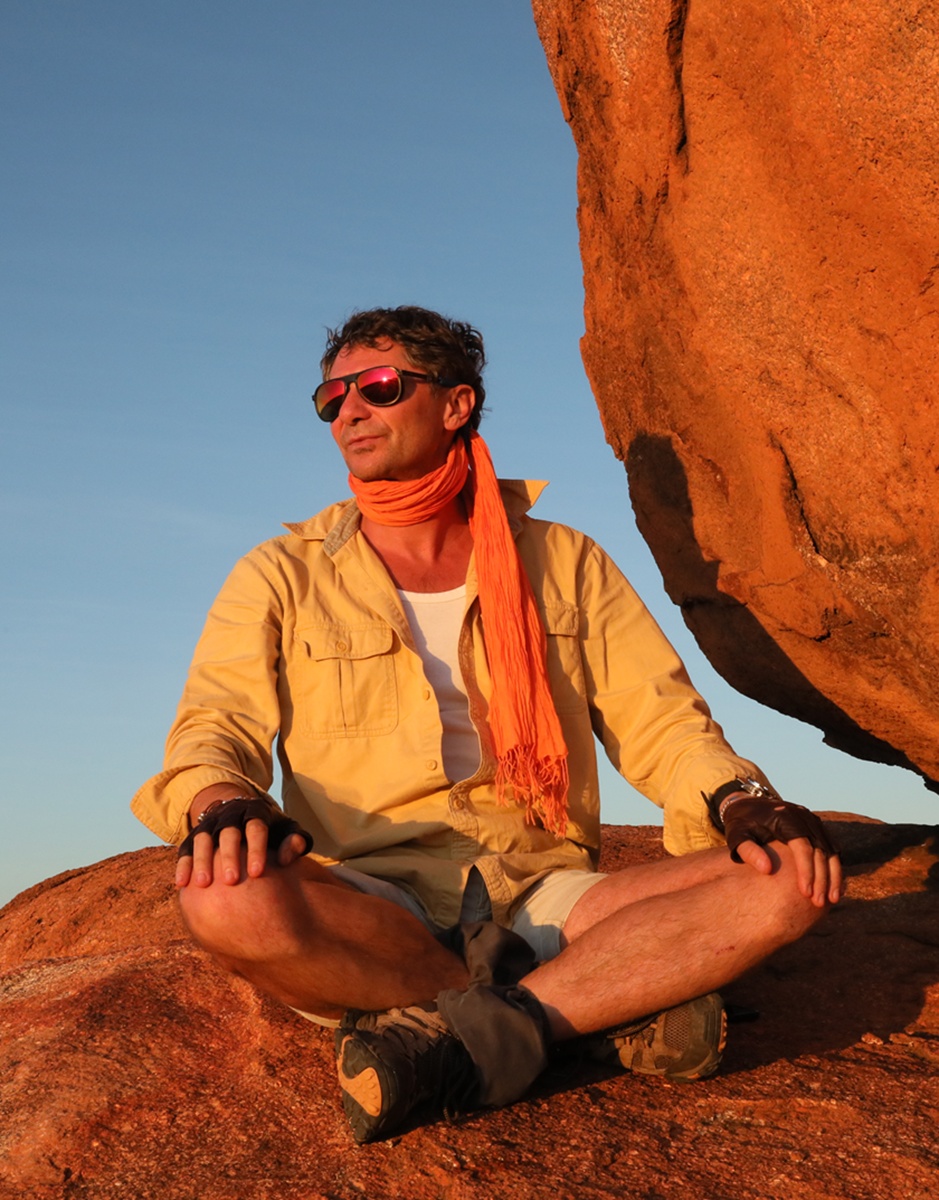
Sébastien Cros is an independent journalist and photographer based in Australia, founder of WeTravelAustralia™.
After twenty-five years in the Australian travel industry, notably as Managing Director of Across Australia (Goway group), he now dedicates his writing to editorial pieces focused on the destination, at the crossroads of storytelling, photography, and on-the-ground perspective.
After twenty-five years in the Australian travel industry, notably as Managing Director of Across Australia (Goway group), he now dedicates his writing to editorial pieces focused on the destination, at the crossroads of storytelling, photography, and on-the-ground perspective.