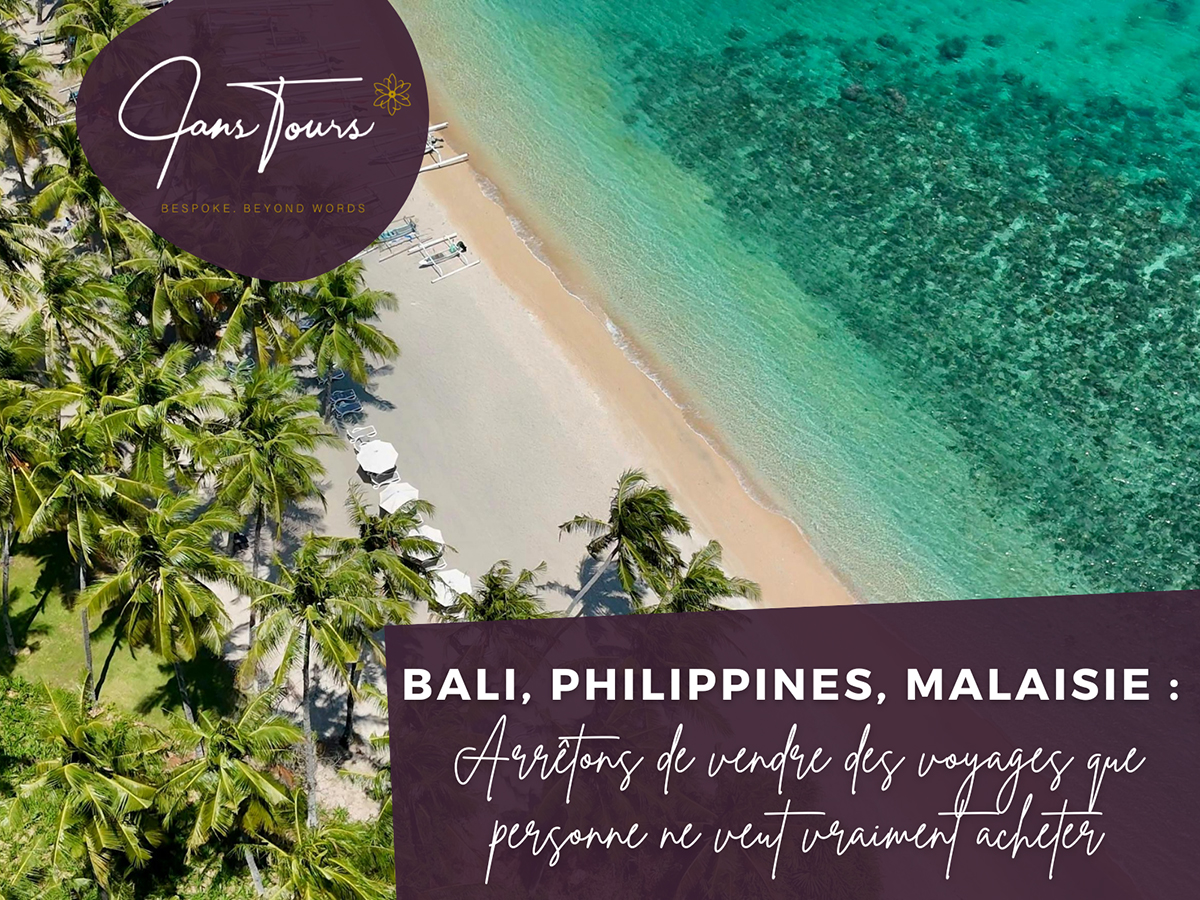


Bali: the destination everyone already feels they’ve seen before departure
Bali has become a case study.
Everyone markets it. Everyone knows it. Everyone thinks they know it.
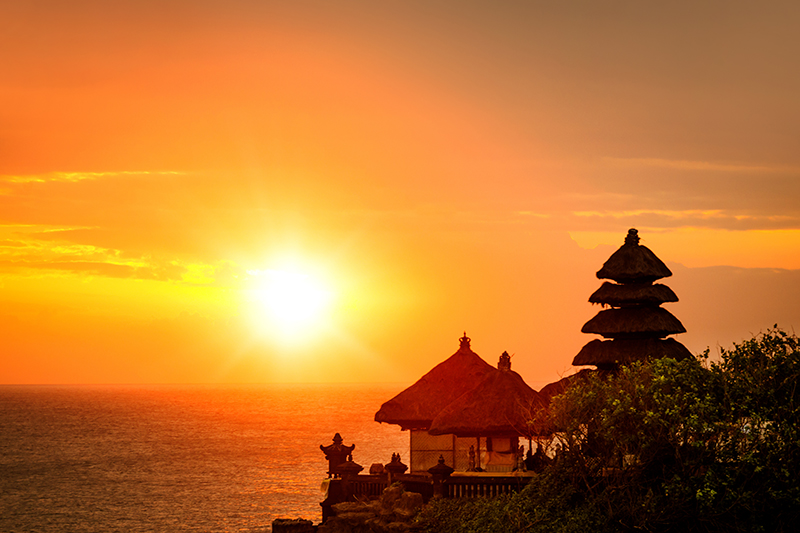
Before even booking a ticket, travelers have already watched hundreds of videos of Ubud, photos of the Tegalalang rice terraces, sunsets at Uluwatu, and infinity pools on Instagram.
The real challenge isn’t to introduce Bali anymore.
The challenge is to restore Bali’s ability to surprise.
Today, the main obstacle to selling isn’t price or competition. It’s the illusion of knowledge.
The client arrives with a preconstructed image of the destination. An image often idealized, sometimes distorted, but above all extremely precise.
In response to this, many offers keep piling up the same steps, the same excursions, and the same sales pitches.
Result: programs become interchangeable.
Yet Bali remains one of Asia’s richest destinations. But its value no longer lies solely in the places visited. It lies in how we reveal them to visitors.
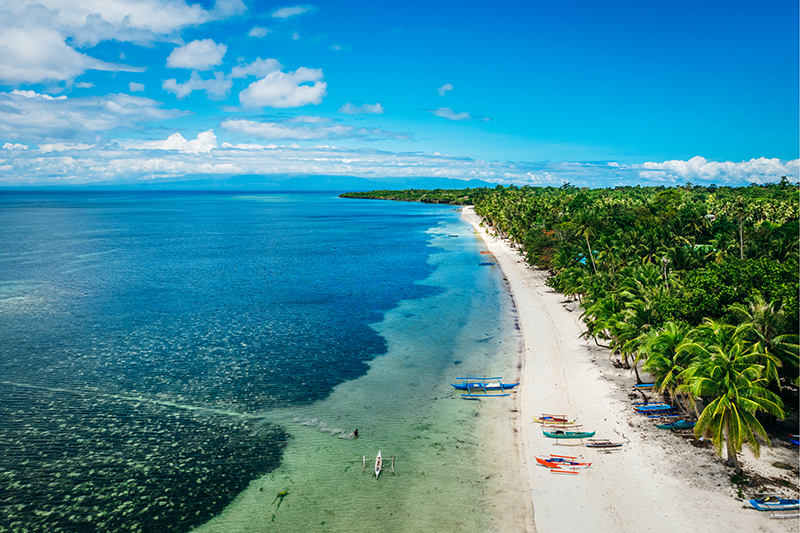
Philippines: an extraordinary product that defies standards
Everyone agrees on the country’s exceptional beauty. Yet it remains often harder to sell than other, less spectacular destinations.
Why?
Because we still try to fit it into marketing schemes that don’t suit it.
The Philippines is not a classic circuit.
It isn’t a destination told through a logical sequence of steps.
It is an archipelago of more than 7,000 islands where each region possesses its own identity, its own rhythm, and its own personality.
Palawan isn’t Bohol.
Bohol isn’t Siargao.
Siargao isn’t Cebu.
And it is precisely this diversity that gives the country its strength.
Travelers don’t come solely for beaches or lagoons. They come seeking a sense of perpetual discovery, exploration, and freedom.
As long as the Philippines is sold as a simple beach circuit, it will remain commercially underexploited.
The destination isn’t complicated.
It’s our way of presenting it that has become so.
Malaysia: the most rational destination… therefore the least told
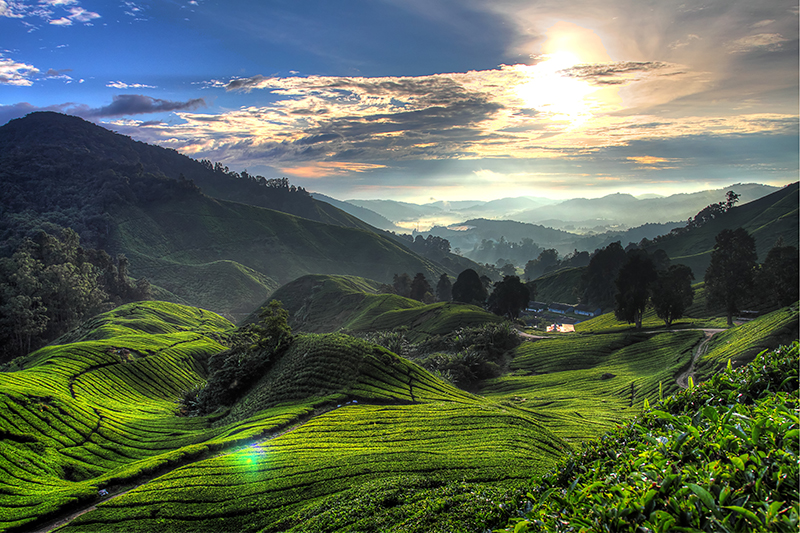
It may be the most complete destination in Southeast Asia.
It is modern.
It is accessible.
It is multicultural.
It has excellent infrastructure.
It blends modern cities, historic heritage, tropical nature, and beaches.
On paper, everything seems perfect.
And yet, it often remains in the shadows of its neighbors.
Why?
Because it generates fewer immediate fantasies.
In a world ruled by imagery, destinations that grab attention are often those that tell the simplest stories.
Bali evokes wellness.
The Philippines evokes paradise.
Malaysia, by contrast, is more subtle.
It demands more storytelling.
It demands more explanations.
It demands more staging.
Malaysia isn’t underestimated by travelers.
It is under-told by the market.
The real topic: clients no longer buy destinations
Today, this model is showing its limits.
Travelers don’t buy just a destination anymore.
They buy a projection.
They buy a future emotion.
They buy a story they will want to tell when they return.
They buy a sense of freedom.
They buy a feeling of exclusivity.
They buy the impression of living something that resembles them.
And that is precisely where the current misalignment lies.
A large portion of the tourism offering continues to describe itineraries while travelers seek experiences.
We keep selling kilometers while clients want memories.
We keep selling hotels while they seek emotions.


Deputy Director France
+ 33 6 70 54 20 63
+ 33 1 61 30 30 06
[email protected]
jans.tours
>> JANS TOURS in the DESTIMAG Directory