Economic Situation


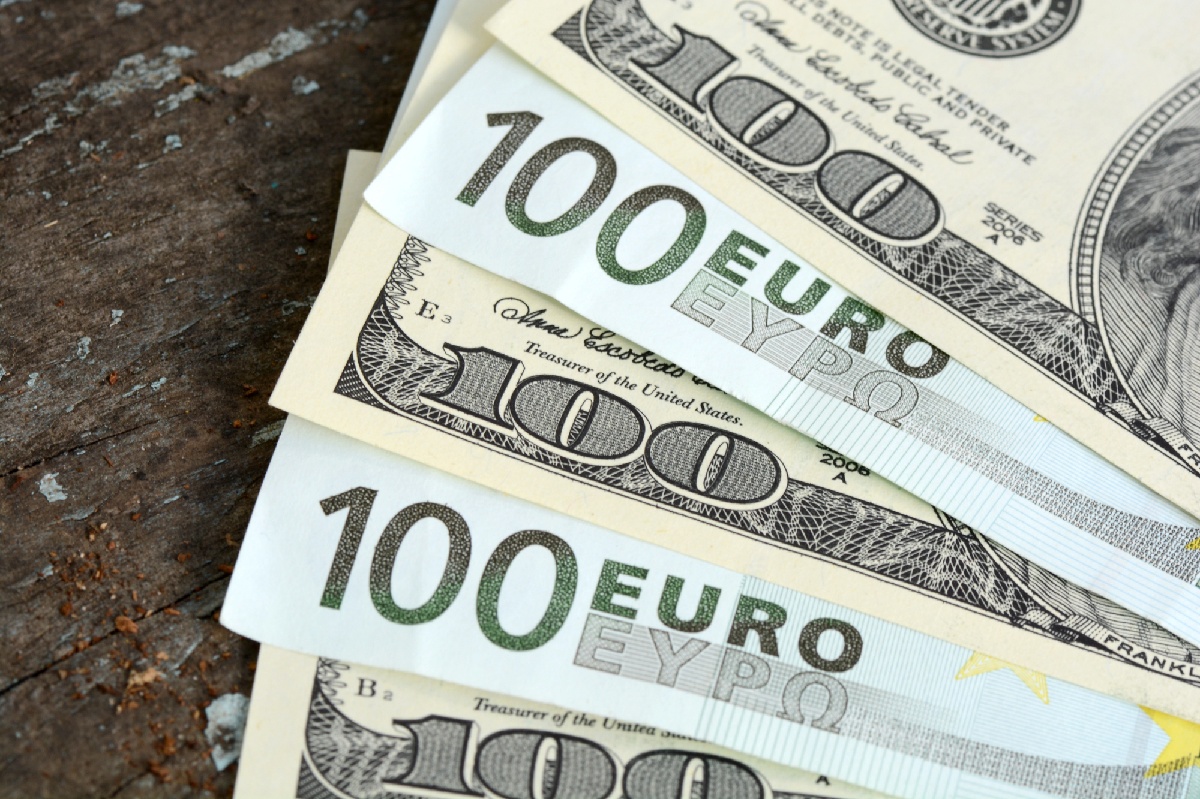
Prices rose by 3.7% in a year in the United States in September, after 3.4% in August, and the American currency nevertheless lost ground. The reference rate published by the European Central Bank set one euro at 1.1253 dollars on Friday, i.e. 0.42% higher than seven days earlier. Dollar-denominated services, including North American hotels and cruises, have therefore eased slightly.
This acceleration is almost entirely due to gasoline, whose price jumped by 9.1% in a month: by itself it explains more than half of the rise. Excluding energy and food, the year-over-year increase stands at 2.6%. The U.S. Federal Reserve, the Fed, can therefore wait before another rate hike, allowing time to ensure that expensive fuel does not push up other prices.
Investors reassessed this in three days. On Wednesday, they were still assigning roughly a 50% chance of a rate increase on October 28. Several Fed officials then judged there was no urgency, and Kevin Warsh, who leads the institution, did not want to reveal the decision in advance on Friday. The probability fell back to around 15%, and lower expected rates make the dollar less attractive.
The American stock market did the rest. Technology stocks fell 4.5% in a week and distrust spread to the bonds financing data centers. Investors sought refuge in U.S. government debt, not in the country’s currency.
Crude oil rose 4.9%: Europe, which buys its energy abroad, loses on this, but expensive energy makes a December European rate hike more likely, supporting the euro. The dollar, in our view, can still weaken if this American credit malaise persists; it would rise if it spread worldwide.
Exchange Rates: The Technical Update
 The euro is losing ground this Monday morning against each of the currencies we track, likely due to the violence that erupted during the French demonstrations.
It trades at 0.9253 Swiss francs, 0.8421 pounds, 1.1225 dollars and 1.5847 Canadian dollars. In addition, 177.47 yen are required to buy one euro. Last week, the euro had already fallen 0.45% against the pound and 0.44% against the franc: it is not strong, it is the dollar that has weakened.
We anticipate the European currency moving from 1.1105 to 1.1350 dollars by Friday. The lower bound assumes France borrows more expensively before Moody’s rating review, while the upper bound assumes the American credit strain worsens without spreading to other countries. Four central banks are due to speak next week, and inactivity dominates: a US hold is deemed likely at 84% by markets, and among 73 economists surveyed by Reuters, 70 expect no change on the European side. It is therefore better to stagger dollar purchases rather than committing everything before these meetings.
South Africa, entering its peak season, leaves little room for European buyers. The rand stood around 16.44 per dollar on Friday, up 0.3% for the day, supported by gold and platinum prices, the country’s two main exports. The dollar, for its part, recorded its first weekly decline in five weeks. It now takes about 18.5 rands to buy one euro, slightly less than at the start of September. A safari or a Cape Town circuit priced in rands yields no additional margin on departures already sold.
| WEEKLY SUPPORTS | WEEKLY RESISTANCES | |||
| S2 | S1 | R1 | R2 | |
| EUR/USD | 1,1105 | 1,1150 | 1,1270 | 1,1350 |
| EUR/GBP | 0,8340 | 0,8385 | 0,8460 | 0,8505 |
| EUR/CHF | 0,9170 | 0,9210 | 0,9300 | 0,9340 |
| EUR/CAD | 1,5730 | 1,5780 | 1,5945 | 1,6020 |
| EUR/JPY | 175,70 | 176,60 | 178,40 | 179,30 |
The supports and resistances shown below indicate, respectively, the low and high points within which prices are expected to move during the week.
The information presented in this publication is provided purely for informational purposes and does not constitute investment advice, nor a sales offer, nor a purchase solicitation, and should in no case be used as a basis or be considered as an incentive to engage in any investment.
Mondial Change is a French financial institution, founded in 2015, specializing in the management of international payments and exchange risk.
Mondial Change also supports numerous tourism sector players, travel agencies, group organizers, tour operators, and incoming operators…
www.mondialchange.com
Contact : [email protected]
Mondial Change also supports numerous tourism sector players, travel agencies, group organizers, tour operators, and incoming operators…
www.mondialchange.com
Contact : [email protected]