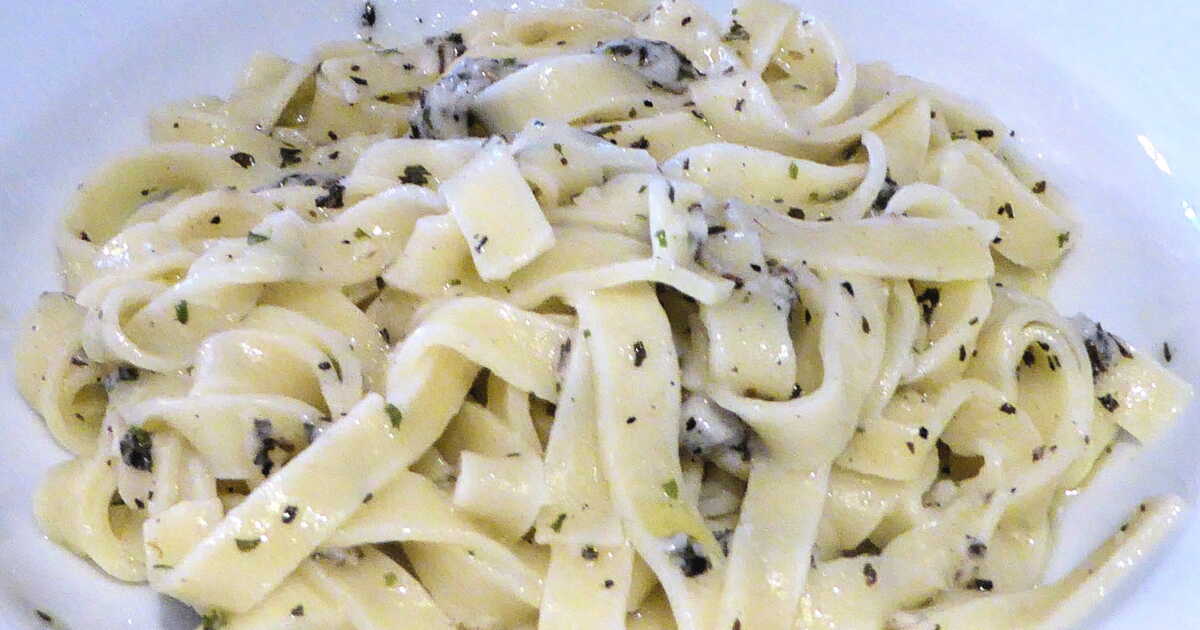
In Rome, a new scene captures visitors’ attention: behind the windows of some restaurants, women shape fresh pasta by hand before the eyes of passersby. The spectacle is photogenic, perfectly suited for social networks, and seems to check all the boxes of the Italian experience tourists dream of.
Yet, this trend, which sits within the widely popular “nonnamaxxing” phenomenon among Gen Z, mainly fuels suspicion among many Romans. For several industry professionals, these establishments have even become a new indicator for spotting tourist traps in the heart of the Italian capital.
Pasta Prepared in Front of Passersby
The principle is simple: set a woman behind a storefront window facing the street and film or photograph her as she rolls out, cuts, and shapes fresh pasta. Onlookers can thus observe the preparation of their upcoming meal even before stepping through the restaurant door. A staging that perfectly matches the expectations of travelers seeking typically Italian images to post on Instagram or TikTok.
The phenomenon fits into a broader trend nicknamed “nonnamaxxing.” The term denotes a recent fascination with the lifestyle associated with Italian grandmothers, namely cooking at home, gardening, knitting, or taking breaks away from screens. In Rome, this desire to imitate the “nonna” takes on a commercial turn.
For Michele Pascarella, a Neapolitan chef based in London and owner of Napoli on the Road, this setup has nothing to do with a tradition of Italian restaurants. “I have never seen real restaurants in Italy exposing people at their windows making pasta”, he told the British newspaper Metro. According to him, when a venue adopts this practice, it is usually more of a display for visitors than a sign of authenticity. “And if a place does it, it’s usually more of a kitschy tourist trap than an authentic restaurant”, he says.
Sophie Minchilli, cofounder of the Via Rosa Italy gastronomy tours company, is even harsher. “It’s literally like a zoo. It’s probably homemade and delicious, but it’s wrong”, she told the Washington Post.
In Rome, Image Does Not Guarantee a Good Address
On social media, reactions are far from unanimous. Some internet users fault these restaurants for turning a traditional culinary practice into marketing fodder. “Yes, making pasta is Italian culture, but this moves from culture to gadget to attract customers”, writes one Instagram user.
Another user explains on social media his strategy when he travels: “I would never do that. Every time I travel, I set out to avoid tourist traps”. A mistrust especially strong in the historic center of Rome, where the crowds already turn certain spots into attractions in their own right.
A resident sums up this difference in behavior with a blunt line: “Romans will queue for good food. Tourists queue where Instagram tells them to wait”. Another laments a development “sad and mass-produced”, while acknowledging that most restaurants in Rome’s historic center are already heavily frequented by tourists.
Yet, the trend does not mean that all restaurants displaying their preparations behind a window serve poor cuisine. Osteria da Fortunata, one of the addresses that began staging pasta preparation behind its windows, continues to receive very positive reviews. An Instagram post described it this way: “Before Rome had viral pasta videos, there was Osteria da Fortunata”. The restaurant is portrayed as an unpretentious place, relying on “incredible ingredients, recipes passed down through generations” and pasta so good that it makes you want to return.
The presence of a “nonna” at the window is therefore not enough to condemn an address. But in Rome, perhaps it is wiser to look beyond the spectacle. Sometimes the best cue to a good restaurant lies precisely in the absence of staging.