From Activity to Experience


The MICE industry has always sought to create collective moments capable of pulling participants out of their everyday lives. Yet the pursuit of novelty has sometimes led to multiplying activities designed primarily to surprise.
A trend is emerging today: to draw more from the destination itself to build the program. Its inhabitants, its know-how, its local initiatives, and its environment then become the starting point for a moment conceived for the group.
It is not about replacing the major classics of corporate travel, but giving them a new dimension. A visit can become a meeting, a challenge can guide participants to discover a territory in a different way, and an activity can be integrated directly into local life.
The participant is no longer merely a spectator: they take part in the experience.
Bringing Teams into Local Life
This evolution resonates particularly in Asia, where the diversity of cultures and ways of living provides a rich canvas for crafting these itineraries.
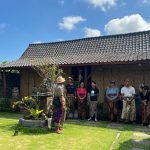
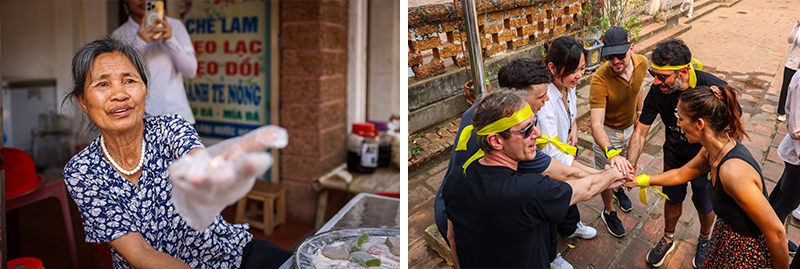
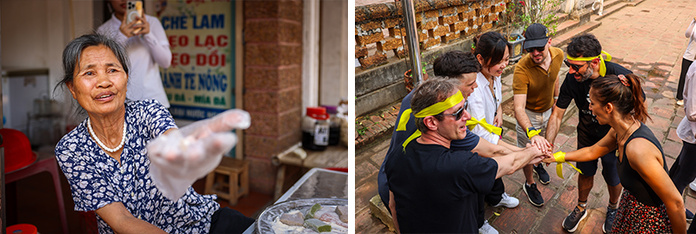
In Bali, an orienteering course can lead teams into the heart of a village, with challenges that bring them to meet residents and discover their daily life. In India, a community kitchen invites participants to help prepare meals in a Sikh temple and to meet the people who sustain the place. In other destinations, the same philosophy can be expressed through farming activities, the discovery of a craft, or an activity run directly with a local community.
In all these cases, the activity becomes mainly a pretext to connect with the territory and with those who bring it to life.
In Bali, an orienteering course can lead teams into the heart of a village, with challenges that bring them to meet residents and discover their daily life. In India, a community kitchen invites participants to help prepare meals in a Sikh temple and to meet the people who sustain the place. In other destinations, the same philosophy can be expressed through farming activities, the discovery of a craft, or an activity run directly with a local community.
In all these cases, the activity becomes mainly a pretext to connect with the territory and with those who bring it to life.
The Challenge: Finding the Right Balance
However, immersion does not mean turning every MICE activity into a fully engaged experience. Companies continue to seek pleasure, sociability, and moments of celebration.
The goal is rather to find the right balance between the different phases of the journey. A day can combine cultural discovery, relaxation, and participation in local life. This latter element adds an extra dimension without necessarily becoming the sole guiding thread.
For agencies, this flexibility also allows these formats to be integrated into very different programs, depending on the destination, the group profile, and the voyage’s objectives.
The goal is rather to find the right balance between the different phases of the journey. A day can combine cultural discovery, relaxation, and participation in local life. This latter element adds an extra dimension without necessarily becoming the sole guiding thread.
For agencies, this flexibility also allows these formats to be integrated into very different programs, depending on the destination, the group profile, and the voyage’s objectives.
The Key Role of DMCs
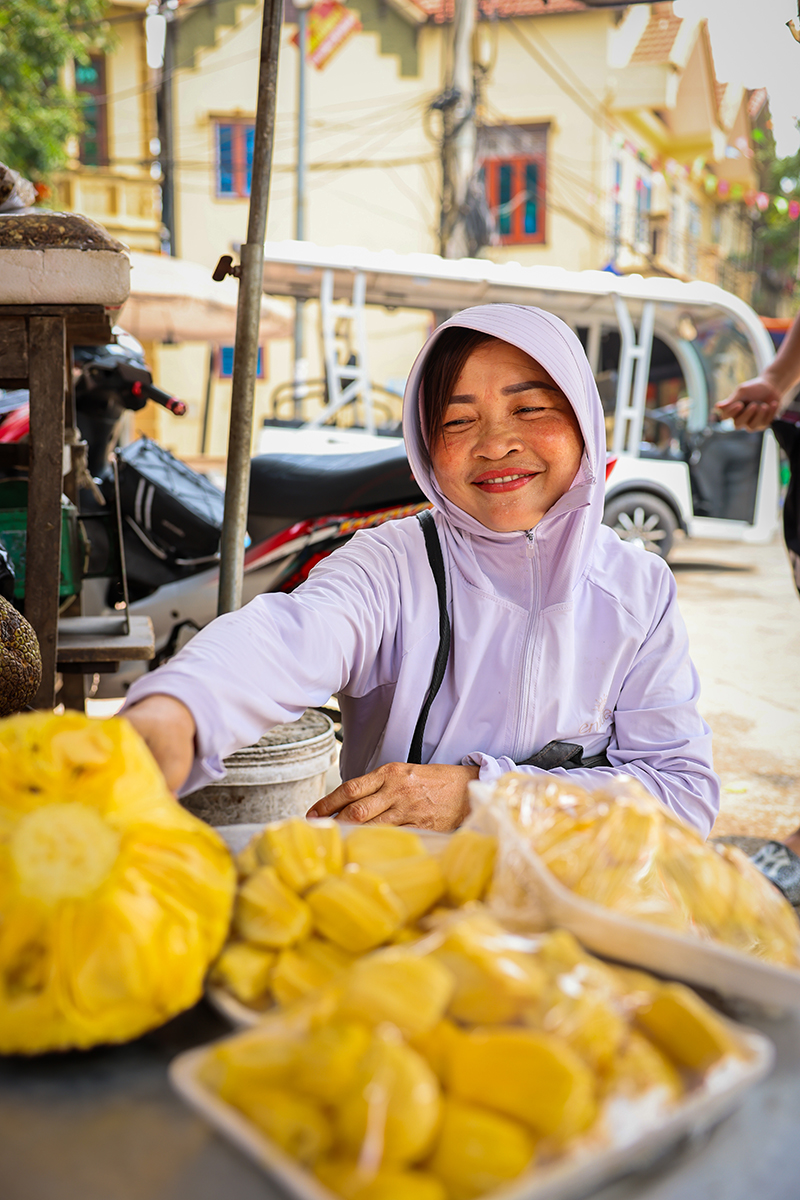
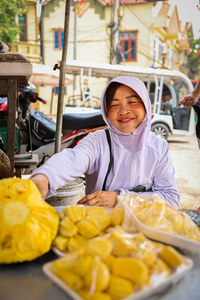
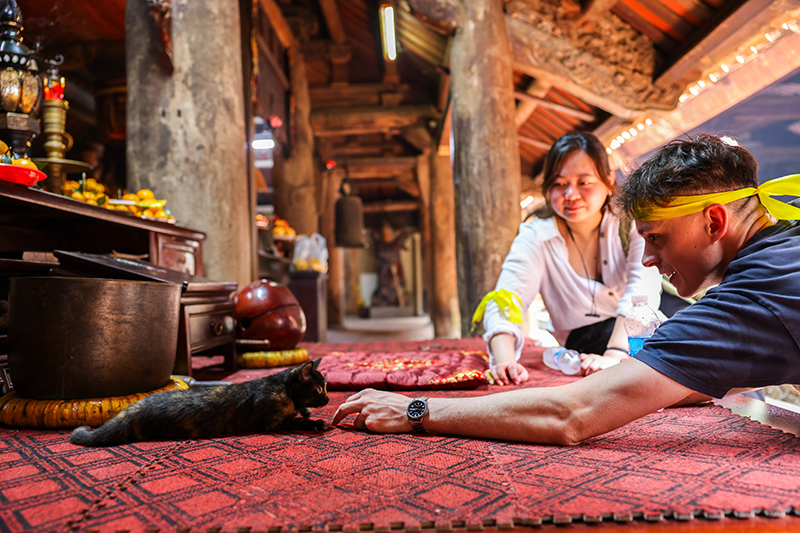
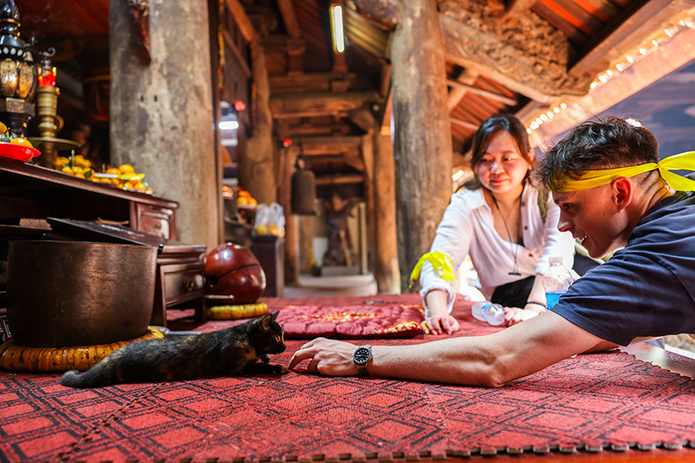
This trend is also reshaping the role of DMCs. To offer genuine immersion, it is not enough to pick an activity from a catalog (or ask our friend Chat). Local actors must be known, their environment and culture understood, and formats tailored to a professional group must be built with them.
The work of the receptive partner is then to link two worlds: the expectations of a company and the reality of the destination. They must identify relevant experiences, assess their capacity to host a group, from both logistical and ethical standpoints, and above all preserve their authenticity while meeting the constraints of MICE.
At Shanti Travel, a specialist in MICE in Asia, this on-the-ground knowledge makes it possible to rely on initiatives already rooted locally and adapt them to professional groups. A way to turn the encounter with the destination into a true pillar, rather than a mere add-on.
The work of the receptive partner is then to link two worlds: the expectations of a company and the reality of the destination. They must identify relevant experiences, assess their capacity to host a group, from both logistical and ethical standpoints, and above all preserve their authenticity while meeting the constraints of MICE.
At Shanti Travel, a specialist in MICE in Asia, this on-the-ground knowledge makes it possible to rely on initiatives already rooted locally and adapt them to professional groups. A way to turn the encounter with the destination into a true pillar, rather than a mere add-on.
A Different Way to Build and Market Programs
For agencies, the challenge is to present this proposition in a way that is easy for clients to read. Immersion can be showcased as what gives the trip its personality, without overturning its established codes. Comfort and local experience can coexist perfectly: it is precisely the contrast between the two that can create a richer and more memorable program. To persuade, it’s better to tell what the group will actually live than simply presenting an activity: a meeting, a challenge, a skill being passed on, or a concrete participation. A way to help the client visualize themselves while lending real singularity to the content.
The MICE of tomorrow may not only aim to give teams an experience they’ve never had. It will also aim to let them experience, together, something they could never have experienced anywhere else.
The MICE of tomorrow may not only aim to give teams an experience they’ve never had. It will also aim to let them experience, together, something they could never have experienced anywhere else.