Nepal, far more than a trekking destination
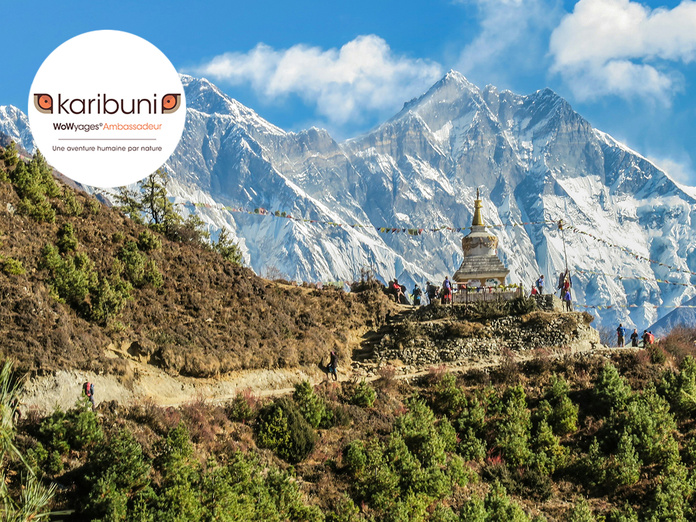

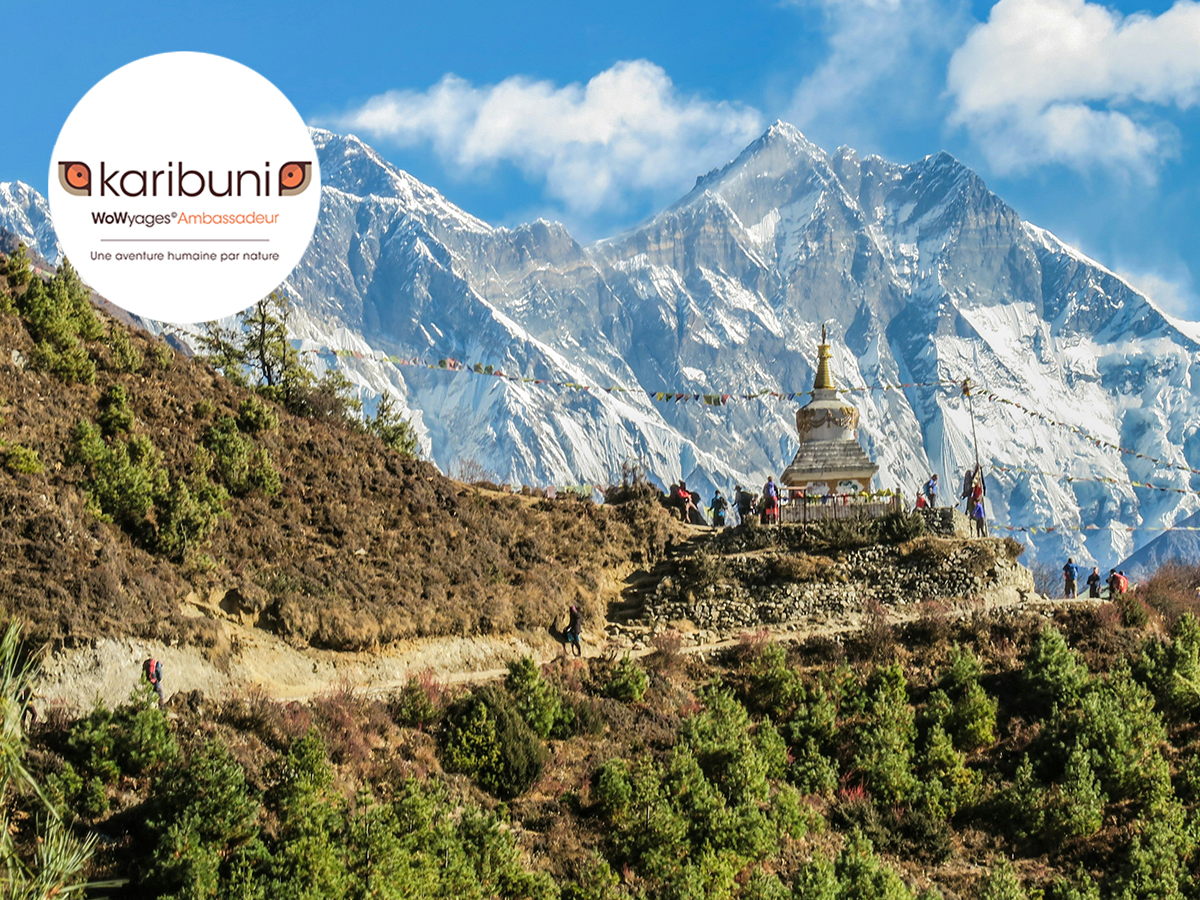
In the heart of South Asia, Nepal is naturally associated with the Himalaya and its legendary peaks. This image is correct, but it tells only part of the destination. The country also offers a rich cultural heritage, a strong spiritual dimension, varied natural spaces, and many opportunities for encounters.
This diversity is precisely what makes travel so interesting. In a few steps, one moves from history-filled cities to mountain landscapes, from a monastery to a national park, from a day of trekking to a moment shared around a traditional meal. Nepal reveals itself as much through its panoramas as through the experiences lived along the way.
Kathmandu, Patan and Bhaktapur: a journey to the heart of Nepali culture
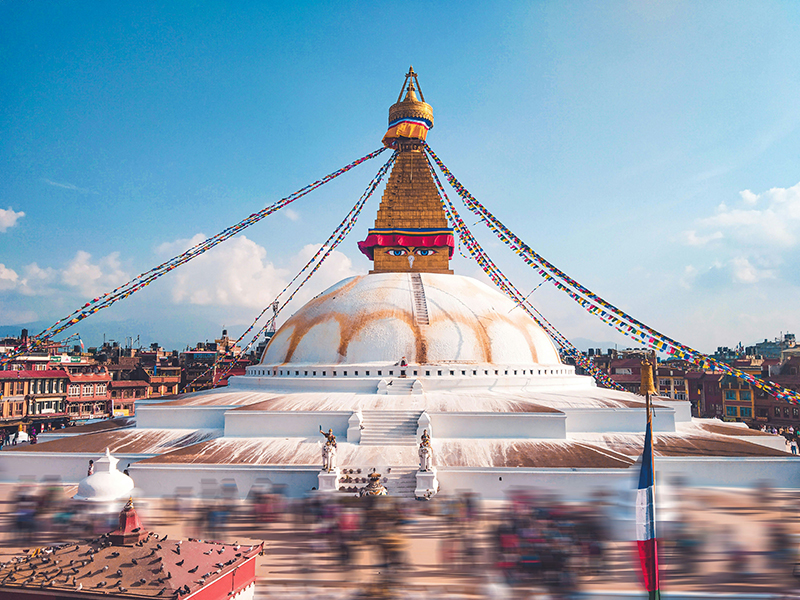
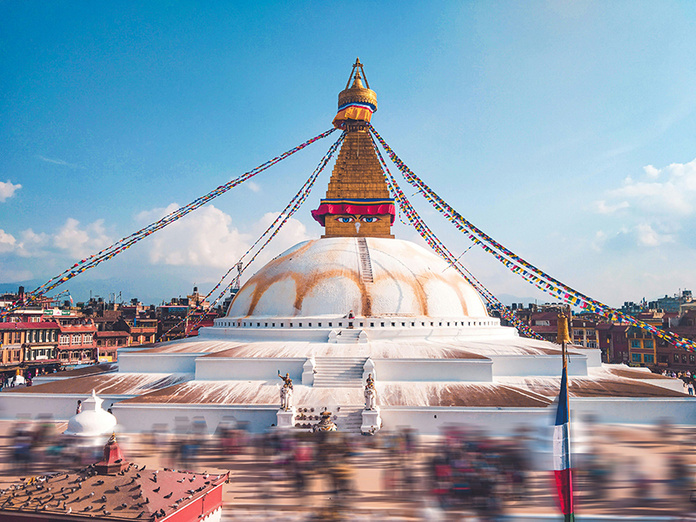
Cultural discovery in Nepal naturally begins in the Kathmandu Valley. Here, the historic towns bring together ancient temples, sacred stupas, palaces and places of devotion that testify to the depth of Nepali traditions.
Kathmandu, Patan and Bhaktapur each offer a different way to enter this history. One observes a living heritage, integrated into daily life, where religious gestures, markets, crafts and street scenes accompany visits to monuments.
Kathmandu, Patan and Bhaktapur each offer a different way to enter this history. One observes a living heritage, integrated into daily life, where religious gestures, markets, crafts and street scenes accompany visits to monuments.
Kathmandu: between heritage and everyday life
Kathmandu is much more than a point of arrival. The capital offers an initial immersion into the country’s cultural mosaic. Temples, stupas and palaces compose the backdrop of a city where spirituality and urban life constantly coexist.
The discovery truly comes alive when you take the time to observe: a ritual, an offering, a craftsman at work, a bustling market, or simply the residents crossing these history-laden spaces in their daily lives.
The discovery truly comes alive when you take the time to observe: a ritual, an offering, a craftsman at work, a bustling market, or simply the residents crossing these history-laden spaces in their daily lives.
Patan and Bhaktapur: the heritage of the ancient cities
Nearby, Patan and Bhaktapur extend this cultural immersion. Their temples, palaces and historic spaces help deepen understanding of the valley’s artistic and spiritual richness.
These steps also bring a different rhythm to the journey. There is more time to look at details, to take an interest in local crafts, and to let discovery happen along the alleyways and through encounters.
These steps also bring a different rhythm to the journey. There is more time to look at details, to take an interest in local crafts, and to let discovery happen along the alleyways and through encounters.
Spirituality in Nepal: between Hinduism and Buddhism
Nepal is a land where Hinduism and Buddhism coexist and complement one another. This spiritual dimension is fully part of the journey and is felt both in the grand sanctuaries and in the simple gestures of daily life.
Attending a ceremony, visiting a place of worship, or staying near a monastery is not only about cultural discovery: these are moments that help better understand the very present relationship between beliefs, traditions and daily life.
Attending a ceremony, visiting a place of worship, or staying near a monastery is not only about cultural discovery: these are moments that help better understand the very present relationship between beliefs, traditions and daily life.
Lumbini: the origins of Buddhism
Pokhara: a pause between lake and mountains
After the cultural intensity of the Kathmandu Valley, Pokhara offers a different atmosphere. The city is associated with stunning natural landscapes, including Phewa Lake, Devi’s Falls, and the Himalaya in the backdrop.
This combination makes it a particularly pleasant stop on a circuit: here you slow down, enjoy the scenery, and reconnect with nature more directly. The lake provides real breathing space, while the mountains remind us that adventure is never far away.
This combination makes it a particularly pleasant stop on a circuit: here you slow down, enjoy the scenery, and reconnect with nature more directly. The lake provides real breathing space, while the mountains remind us that adventure is never far away.
Pokhara is also a prime setting for outdoor activities. It’s here that one can easily complement contemplative discovery with more active experiences, notably paragliding.
Trekking in Nepal: walking to the rhythm of the Himalaya
Trekking remains, of course, one of Nepal’s great signatures. The trails attract hikers from around the world, drawn by the grandeur of the landscapes, the variety of itineraries, and the opportunity to approach the mountains up close.
The Annapurna Circuit and the Everest Trek are among the most iconic routes. But the country also offers many less-traveled paths, allowing a different approach to the mountains and giving more room to the villages and communities encountered along the way.
The Annapurna Circuit and the Everest Trek are among the most iconic routes. But the country also offers many less-traveled paths, allowing a different approach to the mountains and giving more room to the villages and communities encountered along the way.
Annapurna and Everest: the great names of adventure
For many travelers, the names Annapurna and Everest are enough to spark the desire to go. These regions embody the most spectacular image of Nepal: a land dominated by the Himalaya, where walking becomes a true mode of discovery.
Yet the appeal of a trek lies not only in the final destination. It also lies in the pace of progress, the changing landscapes, and the encounters that dot the route. The journey is built day by day, along the path.
Yet the appeal of a trek lies not only in the final destination. It also lies in the pace of progress, the changing landscapes, and the encounters that dot the route. The journey is built day by day, along the path.
Langtang and lesser-traveled itineraries
Langtang National Park is among the natural spaces well-suited for hikes. It illustrates another way to approach Nepal, through routes that emphasize nature, landscapes and the sense of exploration.
For travelers who want to get off the beaten path, the country offers many possibilities. This diversity allows trekking to be tailored to ability, time available, and especially the spirit sought: a sporty challenge, immersion, or simply the pleasure of walking in an exceptional environment.
For travelers who want to get off the beaten path, the country offers many possibilities. This diversity allows trekking to be tailored to ability, time available, and especially the spirit sought: a sporty challenge, immersion, or simply the pleasure of walking in an exceptional environment.
Thrilling experiences: living Nepal differently
Adventure in Nepal is not limited to hiking. The terrain, rivers and vast spaces provide a particularly rich ground for those who want to inject more adrenaline into their trip.
In Pokhara, paragliding lets you soar and view the landscapes from a completely different angle. On the rivers, rafting offers a more dynamic experience, while canyoning brings travelers into the heart of gorges and rugged scenery.
Climbing completes this range of activities for the most athletic travelers. These experiences can become the central theme of a stay or simply punctuate a cultural and nature itinerary with a more intense day.
This is also what makes Nepal’s richness: everyone can dial the level of adventure to their wishes, without necessarily turning their journey into an expedition.
Safari in Nepal: an unexpected facet of the country
When you think of Nepal, a safari isn’t always the first image that comes to mind. Yet the country’s national parks host remarkable wildlife and offer a striking contrast to the Himalayan landscapes.
After temples and mountains, this immersion into wildlife brings a very different breath to the journey. It also shows how varied Nepal’s natural environments are.
After temples and mountains, this immersion into wildlife brings a very different breath to the journey. It also shows how varied Nepal’s natural environments are.
Chitwan: tracing the one-horned rhinoceros
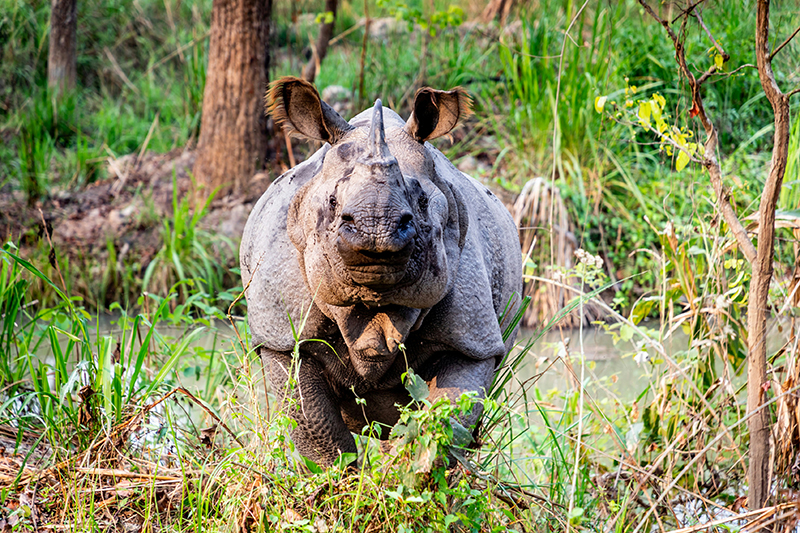
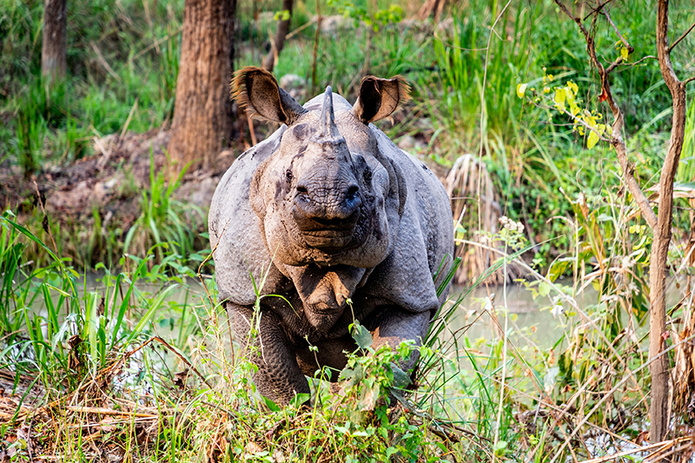
Chitwan National Park is one of Nepal’s major nature milestones. The safari here offers the chance to observe the one-horned rhinoceros, one of the region’s most emblematic species, as well as many other species.
This stop works especially well in a complete itinerary: after Kathmandu’s cultural buzz or Pokhara’s mountain ambiance, Chitwan reveals a landscape and atmosphere entirely different.
This stop works especially well in a complete itinerary: after Kathmandu’s cultural buzz or Pokhara’s mountain ambiance, Chitwan reveals a landscape and atmosphere entirely different.
Bardia: the call of wilder nature
Bardia National Park offers another approach to safari. It is particularly known for offering a chance to encounter the Bengal tiger, always subject to the unpredictable nature of wildlife viewing.
For travelers drawn to wildlife and wide spaces, this stop strengthens the journey’s sense of exploration and reminds that Nepal can be discovered far from snowy peaks.
For travelers drawn to wildlife and wide spaces, this stop strengthens the journey’s sense of exploration and reminds that Nepal can be discovered far from snowy peaks.
Authentic encounters: discovering Nepal alongside its people
The richness of a Nepalese trip lies also in the exchanges. The country lends itself particularly well to moments of meeting, whether it’s sharing a traditional meal, discovering a craftsman’s skill, or simply taking time to talk with locals.
These experiences offer another reading of the destination. They allow you to go beyond major sites and spectacular landscapes to enter daily life, understand certain traditions, and create memories that are often more personal.
In an itinerary, they also bring a precious balance: between two visits or two days of trekking, a simple moment can become one of the trip’s highlights.
Meditation and serenity: slowing down at the heart of the journey
For those seeking a more inward approach, Nepal also offers numerous options around meditation and spirituality. Ashrams and Buddhist monasteries are as many places where you can slow down and observe the country from a different angle.
This dimension does not necessarily require a stay devoted entirely to well-being. A few hours, a visit, or a pause in a quieter place can be enough to alter the pace of the journey and create a strong contrast with the bustle of the cities or the intensity of outdoor activities.
Nepal thus invites alternating tempos: walk, explore, observe, meet… then sometimes simply stop.
Nepal, a journey with multiple rhythms
Nepal possesses this rare ability to bring together in a single itinerary very different experiences without losing coherence. One day can be devoted to the temples of the Kathmandu Valley, the next to Pokhara’s landscapes, before continuing toward a mountain trail or a national park.
The destination can thus appeal to culture enthusiasts, hikers, nature lovers, travelers seeking spirituality, as well as those who simply want to experience a different journey, punctuated by powerful experiences and encounters.
The true interest of Nepal perhaps lies here: in this capacity to go beyond the image of trekking to become a complete destination, where the mountains converse with historic cities, wildlife, traditions and daily life.
A country of contrasts, of varied terrains and emotions, to be discovered as much with the legs as with the eyes… and which often keeps its most beautiful memories for between two must-see highlights.
THE ANECDOTES CORNER
• In Nepal, the year 2083 began in 2026. The country officially uses the Bikram Sambat calendar, which is about 57 years ahead of the Gregorian calendar.
• Nepal is 15 minutes ahead of India. Its time zone is UTC+5:45, a fairly rare choice in the world.
• A living goddess still resides in Kathmandu. The Kumari is a young girl chosen according to an ancient tradition to embody the goddess Taleju.
• A unique flag in the world. Nepal is the only country with a national flag that is not rectangular: two stacked triangles, adorned with a moon and a sun.


Jean-François Turroc
Commercial Director
+ 33 1 47 51 04 03
+ 33 6 28 56 75 54
[email protected]
Website: Karibuni
>> Karibuni in the DESTIMAG Directory
Commercial Director
+ 33 1 47 51 04 03
+ 33 6 28 56 75 54
[email protected]
Website: Karibuni
>> Karibuni in the DESTIMAG Directory