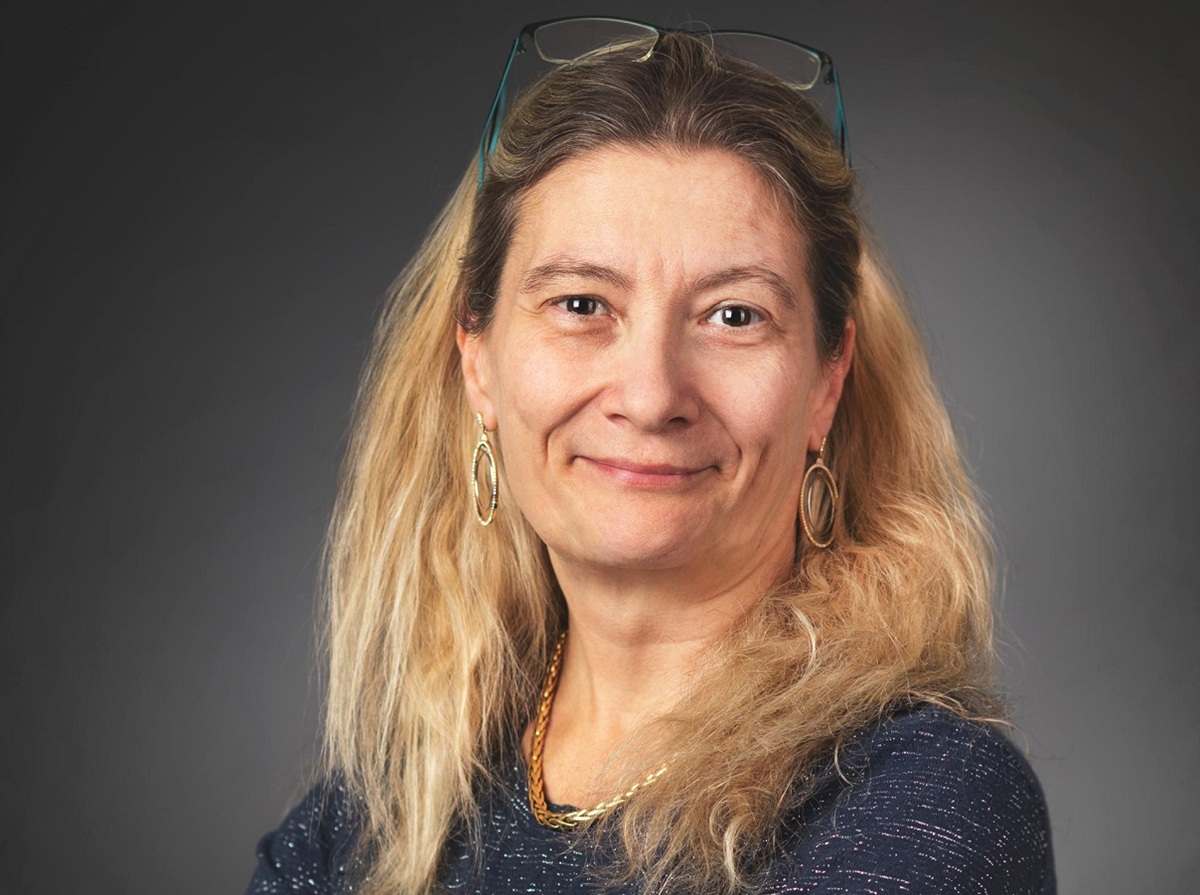

Isabelle Maimbourg : The first plan, carried out in 2023-2024, focused on CSR, ecological and energy transition.
The new plan, for 2025-2026, concentrates on artificial intelligence (AI).
In 2025, we published a white paper on AI, and this year we completed by unveiling a social panorama of companies.
Read also: Young, female and on permanent contracts: the portrait of tourism workers (Infographic)
From February 2026, we will roll out AI training actions, notably aimed at agencies and tour guides, via our M-Campus tool. A broader support with consultants will be carried out regionally. It will begin in the Grand Est.
TourMaG – What are the expectations of tourism companies regarding AI?
Isabelle Maimbourg : Companies have varied profiles; some are highly engaged but sometimes disappointed by AI promises, others hesitate but end up getting involved, especially to improve customer relations.
We are testing AI platforms such as a Travel Companion, which offers clients an interactive travel journal, enabling photo sharing and comments, while facilitating travel management for agencies.
We supported funding for the pedagogical experimentation phase.
In the future, we could accompany training actions.
Subsequently, the Voyages Enterprises chose to rely on Cediv as a laboratory, to launch AI-related actions and facilitate access to a complete solution for travel agencies.
Read also: EDV, CEDIV: the AI chatbot dedicated to agencies will be launched in November!
The Redesign of BTS Tourism Under Study
Isabelle Maimbourg : Absolutely. Innovation draws a younger audience and represents an additional lever for recruitment.
Since 2022, we have rolled out substantial promotion of the professions, notably with a media campaign in 2025 in three waves.
We have increased activities promoting tourism careers at the events we participate in: activities, quizzes, geography contests…
Our apprenticeship and training officers visit middle schools and high schools to promote all mobility professions.
Another important outcome is the creation of the mobility network of CFAs, i.e., 130 CFAs across France and its overseas territories.
TourMaG.com – What do you propose during Tourism Careers Week?
Isabelle Maimbourg : For Tourism Careers Week, this year again we have invested truly and in a coordinated manner with all companies, CFAs and training organizations.
We will run daily actions across all territories, coordinated with the Voyages Enterprises and Seto.
TourMaG: What are the results in terms of recruitment in the sector?
Isabelle Maimbourg : In 2025, it was harder to find employers than candidates.
Entry-level roles in the profession, such as travel agent, remain in tension because the audience is young and frequently changes direction. Nevertheless, the 2025 agency performance was solid and broadly positive.
We are also working on aligning the BTS Tourism, professional titles, and the real needs of companies.
Since early 2026, we are attempting to set up tailored training, integrable into apprenticeships, work-study, or professionalization contracts.
A Market Still Volatile
Isabelle Maimbourg : Two major items: support for AI and the alignment of training offerings with the needs of businesses.
Concurrently, we continue our usual missions: securing funding, supporting career paths, and maintaining recruitment and training to prevent a skills shortage.
TourMaG – Can you remind us of your main mechanisms?
Isabelle Maimbourg : We have four main mechanisms via the skills operator: apprenticeship through professionalization contracts and traditional apprenticeships, followed by the skills development plan for companies with fewer than 50 employees.
Conventional contributions are, in tourism, little used.
Finally, voluntary contributions by companies allow co-financing of training paths.
We have secured a European Social Fund (FSE) of €7.5 million to cover 50% of the cost of the training paths. We currently have a little under €1.6 million remaining until March-April 2026.
The skills development plan, meanwhile, amounts to about €40 million for all companies, not only agencies.
TourMaG – One final word on concrete projects and actions?
Isabelle Maimbourg : It is crucial for agencies to continue investing in recruitment and training.
The job market remains volatile, and funding is dwindling. Maintaining a momentum of learning and innovation is essential to secure the future of the sector.