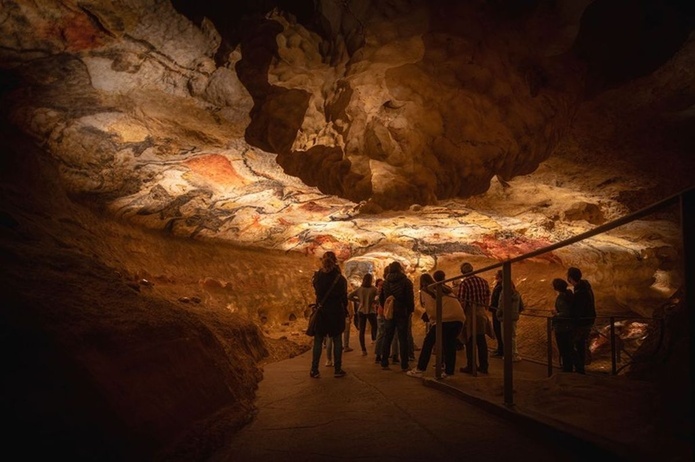


The most recent replica of the famous cave, Lascaux IV is so perfect that one could easily imagine standing before the “real” masterpieces left around 21,000 years ago by early Magdalenian hunters.
How can one not be moved? Perhaps even overwhelmed?
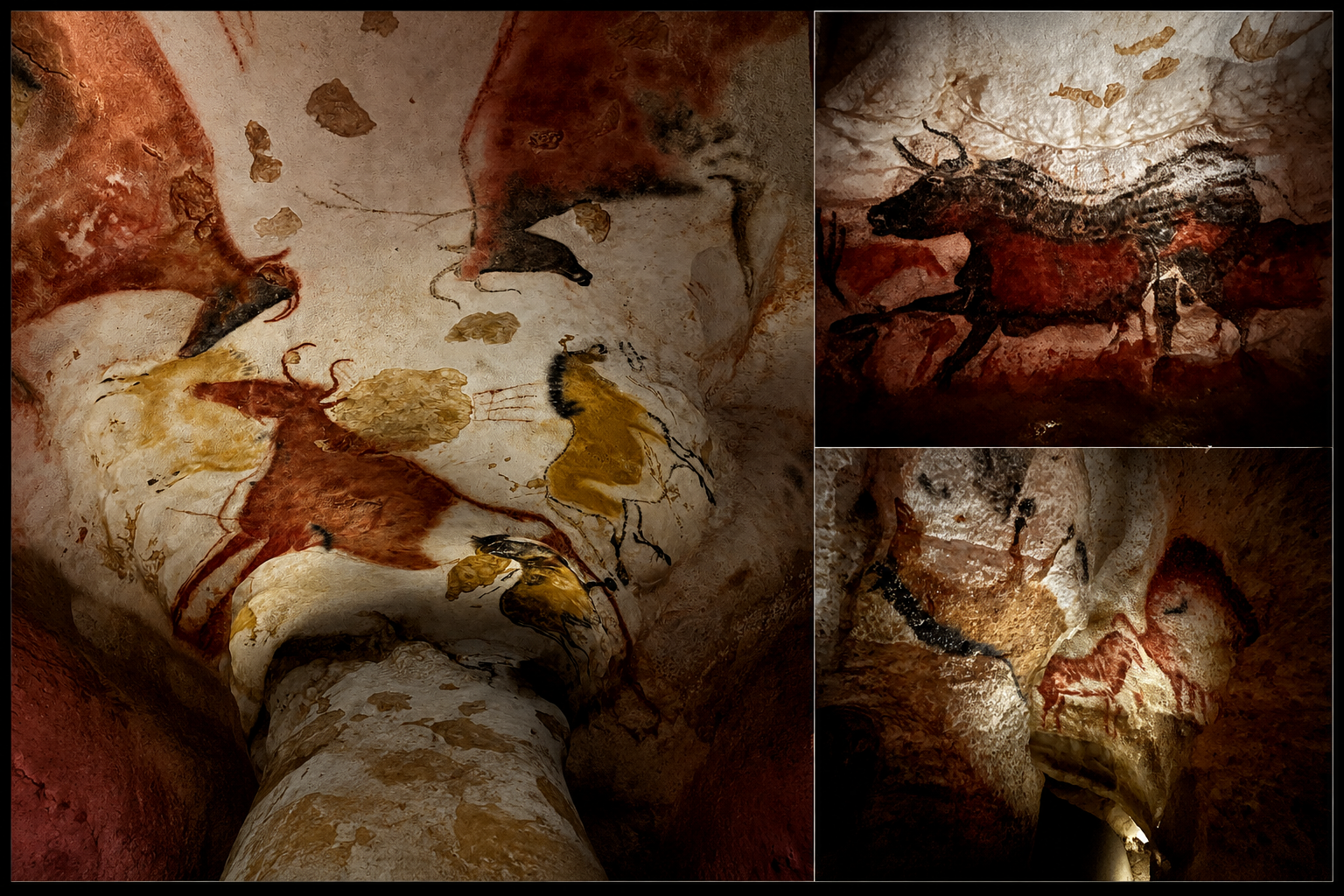
In the dim light of a torch, unforgettable stampedes of aurochs, ibex, bison, deer and horses are carved or painted in ochre, red, and black along the walls.
Welcomed by the “Unicorn,” a strange two-horned figure, visitors then wander through the Hall of the Bulls under the gaze of impressive animals—up to 3.5 meters tall—before progressing into a sequence of caverns adorned with polychrome paintings, among which a human figure with four fingers and a bird’s beak.
How can one not be moved? Perhaps even overwhelmed?
In the dim light of a torch, unforgettable stampedes of aurochs, ibex, bison, deer and horses are carved or painted in ochre, red, and black along the walls.
Welcomed by the “Unicorn,” a strange two-horned figure, visitors then wander through the Hall of the Bulls under the gaze of impressive animals—up to 3.5 meters tall—before progressing into a sequence of caverns adorned with polychrome paintings, among which a human figure with four fingers and a bird’s beak.
A major revelation of the 20th century
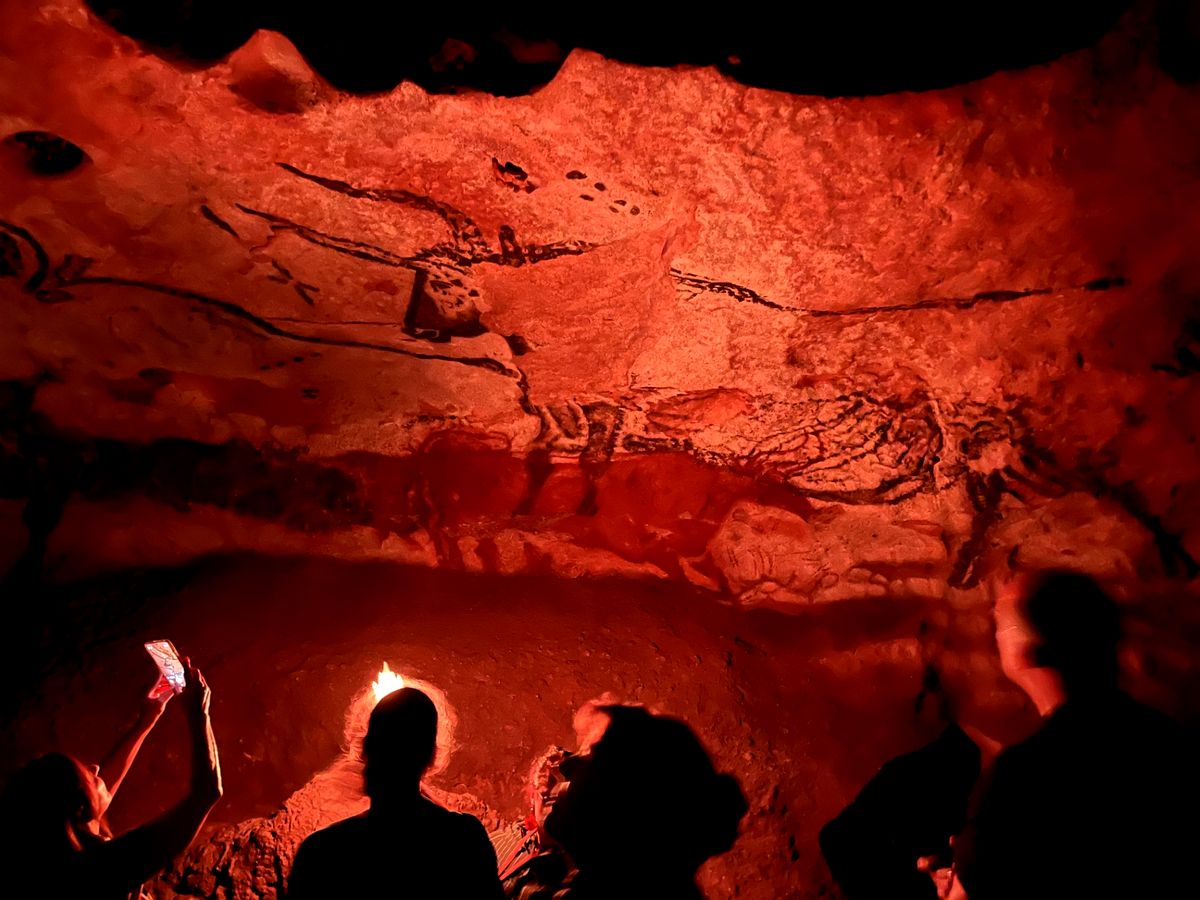
The original Lascaux cave was one of the greatest archaeological revelations of the 20th century.
It was discovered in 1940 by four teenagers — Marcel Ravidat, Georges Agniel, Simon Coencas, Jacques Marsal — in the depths of a hill topped with chestnut trees and pines, in Montignac, Dordogne.
Listed as a UNESCO World Heritage site in 1979, this “Sistine Chapel of parietal art” has not revealed all of its secrets.
Indeed, it was decorated, by Cro-Magnon men, by scratching, rubbing, blowing and stamping, sometimes aided by scaffolding. But what was its purpose since it was never inhabited? Experts believe it may have had a religious function.
Since 1963, for conservation reasons (the carbon dioxide exhaled by visitors was destroying the paintings), it has been inaccessible to the public. Several replicas have therefore been made.
It was discovered in 1940 by four teenagers — Marcel Ravidat, Georges Agniel, Simon Coencas, Jacques Marsal — in the depths of a hill topped with chestnut trees and pines, in Montignac, Dordogne.
Listed as a UNESCO World Heritage site in 1979, this “Sistine Chapel of parietal art” has not revealed all of its secrets.
Indeed, it was decorated, by Cro-Magnon men, by scratching, rubbing, blowing and stamping, sometimes aided by scaffolding. But what was its purpose since it was never inhabited? Experts believe it may have had a religious function.
Since 1963, for conservation reasons (the carbon dioxide exhaled by visitors was destroying the paintings), it has been inaccessible to the public. Several replicas have therefore been made.
Lascaux IV: a full replica
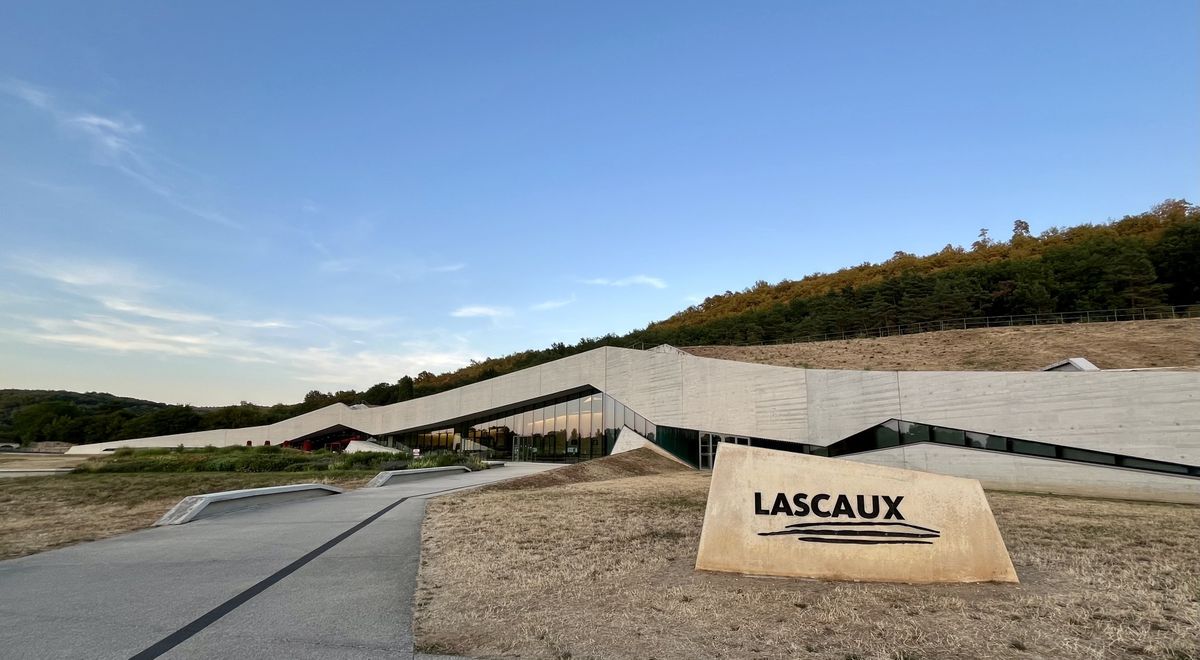
The first replica, built as early as 1983, right beside the original cave, Lascaux II, already seems so faithful to the original that its 70,000 annual visitors often believe they are seeing the “real” cave. Yet, it shows only the Hall of the Bulls and the axial diverticulum.
Conceived in 2010, Lascaux III is a traveling, “kit” version of only part of the decorated cave (its twelve panels will be exhibited in Chicago in 2027).
By contrast, Lascaux IV is the first facsimile reproducing the entire original cave: its 900 m² of decorated walls have been restored with millimeter precision.
To reach such a level of realism, the teams at the Atelier des Fac-Similés du Périgord combined technology and craft: ultra-precise 3D digital surveys, wall modeling, application of colored patinas, then hand reproduction of paintings and engravings with natural pigments, just as 21,000 years ago!
Housed in an elegant, semi-buried white building at the foot of the original hill, Lascaux IV marks its tenth anniversary this year, with a program blending immersive experiences, gastronomic evenings, performances and new themed tours.
Conceived in 2010, Lascaux III is a traveling, “kit” version of only part of the decorated cave (its twelve panels will be exhibited in Chicago in 2027).
By contrast, Lascaux IV is the first facsimile reproducing the entire original cave: its 900 m² of decorated walls have been restored with millimeter precision.
To reach such a level of realism, the teams at the Atelier des Fac-Similés du Périgord combined technology and craft: ultra-precise 3D digital surveys, wall modeling, application of colored patinas, then hand reproduction of paintings and engravings with natural pigments, just as 21,000 years ago!
Housed in an elegant, semi-buried white building at the foot of the original hill, Lascaux IV marks its tenth anniversary this year, with a program blending immersive experiences, gastronomic evenings, performances and new themed tours.
Lascaux IV: 380,000 visitors annually
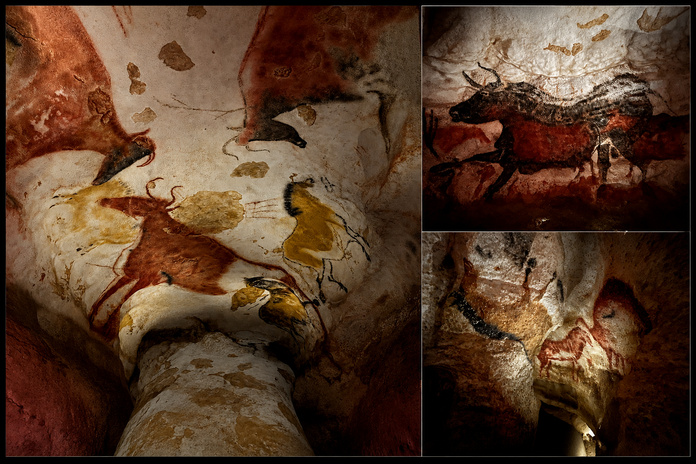
An exceptional project, Lascaux IV cost 60 million euros, financed by the region, the department, the State, Europe, patrons and Semitour Périgord, a mixed‑economy company created by the Dordogne Department.
A substantial budget, indeed. But, open 340 days a year, the International Center of Parietal Art/Lascaux IV has become one of the essential cultural sites of Périgord. “We welcome 380,000 visitors annually. A remarkable figure for a rural territory,” notes André Barbé, general director of Semitour Périgord, in charge of this extraordinary site.
As the department’s leading tourist enterprise, Semitour manages seven other cultural sites there. Each tells a slice of local history while engaging with contemporary creation, as Lascaux IV does thanks to digital tools and the know‑how of the Center for Parietal Art.
A substantial budget, indeed. But, open 340 days a year, the International Center of Parietal Art/Lascaux IV has become one of the essential cultural sites of Périgord. “We welcome 380,000 visitors annually. A remarkable figure for a rural territory,” notes André Barbé, general director of Semitour Périgord, in charge of this extraordinary site.
As the department’s leading tourist enterprise, Semitour manages seven other cultural sites there. Each tells a slice of local history while engaging with contemporary creation, as Lascaux IV does thanks to digital tools and the know‑how of the Center for Parietal Art.
The Grand Roc mineral forest
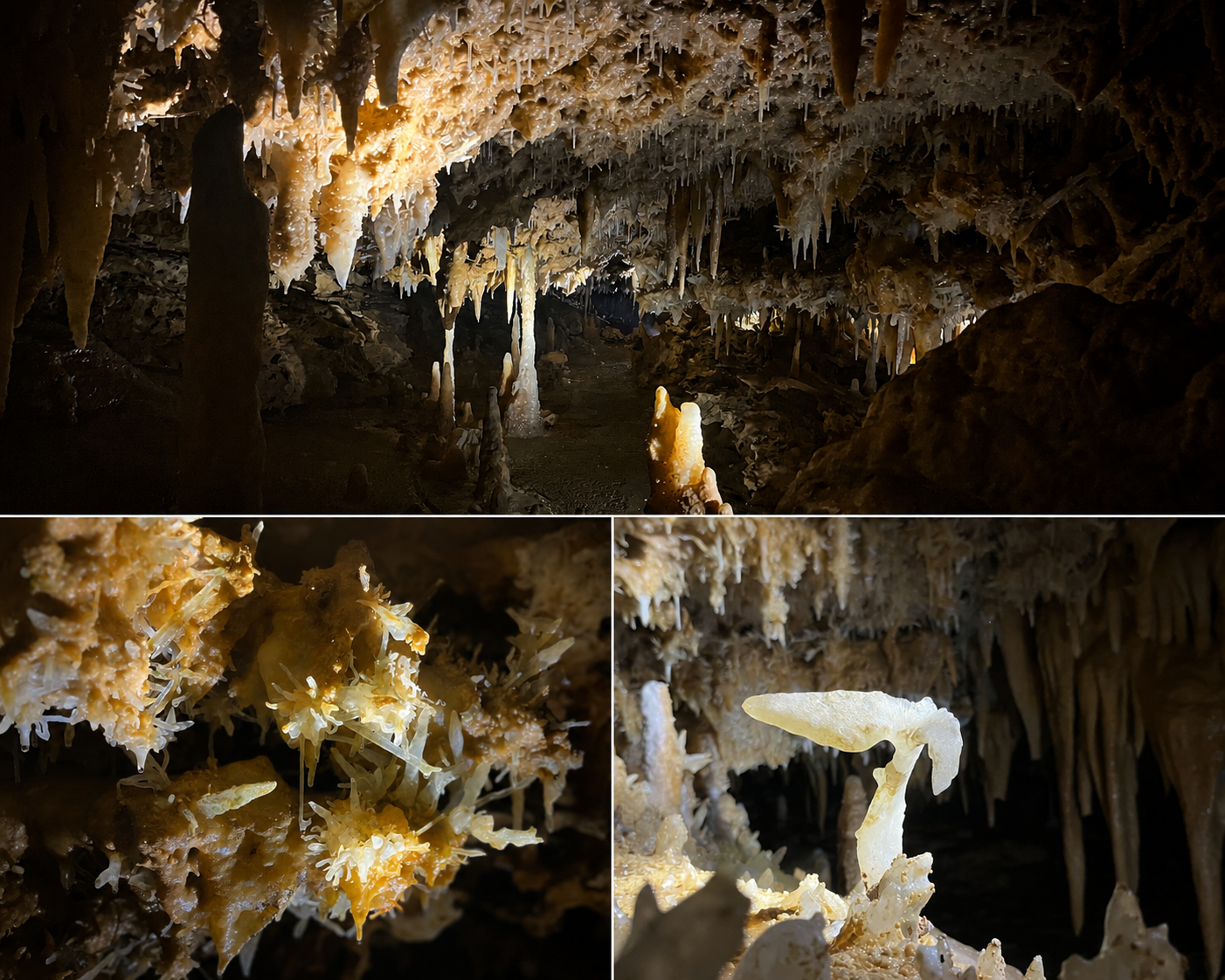
In the ceaseless back-and-forth between past and present highlighted by these sites, the Grand Roc Cave stands out with a vertiginous plunge back to the Upper Cretaceous: between 100 and 66 million years ago!
Nestled in Les Eyzies, inside an impressive cliff, this cave is part of the UNESCO-listed Vézère Valley sites.
Discovered in 1924 by Jean Maury, it offers a magical immersion in a mineral forest gradually formed by water seeping through the rock.
Yet one must first climb 76 fairly steep steps (no accessible access for people with mobility impairments), then wander along a path guided by discreet lighting to admire stalagmites, stalactites, columns, stone draperies and astonishing “eccentric concretions,” almost translucent, with surprising chrysanthemum-shaped forms!
Further down, under the same cliff, the prehistoric Laugerie-Basse site was occupied by humans as early as the Magdalenian period.
Excavations in the rock shelter known as “des Marseilles” (a joint ticket with Grand Roc) revealed four layers of occupation and hundreds of objects, including the famous “Indecent Venus,” a female statuette with a broken head.
Nestled in Les Eyzies, inside an impressive cliff, this cave is part of the UNESCO-listed Vézère Valley sites.
Discovered in 1924 by Jean Maury, it offers a magical immersion in a mineral forest gradually formed by water seeping through the rock.
Yet one must first climb 76 fairly steep steps (no accessible access for people with mobility impairments), then wander along a path guided by discreet lighting to admire stalagmites, stalactites, columns, stone draperies and astonishing “eccentric concretions,” almost translucent, with surprising chrysanthemum-shaped forms!
Further down, under the same cliff, the prehistoric Laugerie-Basse site was occupied by humans as early as the Magdalenian period.
Excavations in the rock shelter known as “des Marseilles” (a joint ticket with Grand Roc) revealed four layers of occupation and hundreds of objects, including the famous “Indecent Venus,” a female statuette with a broken head.
In Biron, ten centuries of history
Monpazier, once a commercial “bastide,” now a “City of Arts and Crafts”
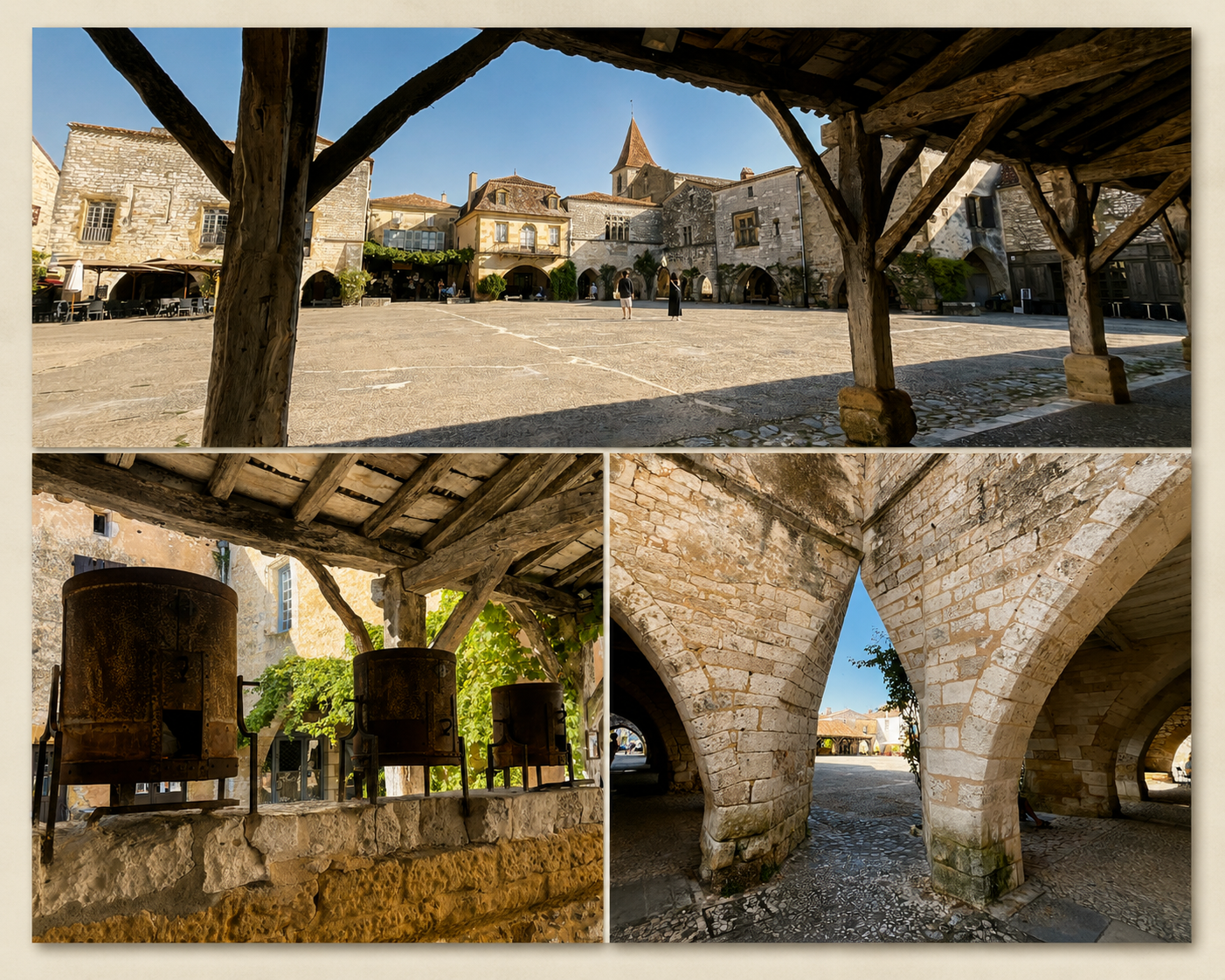
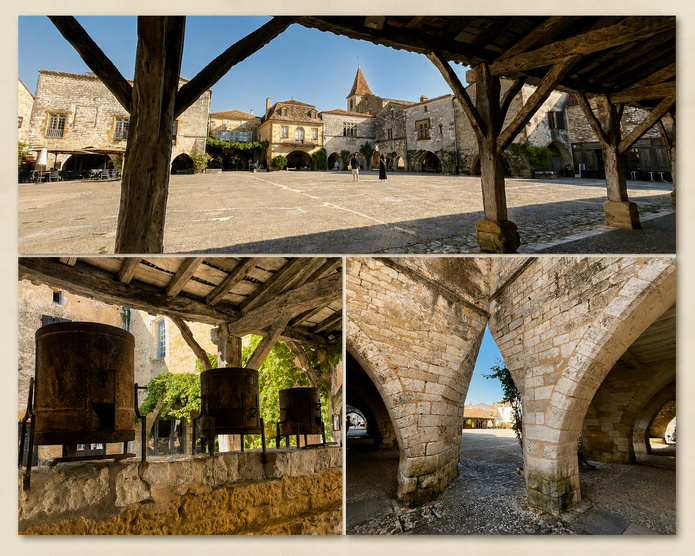
Last rendezvous with medieval history in Monpazier, close to Biron.
This charming town of pale stone is one of the 300 “new towns” built in the southwest of France between 1222 and 1373: called bastides, they were active commercial hubs.
At that time, the Hundred Years’ War had not yet begun, but the English—established in Aquitaine since, through marriage, the King of England had become Duke— and the French were already facing one another, each trying to rally local lords to their cause.
From its creation in 1284, by Edward I, king of England—on land granted by the lord of Biron—Monpazier thus lived behind solid ramparts and fortified gates still visible.
Its plan remains organized around two main axes and the central square surrounded by arcades and covered ways, pierced by passages (the “corners”).
The market still takes place on Thursdays under the powerful chestnut-framed hall where three of the original grain measures are kept, once used to determine the price of goods and the amount of taxes to be imposed.
This charming town of pale stone is one of the 300 “new towns” built in the southwest of France between 1222 and 1373: called bastides, they were active commercial hubs.
At that time, the Hundred Years’ War had not yet begun, but the English—established in Aquitaine since, through marriage, the King of England had become Duke— and the French were already facing one another, each trying to rally local lords to their cause.
From its creation in 1284, by Edward I, king of England—on land granted by the lord of Biron—Monpazier thus lived behind solid ramparts and fortified gates still visible.
Its plan remains organized around two main axes and the central square surrounded by arcades and covered ways, pierced by passages (the “corners”).
The market still takes place on Thursdays under the powerful chestnut-framed hall where three of the original grain measures are kept, once used to determine the price of goods and the amount of taxes to be imposed.
Exclusive tours and private dinners
With more than 22 artists and artisans for barely 500 inhabitants, Monpazier has, in recent years, reinvented itself as a “City of Arts and Crafts”.
Shops and restaurants likewise highlight the delicious specialties — duck, foie gras, truffles, walnuts, wines, etc. — that make the Périgord a destination prized by gourmets as much as by heritage and history lovers.
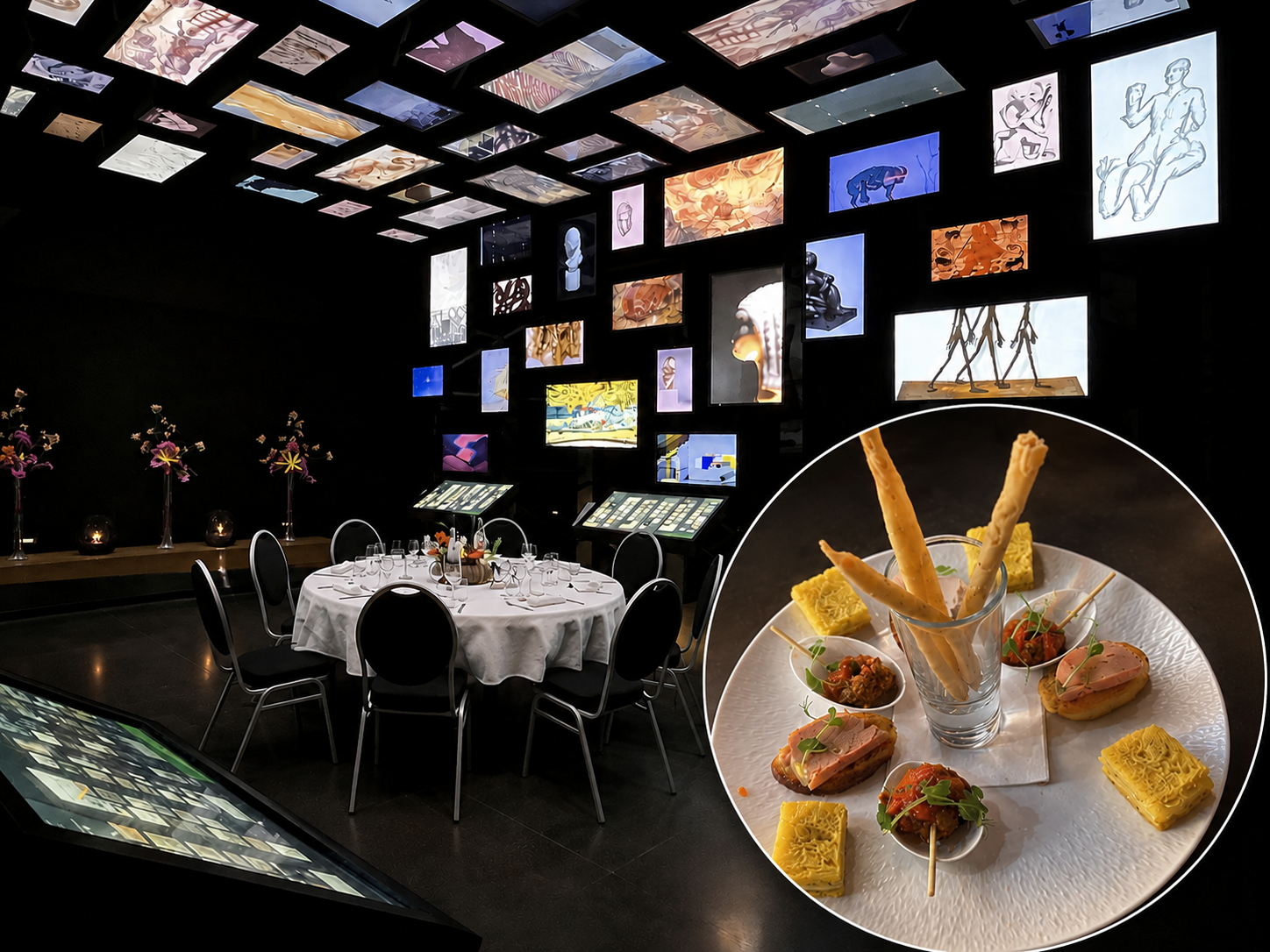
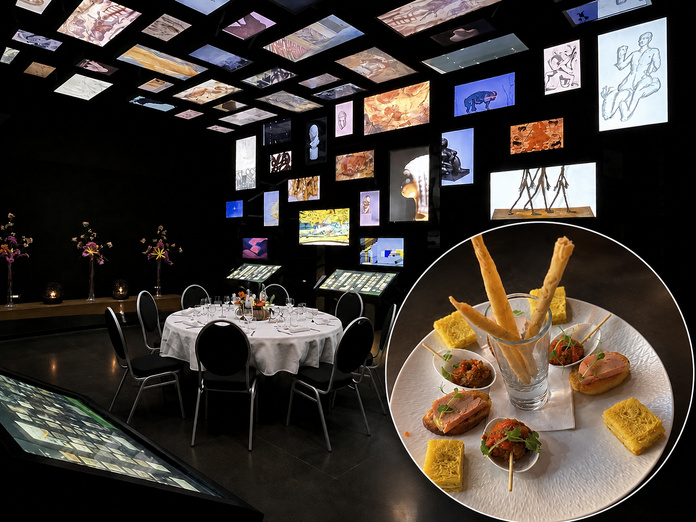
For attracting new audiences, Semitour now offers, with the help of local caterers, a combination of exclusive tours and private dinners (by reservation) at Lascaux IV, Cadouin Abbey, and Biron Castle.
Tailor-made offers (price on request) worthy of attention for agencies seeking experiences for their clients.
Truly driving forces, the eight cultural sites managed by Semitour help keep shops, restaurants and accommodations thriving.
In this rural area, there are options of all standings, from the modest Cadouin Abbey Youth Hostel to the elegant four-star Les Glycines, housed in a park with a pool and Spa in Les Eyzies.
Its owner, Pascal Lombard, even earned a Michelin one-star for his gastronomic table, “Le 1862.”
In Monpazier, the Edward 1st Hotel ****, recently renovated in a 19th‑century manor, is also aiming higher since it was taken over by Michel Fredric and his wife Isabelle, who bring solid experience in upscale hospitality in Mauritius and Zanzibar.
Clearly, many paths lead to the Périgord.
Shops and restaurants likewise highlight the delicious specialties — duck, foie gras, truffles, walnuts, wines, etc. — that make the Périgord a destination prized by gourmets as much as by heritage and history lovers.
For attracting new audiences, Semitour now offers, with the help of local caterers, a combination of exclusive tours and private dinners (by reservation) at Lascaux IV, Cadouin Abbey, and Biron Castle.
Tailor-made offers (price on request) worthy of attention for agencies seeking experiences for their clients.
Truly driving forces, the eight cultural sites managed by Semitour help keep shops, restaurants and accommodations thriving.
In this rural area, there are options of all standings, from the modest Cadouin Abbey Youth Hostel to the elegant four-star Les Glycines, housed in a park with a pool and Spa in Les Eyzies.
Its owner, Pascal Lombard, even earned a Michelin one-star for his gastronomic table, “Le 1862.”
In Monpazier, the Edward 1st Hotel ****, recently renovated in a 19th‑century manor, is also aiming higher since it was taken over by Michel Fredric and his wife Isabelle, who bring solid experience in upscale hospitality in Mauritius and Zanzibar.
Clearly, many paths lead to the Périgord.
 Published by Paula Boyer Head of the LuxuryTravelMaG section – TourMaG.com
 View all articles by Paula Boyer


Add TourMaG to your Google News feed