Among misplaced suitcases, unforeseen delays and disputes with airlines, travelers are increasingly seeking simple solutions to safeguard their belongings. Among them, a very simple habit could nonetheless make all the difference: photograph your luggage before checking it in. A real asset in case of trouble. Explanations.
An Effective Way to Quickly Identify Your Luggage
When suitcases do not appear on the baggage carousel on arrival, the first step is to report their absence to the airline. But one must be able to describe precisely the lost bag. Indeed, in a sea of often similar luggage—black, hard-shell and medium-sized—details count.
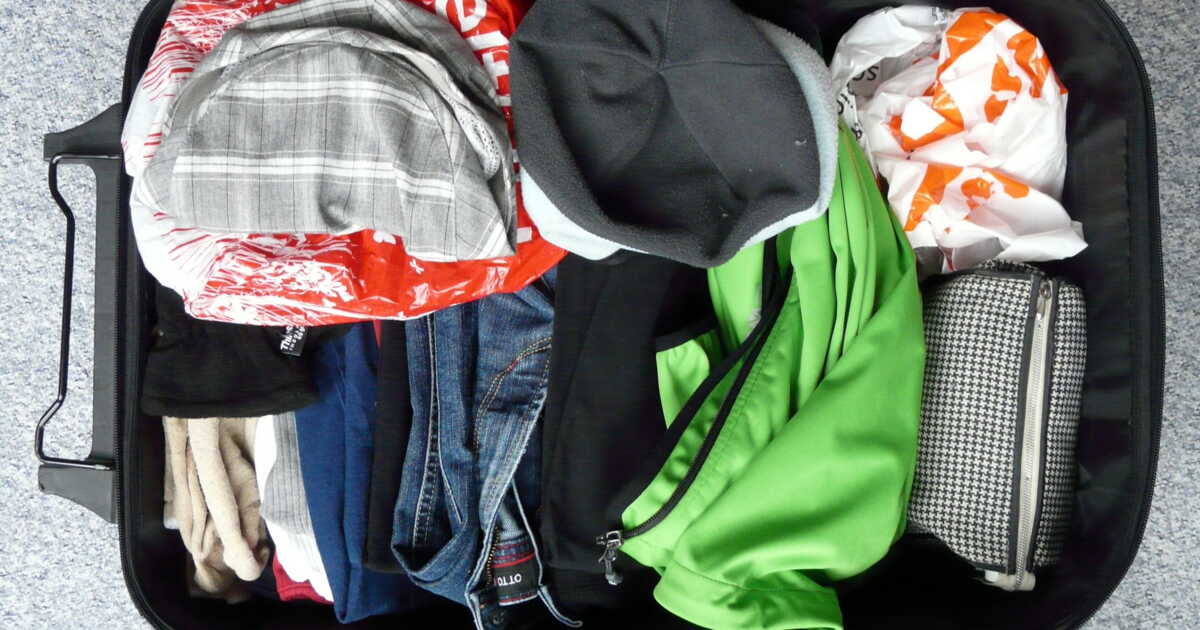
That is precisely where photography becomes an ally. As Rob Merlin, a travel advisor, explains in Travel + Leisure, “we always recommend to clients photograph their luggage before a trip, including the exterior of the bag, the luggage tag, and the contents inside”. A picture indeed captures elements that are difficult to describe from memory, such as a scratch, a discreet logo, or a personalized tag.
These visual details greatly facilitate the work of agents tasked with locating luggage. They also save time when filing a claim, by avoiding a long series of questions to specify the appearance of the suitcase. In some cases, a simple photo can be enough to identify a bag among dozens stored in an airport.
An Essential Proof for Insurance and Reimbursements
Beyond localization, photographing your suitcase also documents its contents. In case of loss or prolonged delay, airlines and insurers often require a detailed list of carried items. A task sometimes delicate, especially after several days of travel.
The images taken before departure thus provide a valuable snapshot of what the suitcase contained. Christina Tunnah, a travel insurance specialist, emphasizes their importance: “Photos of a suitcase and its contents help insurers verify lost or damaged items”. Even if they do not replace receipts, they constitute a useful starting point for proof.
This point is all the more crucial as many compensation cases are slowed down, or even denied, for lack of sufficient documentation. As the expert notes, “the more information you can provide to the claims department, the more likely that your request will be processed quickly”.
Photographing the baggage tag issued at the airport is also recommended. This document contains a tracking number essential to trace the bag’s journey. If the paper ticket is lost, the photo becomes a valuable recourse to file a claim or track the bag’s progress.
Finally, this vigilance must continue during the trip. Holiday souvenirs, clothing or items purchased on-site often add to the initial contents. Yet they are frequently forgotten when making declarations. “The biggest mistake travelers make is not documenting the new purchases made during the trip”, notes Rob Merlin. Once again, a few shots are enough to keep a record.
While luggage-tracking technologies are developing, they do not completely replace these simple precautions. Photographing your suitcase, its contents and its tag remains today one of the most effective ways to travel with a clearer mind.
In the same series “Our Travel Tips”:
Reclining seat in the plane, and its absence of headphones… the advice of a flight attendant when facing incivilities
Here are the dirtiest places and objects in a hotel room
Here are the hiding spots to avoid to protect your valuables on vacation
Article originally published on April 20, 2026.