

Par les temps chaotiques que nous vivons, d’une enquête à l’autre, le même constat apparaît.
Oui, les Européens, dont les Français, mais aussi les Nord Américains, hésitent à engager des dépenses pour leurs vacances d’été.
Et seule une amélioration géopolitique et économique les incitera à sortir de leur tanière pour boucler leurs bagages. Des bagages soit dit en passant, que l’on veut de plus en plus légers, voire inexistants, histoire de ne pas s’acquitter de suppléments !
Toutes les possibilités de faire une économie sur les prochaines vacances sont en effet bonnes à prendre. Et parmi elles, il est clair que l’économie sur l’hébergement arrive en tête.
D’où le succès de la location d’appartements, de maisons, de gîtes et autres chalets… notamment pour des familles ou des groupes d’amis.
D’où la multiplication régulière des échanges sur les sites spécialisés comme Home Exchange qui affiche 200 000 membres, dont 60 000 Français.
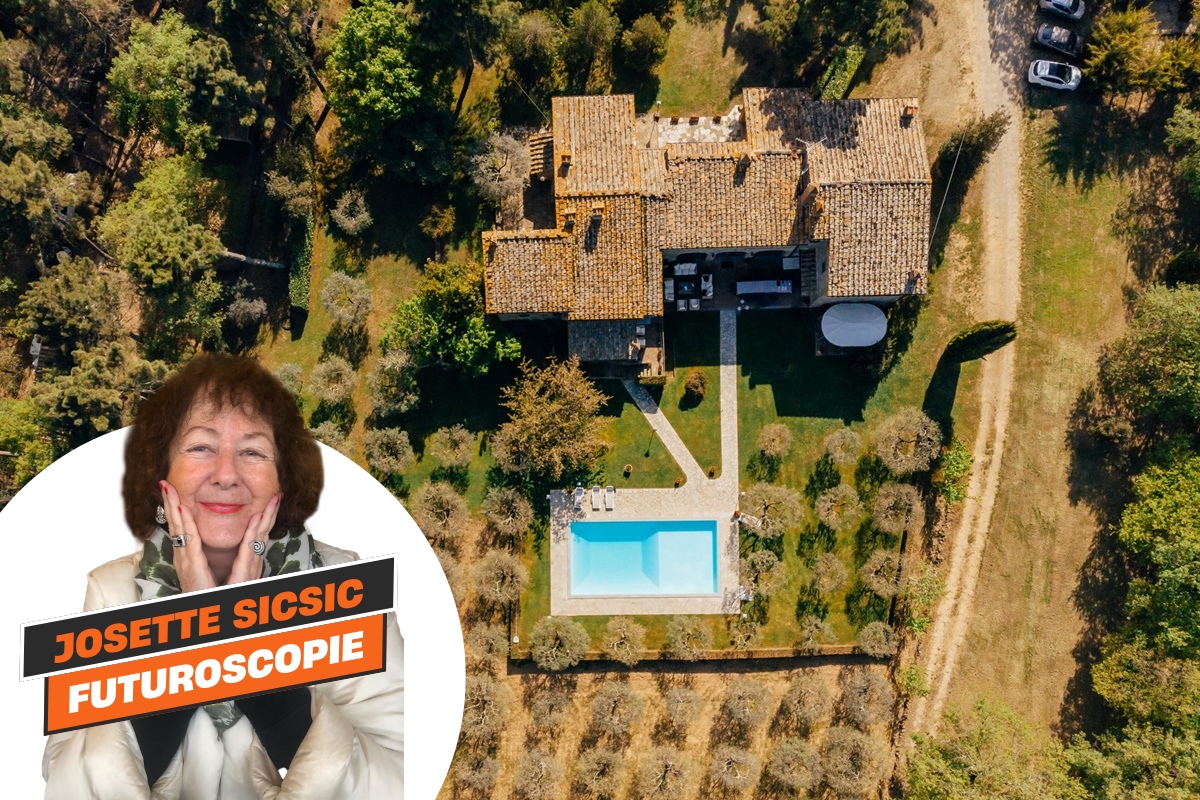
D’où la prolifération de séjours en résidences secondaires et maisons de famille. Lesquelles, cet été plus que jamais, deviennent les hébergements refuges sur lesquels se dirigent non seulement ceux qui ont la chance d’avoir une deuxième maison, et surtout ceux qui ont la chance d’avoir des proches, amis ou familles qui en possèdent une.
Au total, on estime à 15 millions le nombre de ces lits dits « non marchands ».
Oui, les Européens, dont les Français, mais aussi les Nord Américains, hésitent à engager des dépenses pour leurs vacances d’été.
Et seule une amélioration géopolitique et économique les incitera à sortir de leur tanière pour boucler leurs bagages. Des bagages soit dit en passant, que l’on veut de plus en plus légers, voire inexistants, histoire de ne pas s’acquitter de suppléments !
Toutes les possibilités de faire une économie sur les prochaines vacances sont en effet bonnes à prendre. Et parmi elles, il est clair que l’économie sur l’hébergement arrive en tête.
D’où le succès de la location d’appartements, de maisons, de gîtes et autres chalets… notamment pour des familles ou des groupes d’amis.
D’où la multiplication régulière des échanges sur les sites spécialisés comme Home Exchange qui affiche 200 000 membres, dont 60 000 Français.
D’où la prolifération de séjours en résidences secondaires et maisons de famille. Lesquelles, cet été plus que jamais, deviennent les hébergements refuges sur lesquels se dirigent non seulement ceux qui ont la chance d’avoir une deuxième maison, et surtout ceux qui ont la chance d’avoir des proches, amis ou familles qui en possèdent une.
Au total, on estime à 15 millions le nombre de ces lits dits « non marchands ».
The French and Their Second Homes: A Record
 Additional data: in France, 13% of our fellow citizens own a secondary residence.
A high figure, making our country the most advanced in this field with about 3.3 to 3.5 million properties. That is 9.2% of the French housing stock.
Among these fortunate owners, a quarter inherited their properties. Meanwhile, others, according to a study by Atout France, spent an average of €214,000 to acquire a property most often located in the following tourist areas:
– on the coast: 37% (notably in resort towns)
– in mountainous areas (ski resorts and others): 28%
– in urban areas: 16%
– in the countryside: 43%.
28% of these residences occupy isolated sites.
If these statistics are taken into account, at least 13% of the French spend their holidays in second homes. At least in part.
These, however, are also, and increasingly more often, rented to third parties, directly or on platforms. Notably in the countryside where Airbnb, for example, is waging an effort to expand its green-property rental stock.
Other major clienteles of the second home: relatives (family and friends) to whom the property is most often lent or rented.
Very difficult to measure precisely, this population is complemented by vacationers staying in family and friends’ houses, of which the share is estimated at 30 to 40% of vacationers, largely consisting of families (91% for houses located on a rural coastline).
Extended families most often include grandparents who gladly host their grandchildren during part of the holidays, thereby serving as babysitters. Retirees, most often, these seniors use these accommodations to stay there alone, for a longer part of the year.
We squeeze in, but we manage to pull it off!
The sleeping capacity of these accommodations, however, ranges from 3.7 beds for the smallest spaces to 7.2 for spaces larger than 150 m2.
Yet, the crown for tightness goes to the mountain resorts where, on smaller surfaces, the sleeping capacity averages 6.1. This recalls the policy of French mountain development in the sixties, namely the integrated resorts that massively sold cabin studios.
Finally, 7 out of 10 second homes have a garden, park, courtyard… and only 15% of second homes have a swimming pool.
Note that people who are employed spend less than 6 weeks on average in their property, while retirees spend 9 weeks on average. Drawn to less polluted air, Île-de-France residents are those with the longest stays.
Yet, the crown for tightness goes to the mountain resorts where, on smaller surfaces, the sleeping capacity averages 6.1. This recalls the policy of French mountain development in the sixties, namely the integrated resorts that massively sold cabin studios.
Finally, 7 out of 10 second homes have a garden, park, courtyard… and only 15% of second homes have a swimming pool.
Note that people who are employed spend less than 6 weeks on average in their property, while retirees spend 9 weeks on average. Drawn to less polluted air, Île-de-France residents are those with the longest stays.
Elsewhere in Europe, Bulgaria Takes the Lead!
On average across Europe, 69% of the population owns their principal residence. Among them, it’s estimated that about a quarter also own a second home.
And the country with the greatest number of such second homes is… surprise, Bulgaria.
Greece, at 39%, comes in second place, followed by Croatia (37%). This situation is closely tied to a desire to maintain a link with a family property where Greeks and Croats have their origins and want to preserve them.
During vacation periods in which entire families migrate to the islands, particularly in Greece, and among them the countless Greco-Americans who, every summer, return to reconnect with their roots and spend the summer in their family homes or in newly built villas.
On the opposite end of the spectrum are the Netherlands, where less than one owner in ten (8%) owns a second property. Not so much due to lack of means but rather the desire to settle abroad to live more cheaply. They are 29% in this case, versus 24% on average in Europe, according to the Eurostat study.
In Ireland, only 11% of Irish people own a second residence. Indeed, 71% of Irish people feel that properties are too expensive.
Such data, in any case, allow us to state that owning a second home is not necessarily a practice reserved for the wealthiest. On the contrary, more modest populations seek to preserve a family heritage still little sought after by external buyers.
And the country with the greatest number of such second homes is… surprise, Bulgaria.
Greece, at 39%, comes in second place, followed by Croatia (37%). This situation is closely tied to a desire to maintain a link with a family property where Greeks and Croats have their origins and want to preserve them.
During vacation periods in which entire families migrate to the islands, particularly in Greece, and among them the countless Greco-Americans who, every summer, return to reconnect with their roots and spend the summer in their family homes or in newly built villas.
On the opposite end of the spectrum are the Netherlands, where less than one owner in ten (8%) owns a second property. Not so much due to lack of means but rather the desire to settle abroad to live more cheaply. They are 29% in this case, versus 24% on average in Europe, according to the Eurostat study.
In Ireland, only 11% of Irish people own a second residence. Indeed, 71% of Irish people feel that properties are too expensive.
Such data, in any case, allow us to state that owning a second home is not necessarily a practice reserved for the wealthiest. On the contrary, more modest populations seek to preserve a family heritage still little sought after by external buyers.
A Future That Continues the Present
The Four Profiles of Owners Identified by Atout France
Finally, thanks to the numerous data gathered, Atout France’s study has drawn up a typology of owners. It distinguishes four broad categories whose behaviors must be taken into account:
– The Heirs (30%) : as their name indicates, they inherited their property in an overwhelming majority: 79%. This is more often located in an isolated place: 43%. 52% judge the expenses involved as bearable. They occupy their residence for 12 weeks on average and are the most likely to lend it out. Three-quarters of them do not hesitate to let others borrow their home, compared with 2/3 among the others. The vast majority (91%) moreover do not rent out their property.
– Retirees in Search of Rest (28%) : all or almost all of it is in their designation. Retirees therefore seniors, 68% are married and 78% of them also own their principal residences (compared with 71% on average). If 81% do not rent out their property, 30% occupy it for 10 to 15 weeks on average per year (on an average occupancy of 15 weeks). They have often invested heavily in renovations and are therefore more numerous than average to consider turning it into their principal residence (13% vs. 9%).
– The Uninhibited Hedonists (31%) : They are 53 on average, active, and 81% own their principal residence. A rate higher than the average of 76%. Owners, they are also buyers of a second home but they are the least intensive in occupancy. Their property is occupied for 11 weeks on average per year. Logically, they are therefore the most numerous to rent out their property: 22%.
– The Investors (11%) : they are the fewest but the youngest: they average 46 years old, a third are under 40, and more than a quarter are single. Recent buyers of their property, they show very high occupancy scores: 21 weeks in the past year, mainly for rental as they themselves spend less than 2 weeks there. It is indeed in this group that the largest volume of regular renters is found: 53% versus 3% for the first two categories and 7% for the third.
– The Heirs (30%) : as their name indicates, they inherited their property in an overwhelming majority: 79%. This is more often located in an isolated place: 43%. 52% judge the expenses involved as bearable. They occupy their residence for 12 weeks on average and are the most likely to lend it out. Three-quarters of them do not hesitate to let others borrow their home, compared with 2/3 among the others. The vast majority (91%) moreover do not rent out their property.
– Retirees in Search of Rest (28%) : all or almost all of it is in their designation. Retirees therefore seniors, 68% are married and 78% of them also own their principal residences (compared with 71% on average). If 81% do not rent out their property, 30% occupy it for 10 to 15 weeks on average per year (on an average occupancy of 15 weeks). They have often invested heavily in renovations and are therefore more numerous than average to consider turning it into their principal residence (13% vs. 9%).
– The Uninhibited Hedonists (31%) : They are 53 on average, active, and 81% own their principal residence. A rate higher than the average of 76%. Owners, they are also buyers of a second home but they are the least intensive in occupancy. Their property is occupied for 11 weeks on average per year. Logically, they are therefore the most numerous to rent out their property: 22%.
– The Investors (11%) : they are the fewest but the youngest: they average 46 years old, a third are under 40, and more than a quarter are single. Recent buyers of their property, they show very high occupancy scores: 21 weeks in the past year, mainly for rental as they themselves spend less than 2 weeks there. It is indeed in this group that the largest volume of regular renters is found: 53% versus 3% for the first two categories and 7% for the third.


Journalist, consultant, speaker, Josette Sicsic has been observing the mutations of the world for more than 25 years in order to analyze their consequences for the tourism sector.
After having developed the Touriscopie journal for more than 20 years, she remains at the forefront of current events where she interprets the present to foresee the future. On the site www.tourmag.com, Futuroscopie section, she publishes several times a week forward-looking and analytical articles.
Contact : 06 14 47 99 04
Email : [email protected]
After having developed the Touriscopie journal for more than 20 years, she remains at the forefront of current events where she interprets the present to foresee the future. On the site www.tourmag.com, Futuroscopie section, she publishes several times a week forward-looking and analytical articles.
Contact : 06 14 47 99 04
Email : [email protected]