The same destination, but not the same journey


A historic square uncovered in broad daylight does not tell the same story as in the early morning, when shops open and the city slowly regains its rhythm. A market visited at the moment it unfolds its stalls does not offer the same experience as a quick crossing between two excursions. A neighborhood observed from a coach does not have the same flavor as a stroll at sunset, when residents reinvest the streets and the terraces.
The destination is the same, but the traveler’s perception changes completely.
For a long time, tourism programs were built around a sequence of places: a city, a monument, a museum, a restaurant, then a new start. The timetable functioned mainly as a technical element enabling all visits to fit into the day.
The destination is the same, but the traveler’s perception changes completely.
For a long time, tourism programs were built around a sequence of places: a city, a monument, a museum, a restaurant, then a new start. The timetable functioned mainly as a technical element enabling all visits to fit into the day.

Today, it can become a genuine tool for creation. Shuffling the order of steps, advancing an excursion, extending an evening, or fitting in a pause can sometimes renew an itinerary without adding a single kilometer.
This evolution opens up new possibilities for agencies and group organizers. It invites not simply to sell a list of sites, but a sequence of atmospheres: the morning light on a landscape, the bustle of a market, the calm of a garden, the energy of a neighborhood at aperitif time, or the emotion of a show after nightfall.
The journey then begins to tell its story in a different way.
This evolution opens up new possibilities for agencies and group organizers. It invites not simply to sell a list of sites, but a sequence of atmospheres: the morning light on a landscape, the bustle of a market, the calm of a garden, the energy of a neighborhood at aperitif time, or the emotion of a show after nightfall.
The journey then begins to tell its story in a different way.
Ending the marathon trip
On paper, a very dense program can give an impression of richness. The more visits, cities, and excursions it contains, the more it seems to justify its price. But the value perceived during the stay does not depend solely on the number of offerings booked.
In aiming to show everything, one runs the risk of not leaving time to look.
Travelers must absorb the guide’s information, follow the movements, keep appointments, wait for the group, reunite with the coach and anticipate the next step. When days go by without a breath, experiences end up blending. Upon return, there are photographs, but not always a precise memory of what truly marked the stay.
A well-paced program does not necessarily mean a slower itinerary. It means that every moment has a function.
It may include a major visit at the moment when the group’s attention is strongest, a leisurely lunch, a transfer used as a transition rather than a mere move, then a more sensory or convivial experience at the end of the day.
It can also incorporate a half-hour with no instruction, free time in a pleasant neighborhood, or the possibility of returning individually to a place glimpsed with the guide. These spaces are not gaps to be filled. When well positioned, they allow the traveler to make the destination their own.
This question is particularly important for groups bringing together several generations, varying levels of mobility, or travel habits that differ widely. The right rhythm is not necessarily that of the fastest participant. It is the rhythm that enables the greatest number to enjoy the program without slowing down the entire group constantly.
In MICE as well, the quality of an event often depends on what happens between the formal times. A meeting, convention, or seminar can be enriched by a breakfast in an unexpected venue, a short activity after a working session, or an evening that leaves ample room for informal exchanges.
The available time then becomes a space for connection.
In aiming to show everything, one runs the risk of not leaving time to look.
Travelers must absorb the guide’s information, follow the movements, keep appointments, wait for the group, reunite with the coach and anticipate the next step. When days go by without a breath, experiences end up blending. Upon return, there are photographs, but not always a precise memory of what truly marked the stay.
A well-paced program does not necessarily mean a slower itinerary. It means that every moment has a function.
It may include a major visit at the moment when the group’s attention is strongest, a leisurely lunch, a transfer used as a transition rather than a mere move, then a more sensory or convivial experience at the end of the day.
It can also incorporate a half-hour with no instruction, free time in a pleasant neighborhood, or the possibility of returning individually to a place glimpsed with the guide. These spaces are not gaps to be filled. When well positioned, they allow the traveler to make the destination their own.
This question is particularly important for groups bringing together several generations, varying levels of mobility, or travel habits that differ widely. The right rhythm is not necessarily that of the fastest participant. It is the rhythm that enables the greatest number to enjoy the program without slowing down the entire group constantly.
In MICE as well, the quality of an event often depends on what happens between the formal times. A meeting, convention, or seminar can be enriched by a breakfast in an unexpected venue, a short activity after a working session, or an evening that leaves ample room for informal exchanges.
The available time then becomes a space for connection.
When the Iberian Peninsula changes time
Spain and Portugal lend themselves particularly well to this new way of organizing travel. The diversity of landscapes, the prominence of outdoor life, the gastronomy, and the evening traditions allow for days that do not necessarily follow the classic pattern “visit, lunch, visit, dinner.”
A morning can begin with a market, a walk in nature, a heritage discovery, or a meeting with a producer. The central hours of the day can be devoted to lunch, a comfortable transfer, a moment of rest, or an indoor activity. The late afternoon then becomes the starting point for a second part of the day.
It is at this moment that certain cities reveal another face.
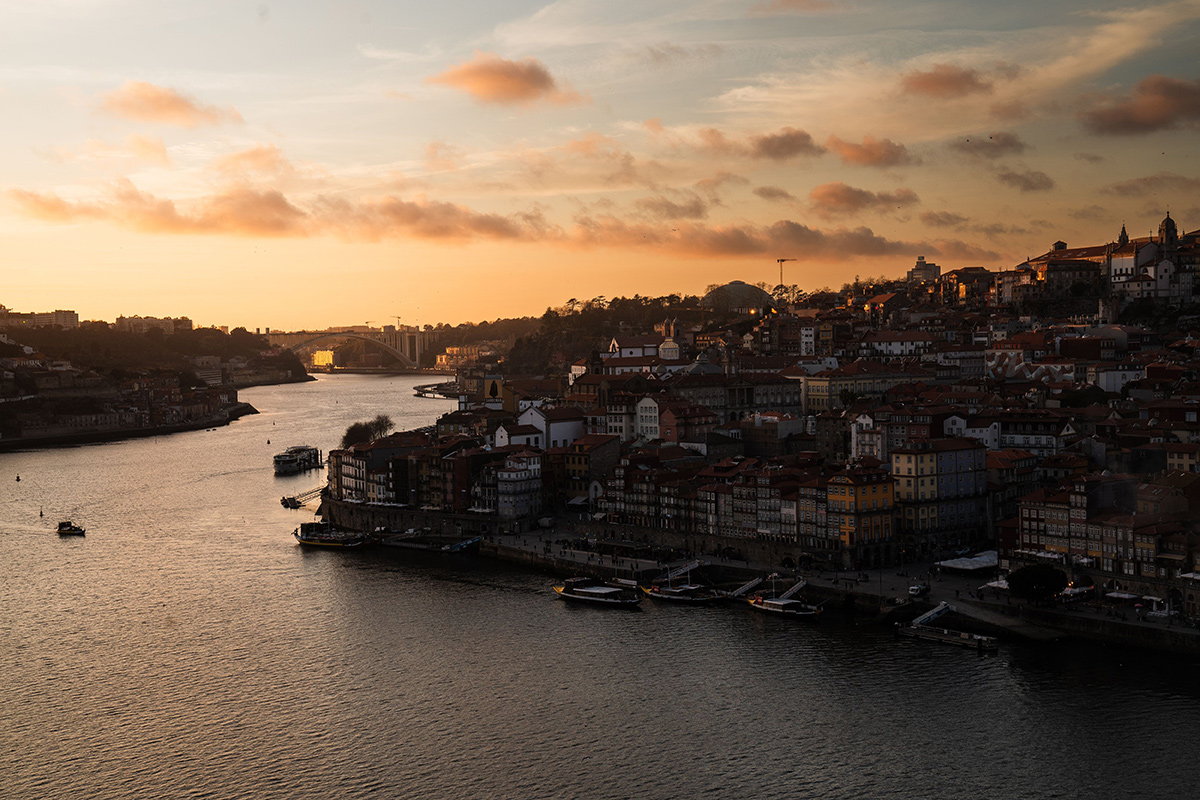
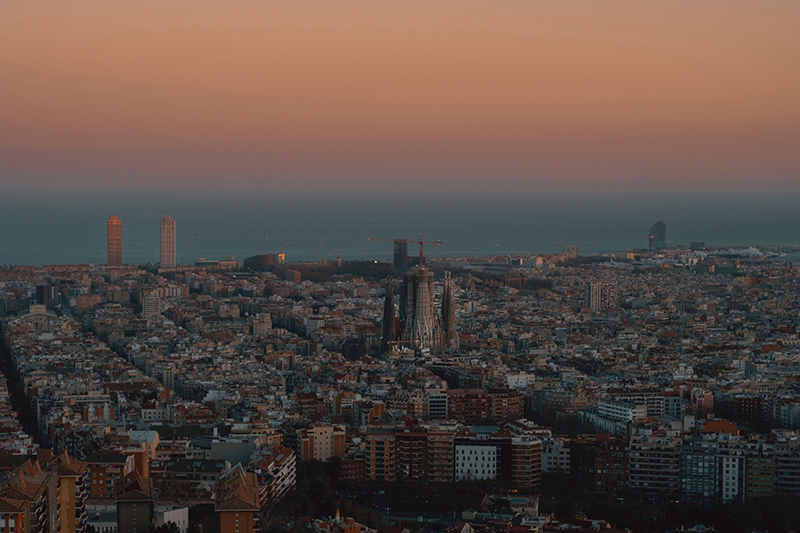
Facades change with the light. The locals go out. Shopping districts give way to terraces, promenades, and cultural events. When a late opening allows it, a monument or museum can be discovered in an atmosphere very different from that of peak visiting hours.
After sunset, travel is not limited to nightlife. What we now call noctourism encompasses a much wider range of experiences: an architectural stroll, stargazing, a concert in a monument, a gastronomic tour, a performance of fado or flamenco, a traditional festival, a theatrical tour, or a dinner organized in a privatized venue.
On coasts and in islands, the evening can be organized around the landscape. In rural areas, it can highlight silence, the sky, or regional products. In large cities, it allows discovering vibrant neighborhoods without simply repeating the classic visit to the major monuments.
This evolution also responds to a search for comfort. Depending on the season and the destination, moving certain activities to the beginning or end of the day can allow enjoying more pleasant conditions and avoiding the busiest periods.
The objective is not to start all travelers at dawn nor to end every day at midnight. It is about choosing the schedules according to the experience sought, and not solely according to production habits.
A morning can begin with a market, a walk in nature, a heritage discovery, or a meeting with a producer. The central hours of the day can be devoted to lunch, a comfortable transfer, a moment of rest, or an indoor activity. The late afternoon then becomes the starting point for a second part of the day.
It is at this moment that certain cities reveal another face.
Facades change with the light. The locals go out. Shopping districts give way to terraces, promenades, and cultural events. When a late opening allows it, a monument or museum can be discovered in an atmosphere very different from that of peak visiting hours.
After sunset, travel is not limited to nightlife. What we now call noctourism encompasses a much wider range of experiences: an architectural stroll, stargazing, a concert in a monument, a gastronomic tour, a performance of fado or flamenco, a traditional festival, a theatrical tour, or a dinner organized in a privatized venue.
On coasts and in islands, the evening can be organized around the landscape. In rural areas, it can highlight silence, the sky, or regional products. In large cities, it allows discovering vibrant neighborhoods without simply repeating the classic visit to the major monuments.
This evolution also responds to a search for comfort. Depending on the season and the destination, moving certain activities to the beginning or end of the day can allow enjoying more pleasant conditions and avoiding the busiest periods.
The objective is not to start all travelers at dawn nor to end every day at midnight. It is about choosing the schedules according to the experience sought, and not solely according to production habits.
Time is also a product that can be crafted
A program that feels smooth to the traveler rests on very precise preparation.
One must coordinate opening hours, guide availability, travel times, reservations, meals, the group’s mobility, and the constraints of each provider. An activity scheduled later in the day may require adjusting lunch, the driver’s rest time, or the arrival time at the hotel. A very early visit must be compatible with breakfast, group preparation, and site access conditions.
Creativity does not replace organization. It relies on it.
This is where the role of the receptive partner—responsible for receiving and orchestrating—makes perfect sense. It is not only about booking the different elements of a stay, but about putting them in harmony. A good program should be attractive in a brochure, feasible on the ground, and enjoyable for participants.
Before building an itinerary, several questions become essential: who are the travelers? In which season do they come? What is their level of mobility? What do they absolutely want to discover? Which moment should stand out as the high point of the stay? Where should the program be allowed to breathe?
The answers help establish a hierarchy. Not all visits need to have the same duration or the same importance. Not all days need to follow the same rhythm. And, sometimes, the best decision is to drop a step to give more value to the others.
For Itinerea Group, designing a trip means seeking a balance between discovery, comfort, feasibility, and emotion. Our teams work with agencies to tailor itineraries to the group’s reality and the territory, whether it is a cultural circuit, a thematic stay, a MICE operation, or a bespoke program.
The destination indicates where the journey takes place. The rhythm determines how it will be experienced.
One must coordinate opening hours, guide availability, travel times, reservations, meals, the group’s mobility, and the constraints of each provider. An activity scheduled later in the day may require adjusting lunch, the driver’s rest time, or the arrival time at the hotel. A very early visit must be compatible with breakfast, group preparation, and site access conditions.
Creativity does not replace organization. It relies on it.
This is where the role of the receptive partner—responsible for receiving and orchestrating—makes perfect sense. It is not only about booking the different elements of a stay, but about putting them in harmony. A good program should be attractive in a brochure, feasible on the ground, and enjoyable for participants.
Before building an itinerary, several questions become essential: who are the travelers? In which season do they come? What is their level of mobility? What do they absolutely want to discover? Which moment should stand out as the high point of the stay? Where should the program be allowed to breathe?
The answers help establish a hierarchy. Not all visits need to have the same duration or the same importance. Not all days need to follow the same rhythm. And, sometimes, the best decision is to drop a step to give more value to the others.
For Itinerea Group, designing a trip means seeking a balance between discovery, comfort, feasibility, and emotion. Our teams work with agencies to tailor itineraries to the group’s reality and the territory, whether it is a cultural circuit, a thematic stay, a MICE operation, or a bespoke program.
The destination indicates where the journey takes place. The rhythm determines how it will be experienced.